Artwork
Still Life with Fruit
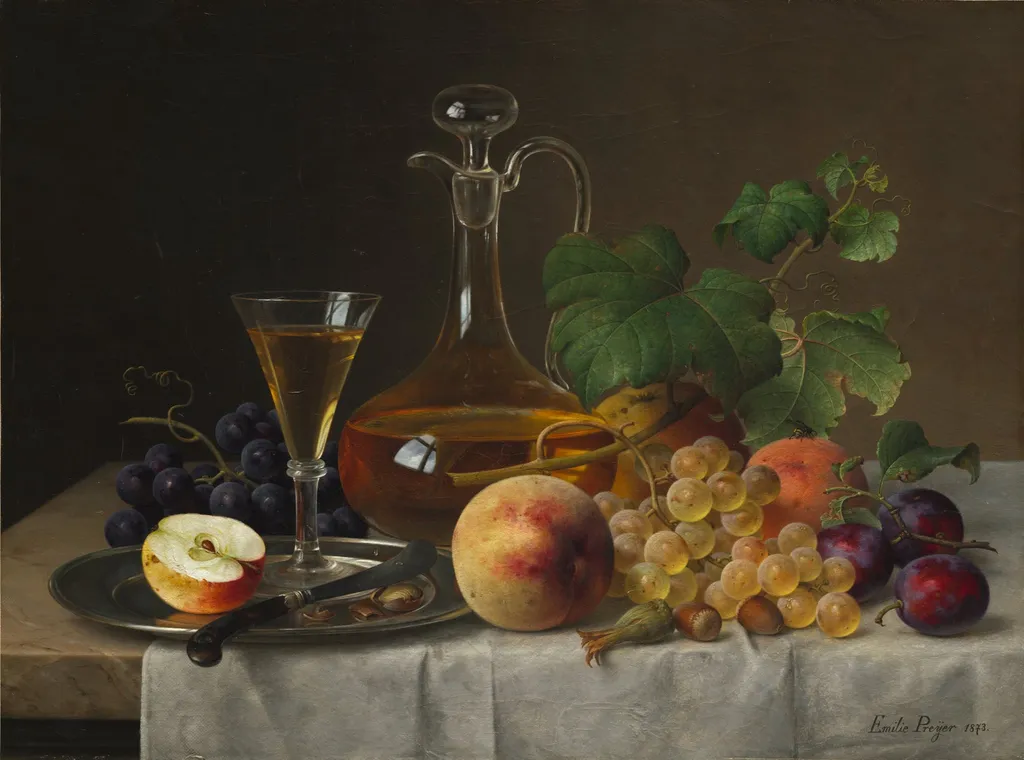
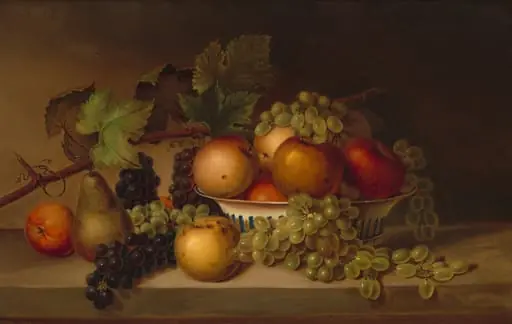
Still Life with Fruit is an unspecified painting by the Impressionist artist Emilie Preyer. It dates from 1873 and is held in the collection of the Cleveland Museum of Art.
About this work
Overview
A glass of water and a knife extend subtly beyond the table’s edge, anchoring the composition in a tradition of meticulous observation.
Emilie Preyer’s Still Life with Fruit presents a quiet arrangement of peaches, grapes, and pears atop a polished marble surface, draped with a folded white cloth. A glass of water and a knife extend subtly beyond the table’s edge, anchoring the composition in a tradition of meticulous observation. Painted in 1867, it reflects her disciplined study of earlier Northern European still lifes and her focus on material realism.
Subject & Meaning
The objects—fruit, glass, metal, and fabric—are chosen for their tactile variety rather than symbolic weight. There is no overt allegory; instead, the painting honors the quiet presence of everyday items. The arrangement suggests a momentary pause, as if the viewer has just entered the space, drawn by the interplay of light and surface. The knife’s precarious position implies transience, a subtle nod to the fleeting nature of perishable things.
Technique & Style
Preyer renders textures with precise, restrained brushwork: the dew on glass, the soft fuzz of peaches, the cool sheen of marble, and the crisp fold of linen are each distinguished without flourish. Her handling of reflections and edges—particularly the knife’s metallic gleam and the glass’s liquid contour—demonstrates close study of Dutch Golden Age techniques. The composition avoids theatricality, favoring quiet clarity and spatial coherence.
History & Provenance
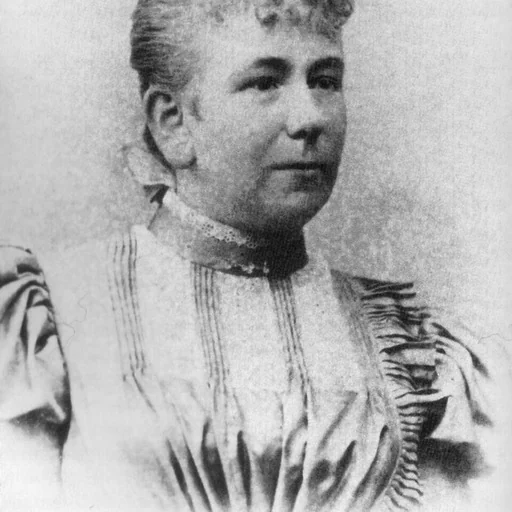
Trained initially by her father, Johann Wilhelm Preyer, Emilie began painting still lifes in 1867 after extensive study in Dresden, Antwerp, and the Netherlands. She dedicated herself almost exclusively to fruit compositions, absorbing the methods of 17th-century Dutch painters through direct museum visits. This work emerged from that period of focused apprenticeship, reflecting both technical discipline and a personal commitment to the genre.
Context
In mid-19th-century Germany, still-life painting was often dismissed as minor, yet Preyer’s work aligned with a broader European revival of interest in Northern Renaissance and Dutch traditions. Her focus on texture and light placed her within a lineage of artists who elevated domestic objects through careful observation. Unlike many contemporaries, she avoided sentimentality, favoring objectivity and formal precision.
Legacy
Preyer’s still lifes remain notable for their quiet technical authority and fidelity to material reality. While not widely exhibited in her lifetime, her work has since been recognized as a significant contribution by a female artist working within a male-dominated genre. Her approach, rooted in direct study and restraint, continues to invite comparison with earlier Dutch practitioners like Clara Peeters.
Own this work as a print
Artist & collection

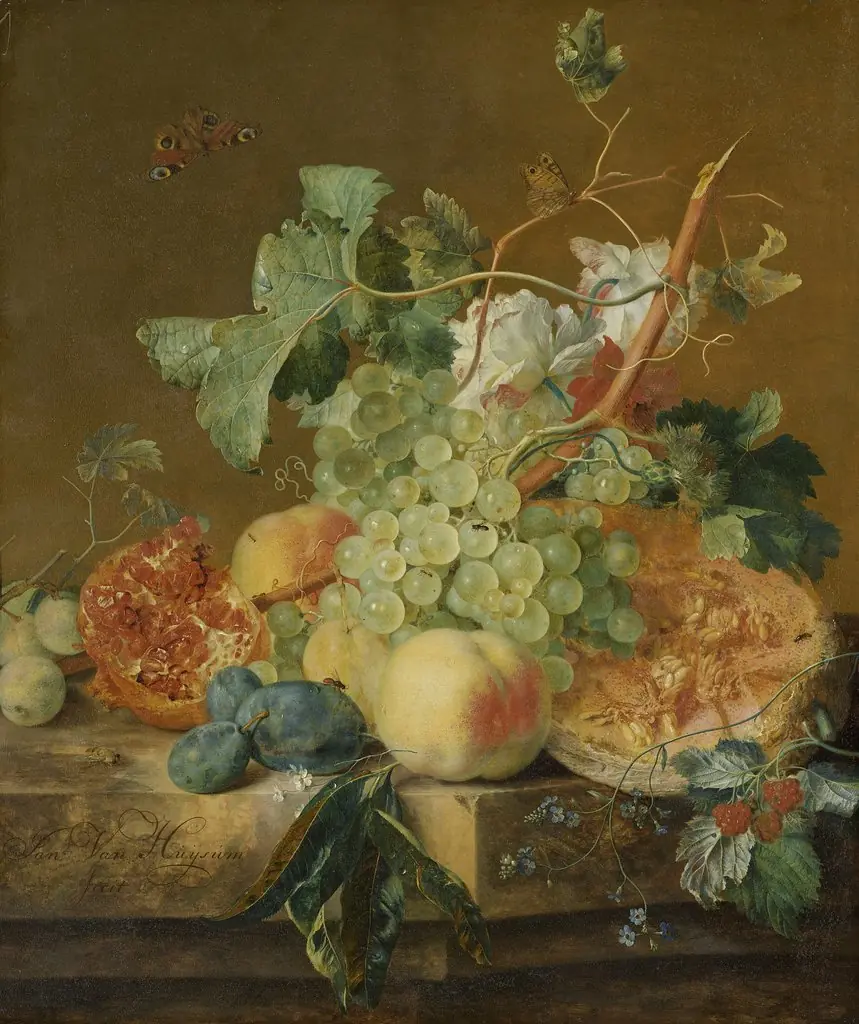 Still Life with Fruit
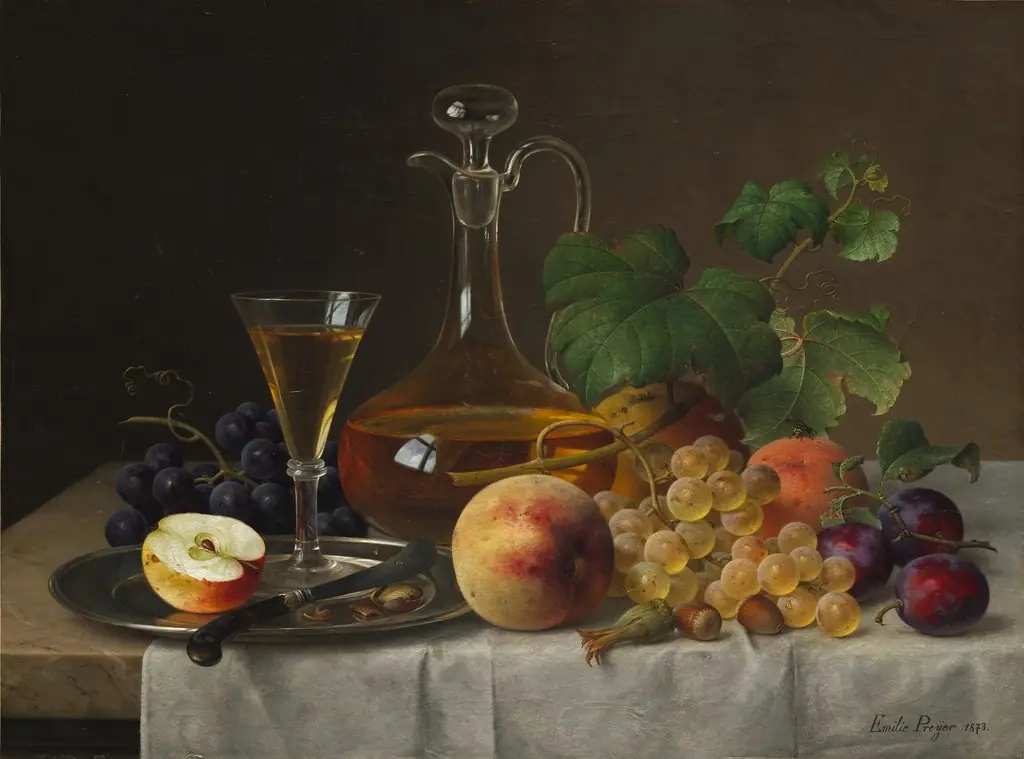 Still Life with Fruit
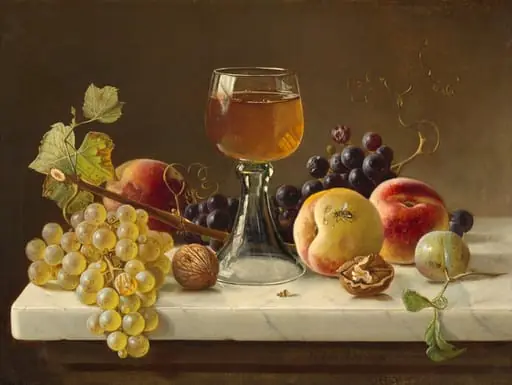 Marble Tabletop with Fruit and Wineglass
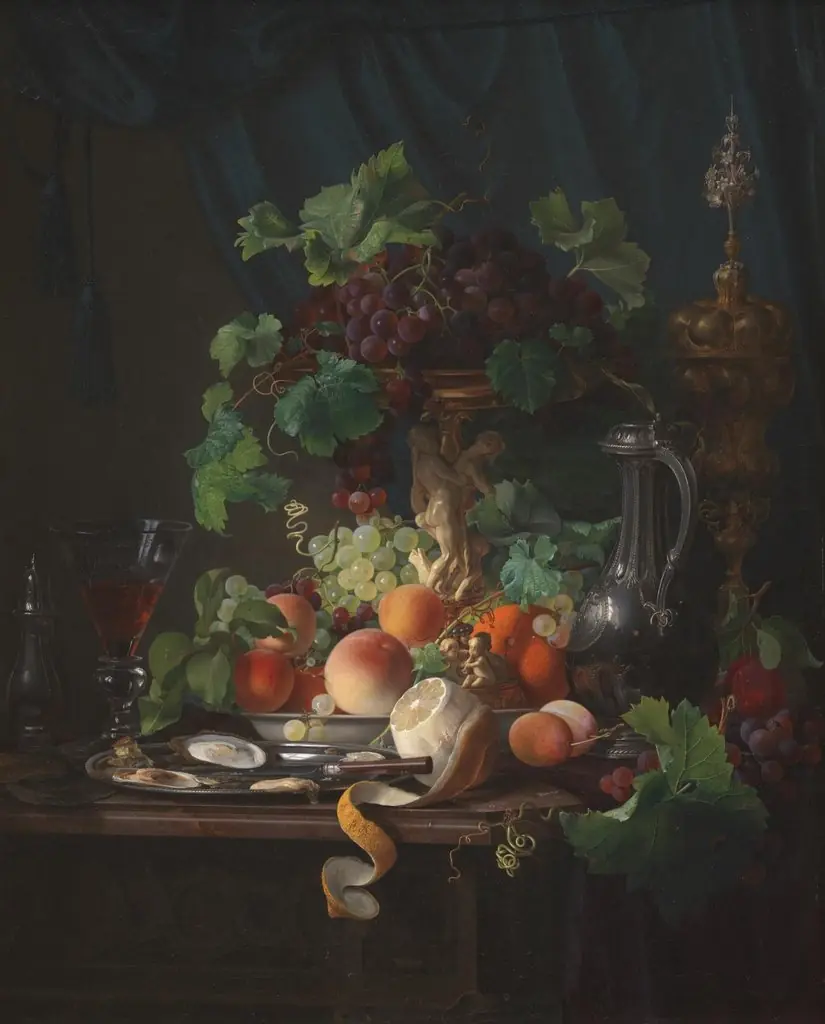 Opstilling med vinglas, østers, citron og andre frugter
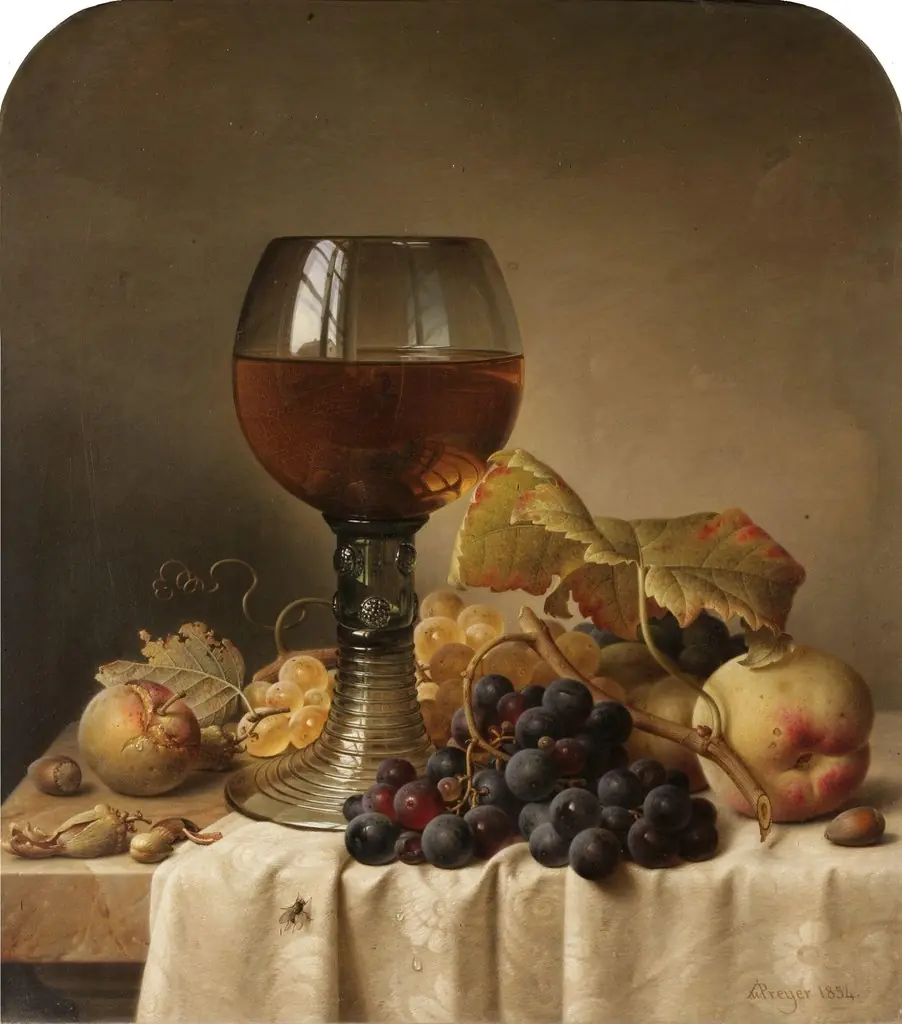 Fruit and a Goblet
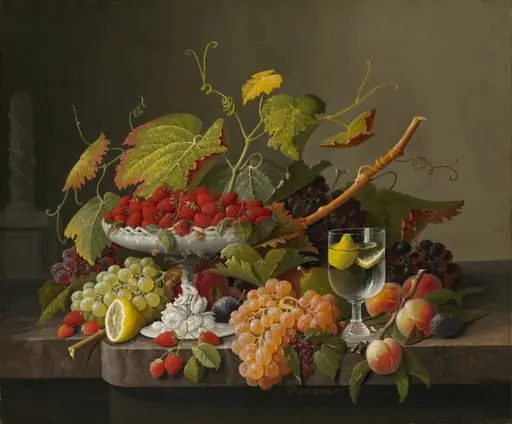 An Abundance of Fruit
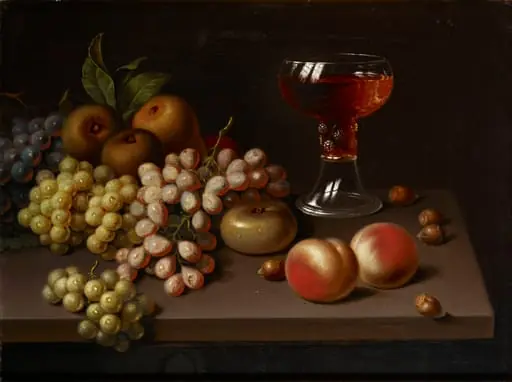 Hedelmäasetelma, kopio Jac. Stockmannin mukaan
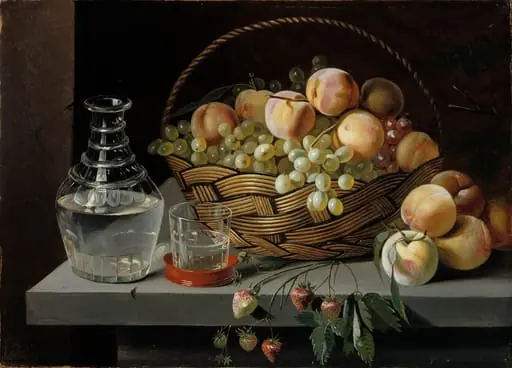 Omenoita ja viinirypäleitä korissa
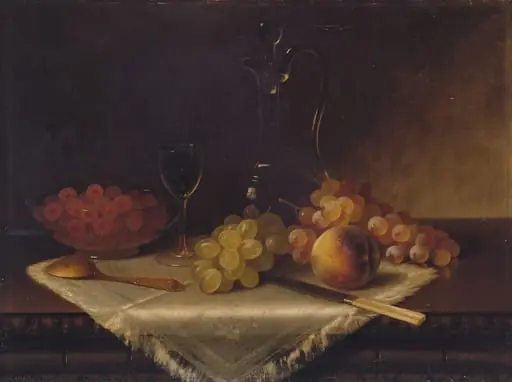 Still Life with Fruit
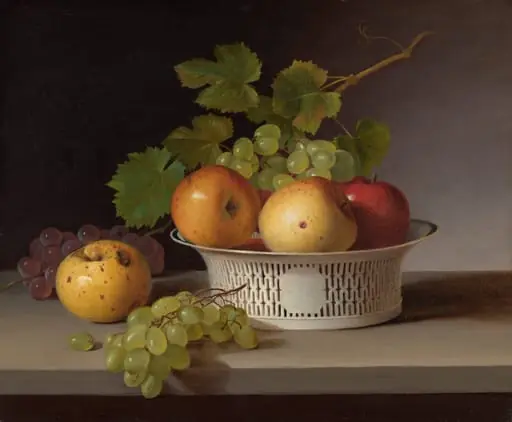 Fruit Still Life with Chinese Export Basket
 Fruit
Fruit Wine, Cheese, and Fruit