Artwork
Hedelmäasetelma, kopio Jac. Stockmannin mukaan
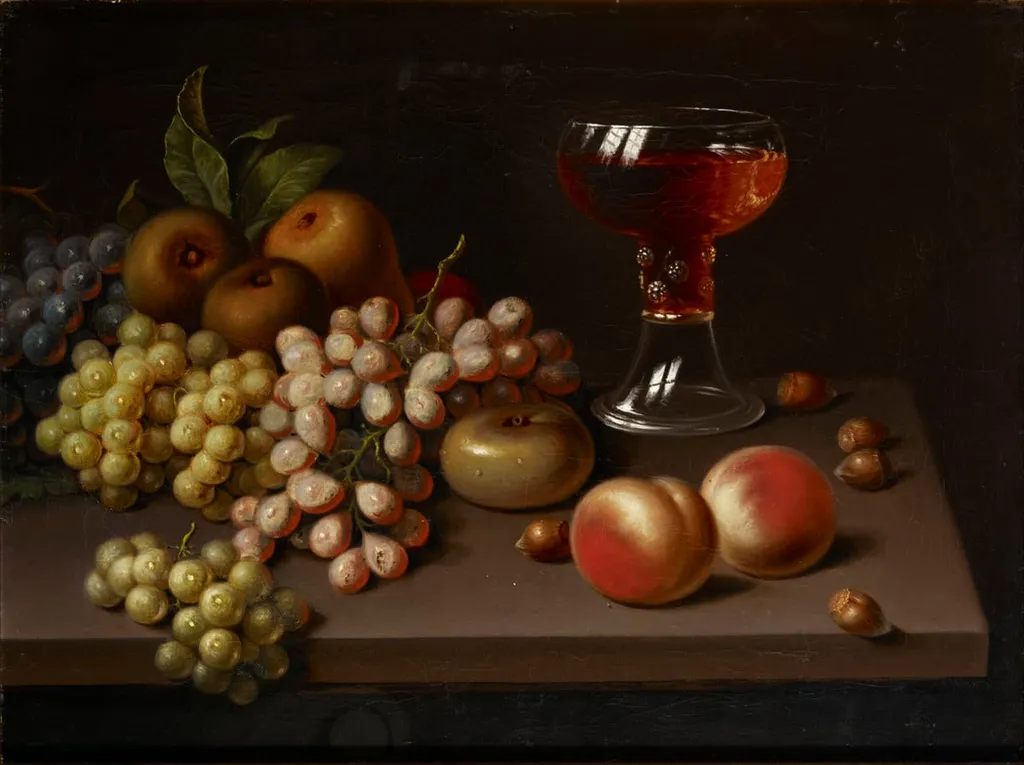
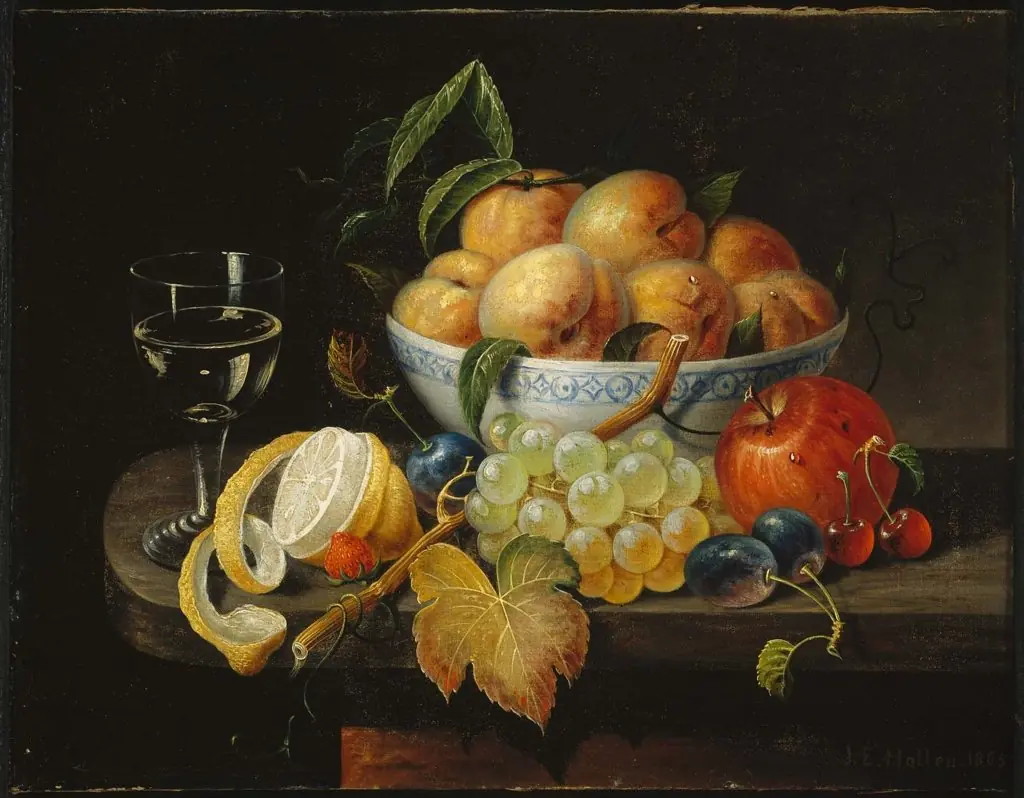
Hedelmäasetelma, kopio Jac. Stockmannin mukaan is an unspecified painting by Johan Erik Lindh. It is held in the collection of the Finnish National Gallery. This still life painting is a reproduction of a work by Jac.
About this work
Overview
Rendered in a detailed, realistic manner, it captures the textures of peaches, apples, and grapes in varying stages of ripeness.
This still life painting is a reproduction of a work by Jac. Stockmann, depicting an arrangement of fruit and a glass of wine. Rendered in a detailed, realistic manner, it captures the textures of peaches, apples, and grapes in varying stages of ripeness. The dark red liquid in the glass suggests wine, with a faint reflection suggesting the surface’s sheen. The piece is held in the collection of the Museum of Ethnography.
Subject & Meaning
The composition centers on common table fruits and wine, elements often associated with abundance and daily life in early modern Northern Europe. The inclusion of fruit at different ripeness levels may imply the passage of time or the transience of earthly pleasures. No overt symbolic or religious references are evident, suggesting a focus on quiet observation rather than allegory.
Technique & Style
The painting employs a precise, observational approach, emphasizing surface textures and subtle light shifts. The glass reflects ambient tones without dramatic contrast, indicating a restrained use of chiaroscuro. Attention to naturalistic detail—skin fuzz on peaches, grape clusters, and liquid transparency—reflects a tradition of Northern European still-life painting grounded in close study of the physical world.
History & Provenance
The work is a copy after Jac. Stockmann, a Finnish artist active in the late 19th and early 20th centuries. It entered the collection of the Museum of Ethnography, which holds material culture reflecting everyday life in Finland and beyond. Its presence there suggests an interest in domestic visual practices rather than fine art hierarchy, positioning it as a cultural artifact of its time.
Context
During the late 1800s and early 1900s, still-life painting in Finland often served as a vehicle for technical training and domestic aesthetic expression. Copies after established artists like Stockmann were common in art education and private collections. This work reflects a broader trend of valuing realism and domestic subjects within Finnish cultural circles at the turn of the century.
Legacy
As a reproduction, this painting contributes to the understanding of how artistic models were disseminated and adapted in regional contexts. It does not stand as an original innovation but as evidence of how artistic conventions were transmitted and preserved within Finnish households and institutions, offering insight into the visual culture of its era.
Artist & collection
Artist
Johan Erik Lindh filled small sheets with soft pencil portraits of Finnish families in the early 1800s.

 Still Life: Bowl with Fruit and Wine Glass
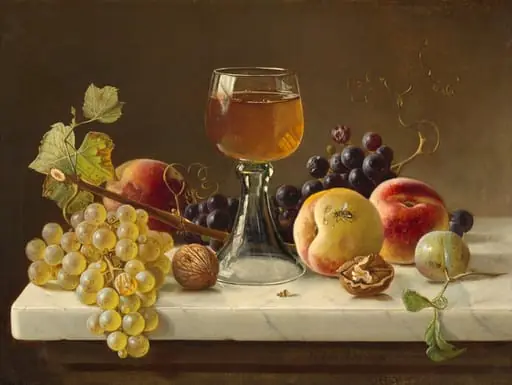 Marble Tabletop with Fruit and Wineglass
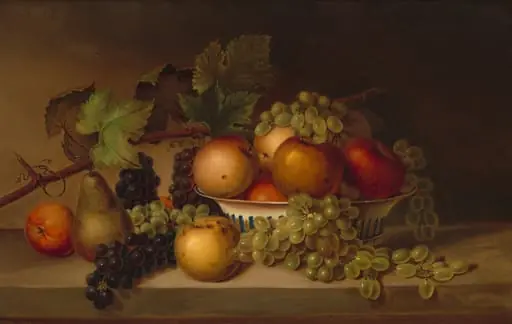 Fruit
Fruit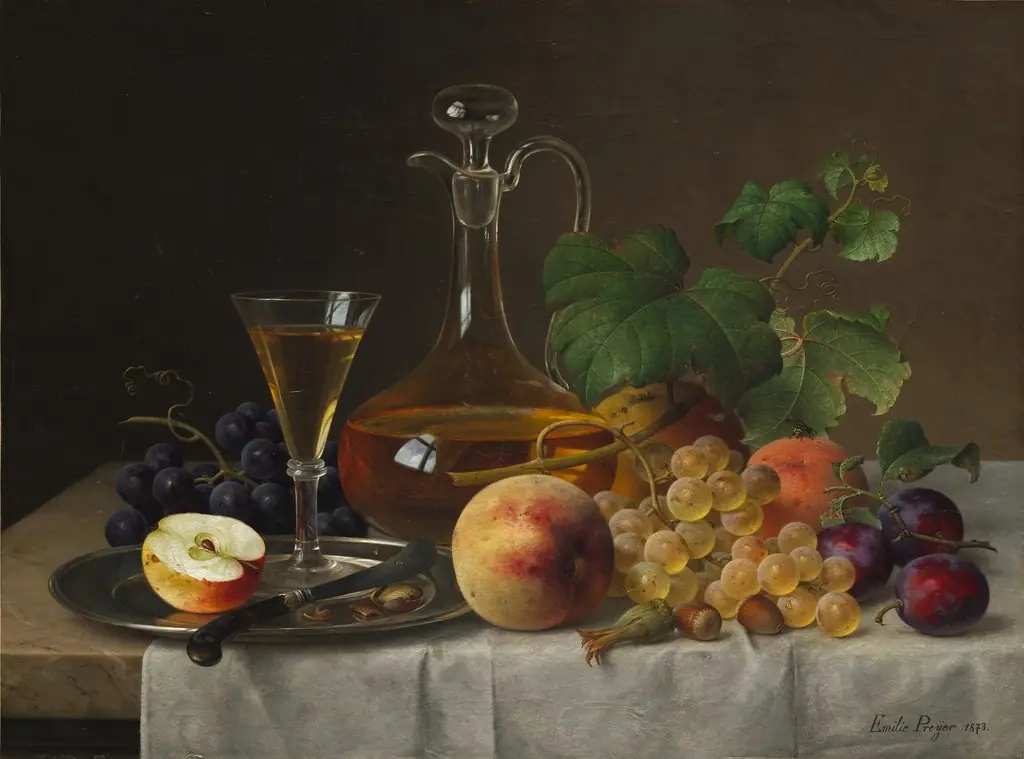 Still Life with Fruit
 Still Life with Fruit
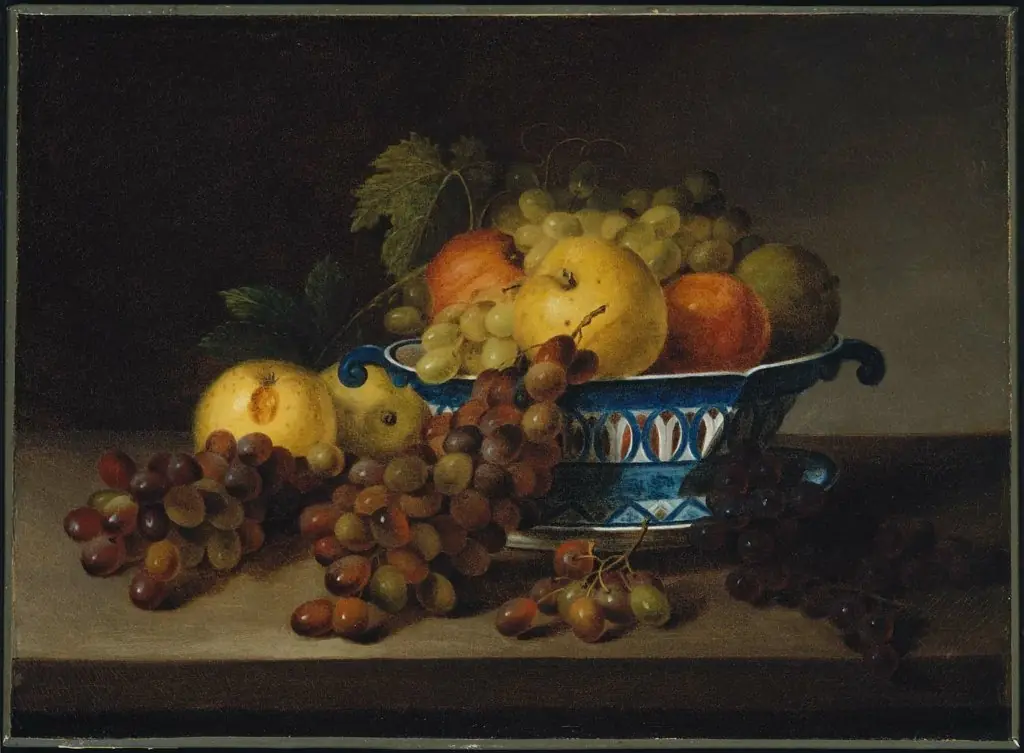 A Porcelain Bowl with Fruit
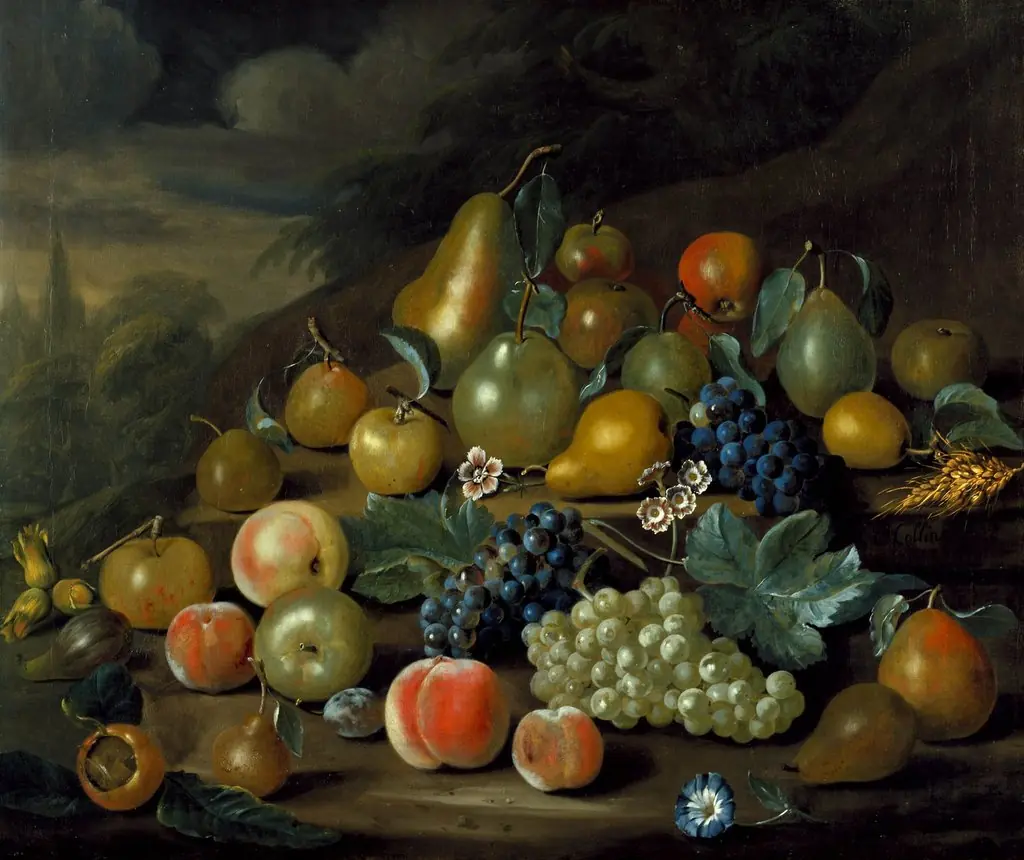 A Still Life of Pears, Peaches and Grapes
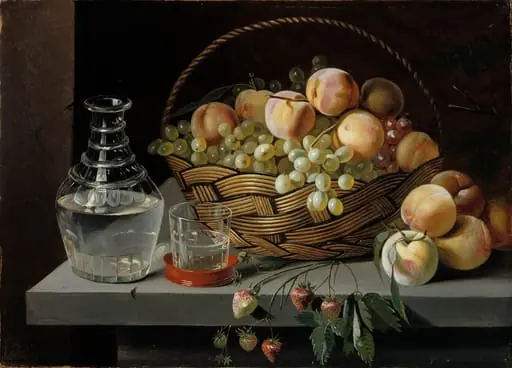 Omenoita ja viinirypäleitä korissa
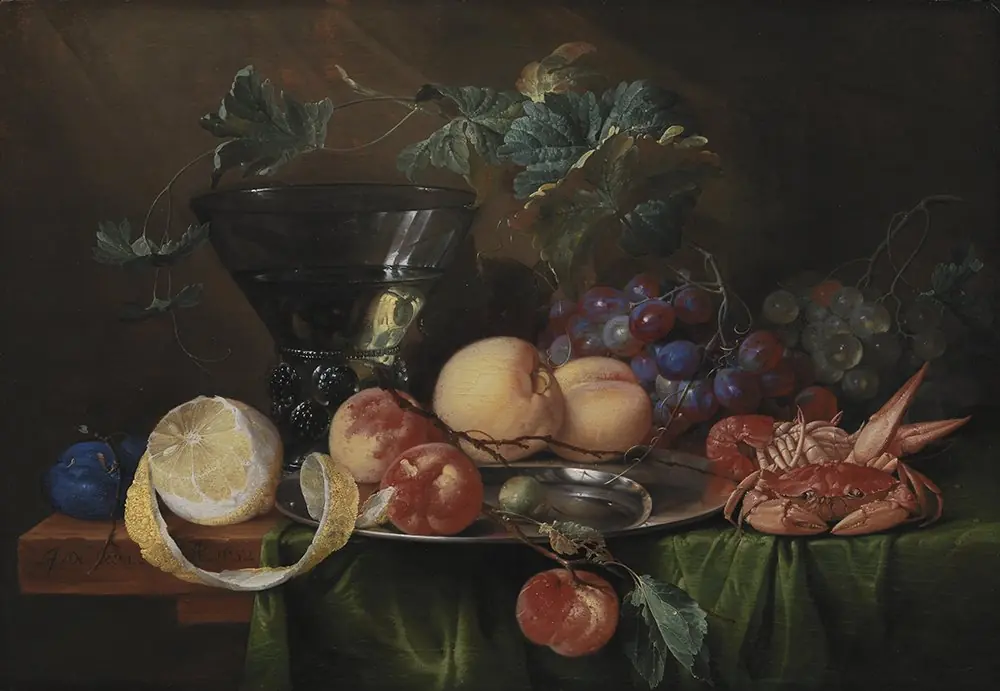 Still Life with a Roemer
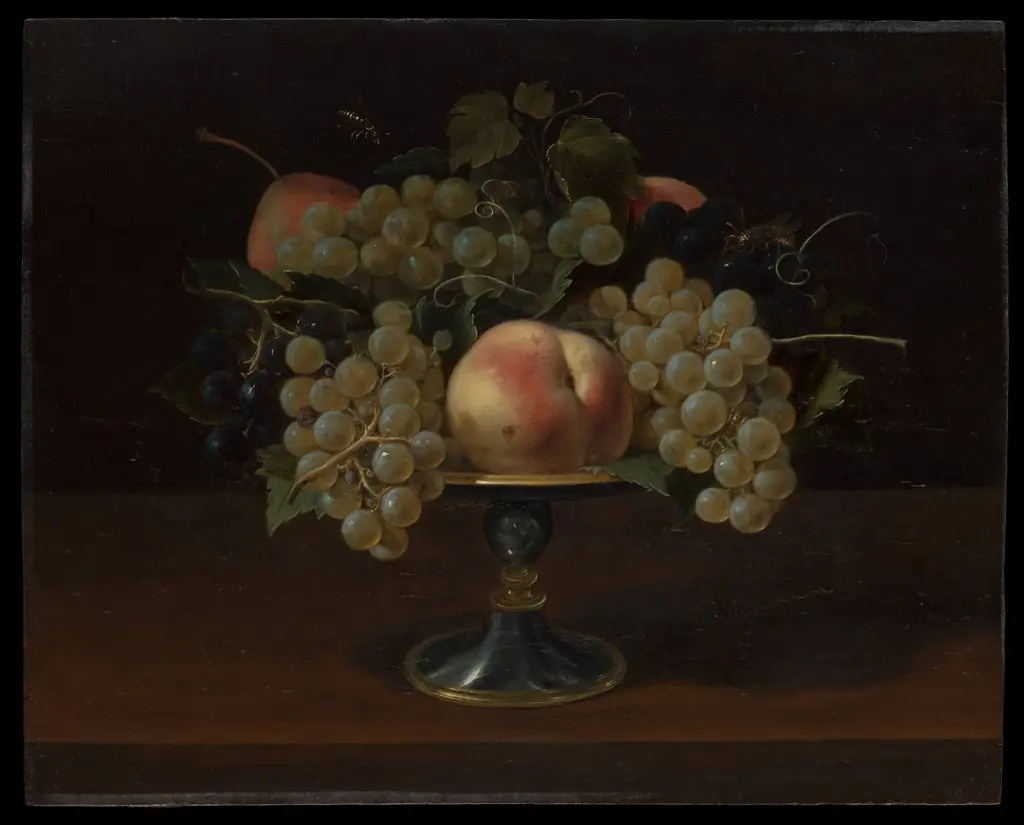 Still Life of Grapes and Peaches
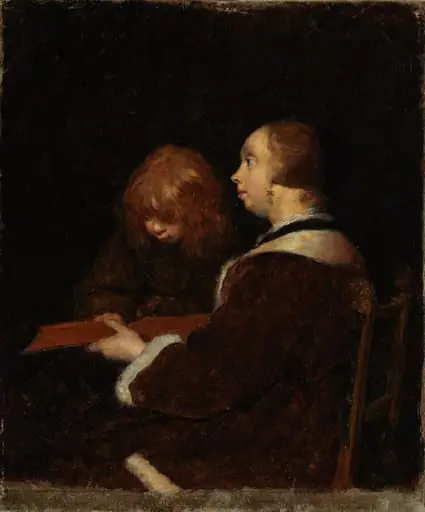 Lukuopetus, kopio Ter Borchin mukaan
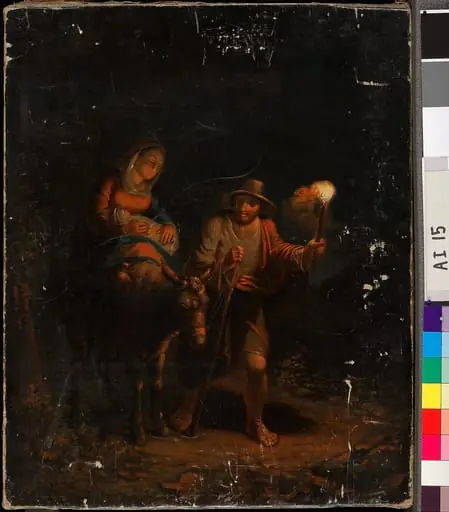
 Pyhä perhe, kopio Rembrandtin mukaan