Artwork
La oveja enferma
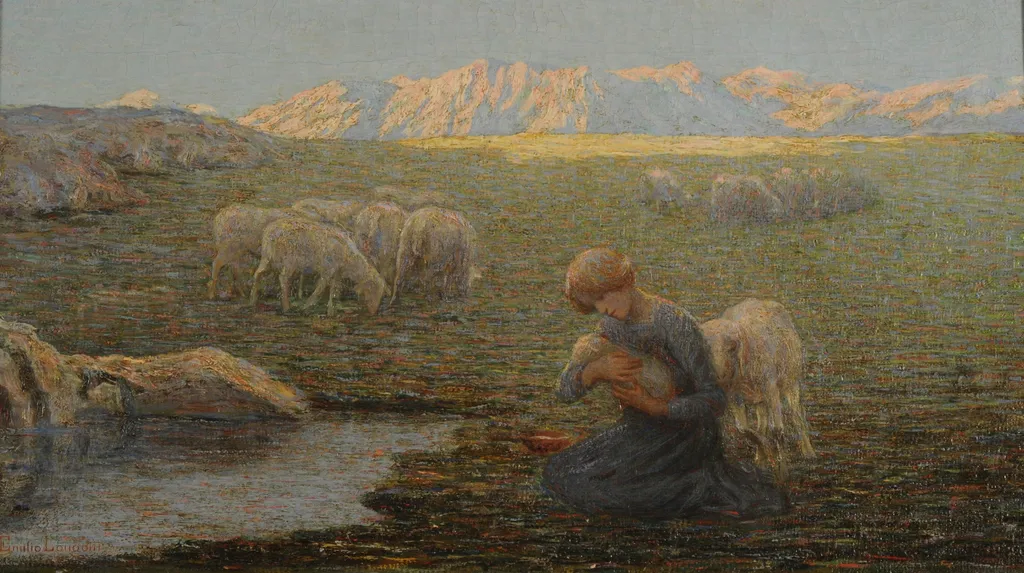
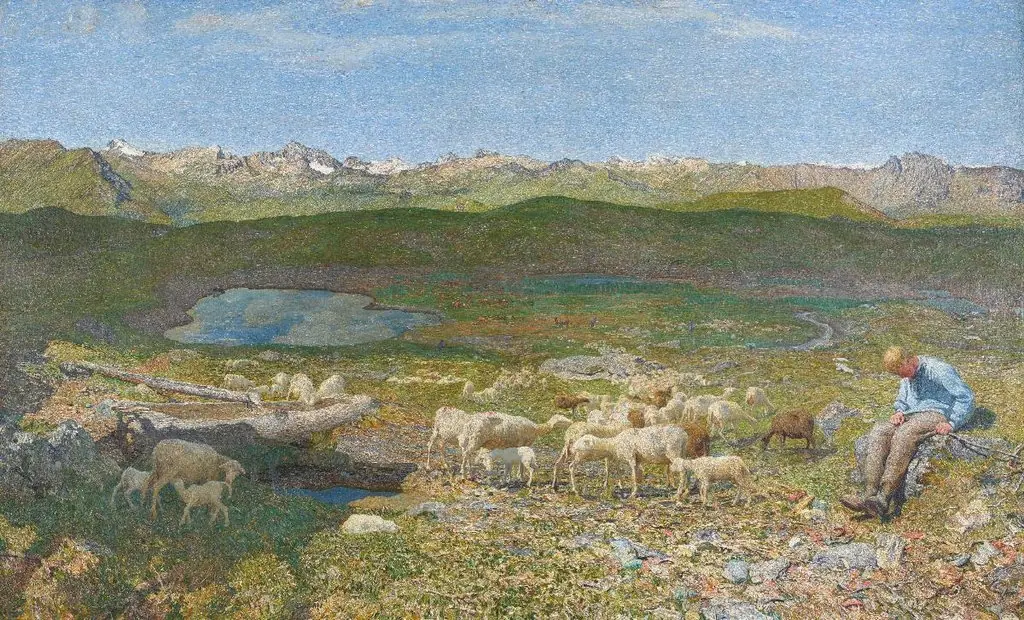
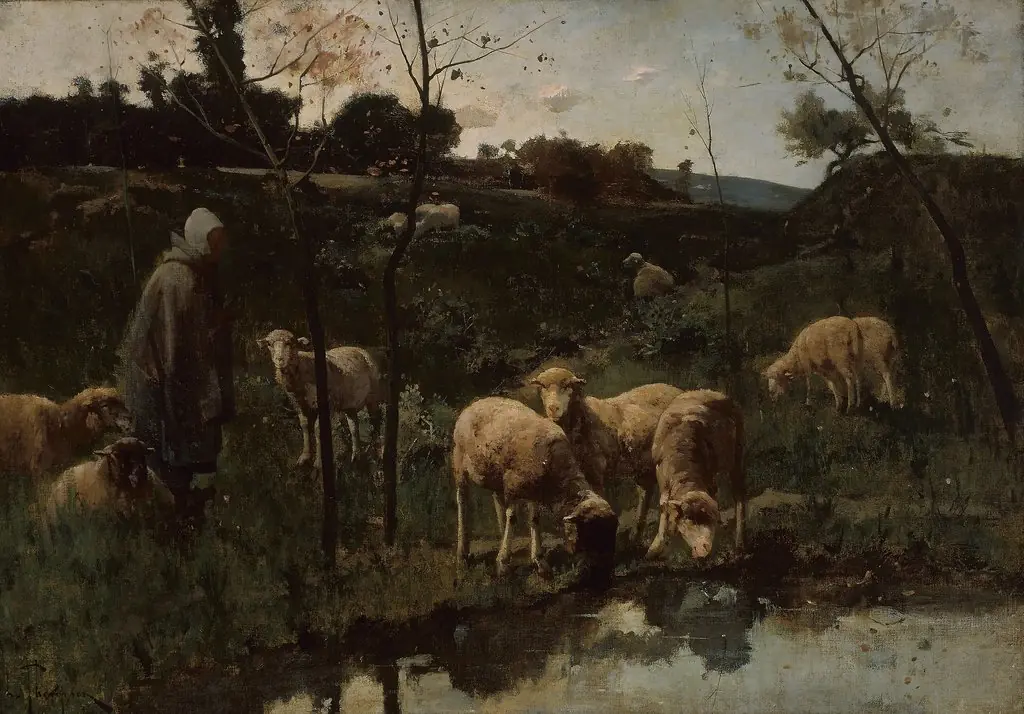
La oveja enferma is an oil painting by the Post-Impressionist artist Emilio Longoni. It dates from 1902 and is held in the collection of the National Museum of Fine Arts, Argentina.
About this work
Overview
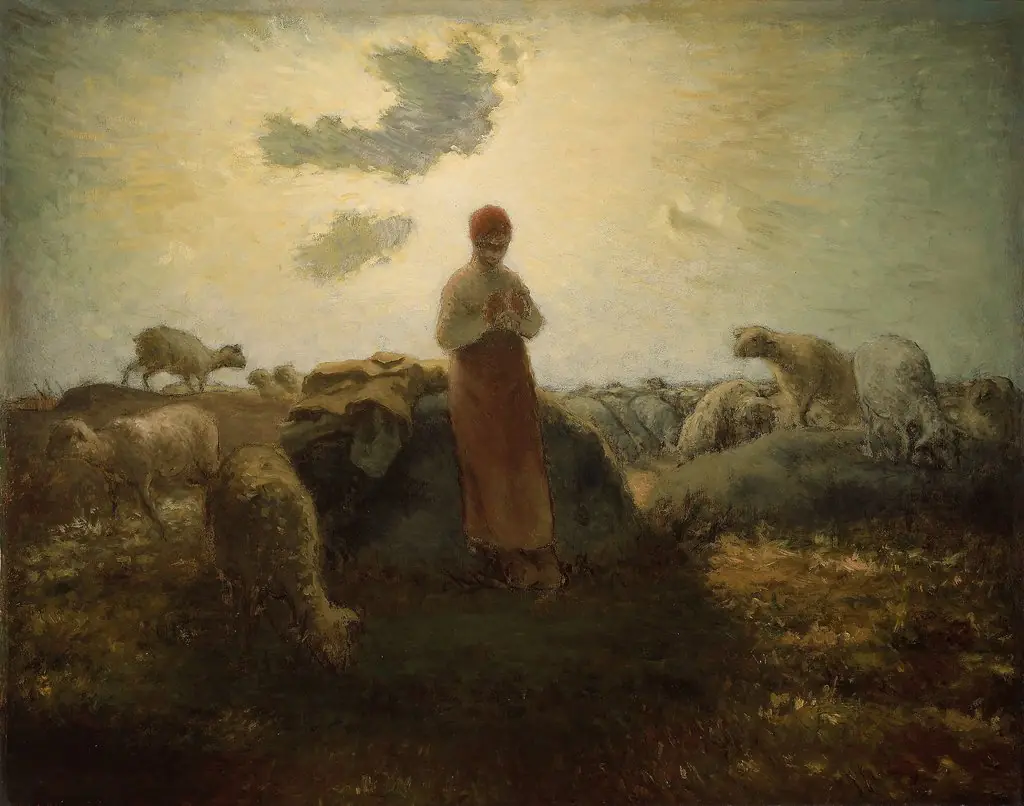
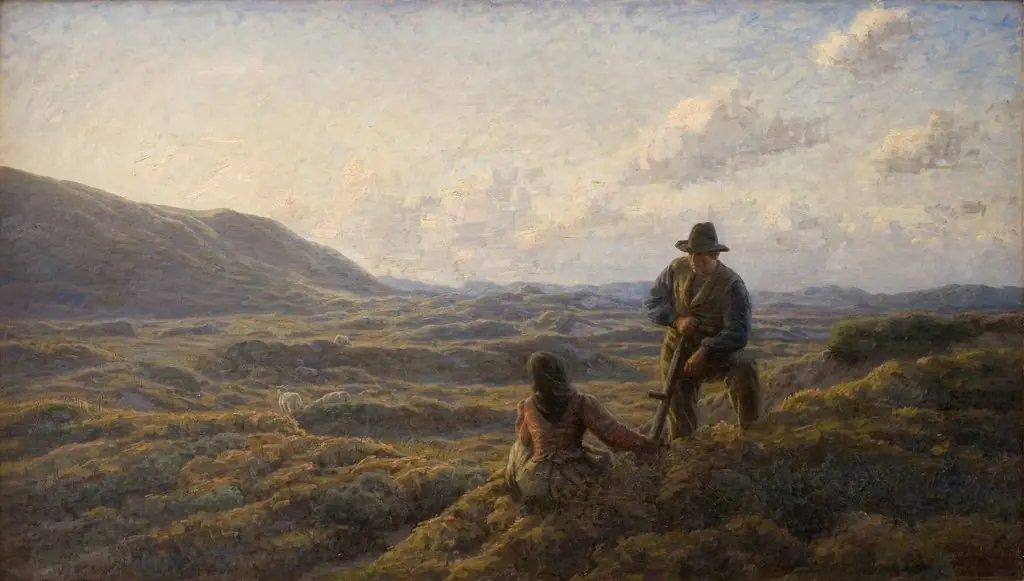
Created in 1902, this oil on canvas by Argentine painter Emilio Longoni is part of the collection of the National Museum of Fine Arts in Buenos Aires. The work portrays a tranquil rural scene, dominated by a kneeling woman cradling a sheep beside a shallow waterway, while a flock grazes in the distance beneath low mountains.
Subject & Meaning
The central figure—a woman in a dark, flowing dress—offers a gentle, attentive gesture toward the ailing sheep she holds, suggesting themes of care and compassion toward nature. The surrounding landscape, with its muted greens and browns, reinforces a sense of quiet devotion and the intimate bond between humans and livestock in a pastoral setting.
Technique & Style
Longoni employs a restrained palette of earth tones, allowing the composition’s soft lighting to model forms without harsh contrast. The brushwork is smooth and controlled, rendering the woman's expression and the woolly texture of the animals with subtle detail, while the background recedes through broader, less defined strokes that suggest distance and atmosphere.
History & Provenance
The painting entered the National Museum of Fine Arts in Buenos Aires shortly after its creation, becoming part of the institution’s early 20th‑century acquisitions. Its presence in the museum’s collection reflects the period’s interest in documenting Argentine rural life through the eyes of native artists.
Context
Executed at the turn of the century, the work aligns with a broader Argentine artistic movement that sought to depict everyday countryside scenes, emphasizing national identity and the relationship between people and the land. Longoni’s focus on a solitary, caring figure mirrors contemporary social concerns about rural welfare and the dignity of labor.
Artist & collection

Museum
National Museum of Fine Arts, Argentina
Continue through works from the same source collection.