Artwork
Icon: The Crucifixion
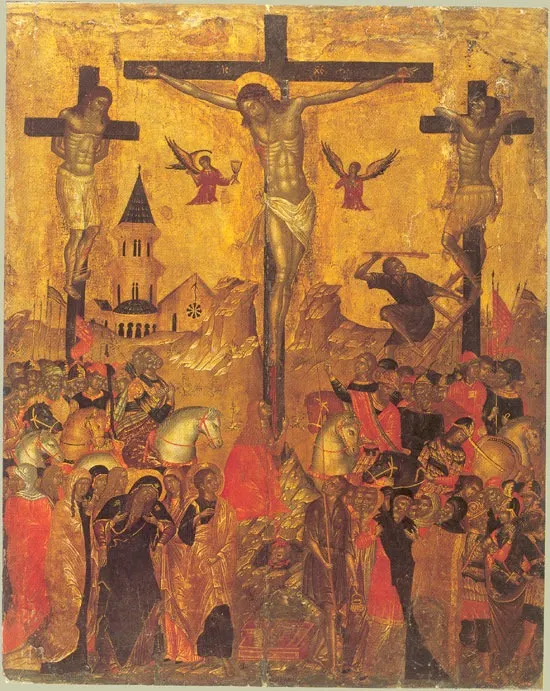
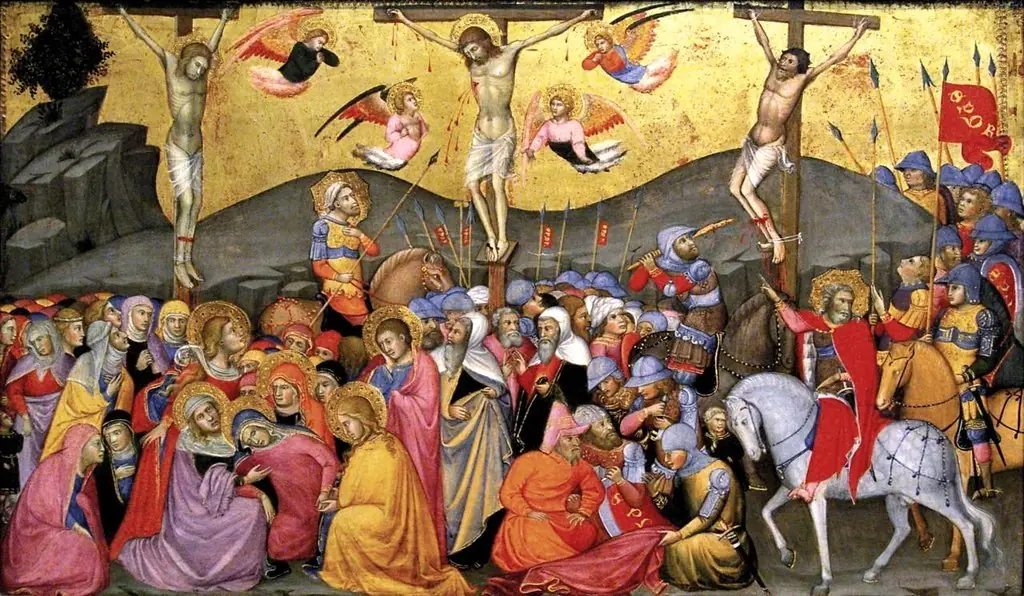
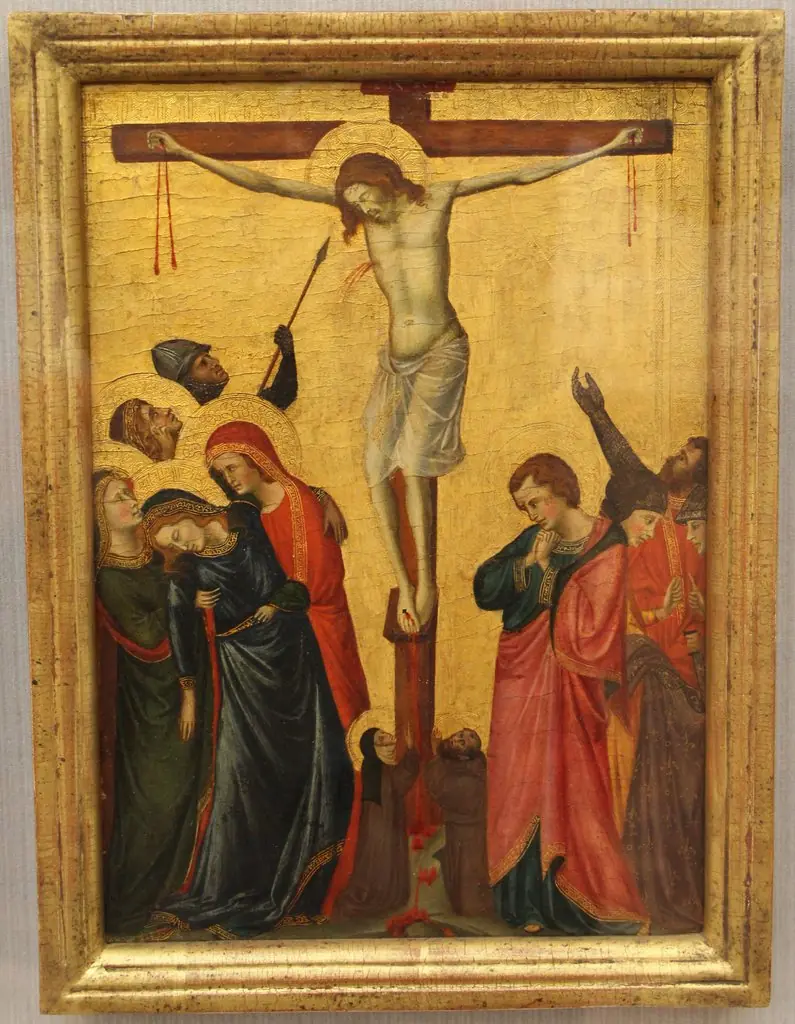
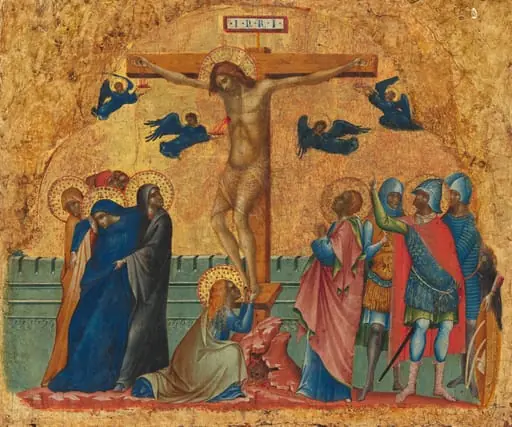
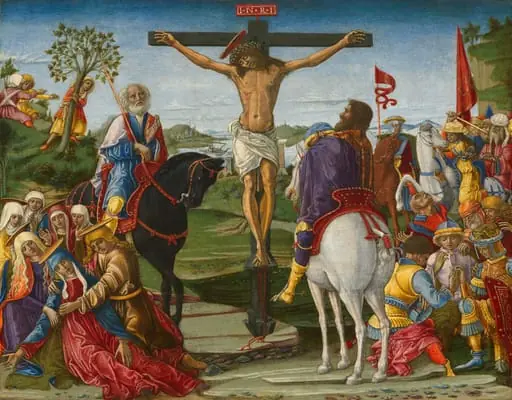
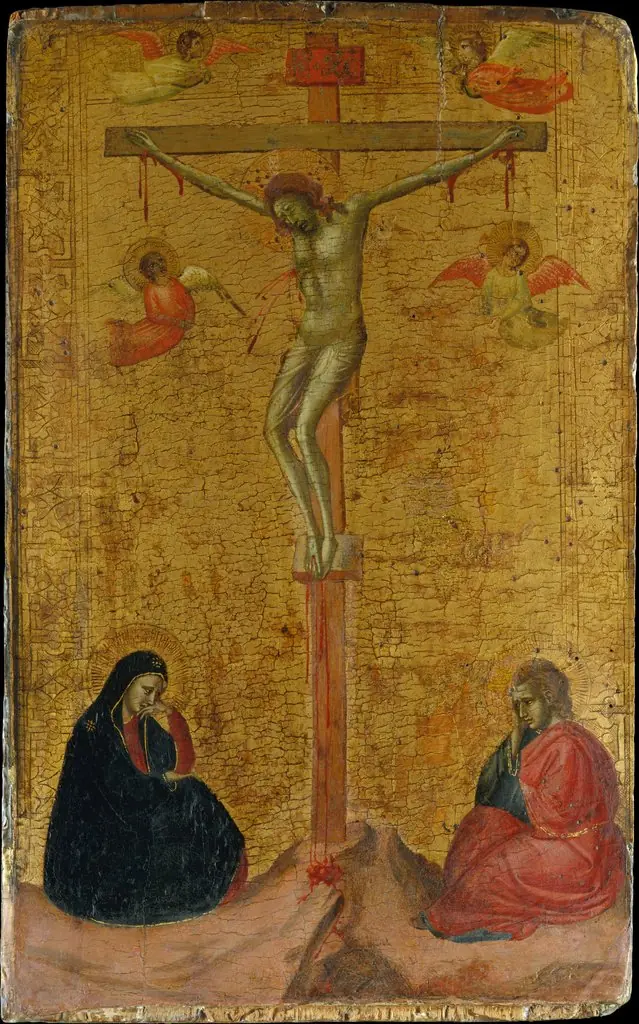
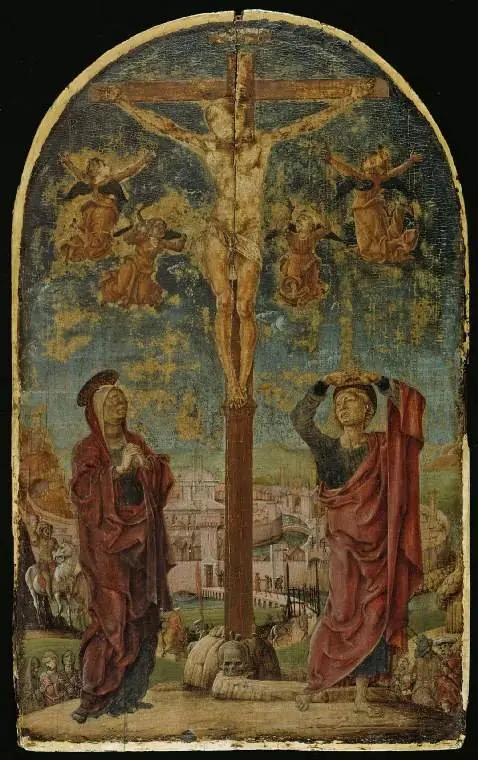
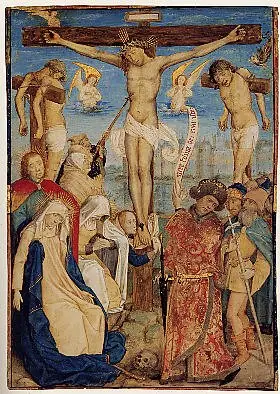
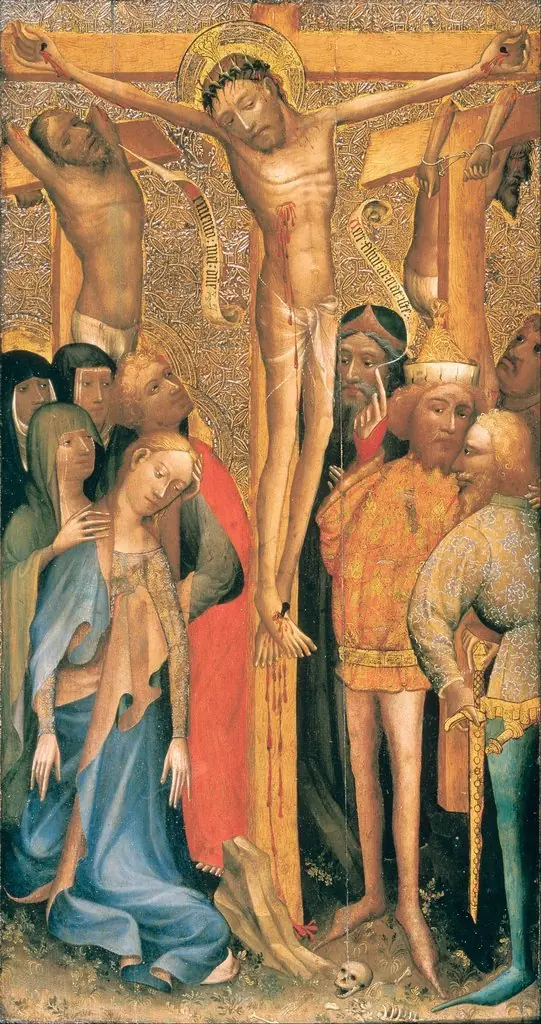
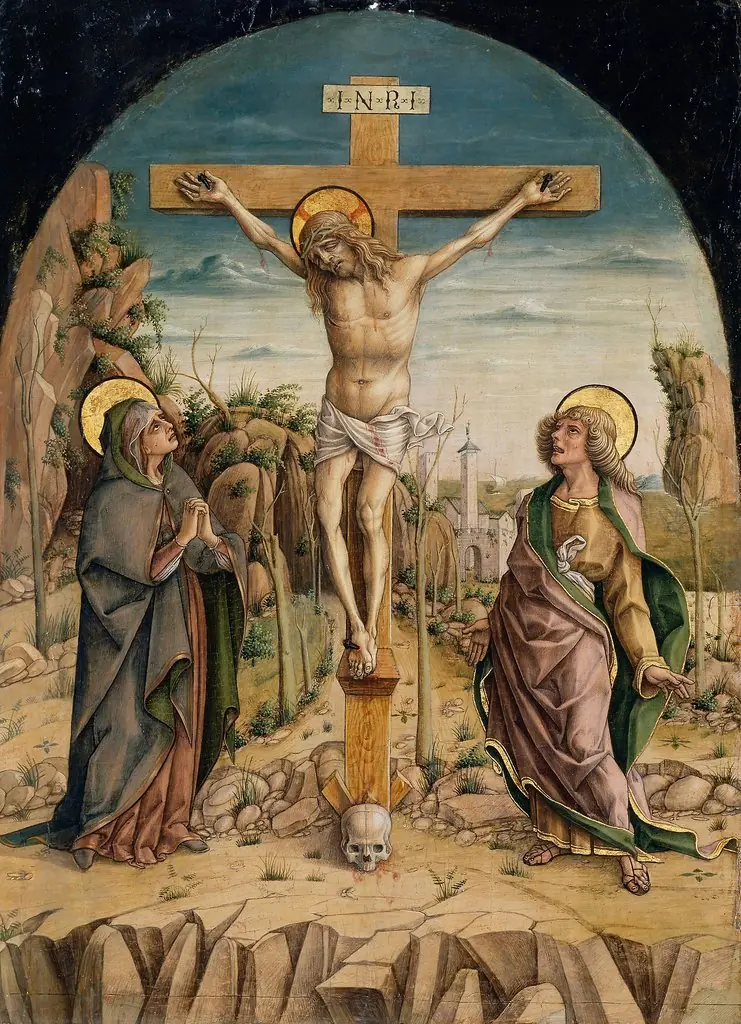
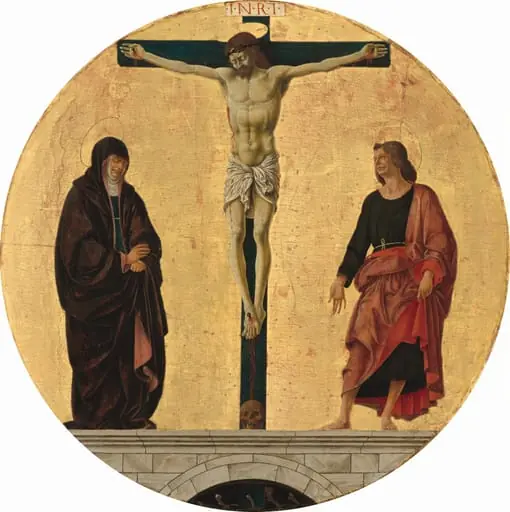
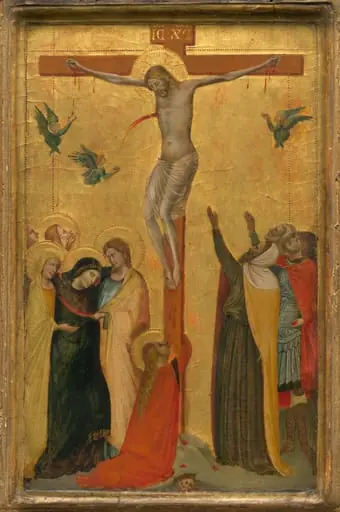
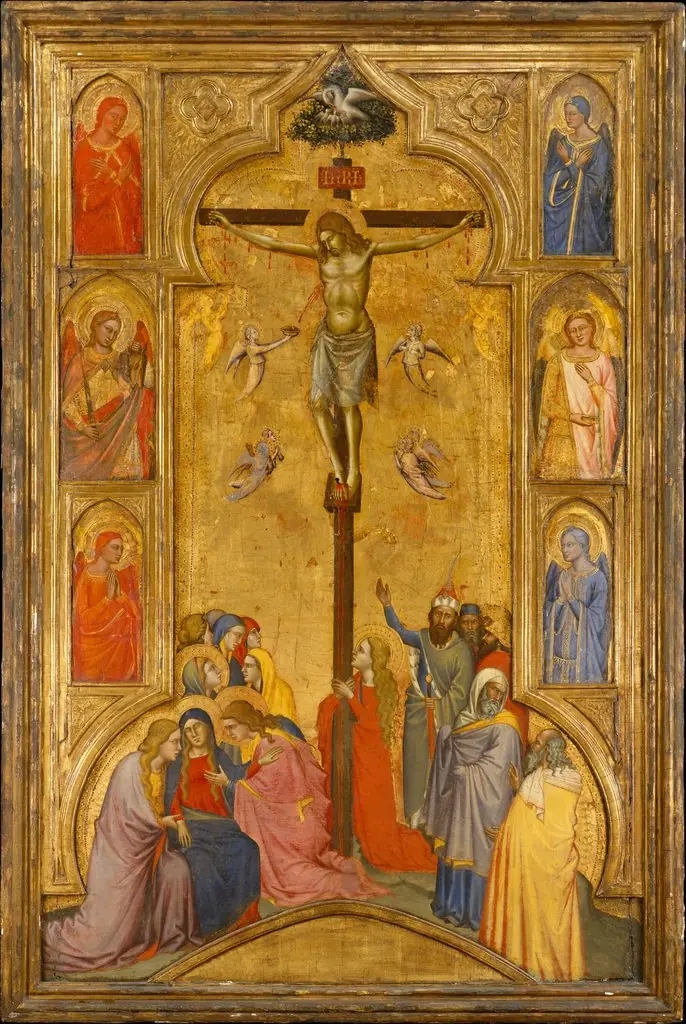
Icon: The Crucifixion is an unspecified painting by the Flemish Baroque painting artist Emmanuel Lombardos. It is held in the collection of the Hermitage Museum.
About this work
Overview
The composition follows established liturgical iconography, emphasizing spiritual presence over naturalistic detail.
Painted in 1638 by Emmanuel Lombardos, this religious icon depicts the Crucifixion in the Byzantine tradition. Executed on wood with tempera and gold leaf, it is part of the State Hermitage Museum’s collection. The composition follows established liturgical iconography, emphasizing spiritual presence over naturalistic detail. Its rigid forms and luminous palette reflect devotional priorities of the period.
Subject & Meaning
Christ is centered on the cross, flanked by two thieves, while a crowd of figures in richly colored garments observes below. Two angels hover above, holding instruments of the Passion. The scene is not a narrative moment but a theological statement: Christ’s sacrifice as eternal and transcendent. The stillness of the figures conveys divine order, not human drama.
Technique & Style
The painting employs tempera on wood with extensive gold leafing, creating a luminous, otherworldly effect. Figures are rendered with sharp outlines and flattened planes, avoiding perspective or anatomical realism. Colors—gold, crimson, and deep brown—are applied in flat, unmodulated areas, contrasting against a dark ground to heighten visual focus and symbolic weight.
History & Provenance
Created in the 17th century, likely in a Greek or Venetian workshop influenced by Cretan icon painting, the work entered the Hermitage’s collection in the 19th century. Its survival through centuries of religious and political change reflects its enduring role in Orthodox devotion. No documented private ownership is recorded prior to its institutional acquisition.
Context
Lombardos worked during a period when Byzantine icon traditions persisted in Venetian-ruled Crete and the Eastern Mediterranean. While Western Europe embraced Baroque naturalism, Orthodox communities maintained stylized forms as expressions of theological truth. This icon aligns with a broader resistance to Renaissance innovations in sacred imagery.
Legacy
The painting exemplifies the continuity of Byzantine iconography into the early modern era. It remains a reference for scholars studying the transmission of religious visual language across cultures. Its preservation in a major European museum underscores its significance as a cultural artifact, not merely a devotional object.
Artist & collection