Artwork
Omakuva
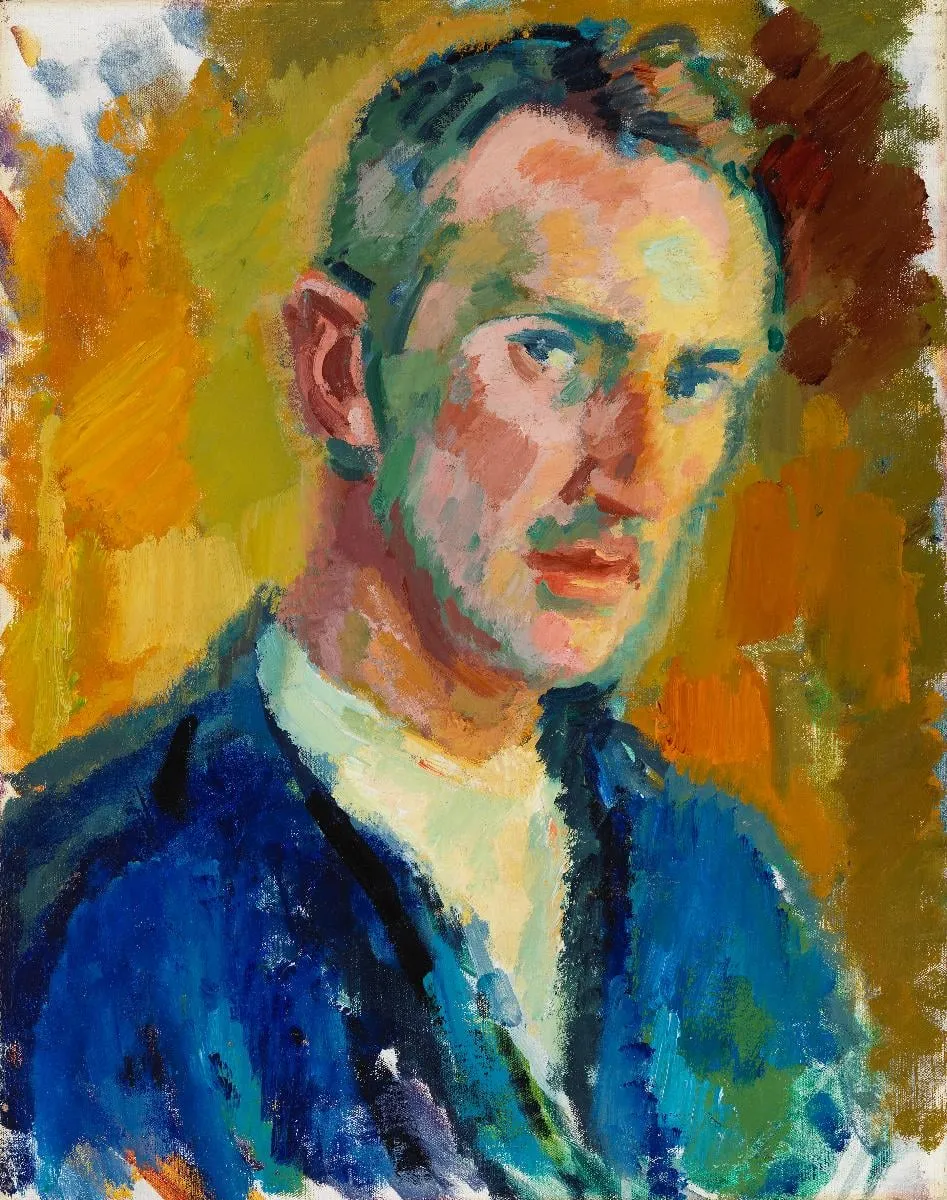
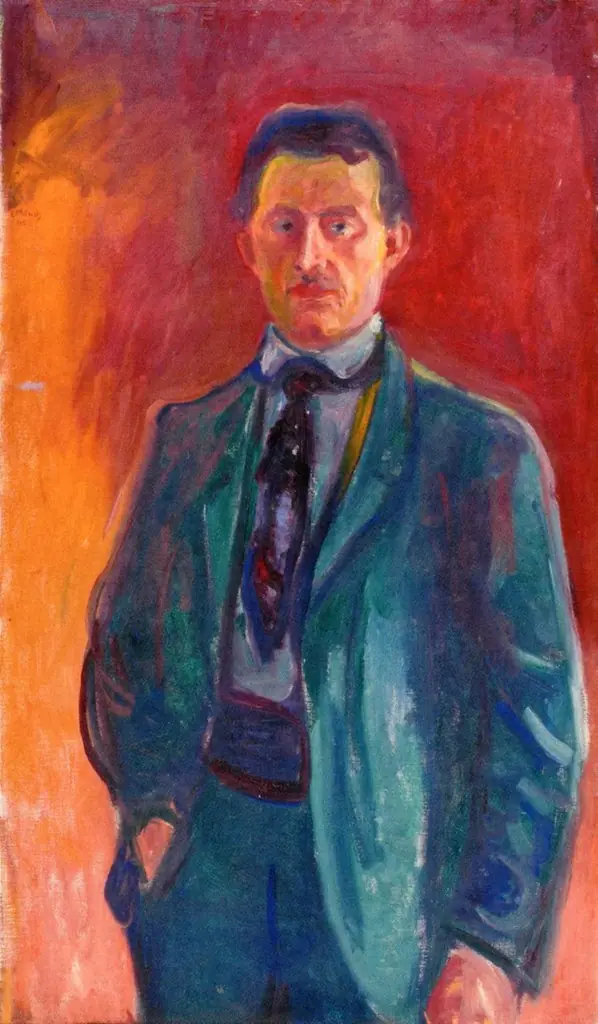
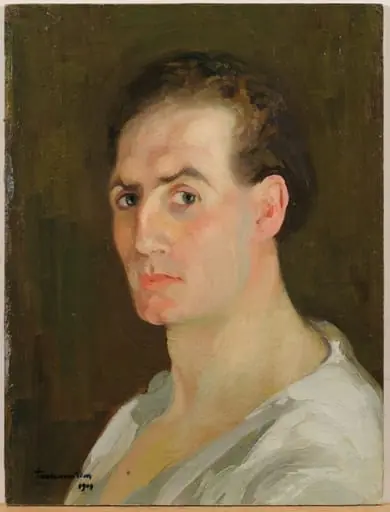
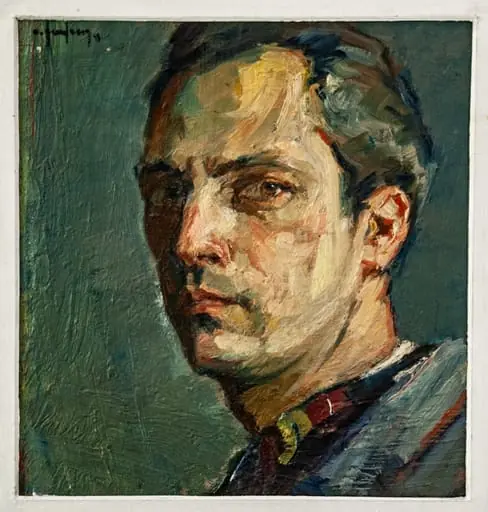
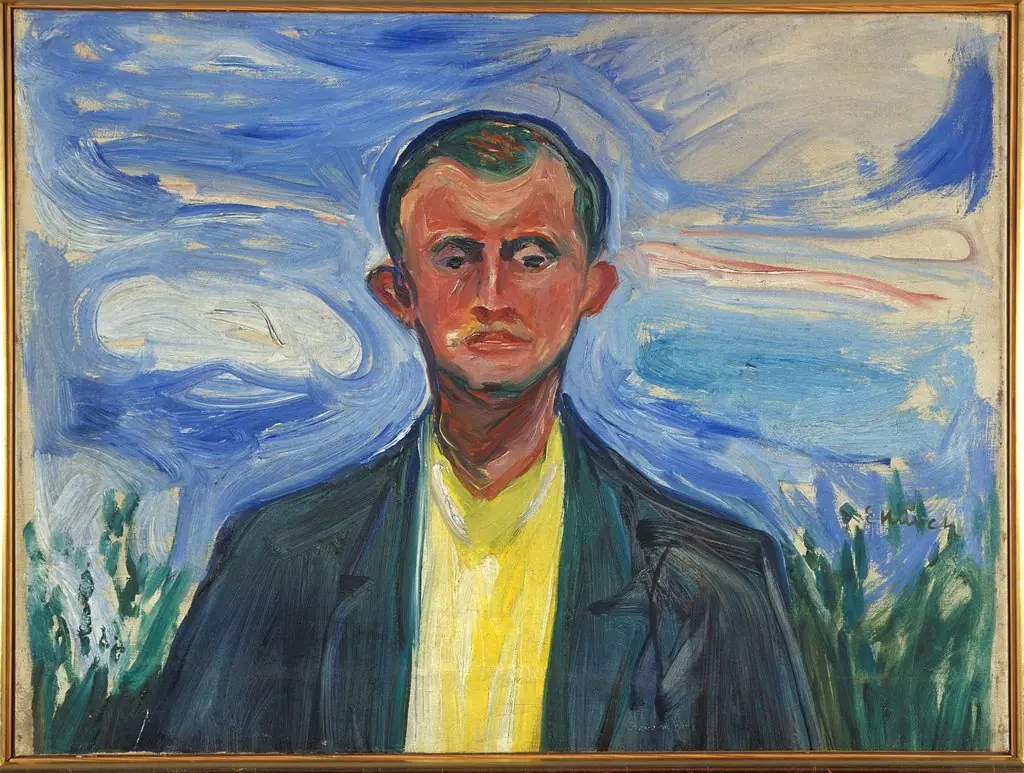
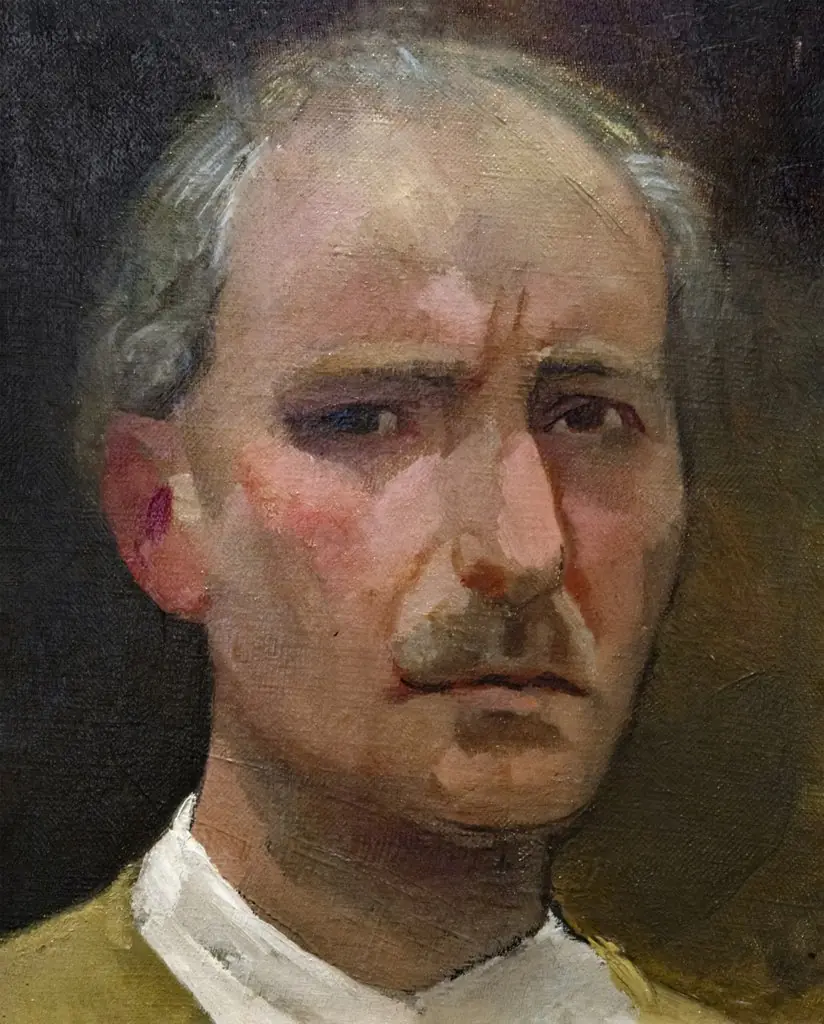
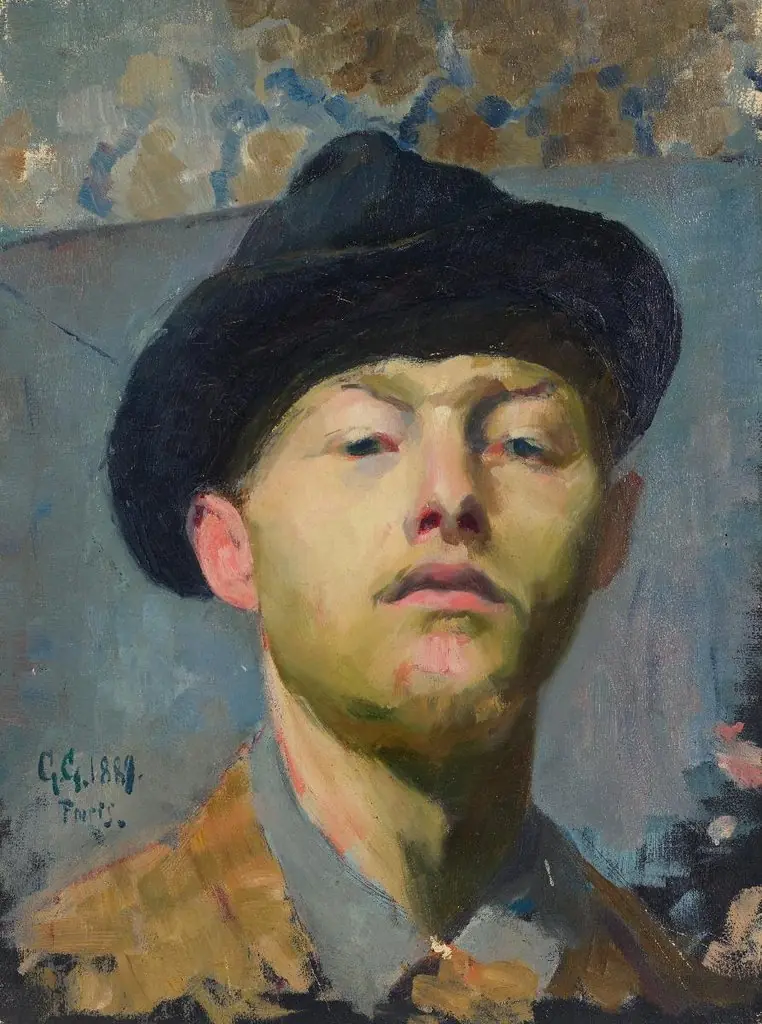
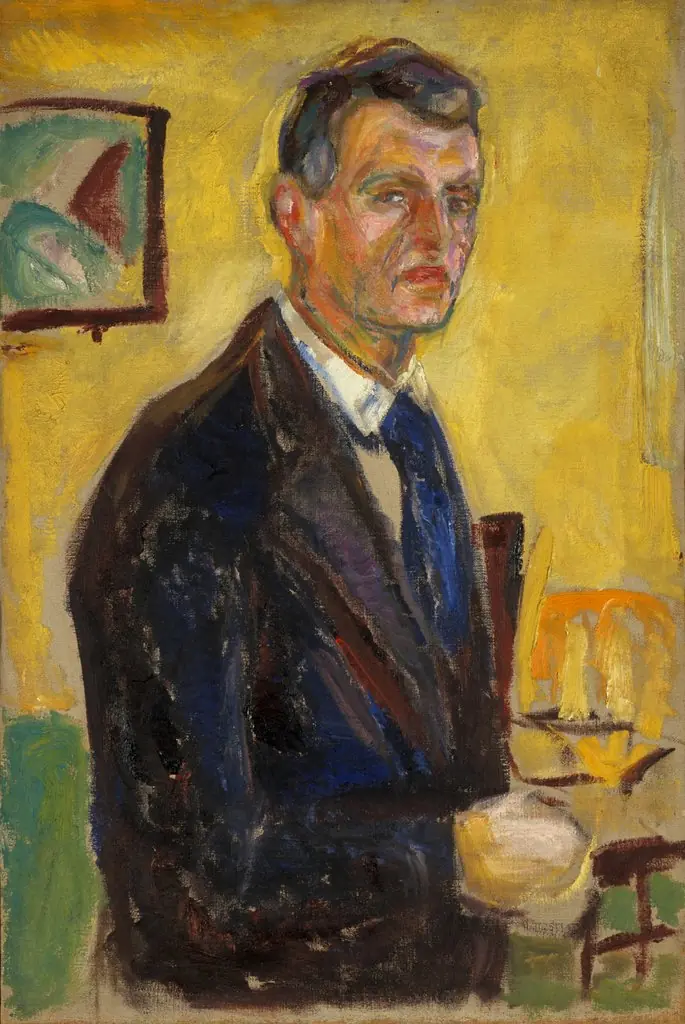
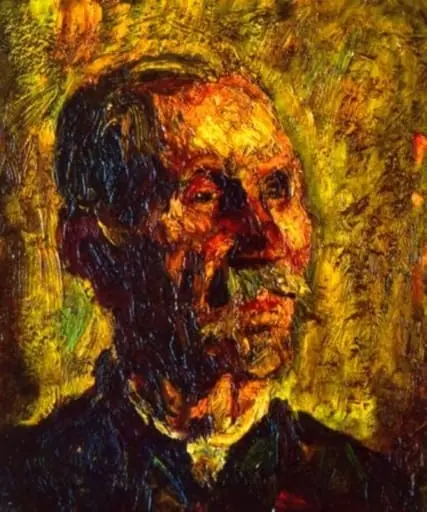
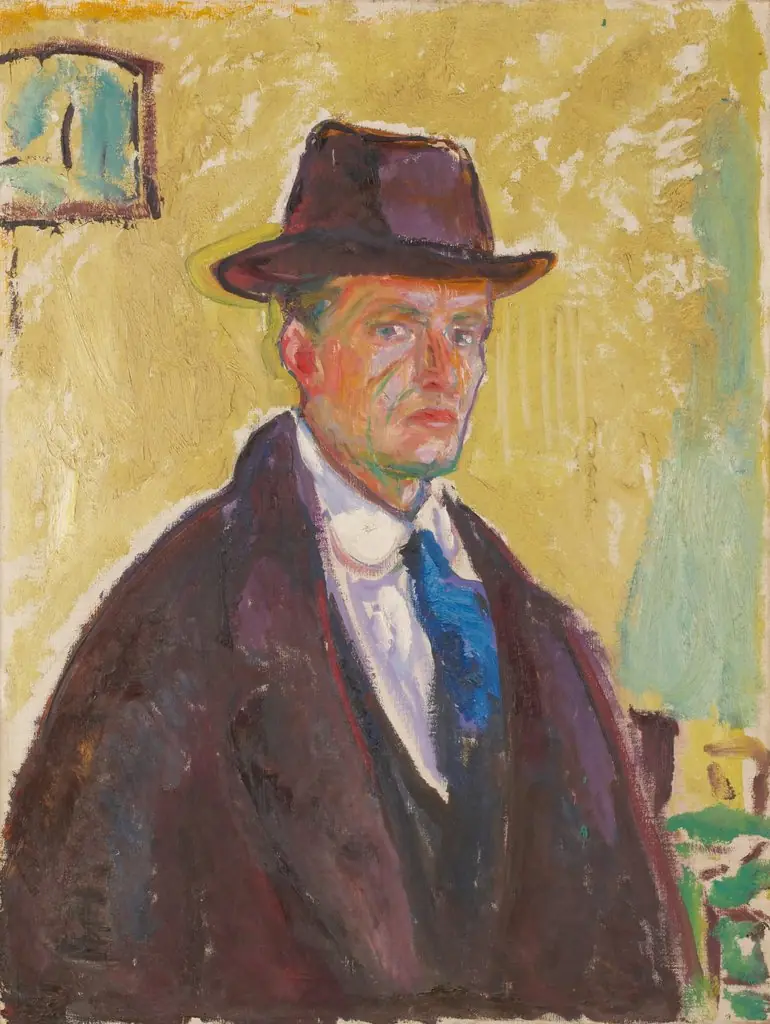
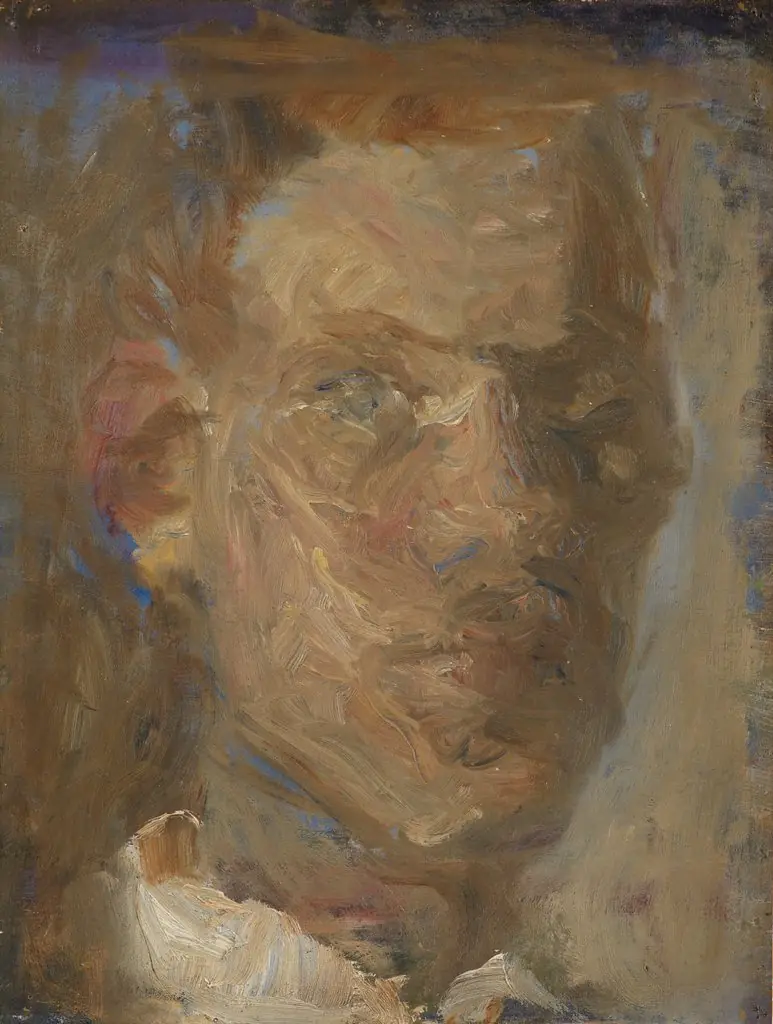
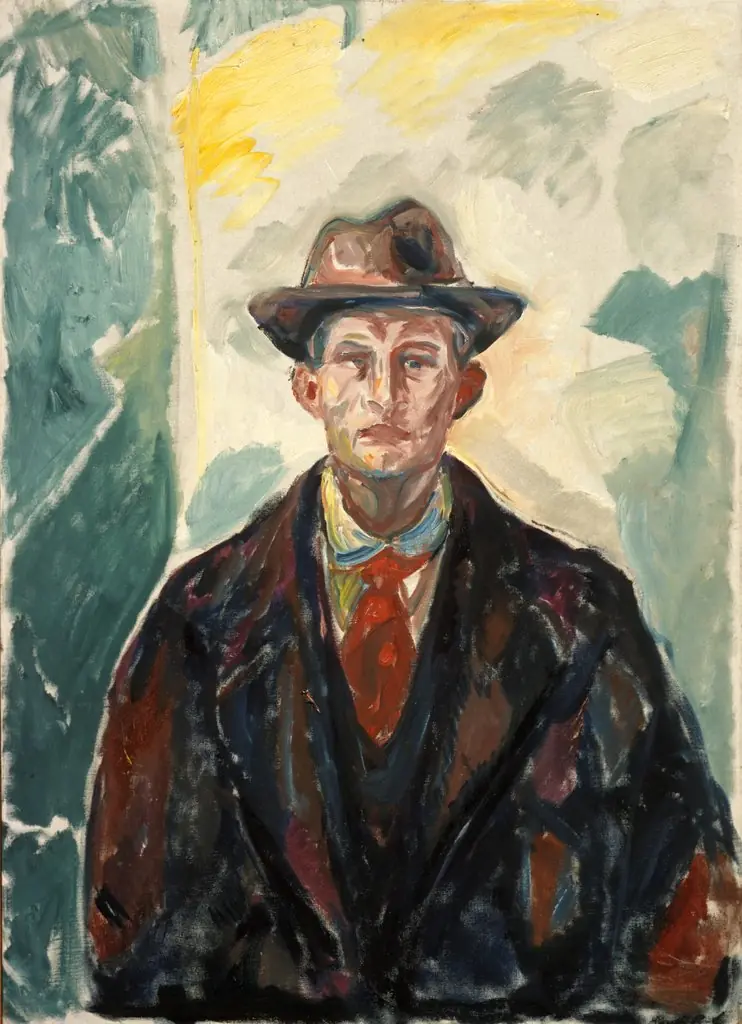
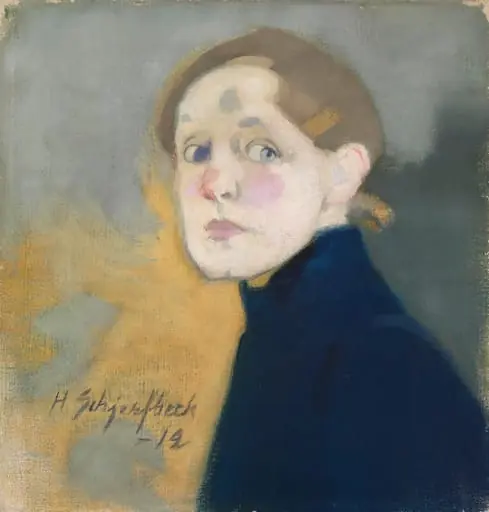
Omakuva is an unspecified painting by Magnus Enckell. It is held in the collection of the Finnish National Gallery. This self-portrait presents the artist from the chest upward, turned slightly to the right, with a composed, introspective expression.
About this work
Overview
The brushwork is deliberate, suggesting texture without overt detail, and the lighting enhances a sense of quiet stillness rather than dramatic intensity.
This self-portrait presents the artist from the chest upward, turned slightly to the right, with a composed, introspective expression. Rendered in oil, the figure wears a dark jacket over a white shirt, contrasting with a warm, luminous background of yellow and orange tones. The brushwork is deliberate, suggesting texture without overt detail, and the lighting enhances a sense of quiet stillness rather than dramatic intensity.
Subject & Meaning
The artist depicts himself alone, gazing outward with subdued focus, evoking an internal state rather than external engagement. The absence of props or narrative context directs attention to the face and posture, emphasizing self-reflection. The muted palette of the clothing and the soft illumination suggest a moment of solitude, inviting viewers to consider the psychological presence behind the gaze.
Technique & Style
The painting employs subtle gradations of color and soft transitions between light and shadow to model form, hinting at chiaroscuro without overt contrast. Brushstrokes are controlled yet visible, building surface texture in the fabric and skin without relying on fine detail. The warm background is applied with loose, atmospheric strokes, creating depth that recedes behind the figure without competing for attention.
History & Provenance
The work’s origin is tied to the artist’s personal studio practice during a period of introspective output. It remained in private hands until entering a public collection in the mid-20th century. No exhibition records or contemporary accounts from its creation survive, leaving its initial reception undocumented, though its preservation suggests it was regarded as significant by later custodians.
Context
Created during a time when many artists turned inward amid social and political upheaval, this portrait aligns with a broader trend of self-representation as a means of personal assertion. Unlike theatrical self-portraits of earlier centuries, this work avoids symbolism or grandeur, reflecting a modern preference for psychological realism and understated presence.
Legacy
Though not widely reproduced, the painting has influenced later artists interested in quiet self-representation. Its restrained palette and emphasis on emotional nuance over spectacle contributed to a shift in portraiture toward intimacy and psychological depth. It remains a reference point in studies of 20th-century self-portraiture that prioritize subtlety over spectacle.
Artist & collection
Artist
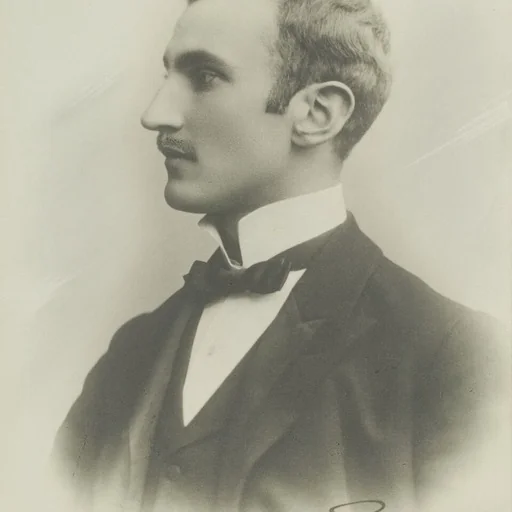
Knut Magnus Enckell (9 November 1870 – 27 November 1925) was a Finnish symbolist painter.