Artwork
Autoportret
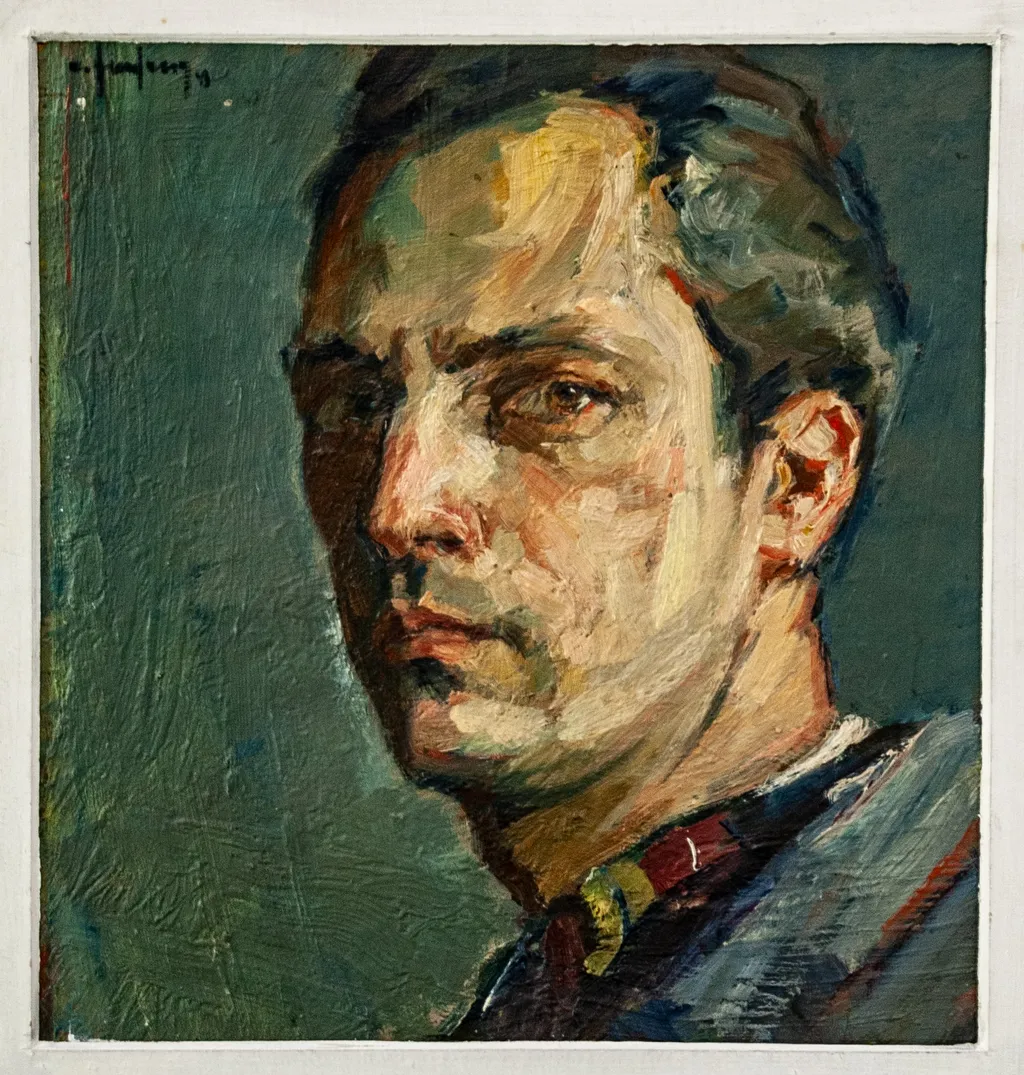
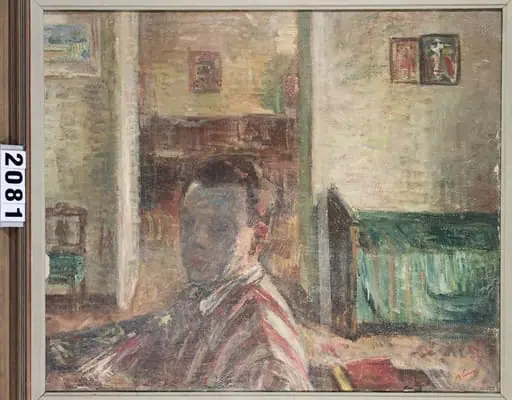
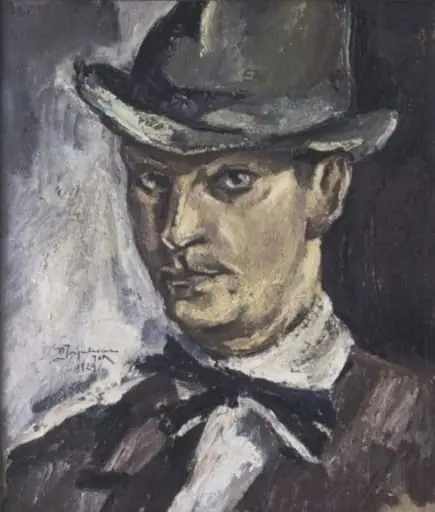
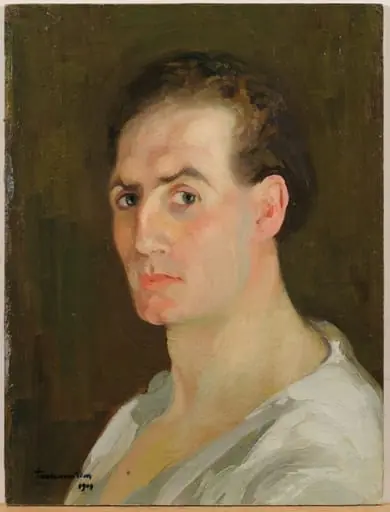
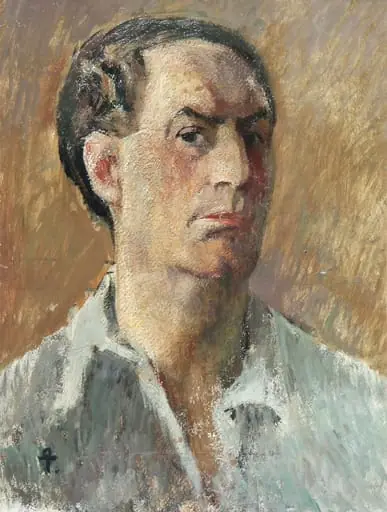
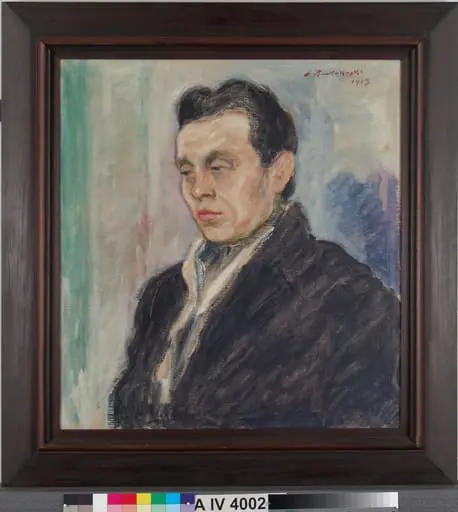
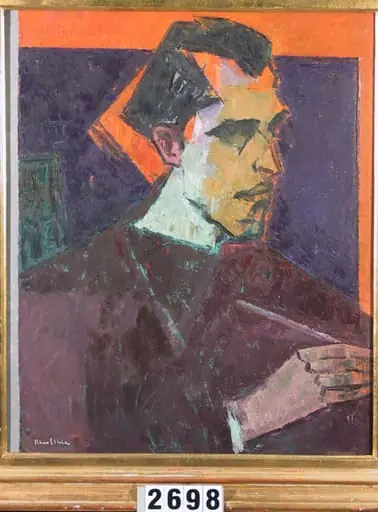
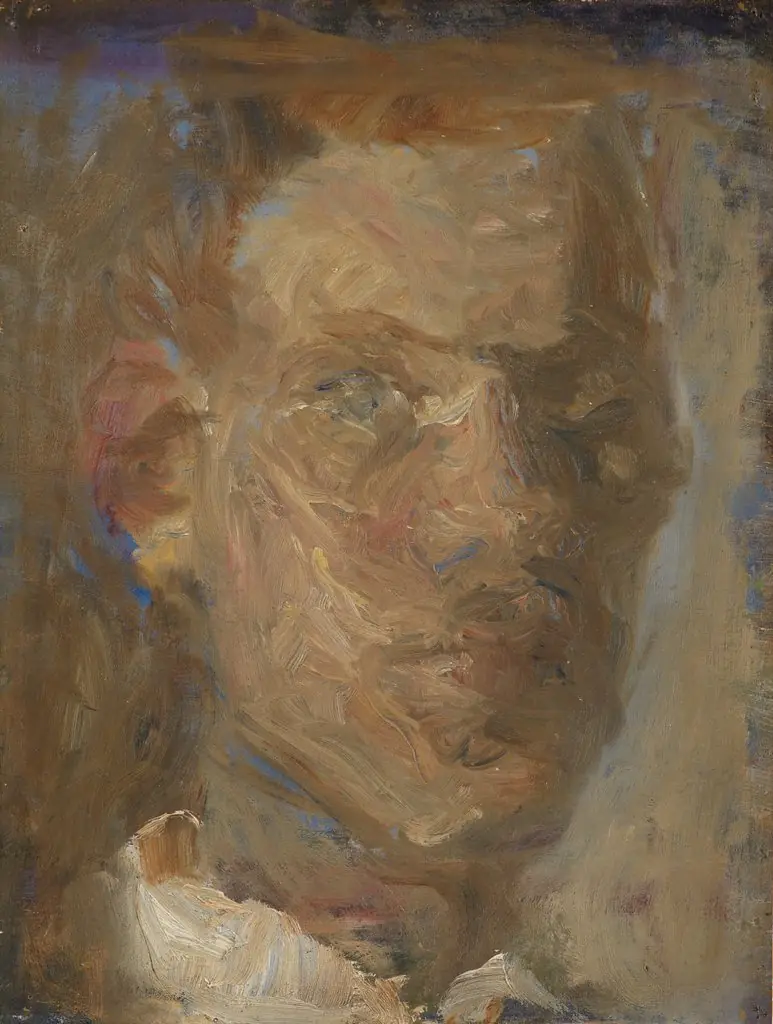
Autoportret is an unspecified painting by Nicolae Furduescu. It is held in the collection of the Gavrila Simion Eco-Museum Research Institute Tulcea. This self-portrait depicts the artist’s head and shoulders against a muted, dark green-gray background.
About this work
Overview
Thick, visible brushstrokes create a tactile surface, particularly on the skin and hair, suggesting immediacy rather than polished finish.
This self-portrait depicts the artist’s head and shoulders against a muted, dark green-gray background. The face is rendered in warm, earthy tones that contrast with the cool surroundings, drawing focus to the subject’s neutral gaze. Thick, visible brushstrokes create a tactile surface, particularly on the skin and hair, suggesting immediacy rather than polished finish. The technique conveys a sense of direct observation, as if captured in a single sitting.
Subject & Meaning
The subject is the artist themselves, presented without embellishment or dramatic gesture. The restrained expression and unadorned posture suggest introspection rather than performance. There is no indication of status, profession, or emotion beyond quiet presence. The work functions as a personal record, emphasizing authenticity over idealization, inviting the viewer to encounter the artist as they are, not as they wish to be seen.
Technique & Style
The painting employs impasto, with dense layers of pigment applied roughly to build texture on the face and hair. Brushwork is loose and energetic, avoiding smooth blending in favor of visible strokes that capture light and form through gesture. The dark collar and background recede, allowing the warmer tones of the skin and lips to advance. This approach prioritizes sensory immediacy over detail, aligning with a sketch-like sensibility.
History & Provenance
The work’s origin is tied to the artist’s personal practice, likely created during a period of self-examination or study. No documented exhibition or ownership history is widely known, suggesting it remained in private hands or was used as a preparatory study. Its survival reflects its value as an intimate artifact rather than a public commission, preserving a moment of unmediated self-representation.
Context
This portrait aligns with 19th- and early 20th-century trends in which artists turned inward, using self-portraiture to explore identity beyond societal roles. The loose handling echoes the influence of emerging modernist approaches that valued expression over refinement. While not part of a known movement, its style resonates with contemporaries who rejected academic polish in favor of direct, tactile representation.
Legacy
The painting contributes to a broader tradition of artist self-representation that values honesty over grandeur. Its unpolished technique influenced later generations seeking to capture psychological presence through material immediacy. Though not widely reproduced, it stands as an example of how personal, unassuming works can embody the quiet rigor of artistic self-inquiry.
Artist & collection
Artist
Nicolae Furduescu carved and stitched scenes of everyday life along the Dâmbovița riverbank.
Museum
Gavrila Simion Eco-Museum Research Institute Tulcea
Continue through works from the same source collection.