Artwork
H Beard Print Collection
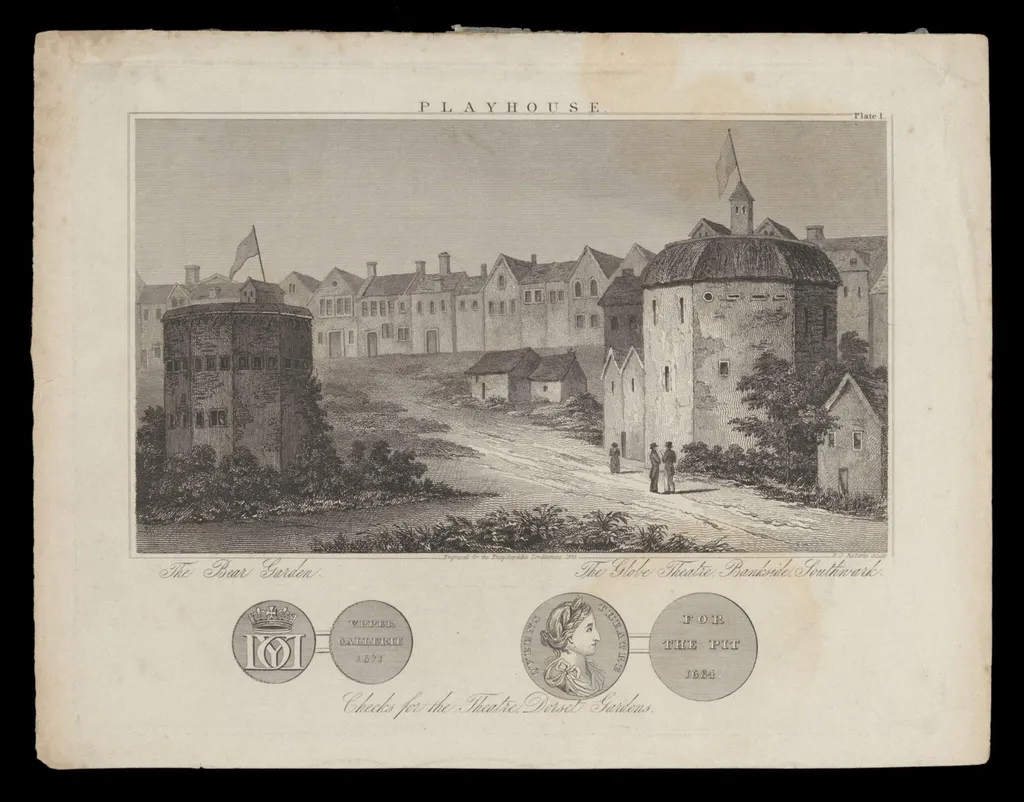
H Beard Print Collection is a print by the Romanticist artist Encyclopaedia Londinensis. It dates from 1825 and is held in the collection of the Victoria and Albert Museum.
About this work
This print is from 1825.
It's part of the H Beard Print Collection.
The print is held at the Victoria and Albert Museum, which suggests it has historical significance, and its age and rarity might make it interesting to art historians and enthusiasts of old prints.
You can learn more about this kind of print and its context by looking into the movement: Romanticism.
Overview
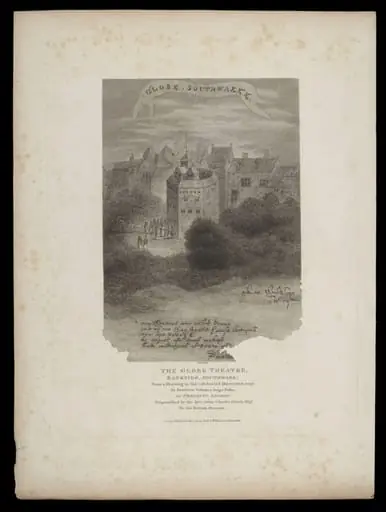
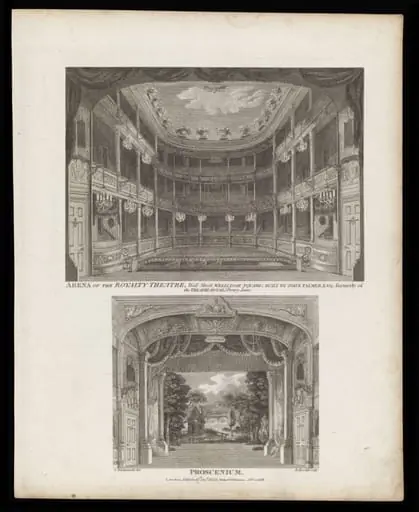
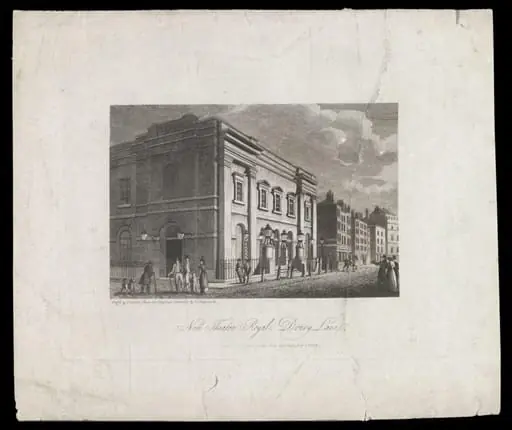
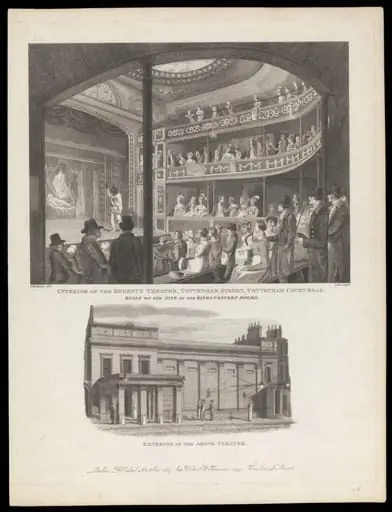
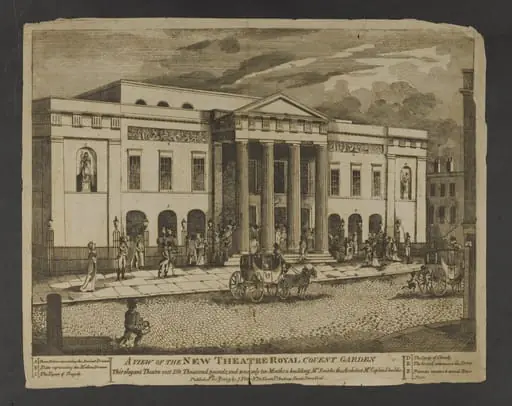
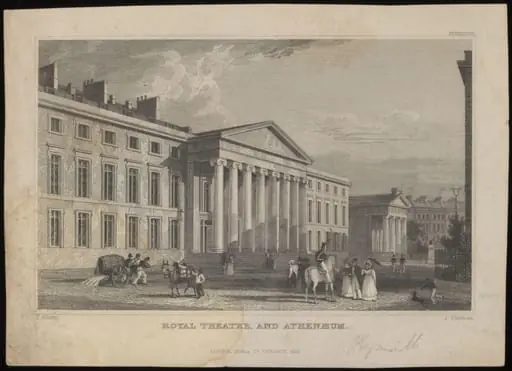
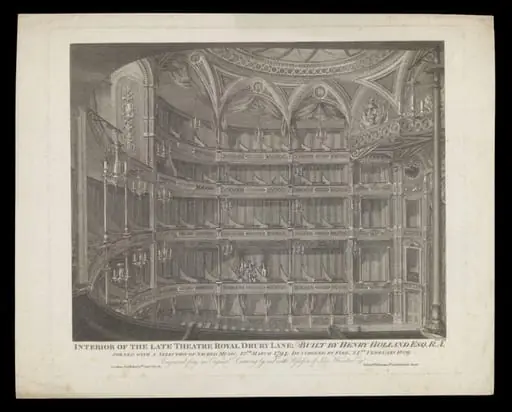
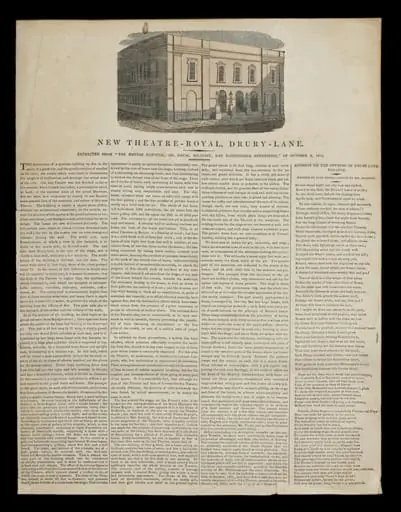
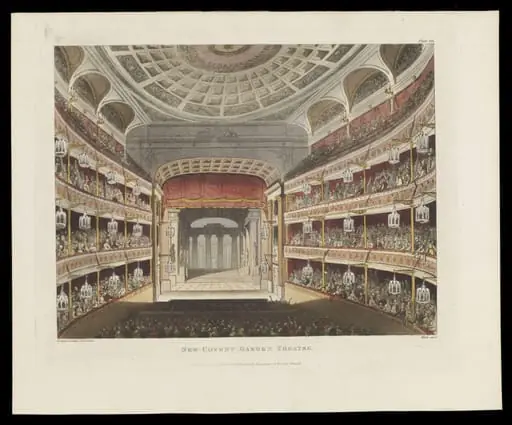
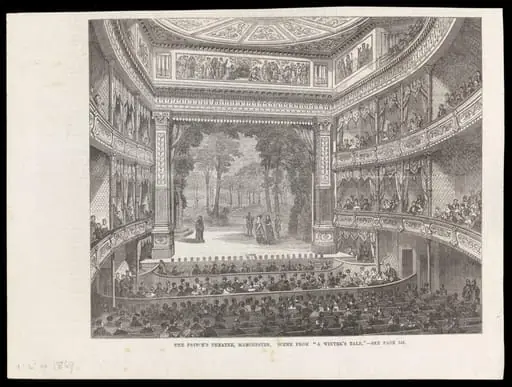
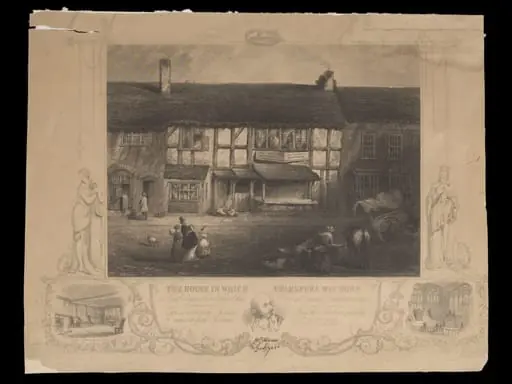
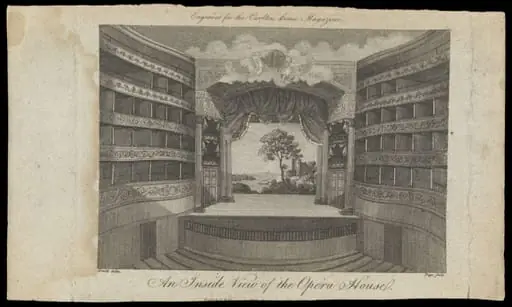
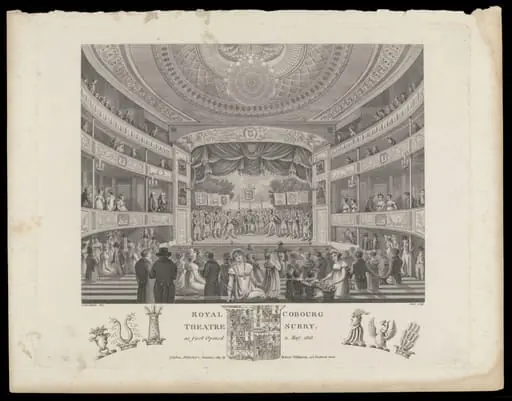
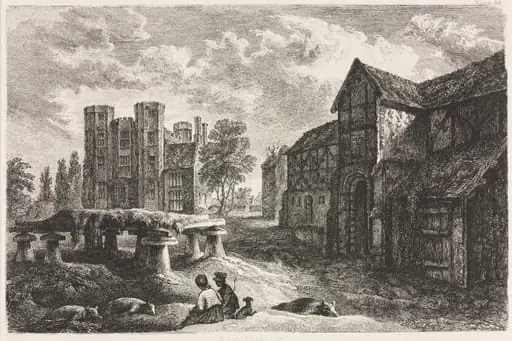
This 1825 print, catalogued within the H Beard Print Collection, presents a composite view of three notable London theatrical sites: The Bear Garden, the Globe Theatre, and the Dorset Gardens Theatre, the latter indicated by two ticket‑like checks. The work is part of the Victoria and Albert Museum’s holdings, reflecting its relevance to the study of early nineteenth‑century printmaking.
Subject & Meaning
The composition juxtaposes three performance venues that were central to London’s entertainment culture in the early 1800s. By including the Bear Garden, a venue associated with animal baiting, alongside the historic Globe and the more fashionable Dorset Gardens, the print offers a visual commentary on the diversity of public amusements and the evolving tastes of the period.
Technique & Style
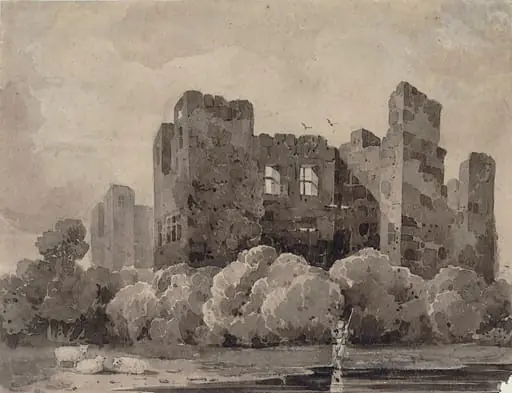
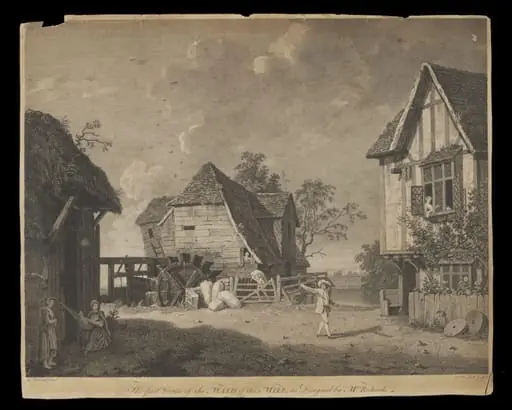
Executed as a single‑plate print, the image employs line work typical of Romantic-era urban vistas, emphasizing dramatic contrast and atmospheric perspective. The rendering of architectural details and the inclusion of the check motifs demonstrate a blend of documentary precision with the era’s fascination for the picturesque and the emotive representation of city life.
History & Provenance
Created in 1825, the print entered the H Beard Print Collection before being acquired by the Victoria and Albert Museum, where it remains. Its survival in a major museum collection underscores its value as a historical record of London’s theatrical landscape and as an example of early nineteenth‑century print production.
Context
The work belongs to the Romantic period, a time when artists increasingly explored urban scenes and the emotional resonance of public spaces. Prints like this served both as souvenirs for theatre‑goers and as visual documentation for a public fascinated by the rapid changes in city architecture and entertainment venues.
Artist & collection