Artwork
Kenilworth
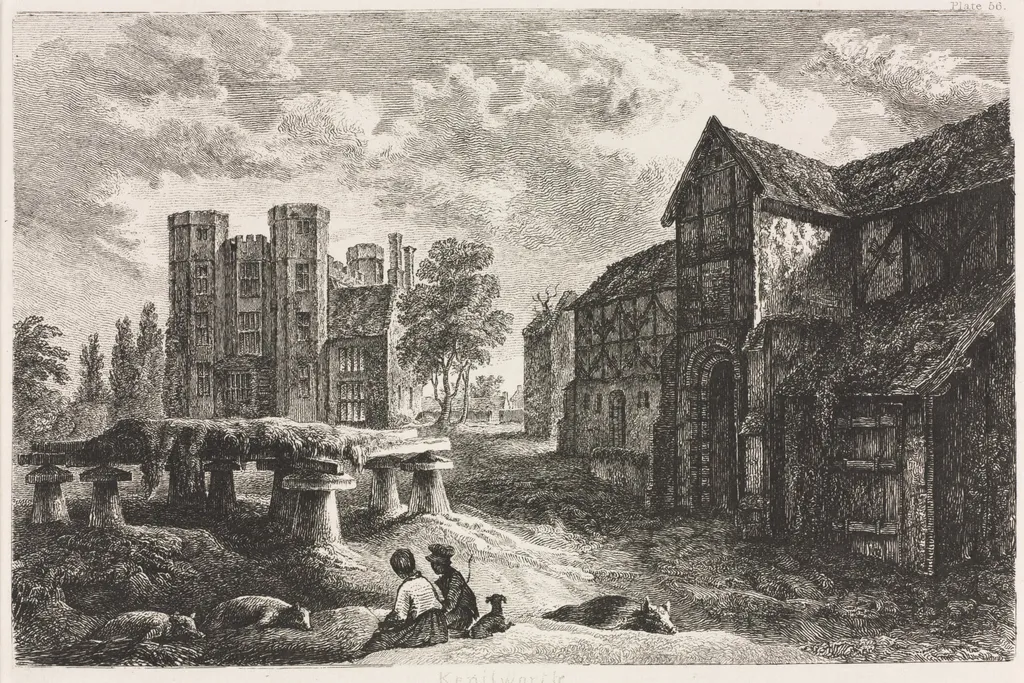
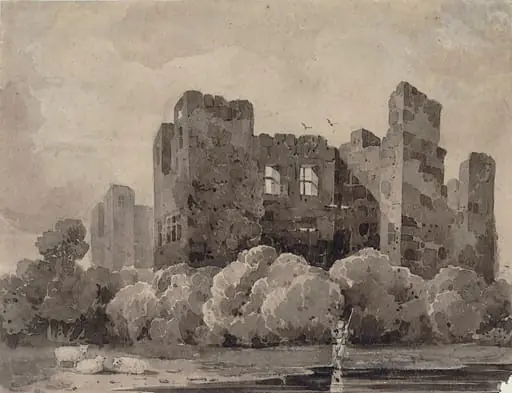
Kenilworth is a print by the Romanticist artist George II Cuitt. It dates from 1827 and is held in the collection of the Cleveland Museum of Art.
About this work
Overview
Kenilworth is an 1827 etching by George Cuitt the Younger, a British artist known for architectural prints, depicting the medieval ruins of Kenilworth Castle in a picturesque setting.
Subject & Meaning
The etching captures the historic castle's detailed architecture amidst natural surroundings, conveying a sense of peaceful, romanticized interaction between the built past and present leisure, as symbolized by a couple and their dogs in the foreground.
Technique & Style
Executed in black and white, the work showcases Cuitt's etching skills, influenced by Piranesi's Roman Antiquities and characterized by dramatic lighting and shading, aligning with Romanticism's emphasis on mood and atmosphere.
History & Provenance
Created in 1827 by George Cuitt the Younger, following his earlier series on regional buildings, with the artist's background including drawing instruction in Chester and familial artistic influence.
Context
Part of a broader 19th-century interest in antiquities and landscapes, Kenilworth reflects the Romantic era's fascination with history, nature, and the sublime, often depicted in etchings of the time.
Legacy
While specific lasting impact of Kenilworth on the art world is not widely documented, it represents Cuitt's contribution to the archival and aesthetic documentation of British architectural heritage through Romantic-era etching.
Artist & collection
Artist
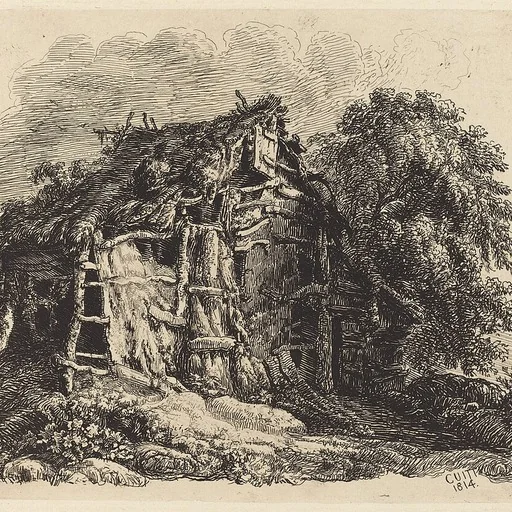
George Cuitt the Younger (1779 – 1854) was an etcher and painter. He was born at Richmond, in Yorkshire in 1779, the only son of painter George Cuitt the Elder. He followed his father's profession from his youth and…

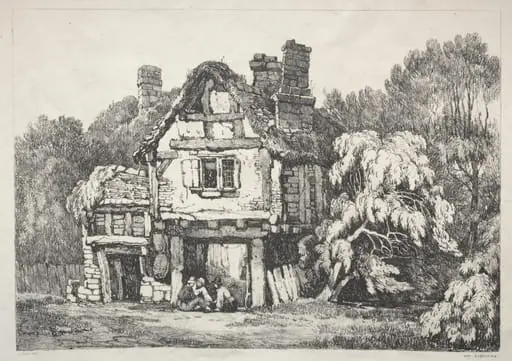 A Series of Ancient Buildings and Rural Cottages in the North of England: Near Ashbourn
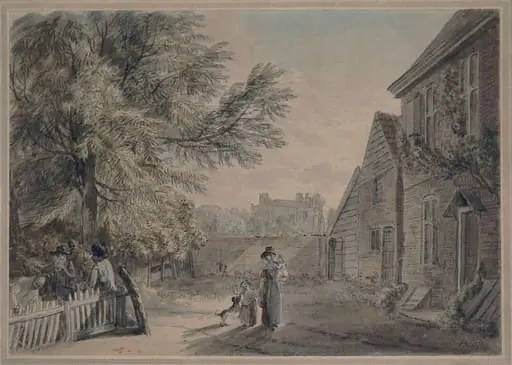 Old Public House, Bayswater
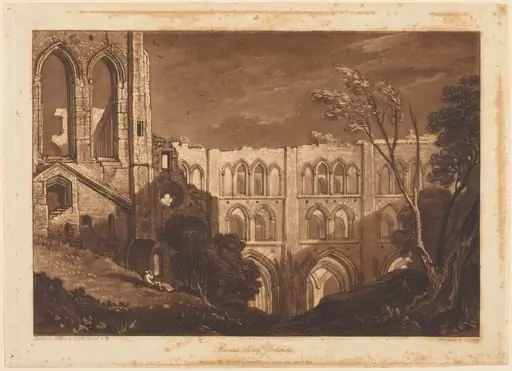 Rivaux Abbey
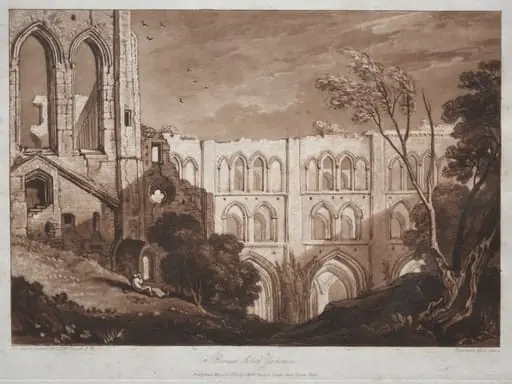 Liber Studiorum: Rivaux Abbey, Yorkshire
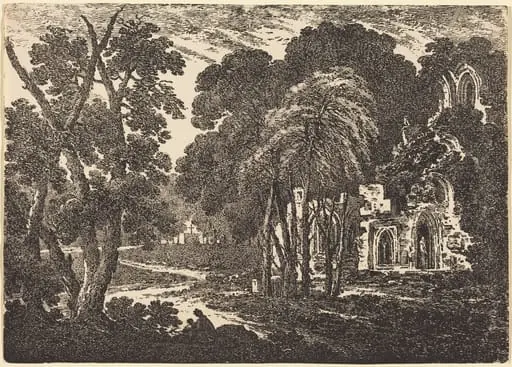 Ruined Abbey among Trees
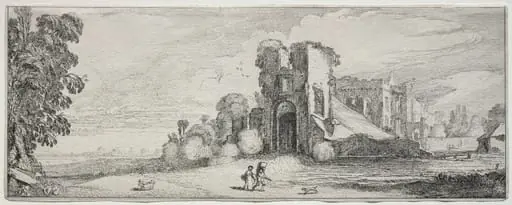 Some Pleasing Landscapes and Ruins of Ancient Monuments: Brederode Castle
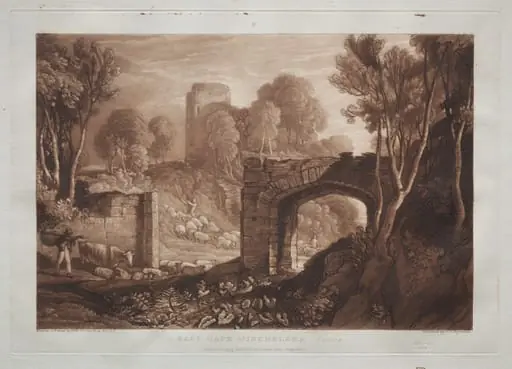 Liber Studiorum: East Gate, Winchelsea, Sussex
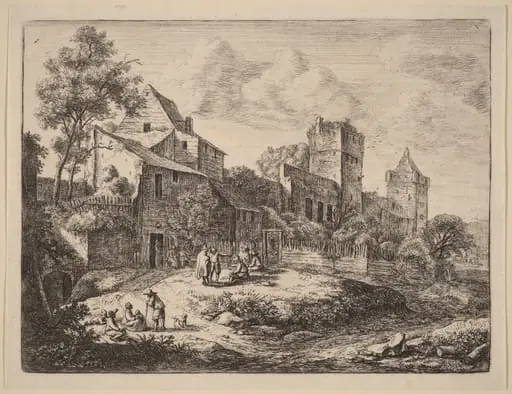 Square in Front of an Inn
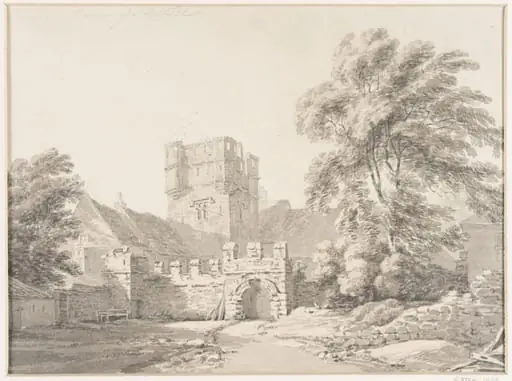 Mortham Tower, near Rokeby, Yorkshire.
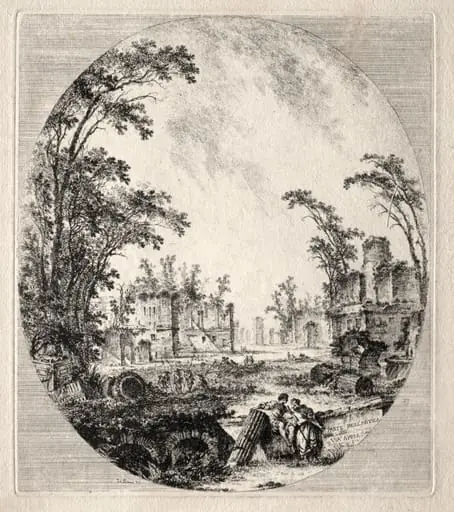 Part of the Old Appian Way
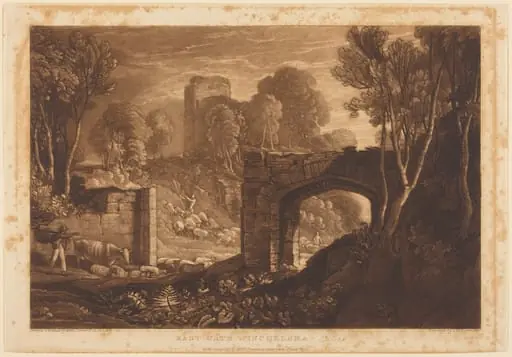 East Gate, Winchelsea
 Kenilworth Castle