Artwork
Χωρίς τίτλο
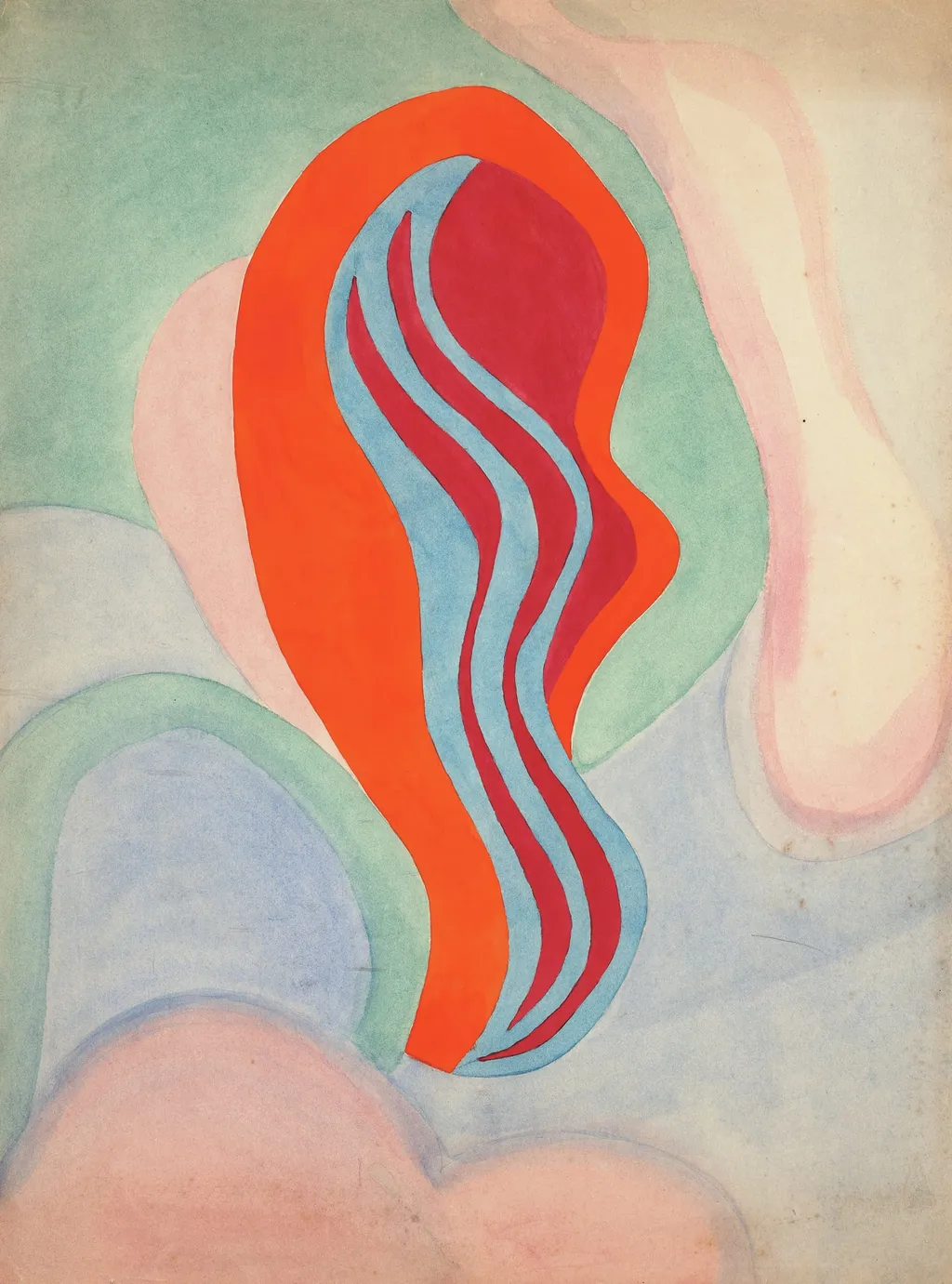
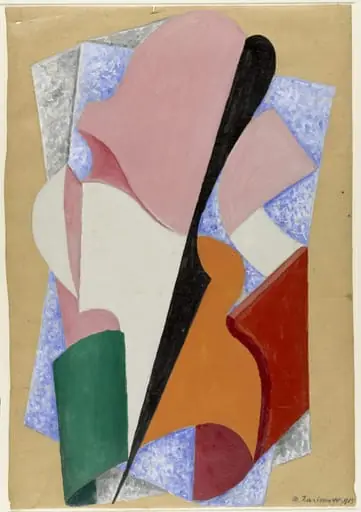
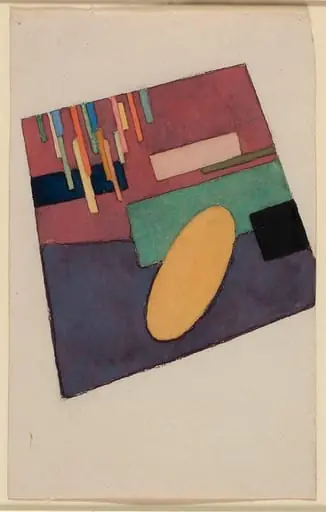
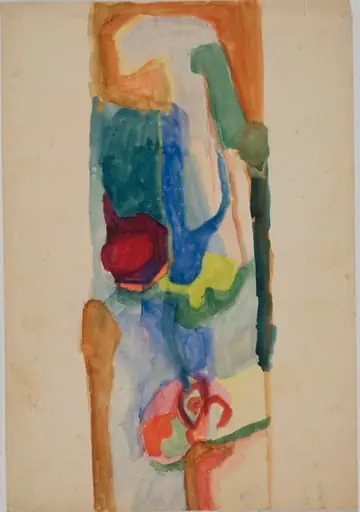
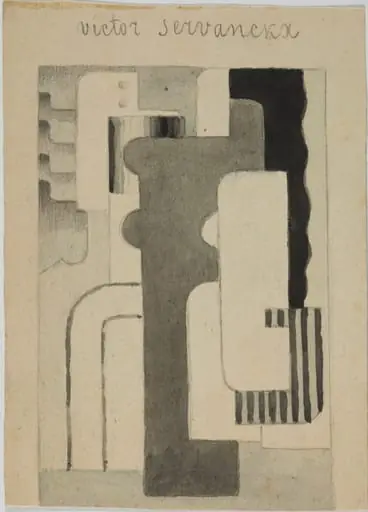
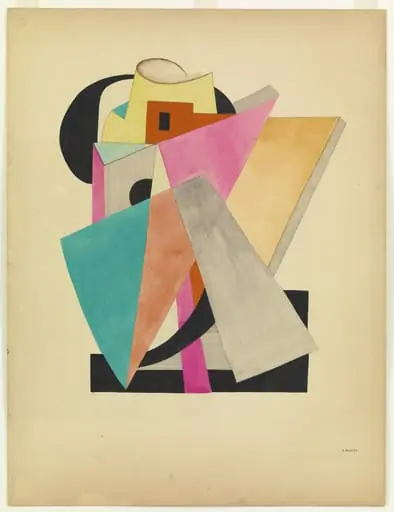
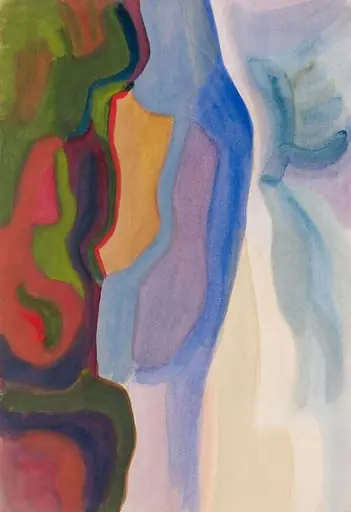
Χωρίς τίτλο is a drawing by Boris Ender. It dates from 1936 and is held in the collection of the Metropolitan Organisation of Museums of Visual Arts of Thessaloniki – MOMus.
About this work
Overview
This untitled drawing by Boris Ender presents a fluid, amoeba-like form that seems to emerge from the paper’s surface. Its edges dissolve into the surrounding space, suggesting continuous growth rather than containment. The composition avoids sharp boundaries, instead favoring a sense of organic expansion, as if the form is both developing and dispersing simultaneously.
Subject & Meaning
Its centrifugal motion implies internal energy pushing outward, while the surrounding air currents suggest an invisible atmosphere interacting with the form.
The central form evokes biological processes—cellular division, embryonic development—within a protected, aqueous environment. Its centrifugal motion implies internal energy pushing outward, while the surrounding air currents suggest an invisible atmosphere interacting with the form. The imagery resonates with biological metaphors of life’s early stages, though it resists literal interpretation, remaining abstract and open-ended.
Technique & Style
Ender employs delicate, flowing lines to define the organism’s contours, creating a sense of softness and vulnerability. The lines are not rigid outlines but rather suggestive traces, allowing the form to feel porous and in motion. Subtle variations in line weight and density imply texture and depth without relying on shading, aligning with a restrained, almost scientific draftsmanship.
History & Provenance
The work originates from Boris Ender’s broader exploration of biological abstraction during the early 20th century, a period when artists increasingly turned to scientific imagery for formal inspiration. Though little documented in public archives, the drawing aligns with his known interest in microscopic life and the visual language of embryology, likely produced during his time in Central European artistic circles.
Context
Ender’s approach reflects broader interwar interests in biology and psychology, where artists sought to visualize unseen natural processes. His work shares affinities with contemporaries who merged scientific observation with surreal sensibilities, though he avoids overt symbolism. The drawing’s quiet abstraction contrasts with the more theatrical morphologies of Dali, favoring subtlety over spectacle.
Legacy
While not widely exhibited, this drawing contributes to a lesser-known strand of modernist art that privileged biological forms as vehicles for formal experimentation. Its restrained aesthetic influenced later generations interested in the intersection of science and abstraction, particularly those exploring the visual representation of cellular and microscopic phenomena without narrative or allegory.
Artist & collection
Artist
Boris Vladimirovich Ender was a Russian avant-garde painter and a pioneer of biomorphic abstraction.
Museum
Metropolitan Organisation of Museums of Visual Arts of Thessaloniki – MOMus
Continue through works from the same source collection.