Artwork
Χωρίς τίτλο
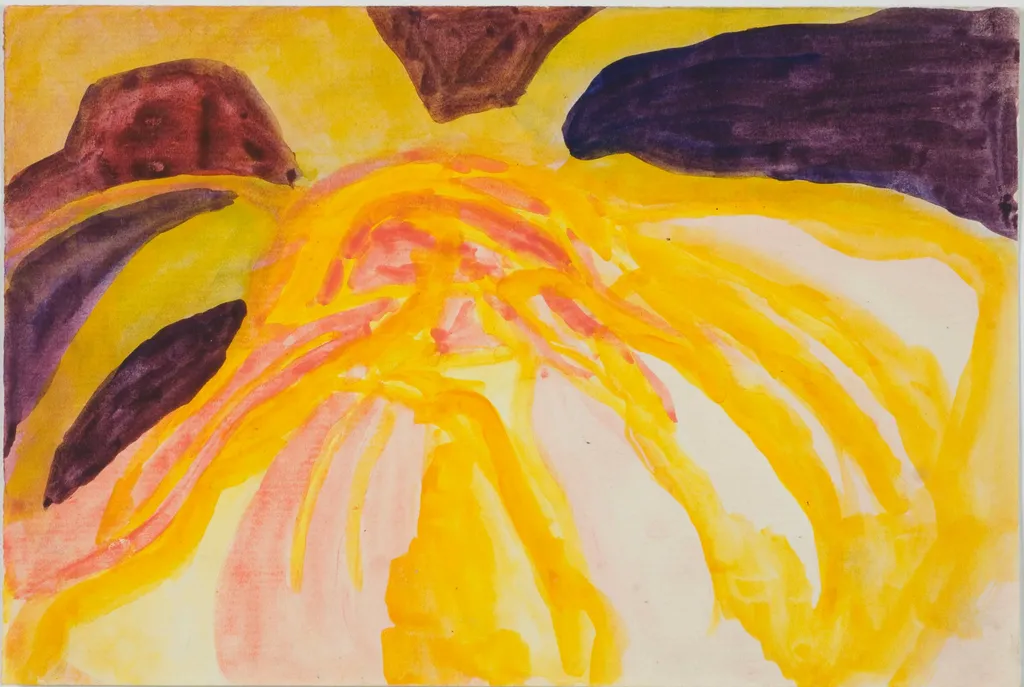
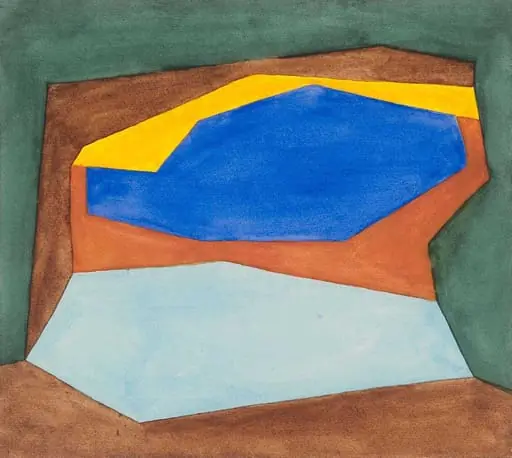
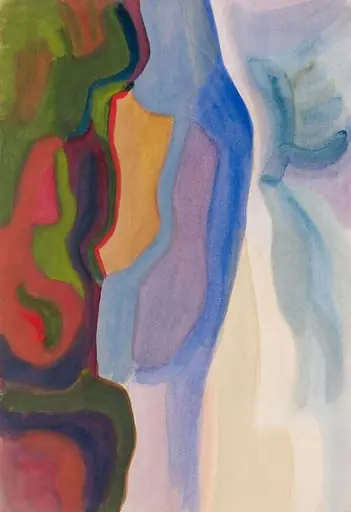
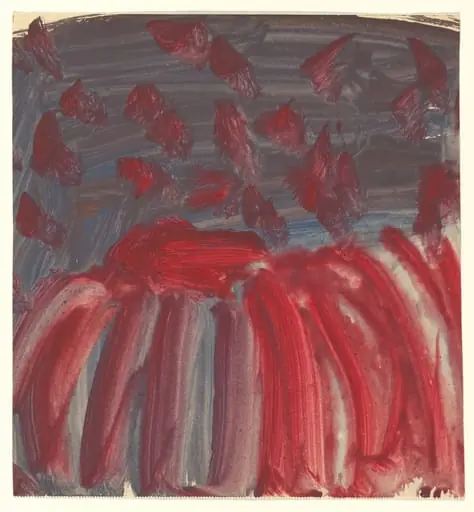
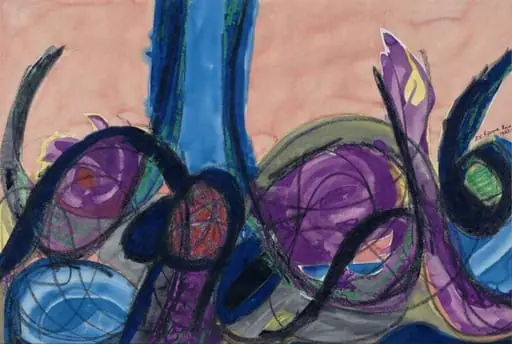
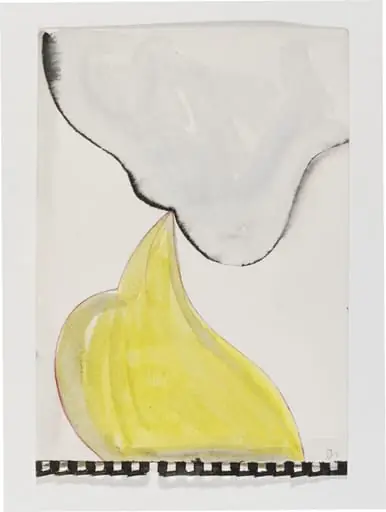
Χωρίς τίτλο is an unspecified painting by the Constructivist artist Ksenia Ender. It dates from 1924 and is held in the collection of the Metropolitan Organisation of Museums of Visual Arts of Thessaloniki – MOMus.
About this work
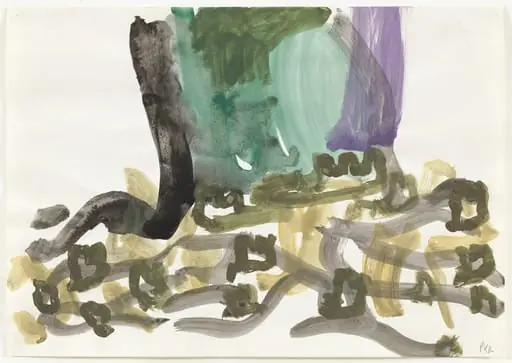
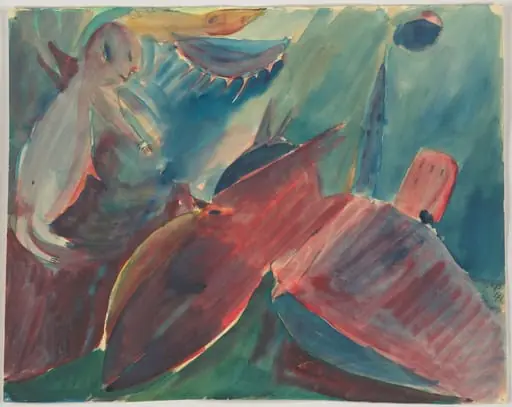
This painting shows shapes and forms in a simple composition.
The artist used basic colors to create a sense of depth.
The artist was part of a group that experimented with non-objective art, which was different from other art styles at the time.
You can learn more about this style by looking at the work of artist: Ender, Ksenia (1895-1955)
Overview
The untitled work originates from the school of the Russian artist Matiushin, whose teaching emphasized a universal perception of volumes and forms through an expanded visual field. In this approach, objects are conceived as extensions of the cosmos, and the composition reflects that integration by arranging shapes in a straightforward, almost diagrammatic manner.
Subject & Meaning
The image presents a series of geometric elements placed horizontally and vertically, each traced on paper to record its position and relational coordinates. Rather than depicting a recognizable scene, the work seeks to translate the natural gestures of the world into visual language, using color and line to echo organic laws rather than literal representation.
Technique & Style
Color is applied according to principles derived from natural phenomena, allowing hue and texture to function in harmony with the composition’s internal logic.
Matiushin’s method favors curved lines over straight ones, establishing the structural backbone of the piece. Color is applied according to principles derived from natural phenomena, allowing hue and texture to function in harmony with the composition’s internal logic. This non‑objective approach distinguishes the work from contemporary Suprematist tendencies, aligning it more closely with the experimental practices of Ksenia Ender and her peers.
History & Provenance
The artist’s school achieved its most significant output during the 1920s, a period of intense social and ideological transformation in Russia. Workshops and technical studios of the era facilitated the free exchange of ideas, and Matiushin’s instruction of Ender’s student Xenia Ender helped disseminate his theories on representing organisms through color and form.
Context
Set against the backdrop of post‑revolutionary Russia, the piece reflects a broader movement toward abstract, non‑representational art that aimed to redefine the relationship between the painter’s surface and the natural world. The emphasis on the canvas as an integral part of nature mirrors contemporary debates about the role of art in a rapidly changing society.
Own this work as a print
Artist & collection
Museum
Metropolitan Organisation of Museums of Visual Arts of Thessaloniki – MOMus
Continue through works from the same source collection.