Artwork
Χωρίς τίτλο
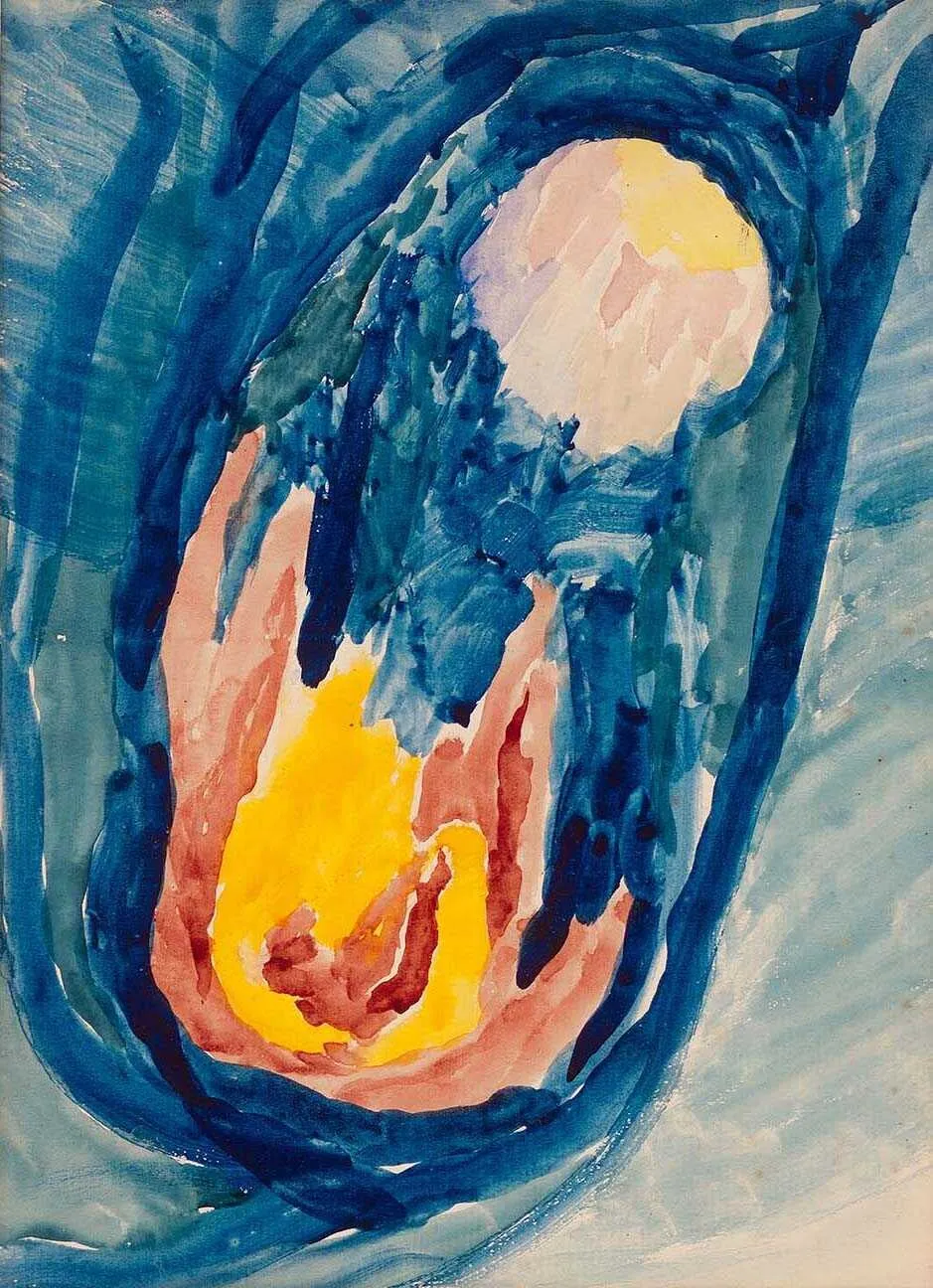
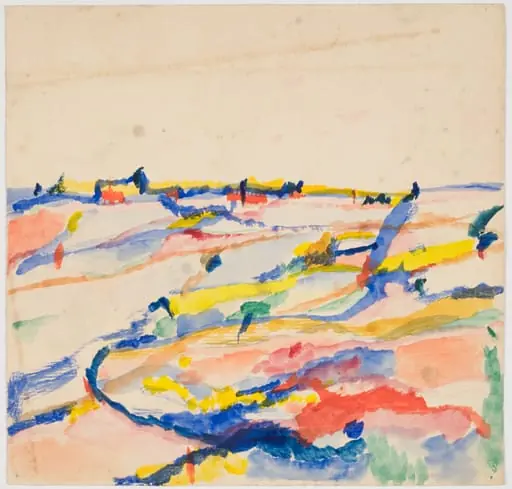
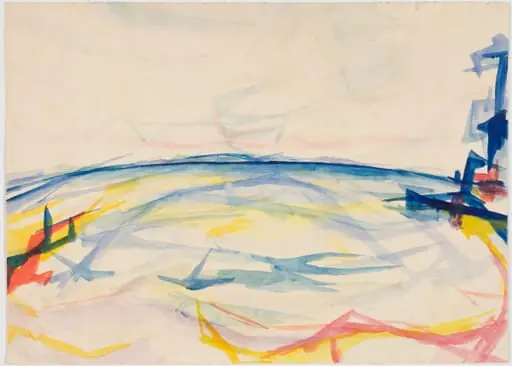
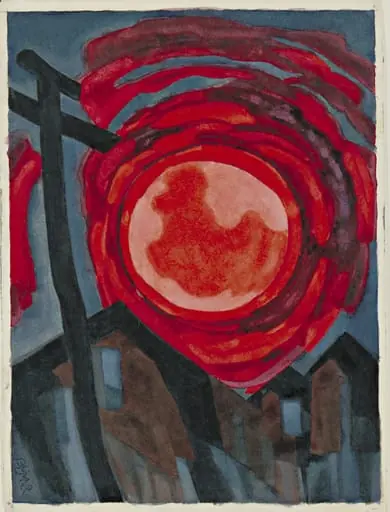
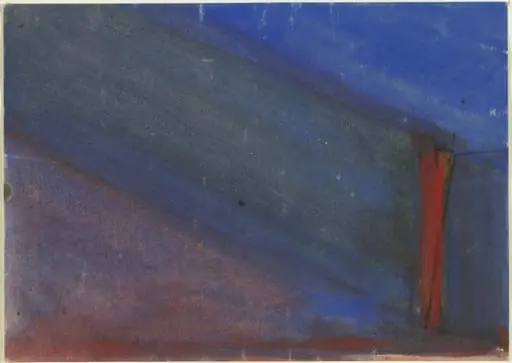
Χωρίς τίτλο is a drawing by Yurii Ender. It dates from 1940 and is held in the collection of the Metropolitan Organisation of Museums of Visual Arts of Thessaloniki – MOMus.
About this work
The lines pull your eye in circles, making you feel movement without showing a real thing.
This drawing swirls with black lines that twist and loop like tangled vines. It’s a study of motion, not a finished picture. The lines pull your eye in circles, making you feel movement without showing a real thing.
Yurii Ender trained under Mikhail Matiushin. They explored how colors and shapes shift in nature. This work feels alive, like watching clouds change shape.
Try looking up Ender, Yurii (1898-1963) next.
Overview
Yurii Ender (1898–1963) was among the earliest students at the Free State Art Workshops in Petrograd, where he studied under Mikhail Matiushin from 1918 to 1922. Though his time in the program was brief, he deeply engaged with Matiushin’s theories on expanded vision, seeking to translate sensory experiences of nature—particularly the interplay of sound and color—into visual form. His works, including this untitled drawing, function as dynamic records of perception rather than static compositions.
Subject & Meaning
The drawing captures no identifiable object but conveys motion through swirling black lines that coil and intersect like organic tendrils. It reflects Ender’s interest in how auditory frequencies influence chromatic perception, translating atmospheric tones into visual rhythm. The piece evokes the sensation of natural change—wind, shifting light, or distant sound—without depicting any literal subject, instead inviting the viewer to sense movement as a physical and sensory phenomenon.
Technique & Style
Executed in ink or charcoal, the work relies on fluid, continuous lines that loop and spiral without clear beginning or end. The absence of color in this study contrasts with Ender’s broader exploration of chromatic tonality, suggesting a focus on structure and motion before hue. The lines are not decorative but analytical, mapping the flow of energy and perception rather than representing form, aligning with Matiushin’s experimental approach to visualizing sensory data.
History & Provenance
Ender’s work emerged from the radical pedagogical environment of the Free State Art Workshops, founded in post-revolutionary Petrograd. His contributions, though not widely documented, were part of a small circle investigating synesthetic perception. This drawing likely dates to his early years in the program, when he was actively testing Matiushin’s theories through direct observation and sketching outdoors, a practice later described by scholar Ala Povelikhina as 'Colorful Sounds of Nature'.
Context
Matiushin’s theory of expanded vision rejected traditional representation in favor of holistic sensory engagement, urging artists to perceive color, sound, and movement as interwoven phenomena. Ender’s work fits within this broader movement of early 20th-century Russian avant-garde experimentation, which sought to dissolve boundaries between art, science, and perception. His focus on sound-color correlations aligned with contemporaneous inquiries in synesthesia and sensory psychology.
Legacy
Ender’s drawings remain rare but significant as direct expressions of Matiushin’s pedagogical ideals. They offer insight into a lesser-known strand of Russian modernism that prioritized perceptual process over finished product. While his name is not widely recognized today, his work contributes to a deeper understanding of how early Soviet artists attempted to map the invisible forces of nature through abstract visual language.
Artist & collection
Museum
Metropolitan Organisation of Museums of Visual Arts of Thessaloniki – MOMus
Continue through works from the same source collection.