Artwork
An Allegorical Wedding- Sketch for a carpet dedicated to Mr. and Mrs. David Wolffsohn Triptych (from...
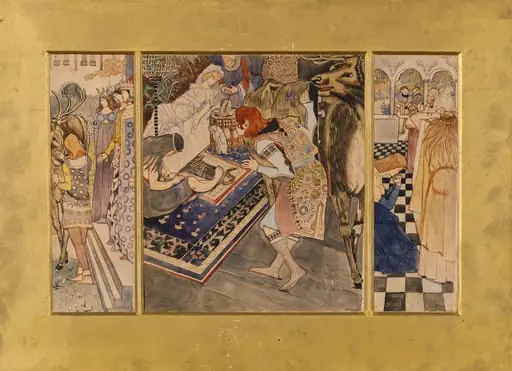
An Allegorical Wedding- Sketch for a carpet dedicated to Mr. and Mrs. David Wolffsohn Triptych (from... is a charcoal painting by the Art Nouveau artist Ephraim Moses Lilien. It dates from 1906 and is held in the collection of the Israel Museum.
About this work
Overview
Though executed in monochrome, the composition suggests a richly colored textile, structured as a triptych with symbolic elements arranged across three panels.
Created in 1906 by Ephraim Moses Lilien, this pencil sketch was intended as a design for a woven carpet honoring David and Rosa Wolffsohn, prominent figures in early Zionist circles. Though executed in monochrome, the composition suggests a richly colored textile, structured as a triptych with symbolic elements arranged across three panels. Lilien’s work bridges decorative art and nationalist sentiment, reflecting his dual role as an illustrator and cultural activist.
Subject & Meaning
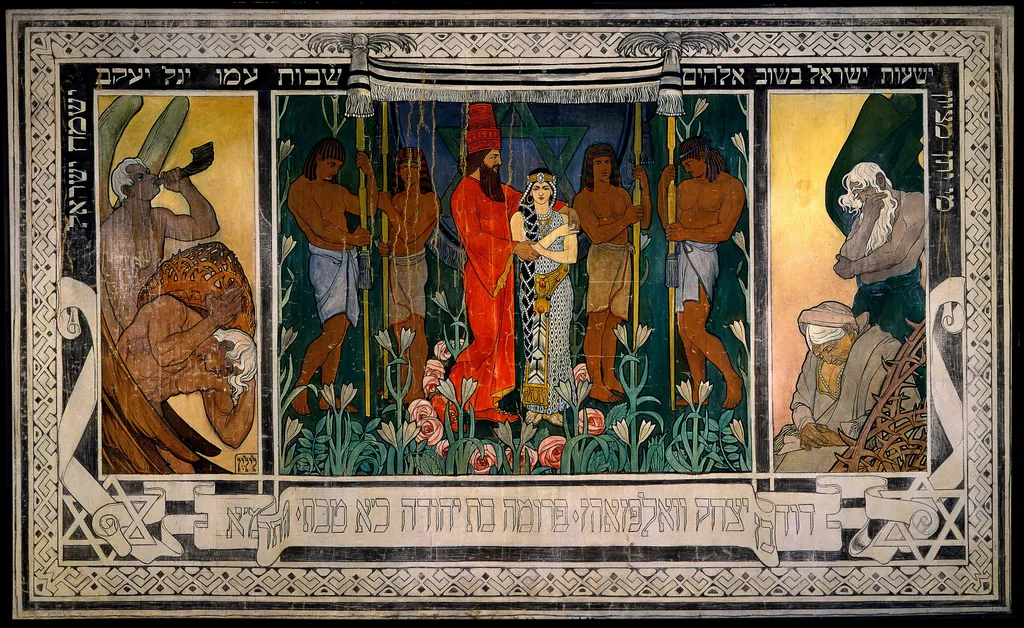
The central panel portrays a man and woman in red and white garments, likely symbolizing the Wolffsohns, flanked by six figures holding vertical poles—possibly evoking banners or Torah staves. To the left, a horn-blower suggests proclamation or celebration; to the right, an elderly man with a white beard may represent tradition or wisdom. The arrangement implies a ceremonial union, blending personal tribute with broader Jewish cultural renewal.
Technique & Style
Rendered entirely in pencil, the drawing employs fluid, sinuous lines characteristic of Art Nouveau, with rhythmic contours defining figures and drapery. Despite its monochrome medium, the composition suggests color through contrast and pattern, particularly in the layered garments and background gradients. Delicate hatching and bold outlines create depth and motion, guiding the viewer’s eye across the triptych’s narrative zones.
History & Provenance
The sketch was produced as a preparatory design for a textile commission tied to the Zionist movement’s cultural initiatives. It entered the collection of the Israel Museum in Jerusalem, where it remains as part of a broader archive of Lilien’s work. Its survival as a standalone drawing underscores its value as both artistic proposal and historical artifact of early 20th-century Jewish identity formation.
Context
Lilien worked during a period when Jewish artists sought to forge a visual language rooted in biblical and folk traditions, yet aligned with contemporary European styles. This sketch emerged alongside efforts to establish Jewish cultural institutions in Palestine, where decorative arts were seen as tools for national expression. The Wolffsohns’ patronage reflected a broader trend of elite support for Zionist cultural projects.
Legacy
Though the carpet was never woven, the sketch endures as a testament to Lilien’s vision of Jewish art as both sacred and secular. It exemplifies how early Zionist artists used allegory and ornament to connect historical memory with modern aspirations. The work continues to inform scholarship on the intersection of design, identity, and political ideology in Jewish cultural history.
Artist & collection
Artist
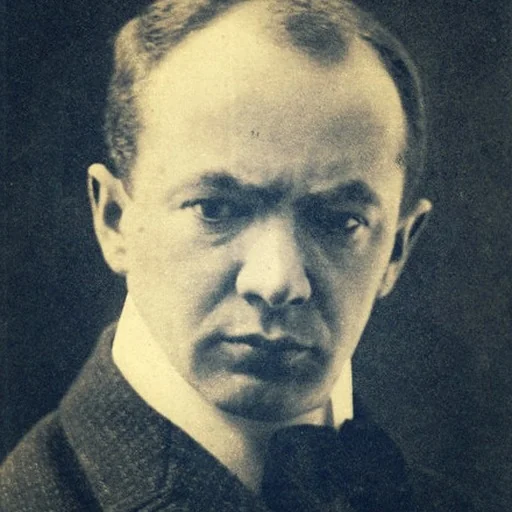
Maurycy "Ephraim Moses" Lilien (Polish: ; Hebrew: אפרים משה ליליין; 23 May 1874 – 18 July 1925) was a Polish-Jewish Art Nouveau illustrator and printmaker particularly noted for his art on Jewish themes and his influence on the Bezalel…

 CERBUL DE AUR
 The Lodge of St John
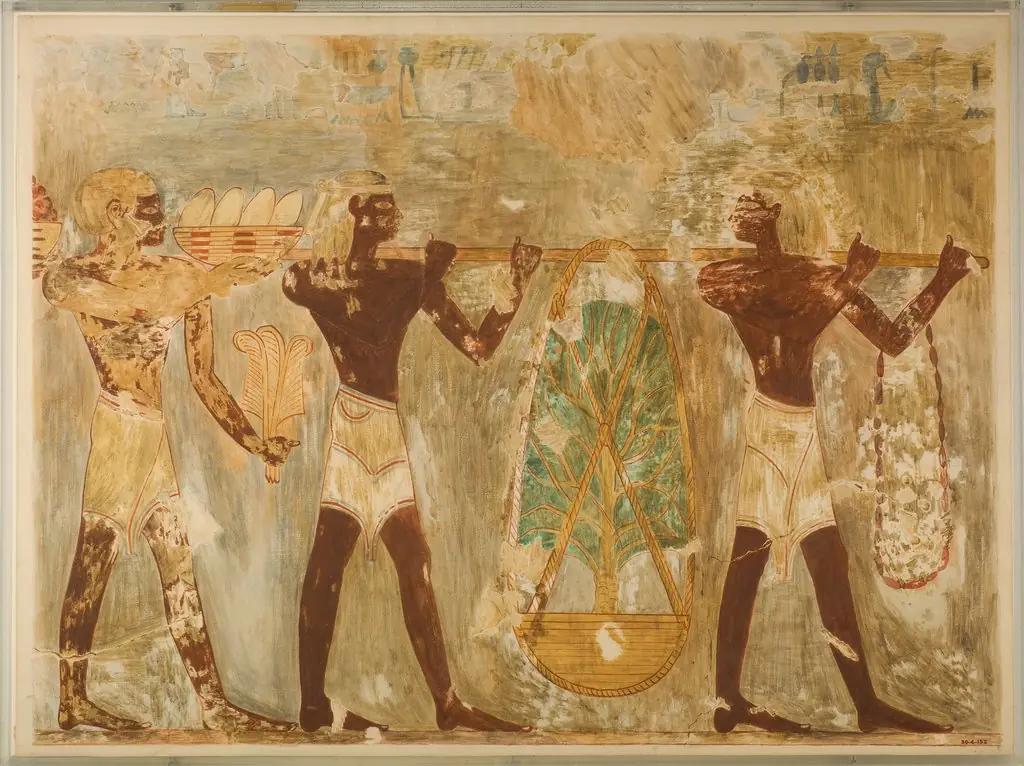 Men from Punt Carrying Gifts, Tomb of Rekhmire
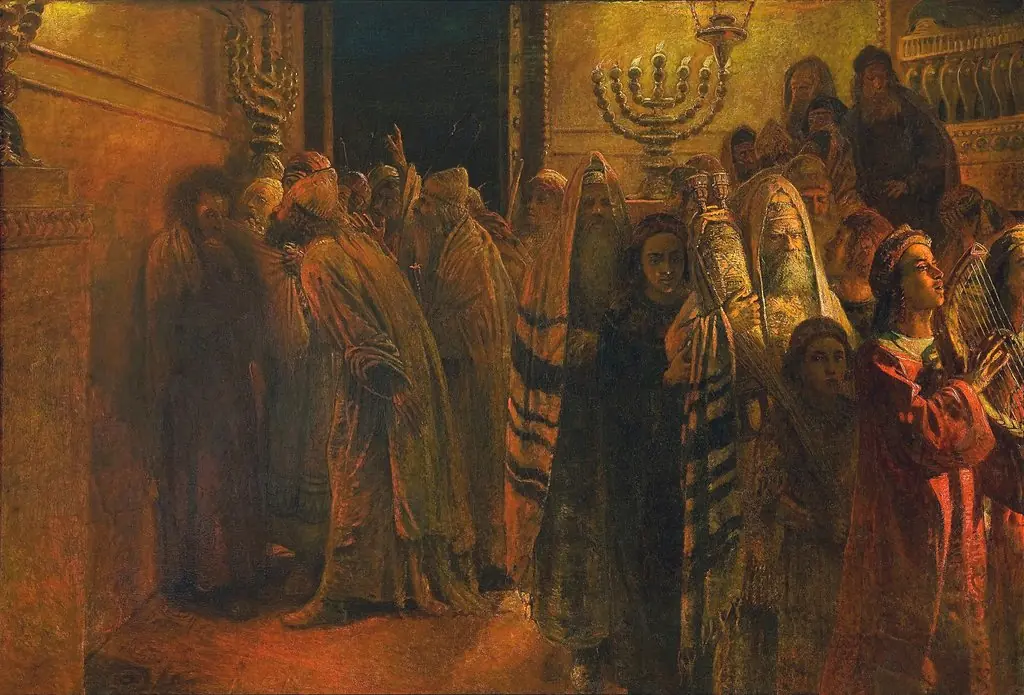 The Judgment of the Sanhedrin: He is Guilty!
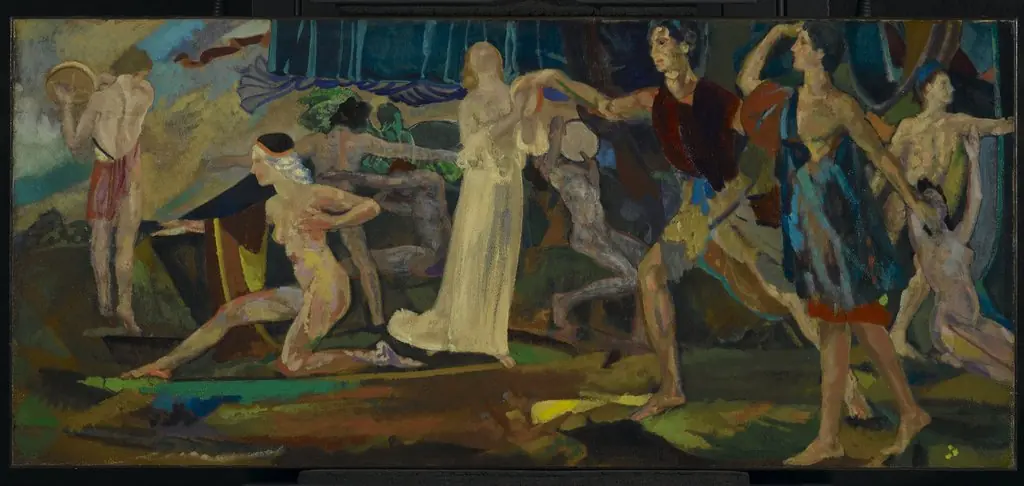 Freshness of the Wounded
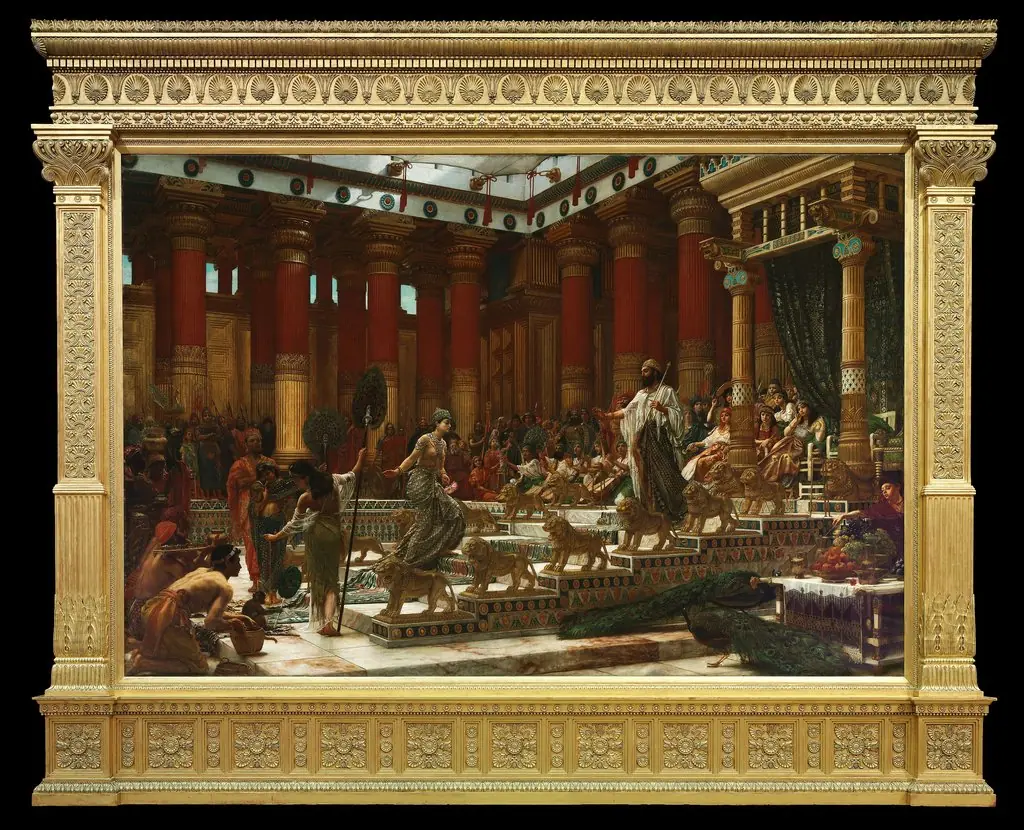 The Visit of the Queen of Sheba to King Solomon
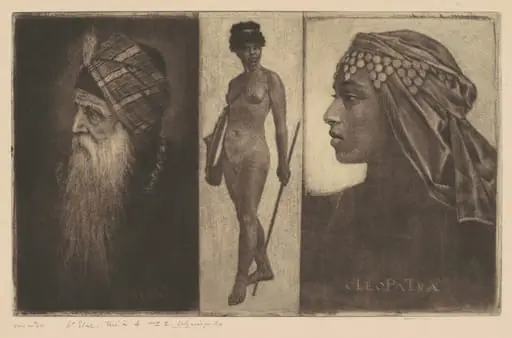 Salomon and Cleopatra
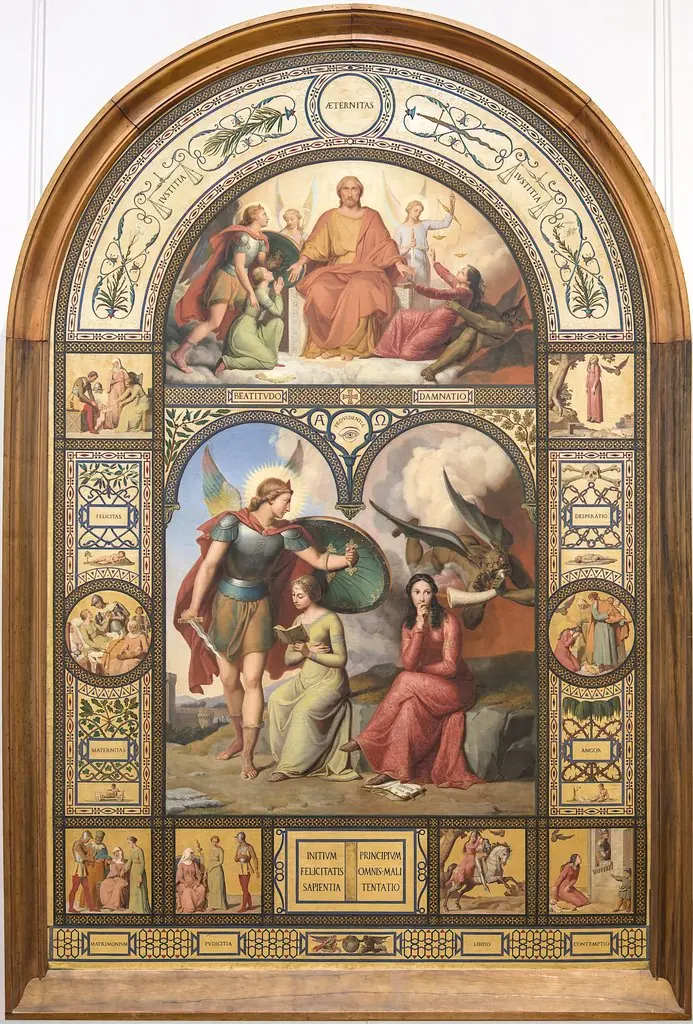 Good and Evil
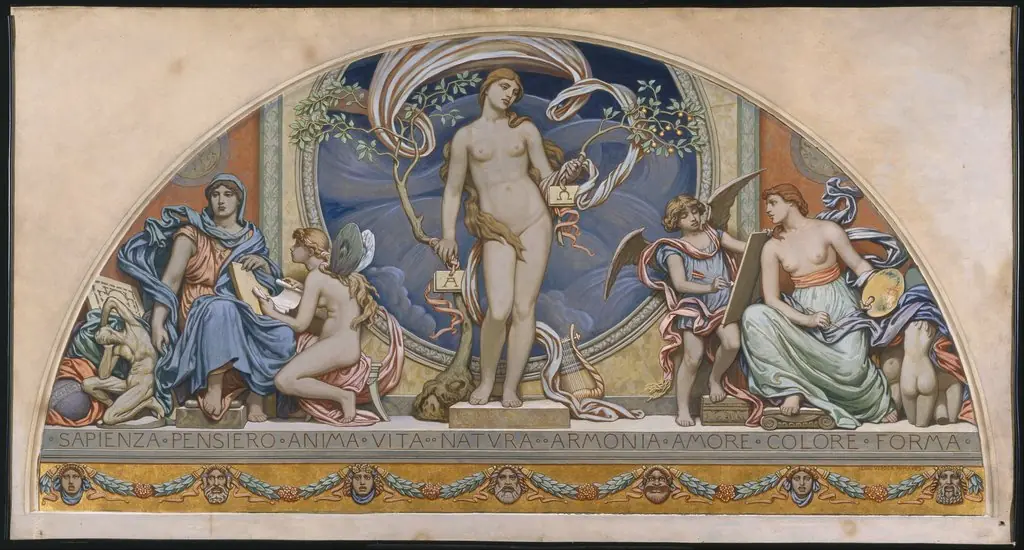 Rome Representative of the Arts
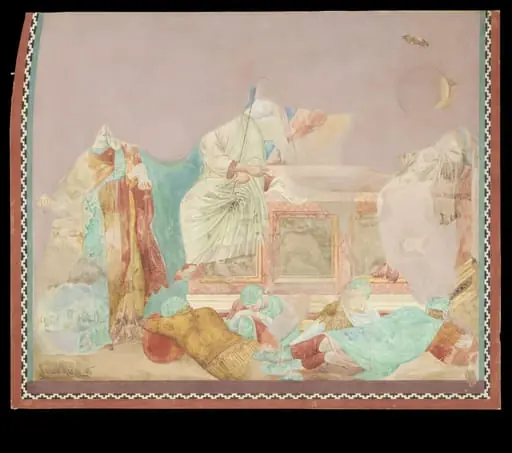 Copy after the painting The Maries at the Sepulchre attributed to the Isaac Master in the Upper Church, San Francesco, Assisi
 Achilles and the Daughters of Lycomedes
 Study of Courtesans