Artwork
The Lodge of St John
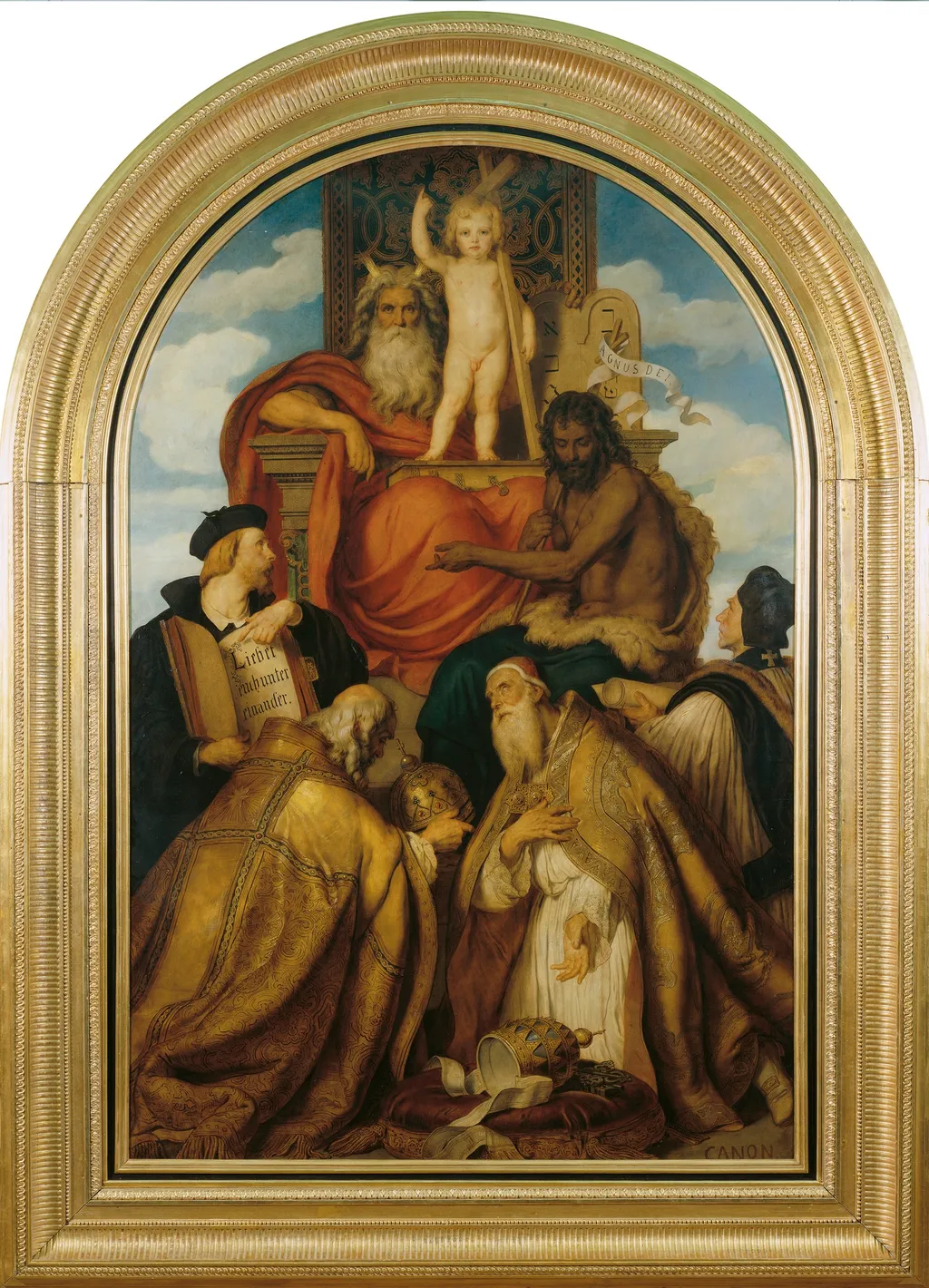
The Lodge of St John is an oil painting by the Impressionist artist Hans Canon. It dates from 1873 and is held in the collection of the Kunsthistorisches Museum.
About this work
Overview
Executed in 1873, *The Lodge of St John* is an oil painting by Hans Canon, now part of the Kunsthistorisches Museum’s collection. The work presents a ceremonial gathering centered on an infant seated upon an ornate, throne-like chair. The scene is rendered with meticulous attention to textile patterns, architectural embellishments, and the varied postures of the assembled figures.
Subject & Meaning
The painting depicts an infant holding a staff, flanked by a small animal, while robed men perform gestures of reverence or instruction. One figure extends a hand toward the child, another consults an open book, suggesting a ritual or symbolic investiture. The composition evokes medieval or Masonic imagery, though its precise narrative remains open to interpretation.
Technique & Style
Canon employs a restrained palette dominated by gold, russet, and deep blue, lending the scene a somber dignity. Brushwork is fine yet controlled, emphasizing the intricate brocade of garments and the carved details of the throne. The cloud-streaked sky provides a neutral backdrop, ensuring focus remains on the figures and their ceremonial accoutrements.
History & Provenance
Completed in 1873, *The Lodge of St John* entered the Kunsthistorisches Museum’s holdings at an undocumented date. Little is recorded of its early exhibition history or commissioning circumstances. The painting’s subject matter and stylistic traits align with Canon’s broader interest in allegorical and historical themes during the 1870s.
Context
The work reflects the late 19th-century fascination with medieval revivalism and esoteric symbolism. Canon’s depiction of a child elevated by ritual gestures may engage with contemporary debates about initiation, authority, or institutional tradition. The painting’s formal qualities situate it within the academic tradition, though its cryptic iconography invites speculation.
Artist & collection

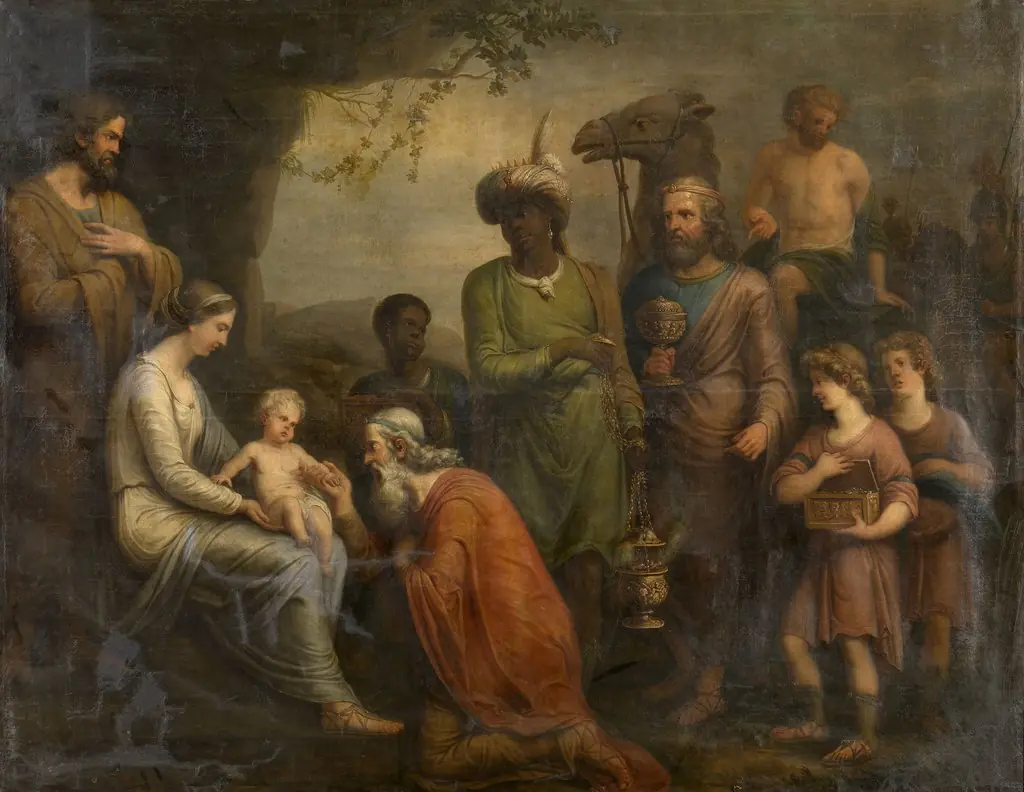 Adoration of the Magi
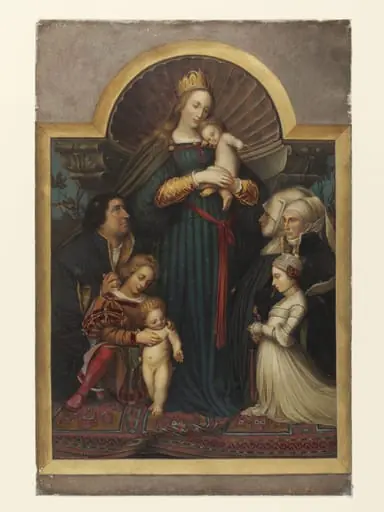 Copy after the painting Virgin and Child and Meyer Family by Hans Holbein in Darmstadt
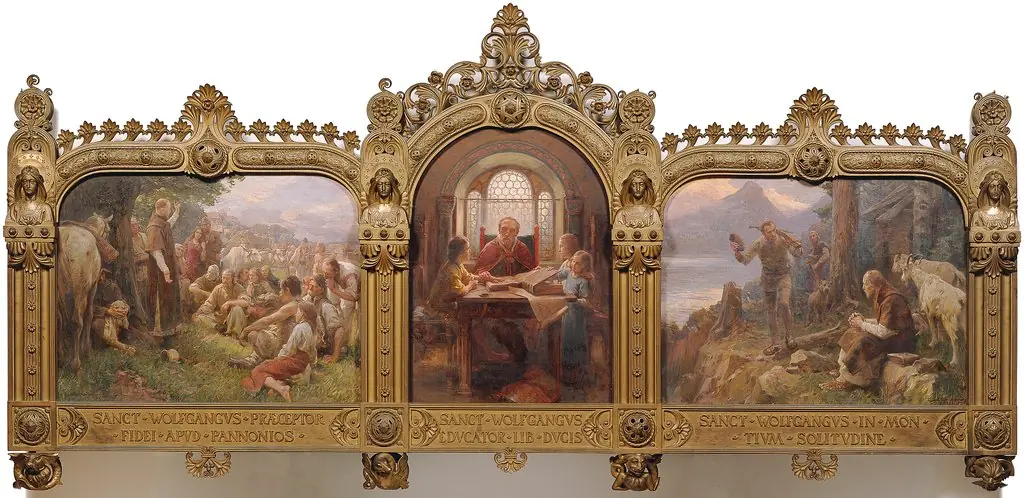 The Legend of St. Wolfgang
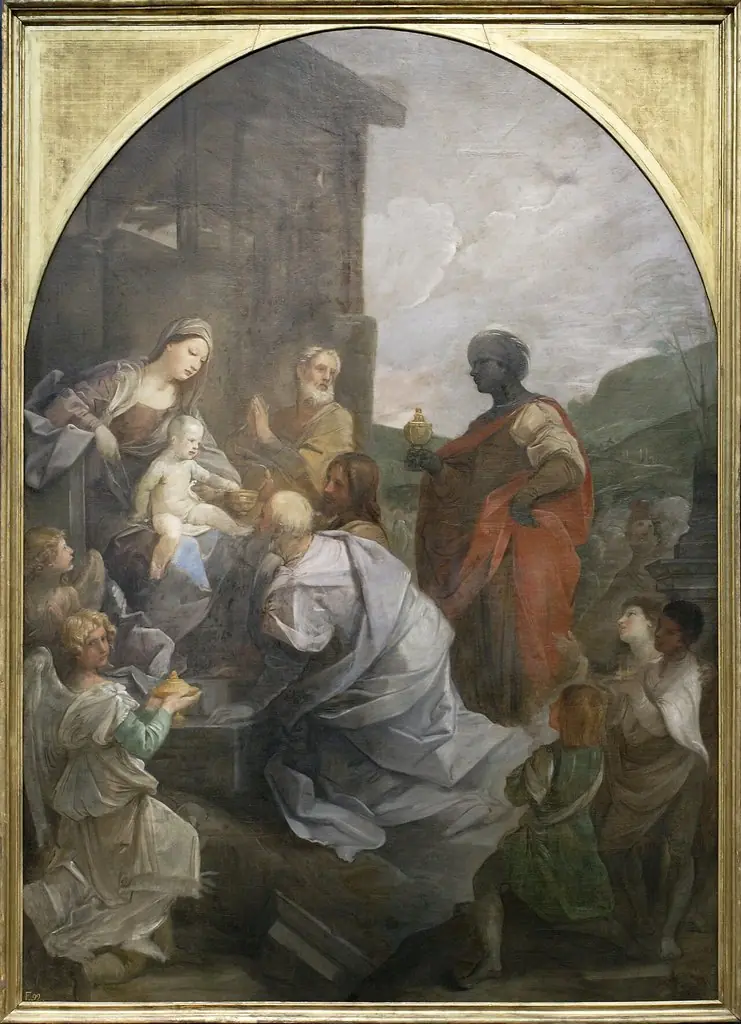 Adoration of the Magi
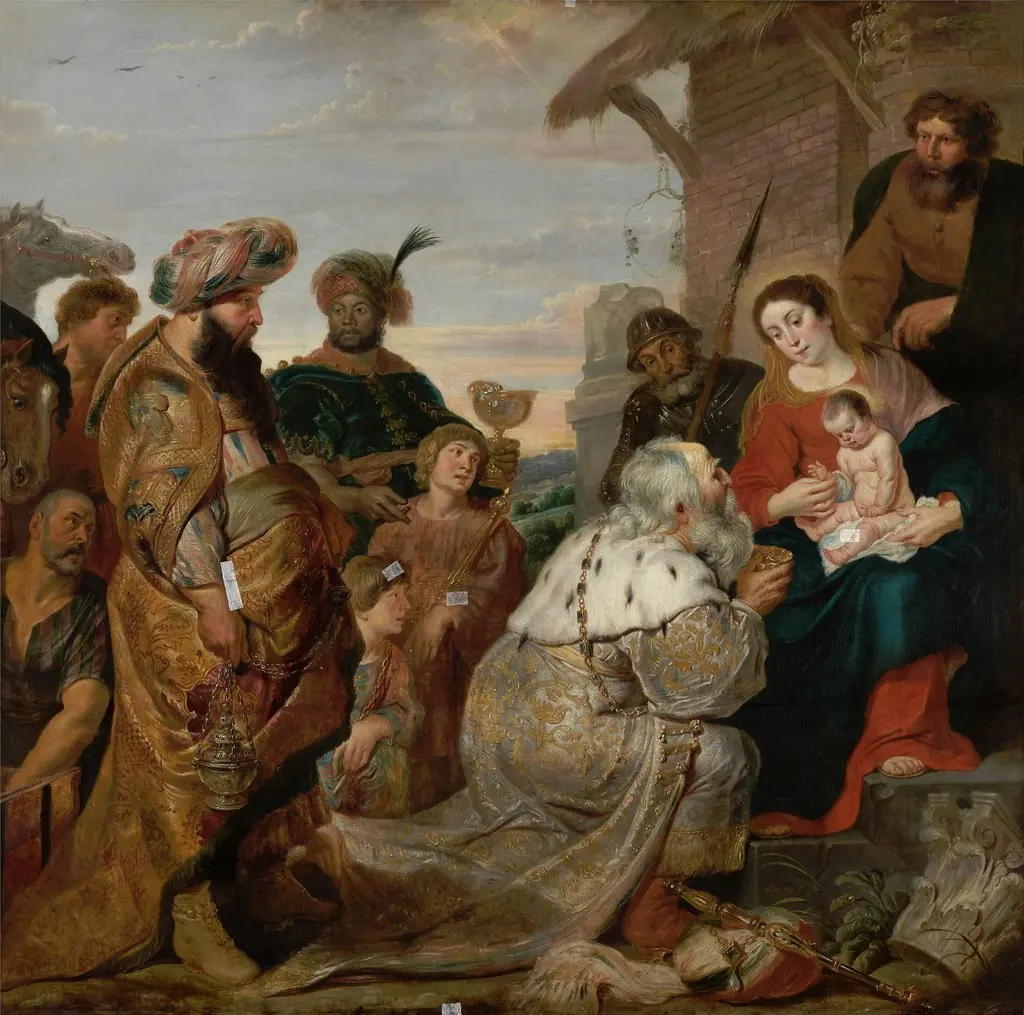 The adoration of the Magi
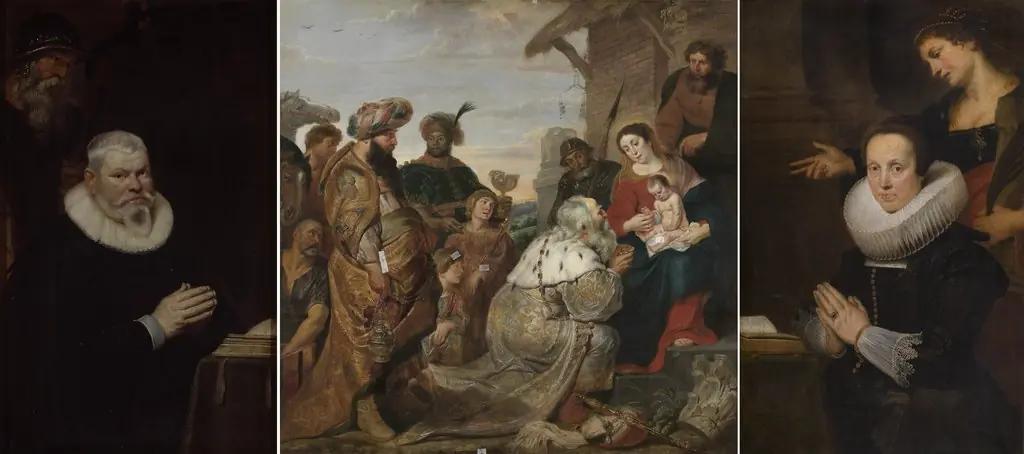 Epitaph of Willem van Meerbeeck and His Wife Barbara Kegeleers
 Good and Evil
 Anbetung der Könige
 Triptych of the Princes
 Charity
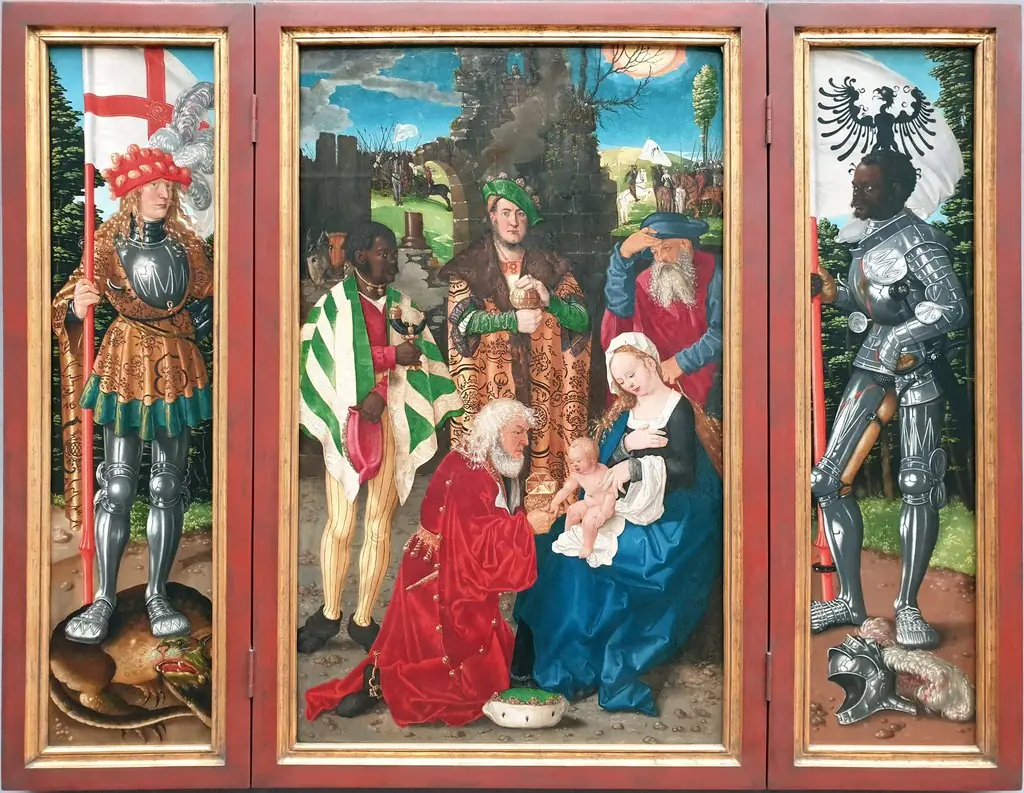 Der Dreikönigsaltar Innentafeln: Anbetung der Könige, der Heilige Georg und der Heilige Mauritius
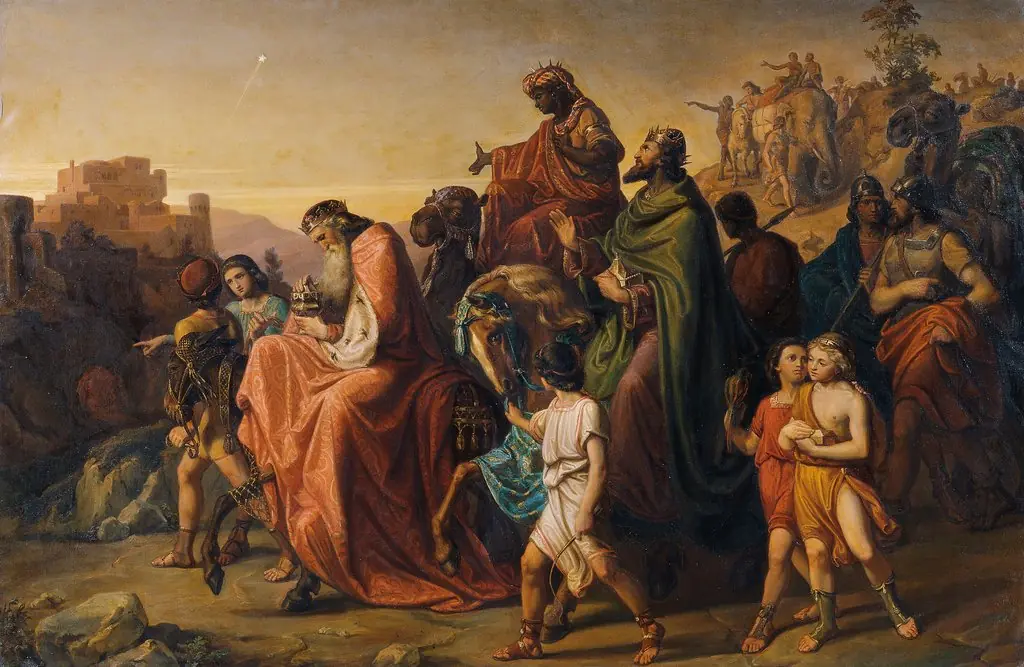 Journey of the Magi with their Retinue