Artwork
Meekness
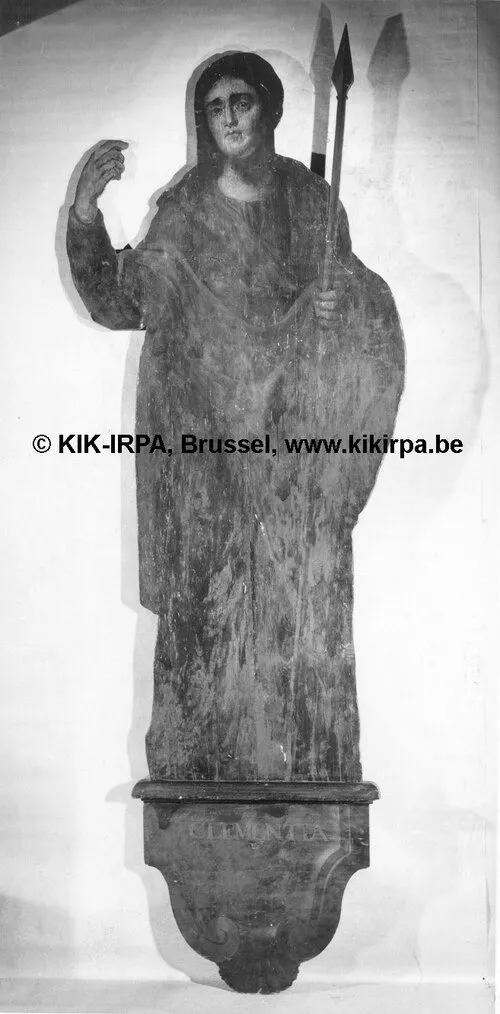
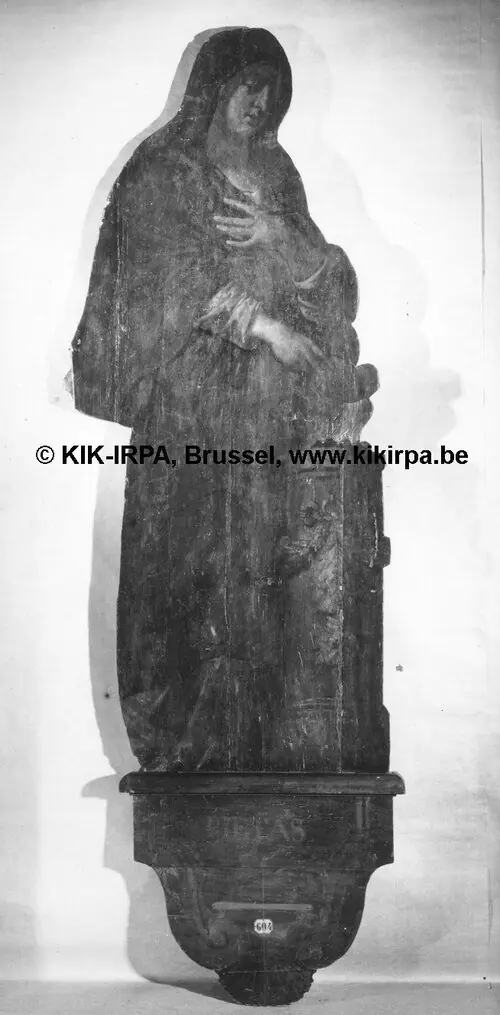
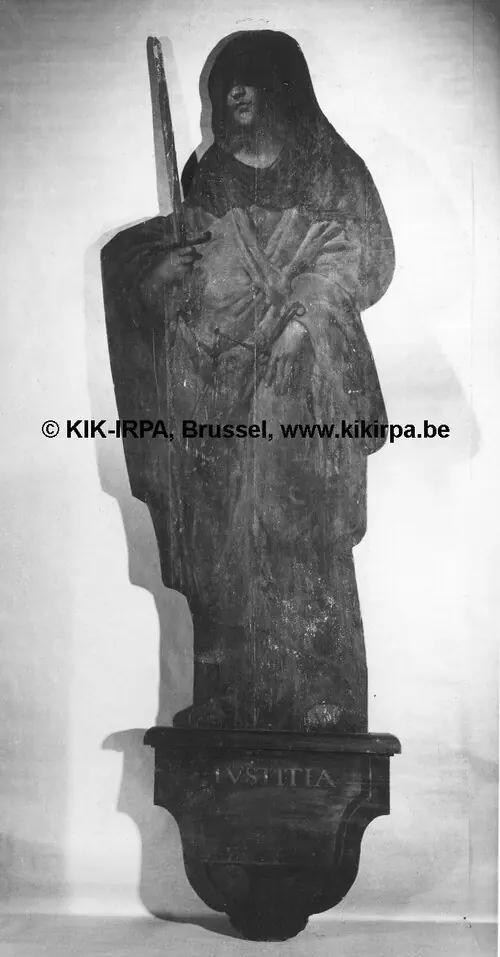
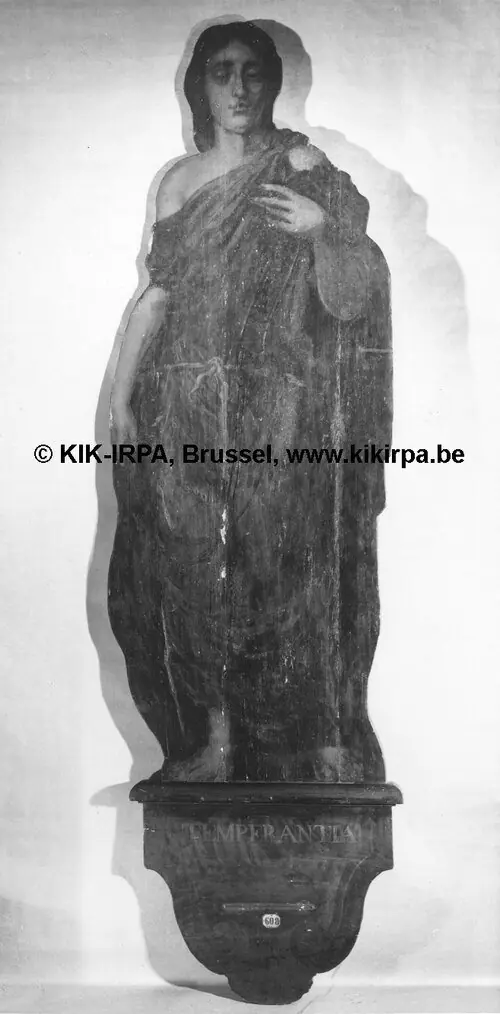
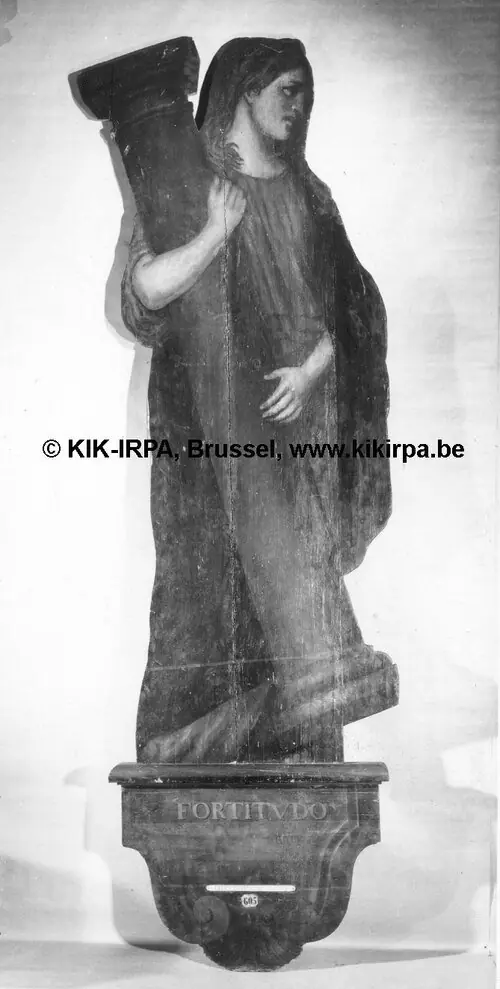
Meekness is an unspecified painting by Erasmus Quellinus II. It dates from 1652 and is held in the collection of the Royal Museum of Fine Arts Antwerp.
About this work
Overview
Erasmus Quellinus II painted *Meekness* circa 1652, during the period following Peter Paul Rubens’ death, when he emerged as a principal figure in Flemish art.
Erasmus Quellinus II painted *Meekness* circa 1652, during the period following Peter Paul Rubens’ death, when he emerged as a principal figure in Flemish art. Trained in Rubens’ workshop, Quellinus specialized in allegorical and decorative compositions. This work is part of a series representing the cardinal virtues and is currently held in the Royal Museum of Fine Arts Antwerp, where it remains a key example of mid-17th-century Flemish allegorical painting.
Subject & Meaning
The figure represents the virtue of meekness, personified as a woman whose calm expression and raised hand suggest restraint rather than submission. Though she holds a spear—a symbol of authority or defense—her posture and demeanor convey quiet strength. The composition avoids aggression, instead emphasizing inner composure. This visual paradox reflects the Renaissance ideal of virtue as disciplined power, not force.
Technique & Style
Quellinus employs chiaroscuro to model the figure with subtle gradations of light, enhancing the three-dimensionality of the robe and facial features. The brushwork is refined but not overly ornate, reflecting his training under Rubens while avoiding his dramatic intensity. The palette is restrained, favoring muted tones that reinforce the theme of humility. The figure’s pose is balanced and static, aligning with classical ideals of moral stability.
History & Provenance
The painting was created in Antwerp during Quellinus’ mature period, when he led large decorative projects for civic and religious institutions. It entered the collection of the Royal Museum of Fine Arts Antwerp in the 19th century, likely through state acquisition or donation. Its presence in the museum’s permanent holdings underscores its recognized role in the regional tradition of moral allegory.
Context
In mid-17th-century Flanders, allegorical cycles depicting virtues and vices were common in public and private spaces, often commissioned to promote civic or religious ideals. Quellinus’ series on the cardinal virtues responded to this demand, blending humanist thought with Counter-Reformation values. *Meekness* fits within a broader cultural project to visualize moral philosophy through accessible, emotionally resonant imagery.
Legacy
Though less widely known than Rubens, Quellinus played a vital role in sustaining Flemish allegorical painting after the master’s death. *Meekness* exemplifies his ability to adapt classical forms to contemporary moral discourse. The work remains a reference for scholars studying the evolution of virtue imagery in post-Rubensian Flanders, illustrating how artistic tradition was maintained through quiet, thoughtful reinterpretation.
Artist & collection
Artist
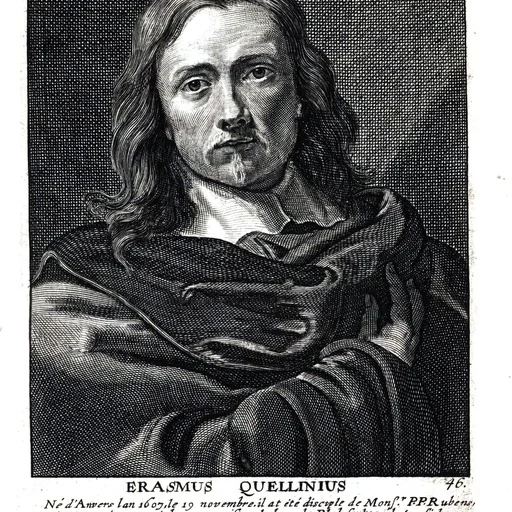
Erasmus Quellinus the Younger or Erasmus Quellinus II (November 19, 1607 – November 11, 1678) was a Flemish painter, engraver, draughtsman and tapestry designer who worked in various genres including history, portrait, allegorical, battle…

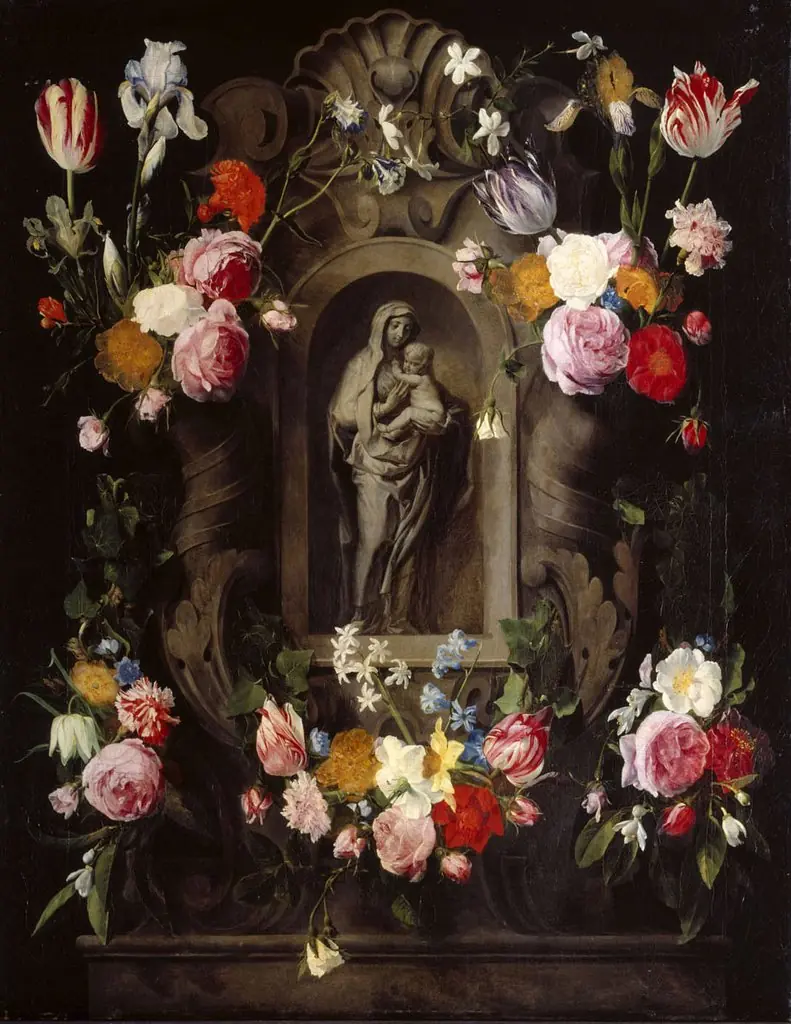 Madonna & Child Statuette in a Niche surrounded by a Garland of Flowers
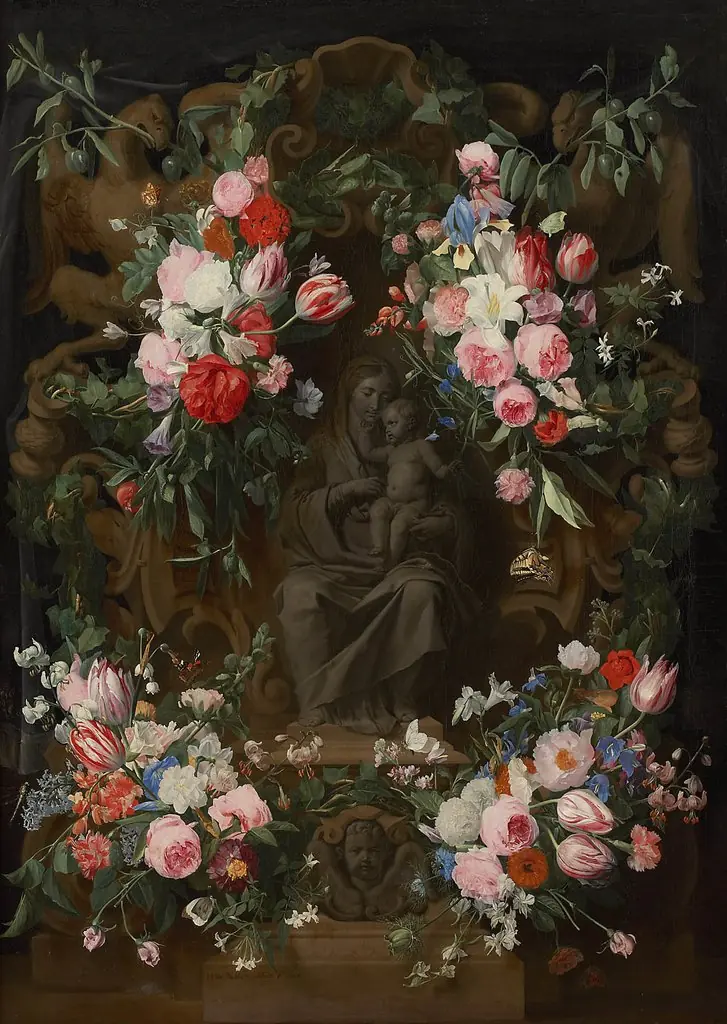 Seated Maria in a Flower Garland
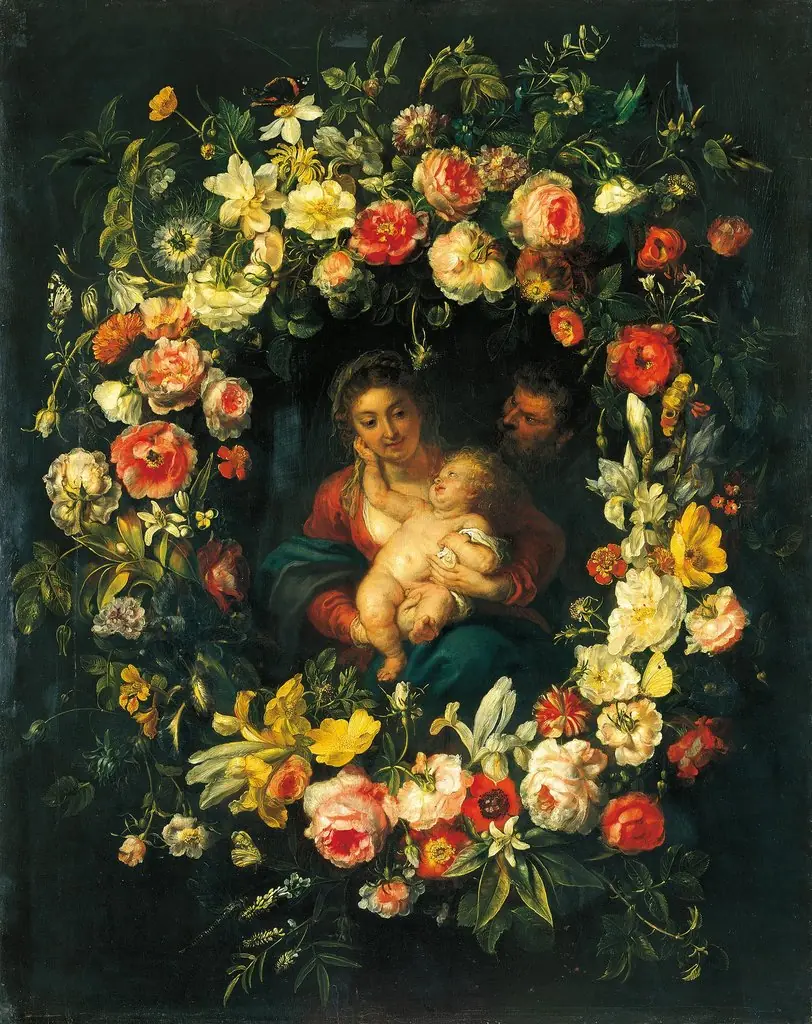 Holy Family in a Wreath of Flowers
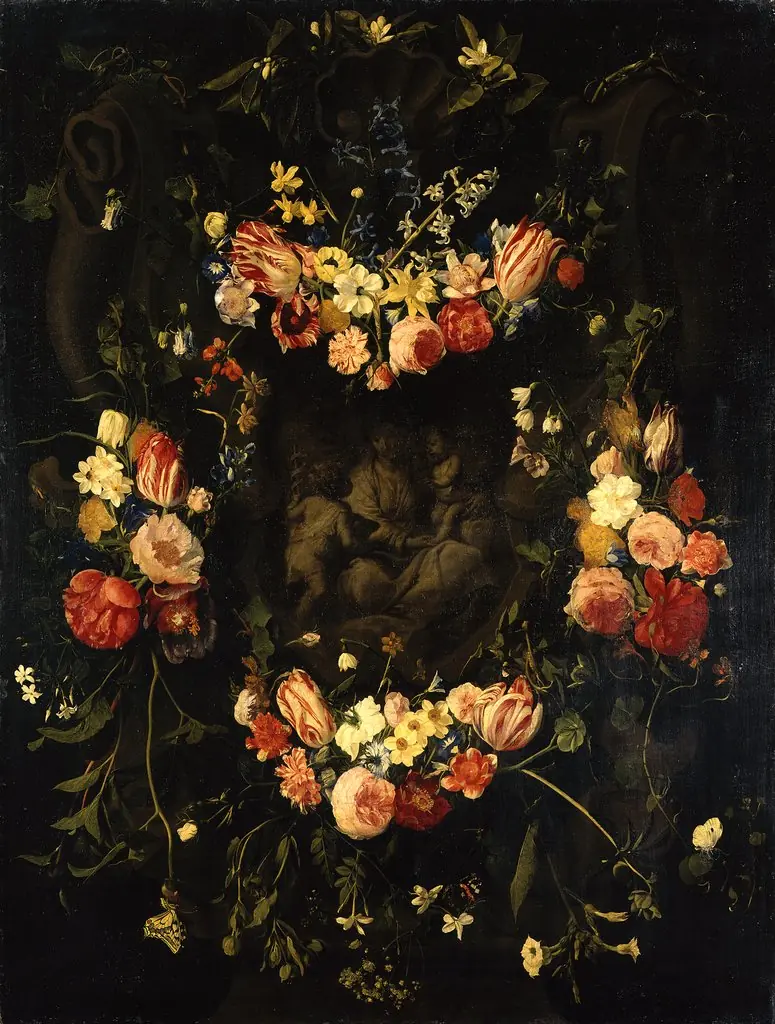 Cartouche addorned with flowergarlands surrounding a depiction of the Holy Family with the infant Saint John the Baptist
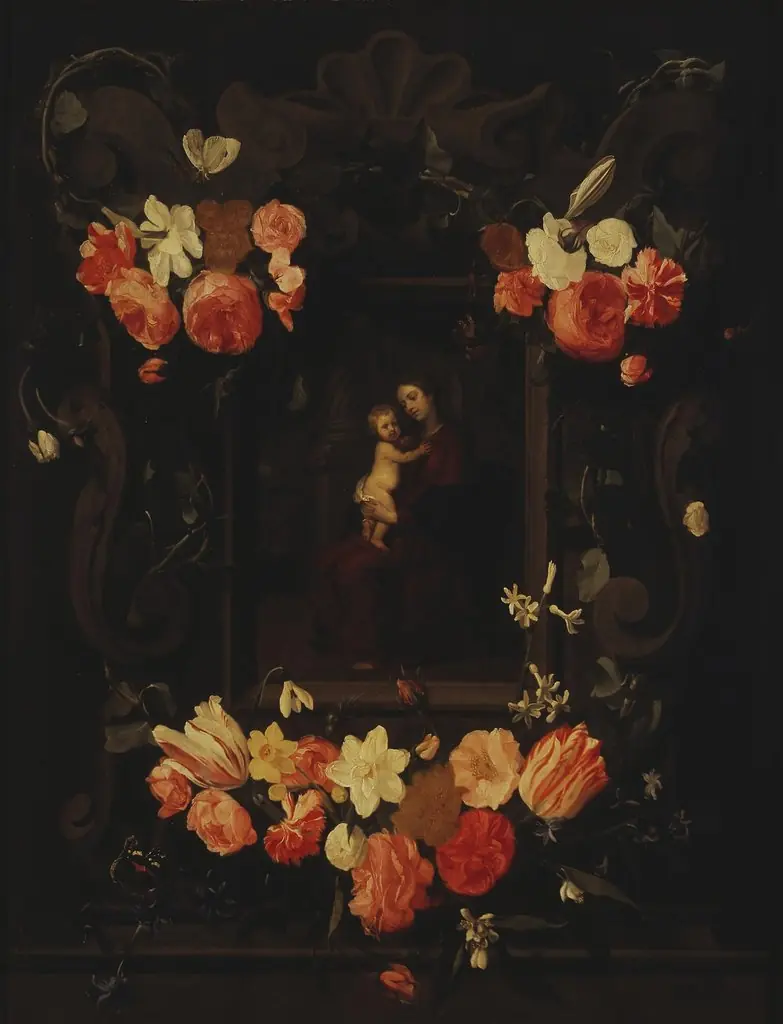 Madonna and Child Framed a Garland of Flowers
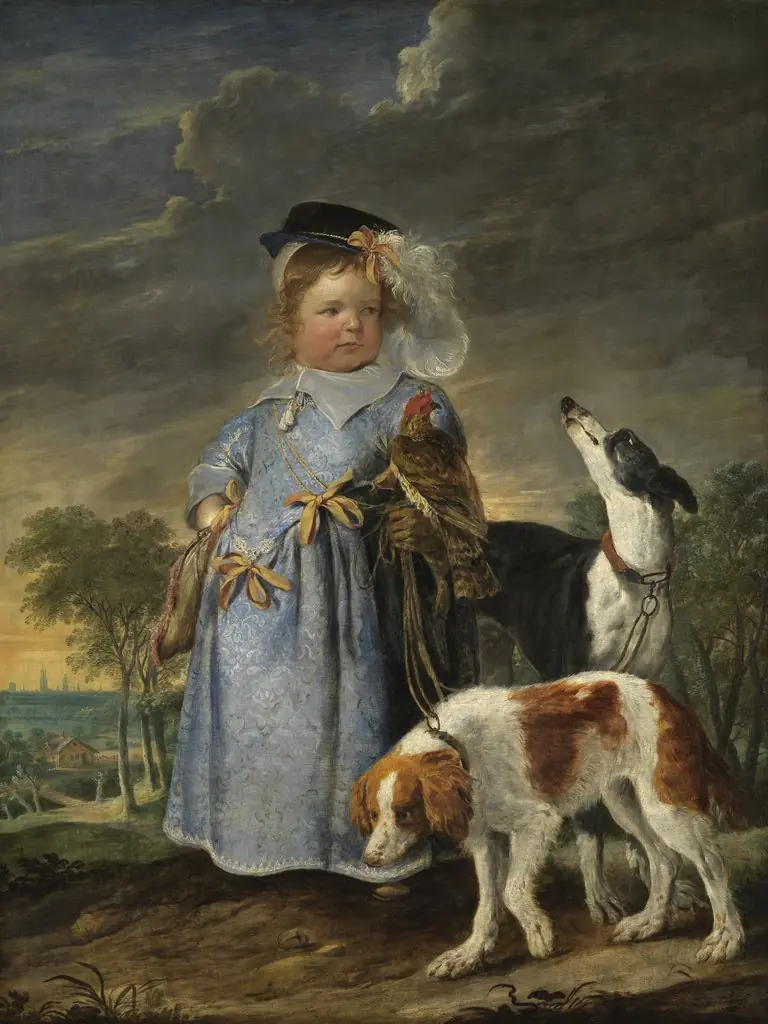 Portrait of a Boy
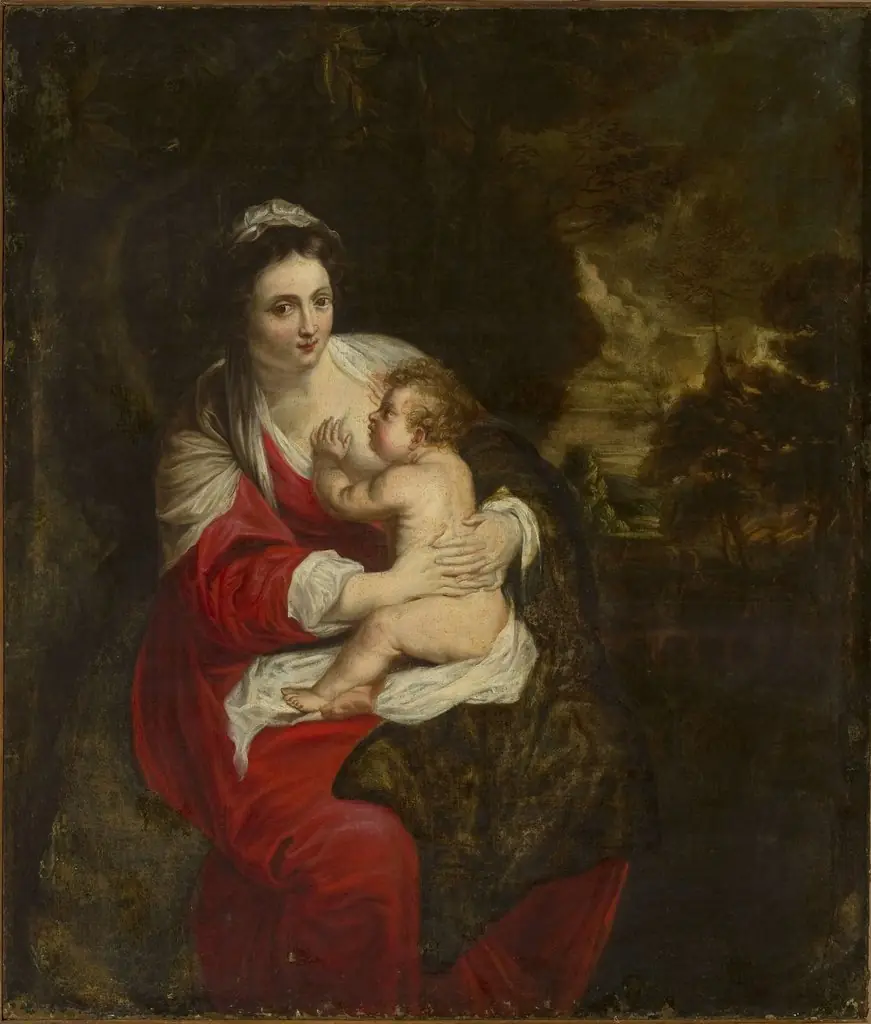 Madonna with Child Jesus
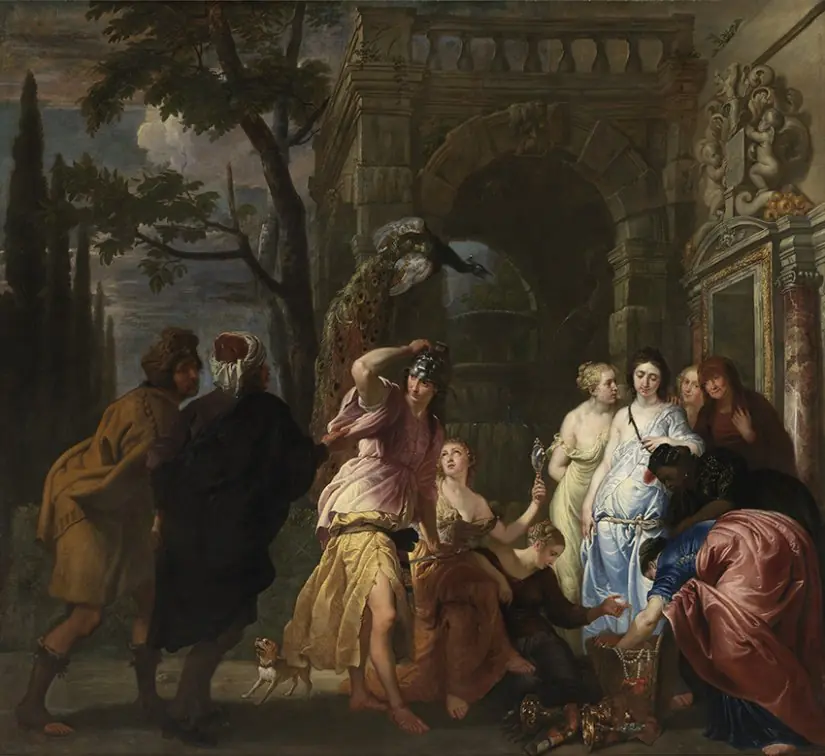 Achilles among the Daughters of Lycomedes