Artwork
Georg Camitz (1788-1868), bruksägare
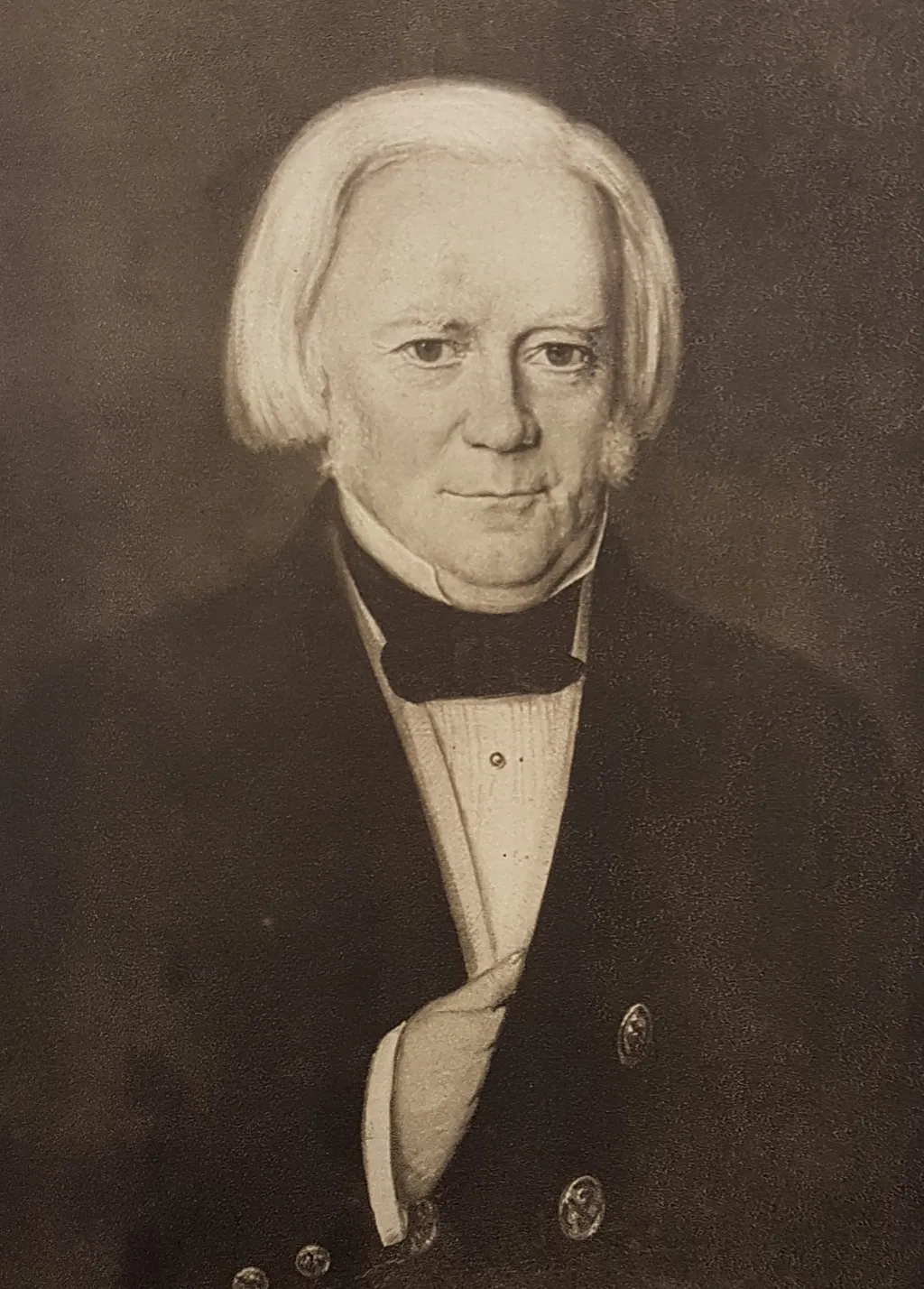
Georg Camitz (1788-1868), bruksägare is an unspecified painting by Eric Reuterborg. It is held in the collection of the Nationalmuseum.
About this work
Overview
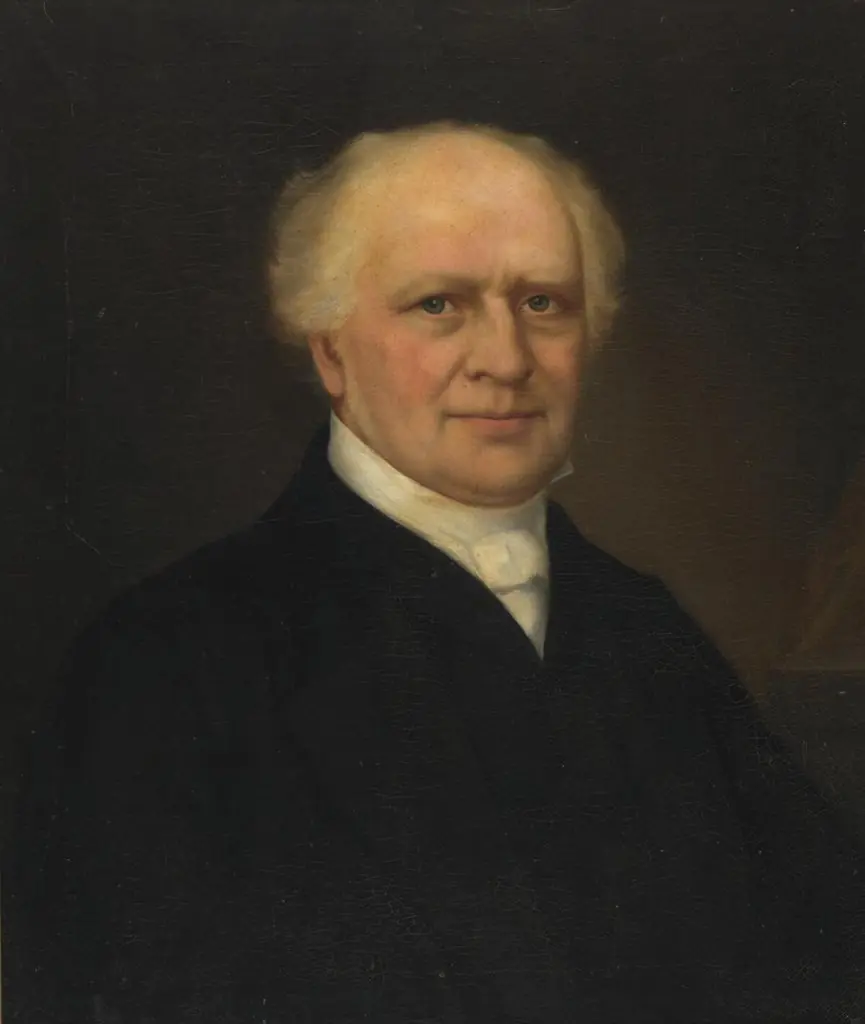
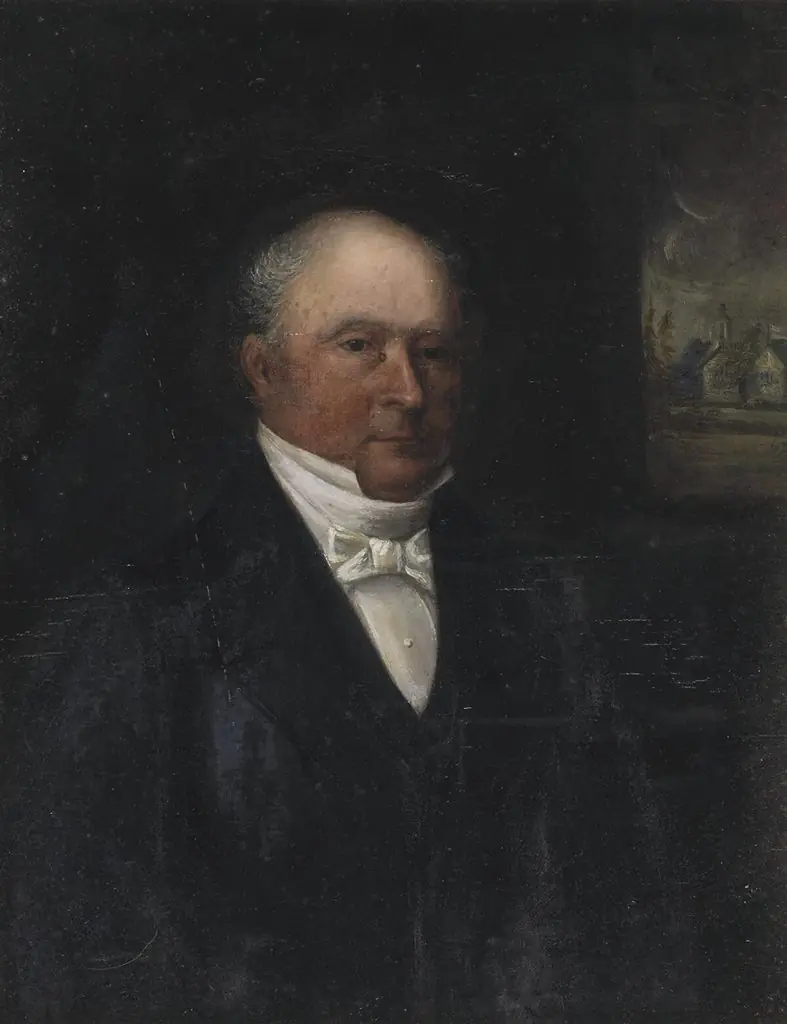
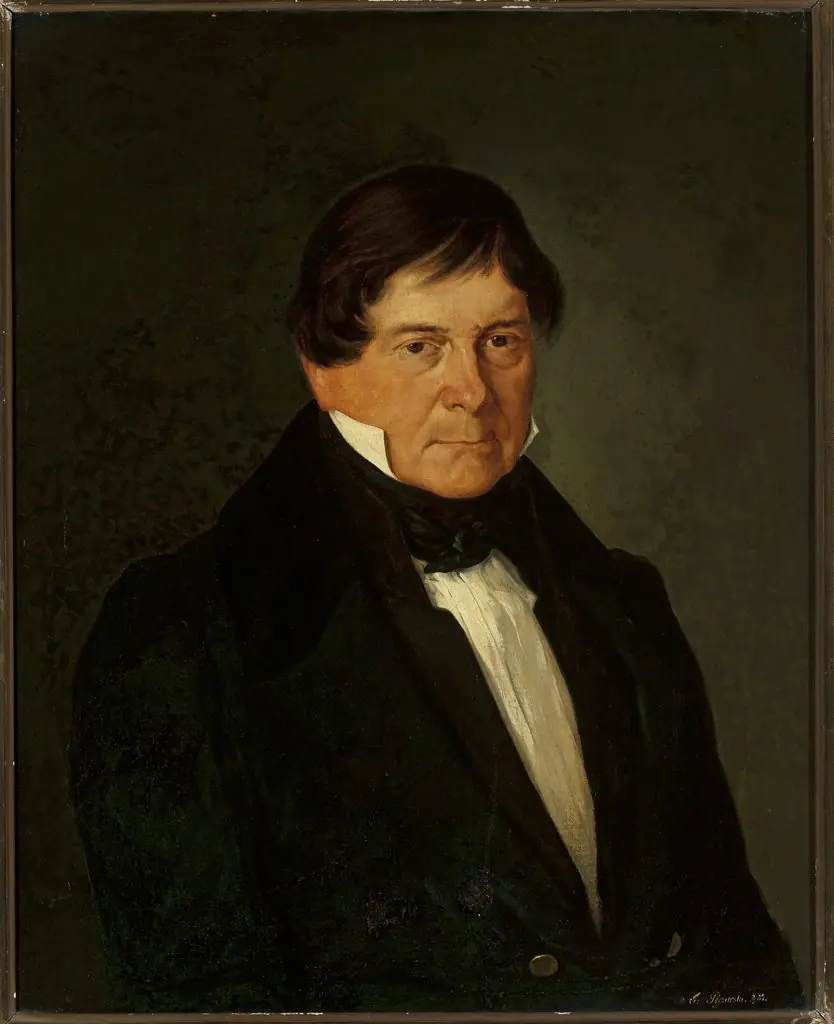
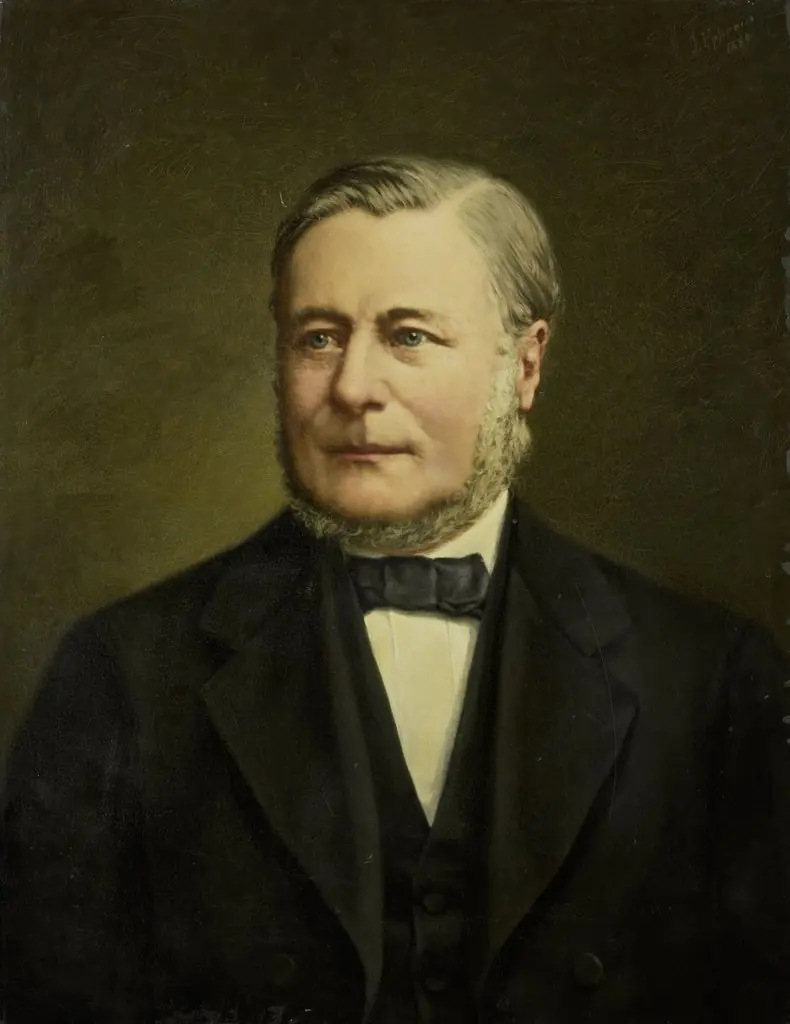
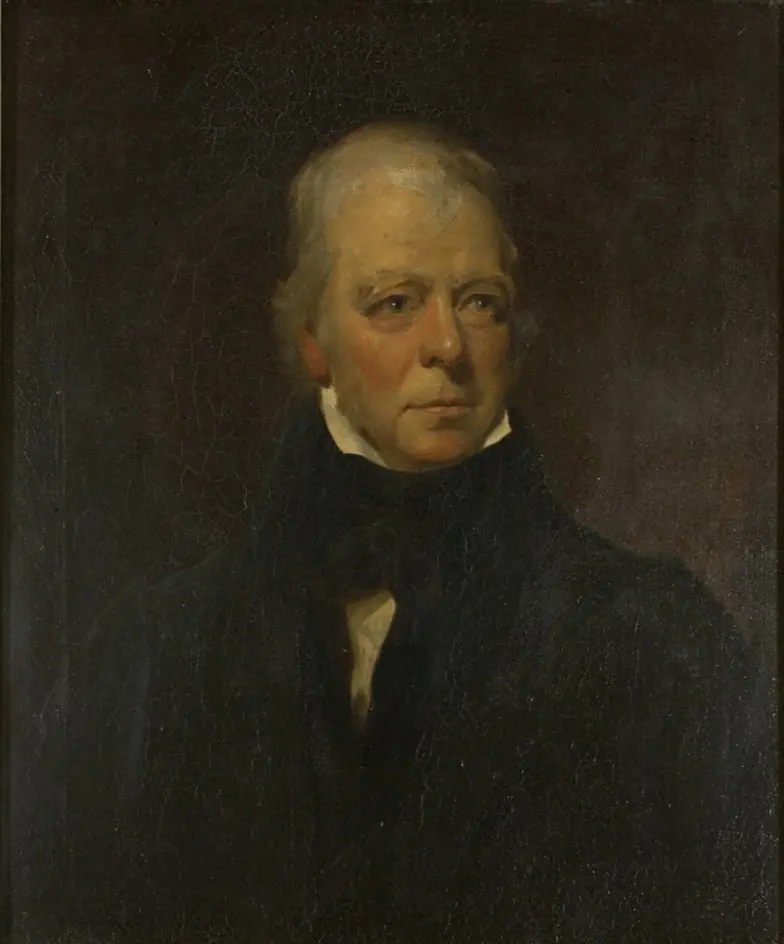
This portrait painting by Georg Camitz depicts an elderly gentleman with distinctive white hair, formally attired in a dark jacket, white shirt, and black bow tie. The subject's direct gaze is the central focus, set against a somber background that accentuates his facial features.
Subject & Meaning
The subject, identified as a 'bruksägare' (Swedish for 'mill owner' or 'industrialist'), is portrayed with dignity, suggesting a representation of professional stature and personal character. The formal attire and direct gaze imply respectability and confidence.
Technique & Style
Camitz employs a traditional portrait technique, using a dark background to create a strong contrast that highlights the subject's facial features and attire. The overall style is characteristic of early 19th-century European portraiture, emphasizing realism and the sitter's social status.
History & Provenance
Painted by Georg Camitz (1788-1868), the work's provenance and exhibition history are not detailed here. For additional context on the artist's body of work, the oeuvre of Eric Reuterborg, presumably a related or comparative artist, may offer insights.
Context
Created during the early 19th century, this portrait reflects the artistic and social conventions of its time, where depictions of professionals and landowners were common among the emerging middle class and aristocracy.
Legacy
The legacy of this specific portrait by Camitz is not extensively outlined in the provided information, suggesting it may not be among the most widely recognized works of the period. Its value lies in its representation of early 19th-century Swedish portraiture and the depiction of a 'bruksägare'.
Artist & collection
Artist
Eric Reuterborg painted faces the way people remember them—not the stiff portraits in gilt frames, but the way a smirk lingers or a collar sits crooked.