Artwork
The Late Rev. Dr. Murray
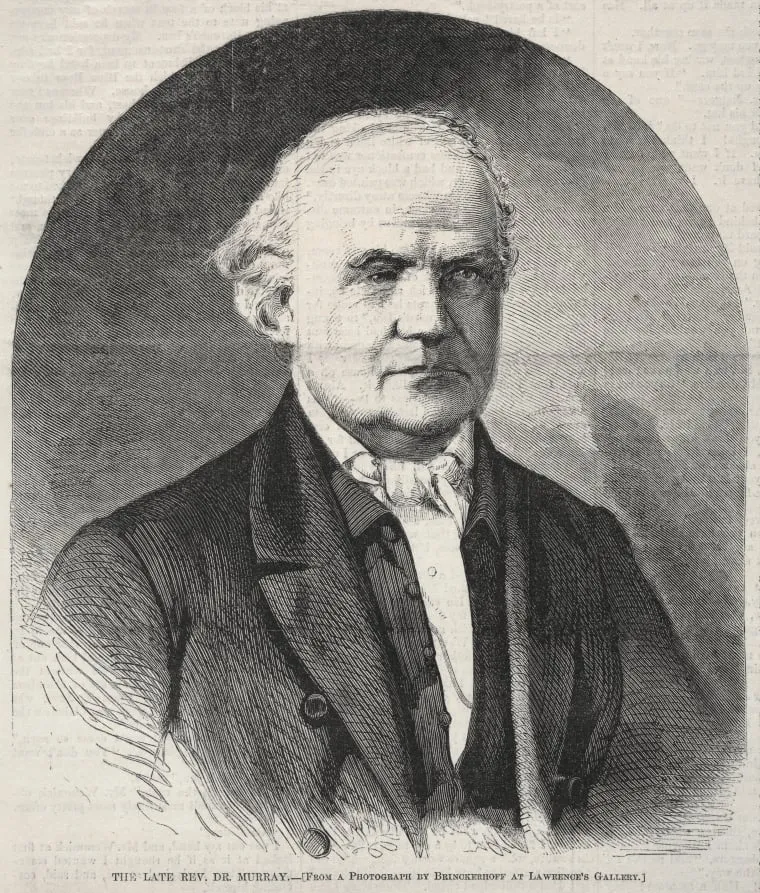
The Late Rev. Dr. Murray is a print by the Impressionist artist Winslow Homer. It dates from 1861 and is held in the collection of the Cleveland Museum of Art. Created in 1861, *The Late Rev.
About this work
Overview
The portrait is rendered with careful tonal gradations and a circular format, typical of engraved reproductions used in publications of the time.
Created in 1861, *The Late Rev. Dr. Murray* is a black-and-white print by Winslow Homer, made early in his career before he became known for marine scenes. Executed as a commercial illustration, it reflects Homer’s skill in graphic media. The portrait is rendered with careful tonal gradations and a circular format, typical of engraved reproductions used in publications of the time. It resides in the collection of the Cleveland Museum of Art.
Subject & Meaning
The subject is Reverend Dr. Murray, depicted with solemnity and dignity. His dark attire, white collar, and bow tie suggest clerical status, while his direct gaze and composed posture convey authority and introspection. The absence of contextual elements focuses attention on his character, emphasizing his role as a respected figure rather than a narrative scene. The portrait serves as a memorial, capturing presence rather than action.
Technique & Style
Homer employed precise line work and controlled shading to model form, using chiaroscuro to define the contours of the face and clothing. The print’s circular frame and smooth transitions between light and dark reflect techniques common in wood engraving. The texture of fabric and skin is suggested through fine hatching, avoiding overt detail in favor of atmospheric depth. The style bridges illustration and fine art, showing Homer’s mastery of tonal control.
History & Provenance
The print was produced in 1861 during Homer’s tenure as a commercial illustrator for magazines like Harper’s Weekly. It likely accompanied a biographical article or obituary. The work entered the Cleveland Museum of Art’s collection through documented acquisition, preserving its original state. Its survival as a standalone print is uncommon, as most such illustrations were ephemeral, bound in periodicals.
Context
In the early 1860s, American illustrated periodicals demanded clear, expressive portraits for public figures. Homer’s training in commercial art positioned him to meet this demand. While he would later shift to oil painting and landscapes, this print reflects the visual culture of the time—where engraving conveyed authority and memory. The portrait aligns with contemporary norms of dignified representation in religious and civic life.
Legacy
Though not among Homer’s most celebrated works, *The Late Rev. Dr. Murray* illustrates his early command of graphic media and his ability to convey psychological presence through minimal means. It stands as evidence of his transition from illustrator to fine artist, revealing the discipline and observation that would later define his paintings. The print remains a quiet testament to the role of print culture in shaping public memory.
Artist & collection
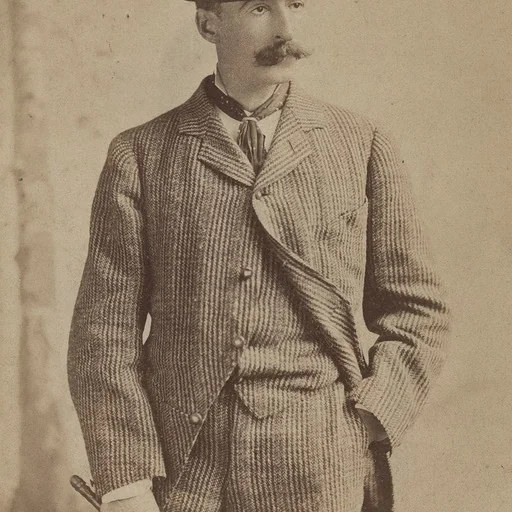
Artist
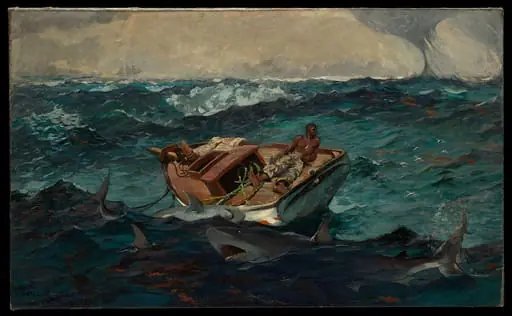
Winslow Homer (February 24, 1836 – September 29, 1910) was an American landscape painter and illustrator, best known for his marine subjects.

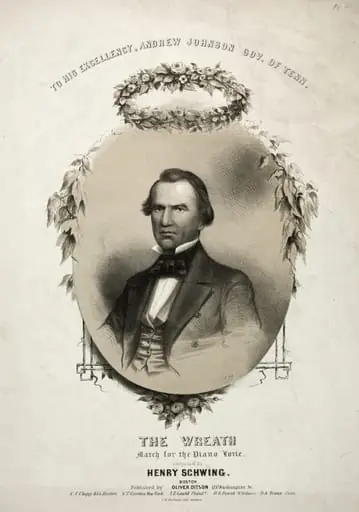 The Wreath - Sheet Music Cover
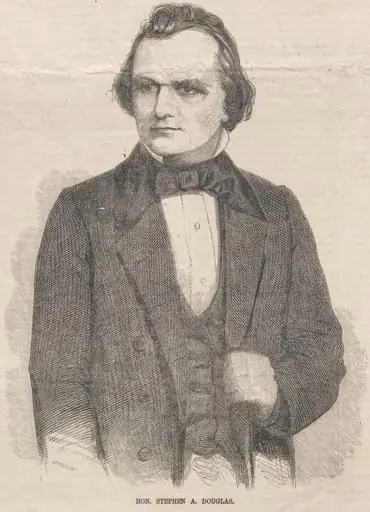 Hon. Stephen A. Douglas
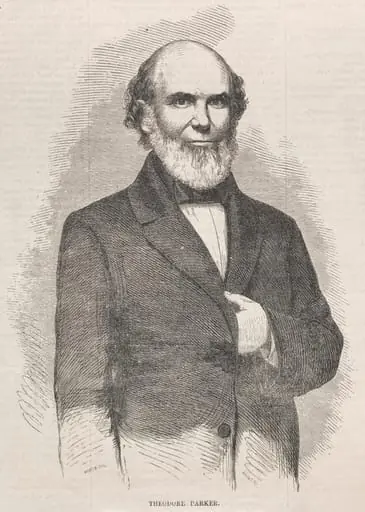 Theodore Parker
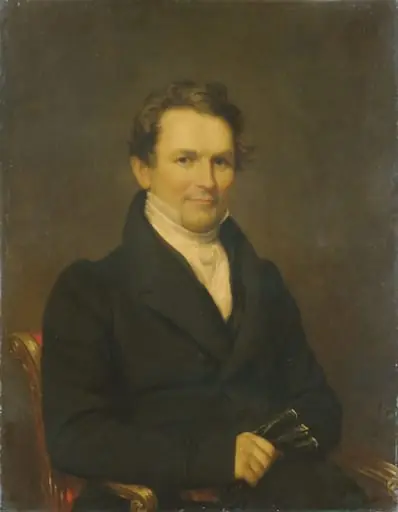 Edward Kellogg
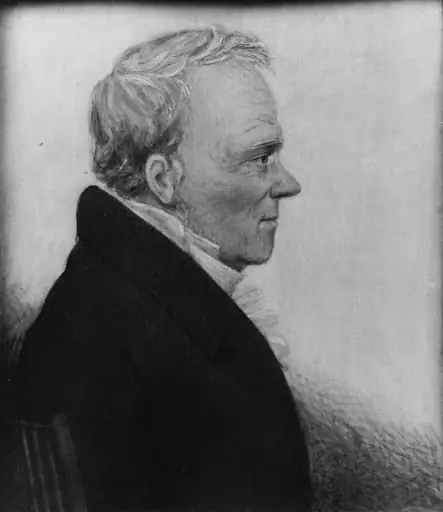 Portrait of a Gentleman
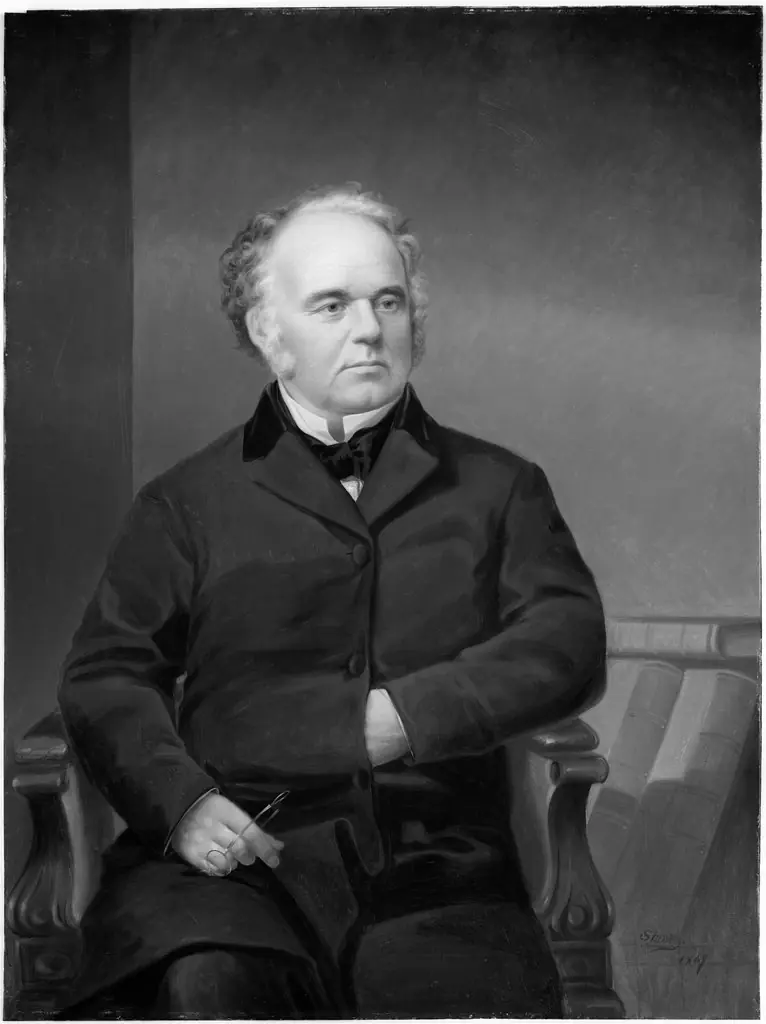 Samuel Mountfort Pitts
 Parch. Henry Rees, Lerpwl, 1798-1869
 Rembrandt Peale
 Thomas Dwight
 Hon. James A. Pearce, U. S. Senator from Maryland
 William E. Burton, Esq., Comedian
 The Honorable Russell Freeman