Artwork
Eventail plié
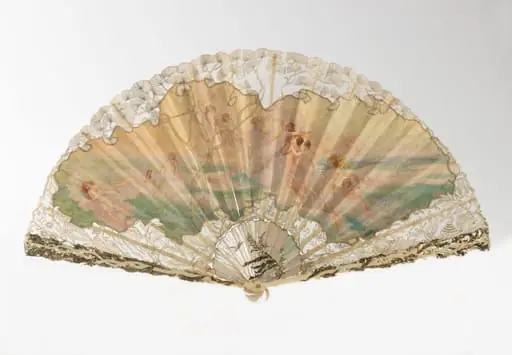
Eventail plié is an unspecified work on paper by the Impressionist artist Ernest Kees. It dates from 1895 and is held in the collection of the Palais Galliera - Musée de la Mode de la Ville de Paris.
About this work
Overview
It is part of the Museum of Ethnography’s collection, where it reflects the intersection of fine art and domestic craft in late 19th-century Europe.
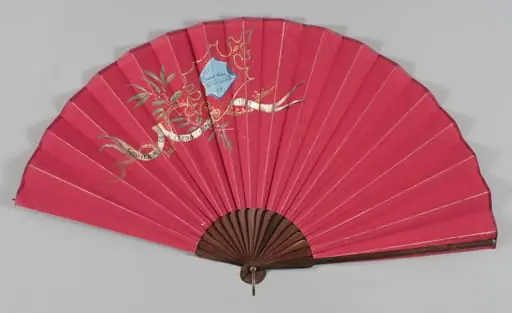
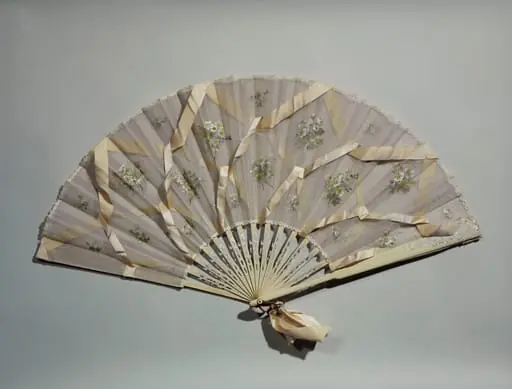
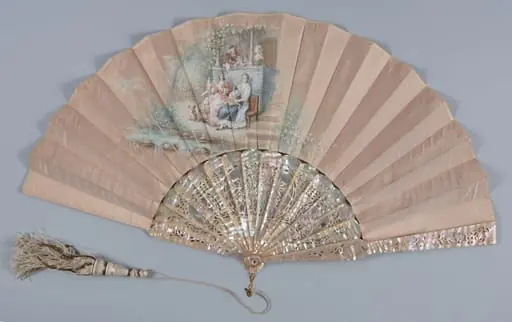
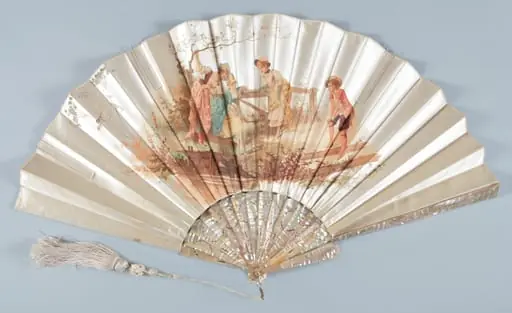
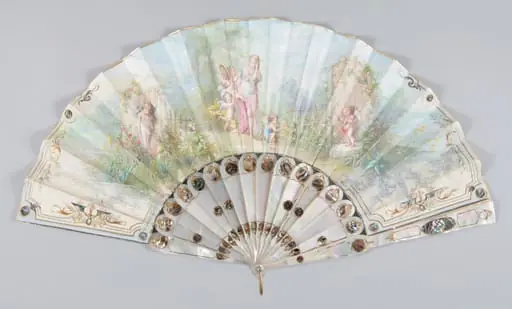
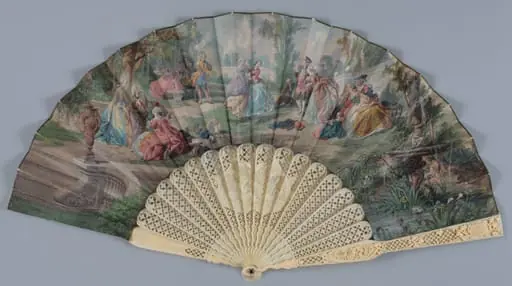
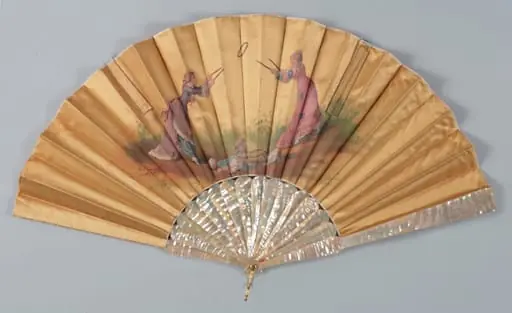
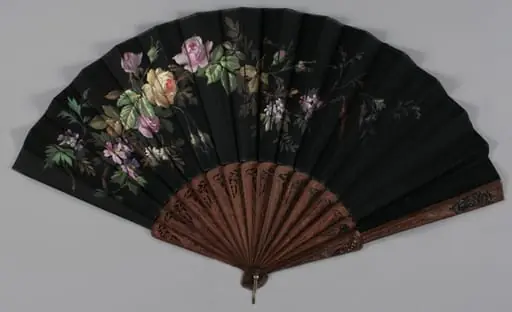
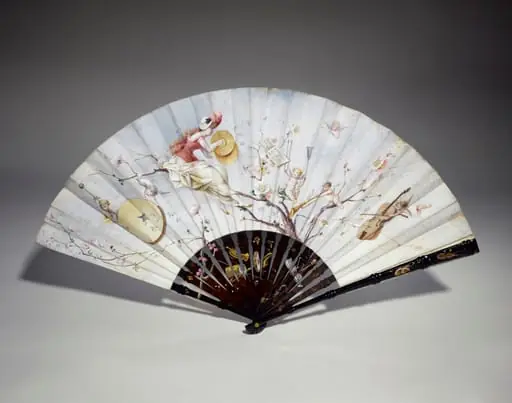
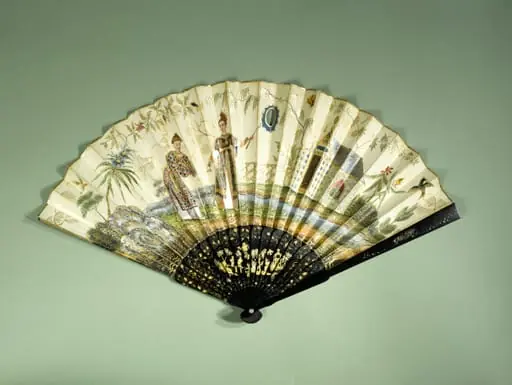
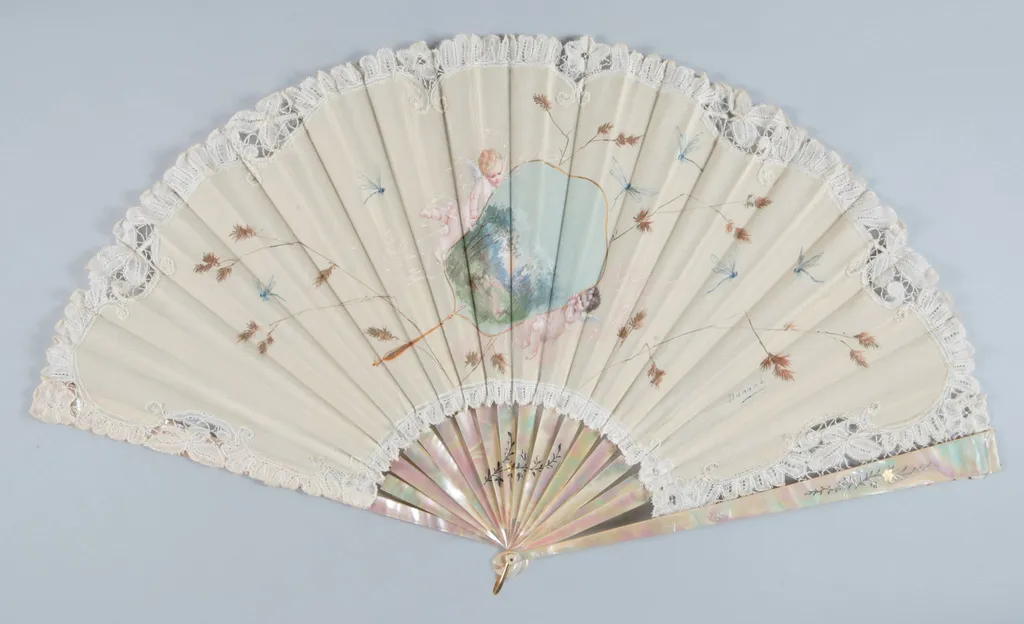
Created in 1895 by Ernest Kees, Eventail plié is a folded fan crafted as a decorative object rather than a utilitarian one. It is part of the Museum of Ethnography’s collection, where it reflects the intersection of fine art and domestic craft in late 19th-century Europe. The fan’s design emphasizes delicacy and subtlety, with a composition that invites close observation rather than grand display.
Subject & Meaning
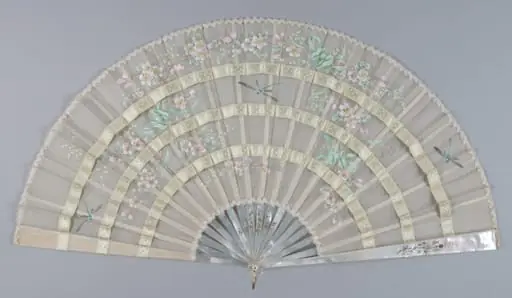
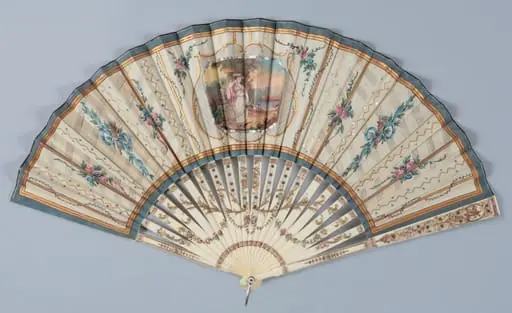
The central panel depicts two women in a garden, rendered with gentle, informal postures that suggest quiet companionship. Surrounding them are small floral motifs and dragonflies, elements common in decorative arts of the period that evoke nature’s transience and grace. The scene avoids narrative drama, instead cultivating a mood of serene intimacy, typical of private, feminine spaces in domestic interiors of the time.
Technique & Style
Kees employed translucent watercolor washes to achieve a luminous, ethereal quality across the fan’s surface. Thin layers of pigment allow the paper’s texture to show through, enhancing the sense of lightness. The edges are bordered with fine white lace, a detail that contrasts with the painted surface and underscores the object’s handmade character. The technique prioritizes atmosphere over detail, aligning with aesthetic movements favoring subtlety.
History & Provenance
The fan entered the Museum of Ethnography’s holdings as part of a broader collection of personal adornments and domestic artifacts. Its origin as a private, likely commissioned piece suggests it was owned by someone with access to artisanal goods. While little is documented about its early ownership, its preservation indicates it was valued as an object of beauty rather than mere function.
Context
In the 1890s, hand-painted fans were popular among middle- and upper-class women as both fashion accessories and expressions of artistic taste. They often featured pastoral or romantic scenes, reflecting broader cultural interests in nature and nostalgia. Kees’s work fits within this trend, where artistry was applied to everyday objects, blurring boundaries between fine art and craft.
Legacy
Eventail plié remains a quiet testament to the craftsmanship of late 19th-century decorative arts. Though not widely known outside museum circles, it exemplifies how artists like Kees infused ordinary items with poetic sensitivity. Its survival in institutional collections ensures continued study of how art functioned in private, domestic life during a period of rapid social and aesthetic change.
Artist & collection
Artist
Ernest Kees painted delicate fan-shaped watercolors called *Eventail plié*. These small, folded works were popular in France during the late 1800s, often used as gifts or souvenirs. The artist made several versions…
Museum
Palais Galliera - Musée de la Mode de la Ville de Paris
Continue through works from the same source collection.