Artwork
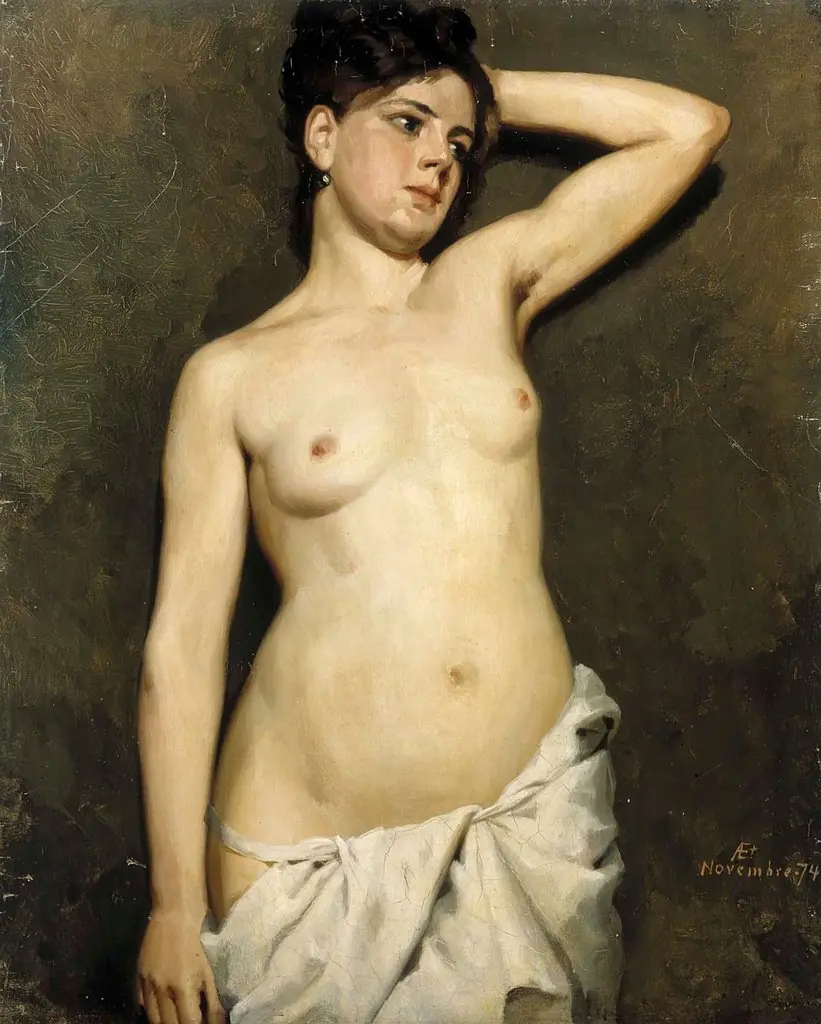
Woman Bathing
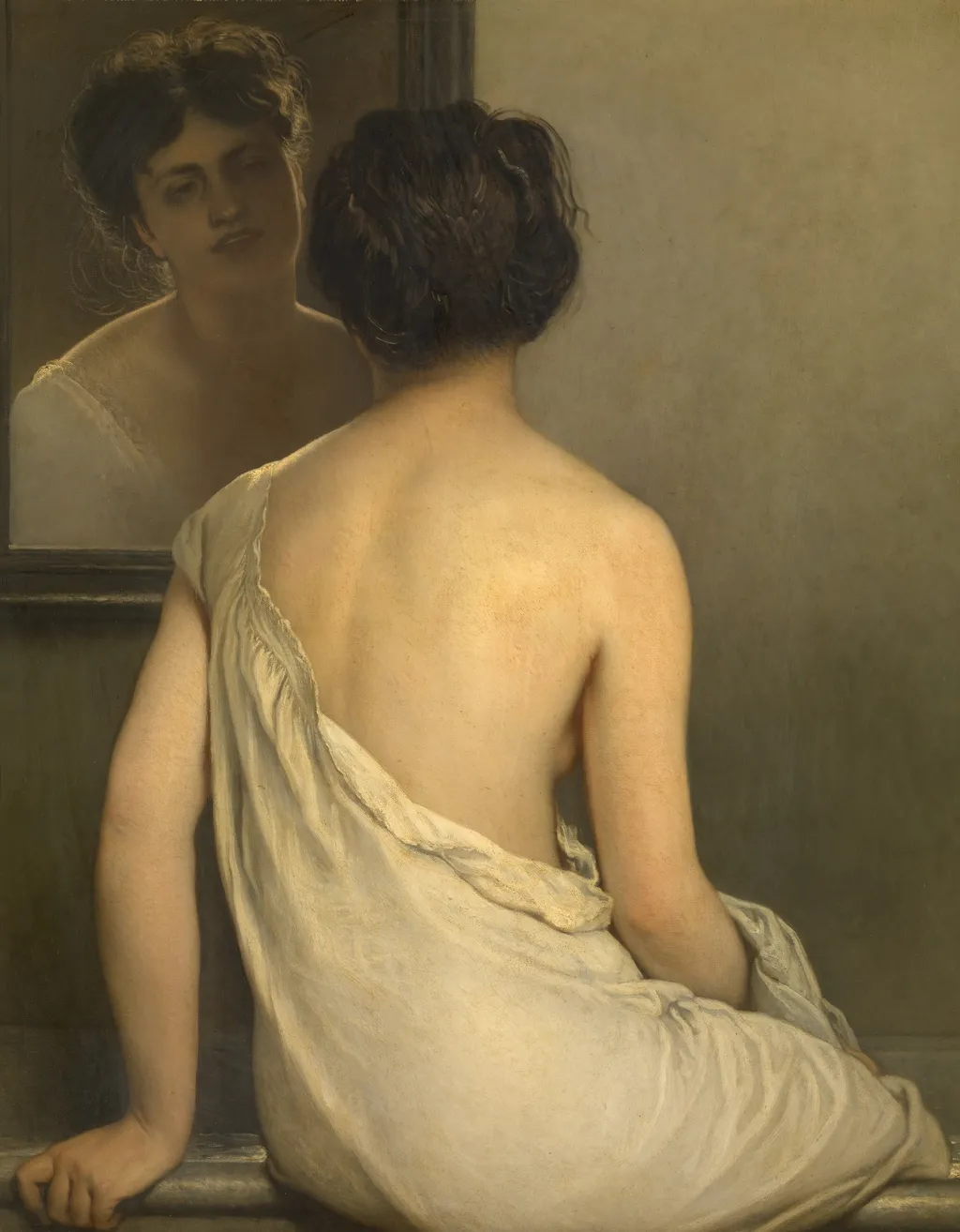
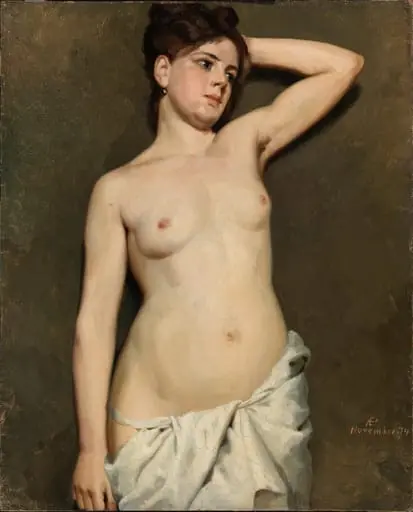
Woman Bathing is an oil painting by the Impressionist artist Ernest Slingeneyer. It dates from 1872 and is held in the collection of the Royal Museum of Fine Arts Antwerp.
About this work
Overview
It resides in the Royal Museum of Fine Arts Antwerp, where it contributes to the museum’s 19th-century Belgian collection.
Painted in 1872 by Belgian artist Ernest Slingeneyer, *Woman Bathing* is an oil-on-canvas work that bridges academic tradition with emerging modern sensibilities. Though often linked to Impressionism through its intimate subject and light-sensitive rendering, the painting retains the structured composition and refined technique characteristic of Slingeneyer’s academic background. It resides in the Royal Museum of Fine Arts Antwerp, where it contributes to the museum’s 19th-century Belgian collection.
Subject & Meaning
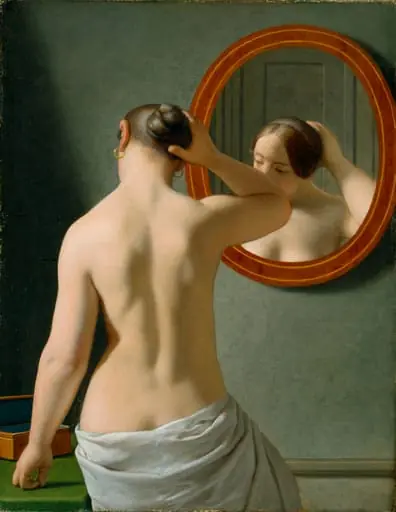
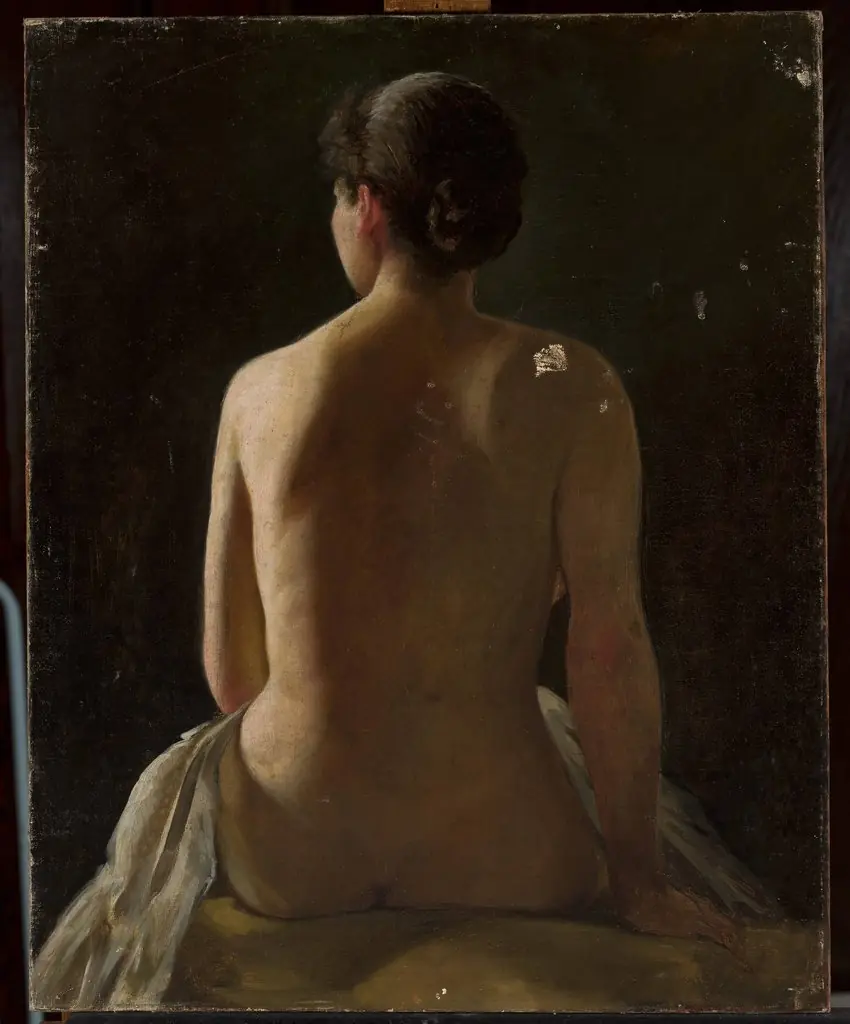
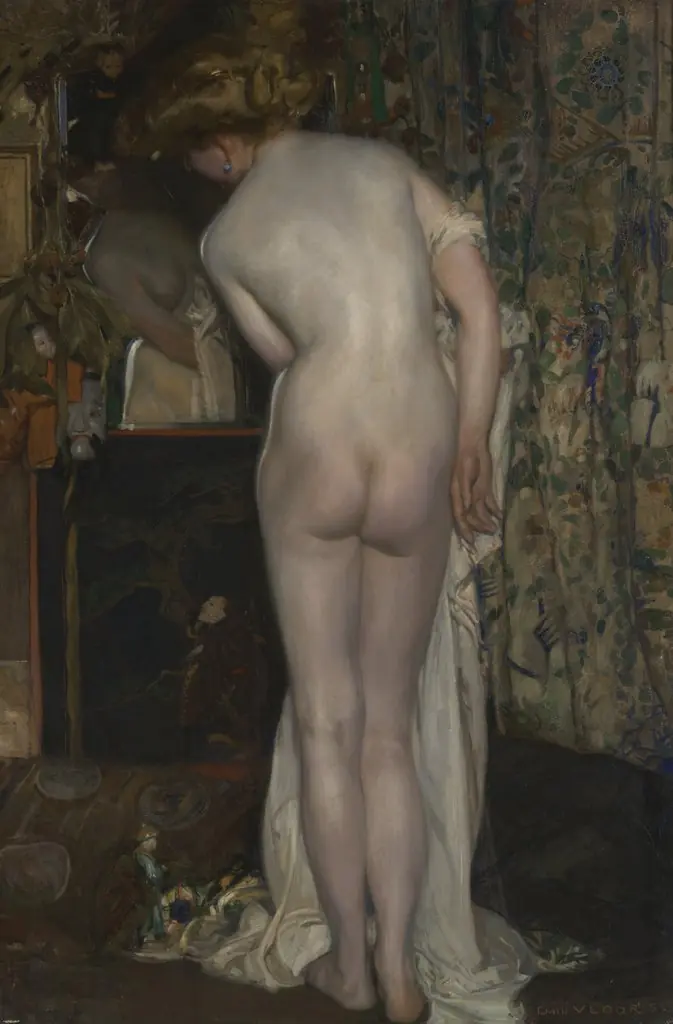
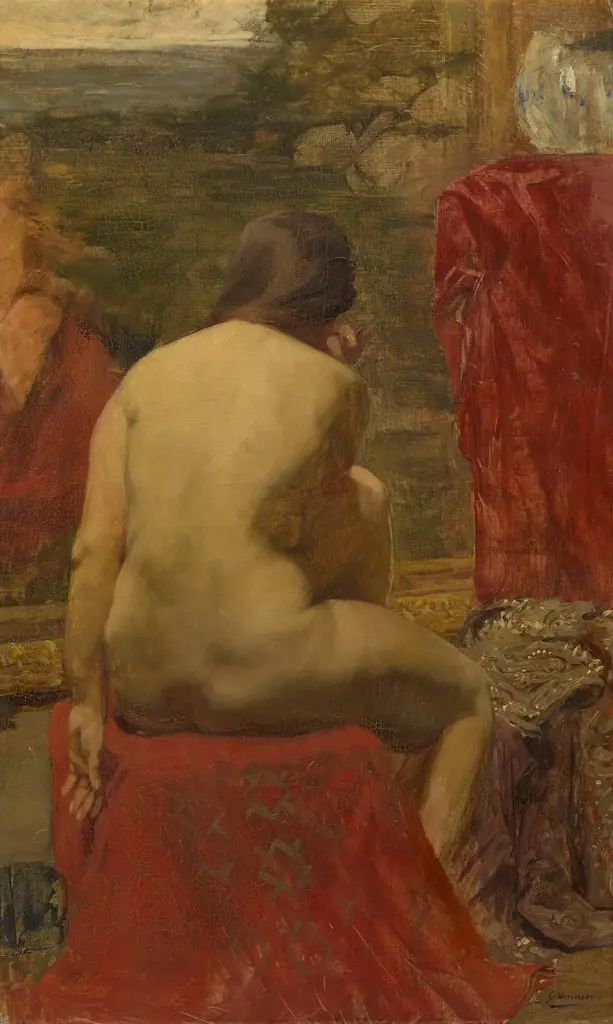
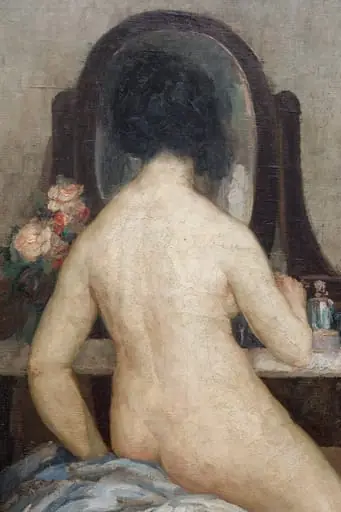
The painting portrays a woman seated at the edge of a bathtub, her back turned, wrapped in a white cloth, and gazing into a mirror. The act of self-reflection introduces a quiet psychological dimension, transforming a private moment into a contemplative encounter. The absence of overt narrative or idealization grounds the scene in realism, while the mirror subtly complicates the viewer’s position, implicating them in the act of observation.
Technique & Style
Slingeneyer employs chiaroscuro to model the figure with subtle gradations of light and shadow, enhancing the three-dimensionality of the form and the texture of the cloth. The muted tones of the interior walls and the dark mirror frame create a restrained palette that focuses attention on the figure’s silhouette and the play of reflected light. Brushwork is controlled yet fluid, balancing academic precision with a sensitivity to atmospheric effect.
History & Provenance
Completed in 1872, the painting entered the collection of the Royal Museum of Fine Arts Antwerp shortly after its creation. Slingeneyer, known for historical and portrait subjects, turned toward domestic scenes in his later career, reflecting broader European shifts in subject matter. The work’s consistent presence in the museum’s holdings suggests early institutional recognition of its quiet significance within Belgian art of the period.
Context
In the late 19th century, depictions of bathing women became increasingly common across European art, often tied to evolving ideas of privacy, femininity, and the body. Slingeneyer’s approach diverges from exoticized Orientalist tropes by focusing on a mundane, interior setting. His work aligns with a growing interest in everyday life, even as it retains the formal discipline of academic training.
Legacy
Though not widely exhibited outside Belgium, *Woman Bathing* remains a representative example of how 19th-century Belgian artists negotiated tradition and modernity. Its restrained intimacy and technical control offer a counterpoint to more flamboyant contemporaries, illustrating a quieter, introspective current in the transition from academic to modern painting.
Own this work as a print
Artist & collection
Artist
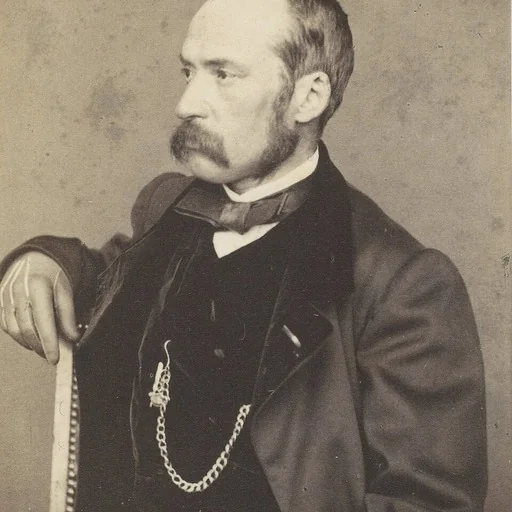
Ernest Slingeneyer, Ernest Isidore Hubert Slingeneyer or Ernst Slingeneyer (28 May 1820 – 27 April 1894) was a Belgian painter of history paintings, portraits, genre scenes and the occasional landscape.