Artwork
The battle of Lepanto
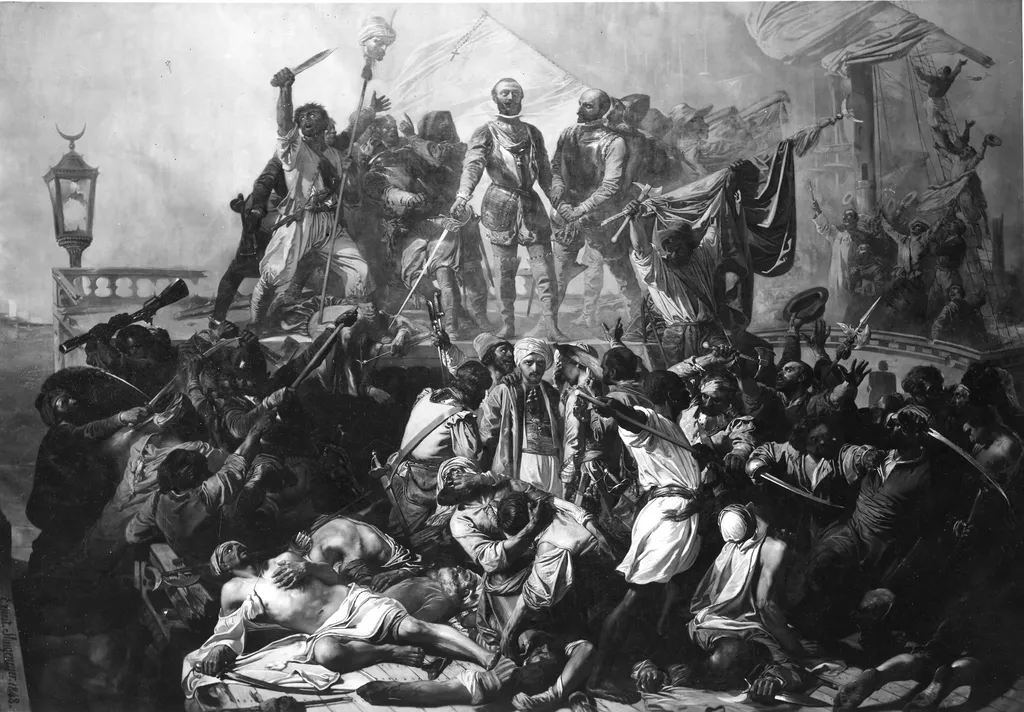
The battle of Lepanto is an oil painting by Ernest Slingeneyer. It dates from 1848 and is held in the collection of the Royal Museums of Fine Arts of Belgium.
About this work
Overview
Ernest Slingeneyer, a 19th-century Belgian painter associated with Academic and Romantic traditions, completed this oil-on-canvas in 1848.
Ernest Slingeneyer, a 19th-century Belgian painter associated with Academic and Romantic traditions, completed this oil-on-canvas in 1848. It portrays the 1571 naval confrontation between the Holy League and the Ottoman Empire at Lepanto. The work is part of the history painting genre, emphasizing dramatic historical events through composed, large-scale imagery. It resides in the Royal Museums of Fine Arts of Belgium, reflecting its institutional recognition within Belgian art heritage.
Subject & Meaning
The scene captures the chaos of a decisive naval battle, where Christian forces allied under Pope Pius V confronted Ottoman expansion in the Mediterranean. Central figures, including a helmeted commander, anchor the composition, symbolizing leadership amid disorder. Fallen and struggling soldiers in the foreground underscore the human cost of conflict. The painting does not glorify victory but conveys the violence and disarray inherent in war, aligning with Romanticism’s interest in emotional intensity.
Technique & Style
Slingeneyer employs chiaroscuro to model forms and heighten drama, using stark contrasts between light and shadow to define muscular bodies and turbulent water. Brushwork is precise yet dynamic, capturing motion in flailing limbs and billowing sails. The composition is layered, with foreground figures rendered in greater detail than the hazy background ships, guiding the viewer’s eye through the chaos. This reflects Academic training in anatomical accuracy and spatial hierarchy.
History & Provenance
Commissioned during a period of renewed European interest in historical naval conflicts, the painting entered the collection of the Royal Museums of Fine Arts of Belgium shortly after its completion. Its acquisition reflects 19th-century state patronage of art that reinforced national identity through historical narrative. No significant changes in ownership are recorded, and it has remained in public custody since the mid-1800s.
Context
Created during a wave of Romantic historicism in Belgium, the painting responds to broader European trends of revisiting medieval and early modern conflicts to explore themes of faith, empire, and heroism. While Lepanto was a real event, Slingeneyer’s interpretation is shaped more by 19th-century sensibilities than strict historical documentation. The work aligns with contemporaneous efforts to visualize national and religious narratives through art.
Legacy
Though not widely exhibited outside Belgium, the painting remains a representative example of Academic history painting in the Belgian tradition. It contributes to the understanding of how 19th-century artists engaged with past military events—not as documentary records, but as vehicles for emotional and moral reflection. Its continued presence in a national collection affirms its role in shaping historical memory through visual culture.
Artist & collection
Artist
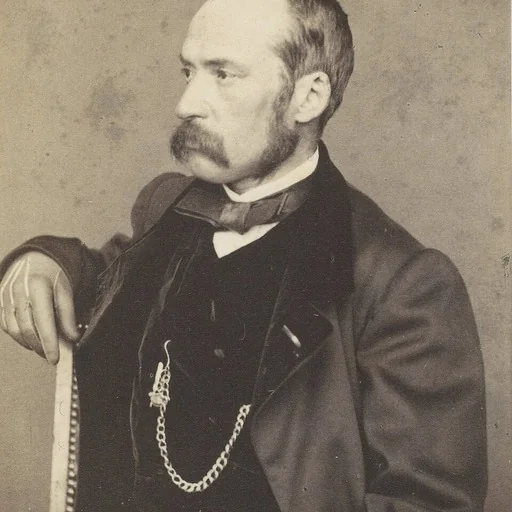
Ernest Slingeneyer, Ernest Isidore Hubert Slingeneyer or Ernst Slingeneyer (28 May 1820 – 27 April 1894) was a Belgian painter of history paintings, portraits, genre scenes and the occasional landscape.

Museum
Royal Museums of Fine Arts of Belgium
Continue through works from the same source collection.

 Le Réveil
 Die Rückeroberung Ofens aus der Hand der Türken im Jahr 1686
 Kamp mellem tyrkere og grækere på en bro
 Cavalry and Infantry Skirmish
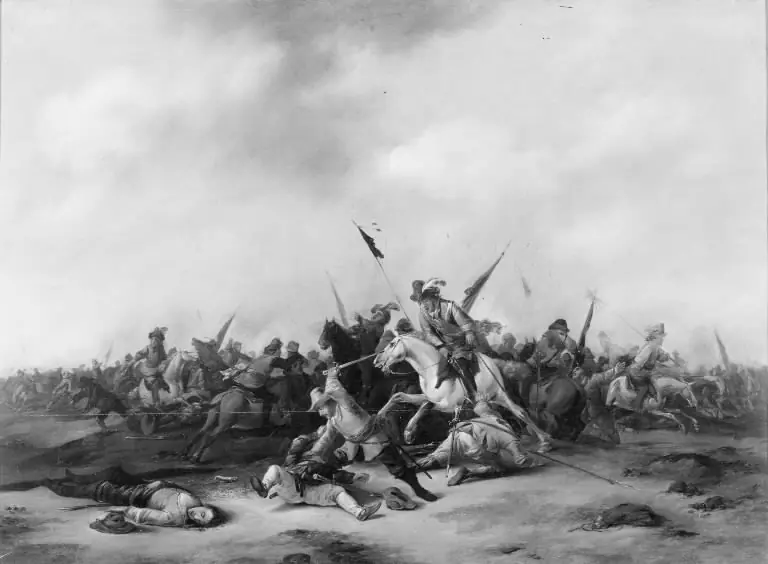 Cavalry and Infantry Skirmish
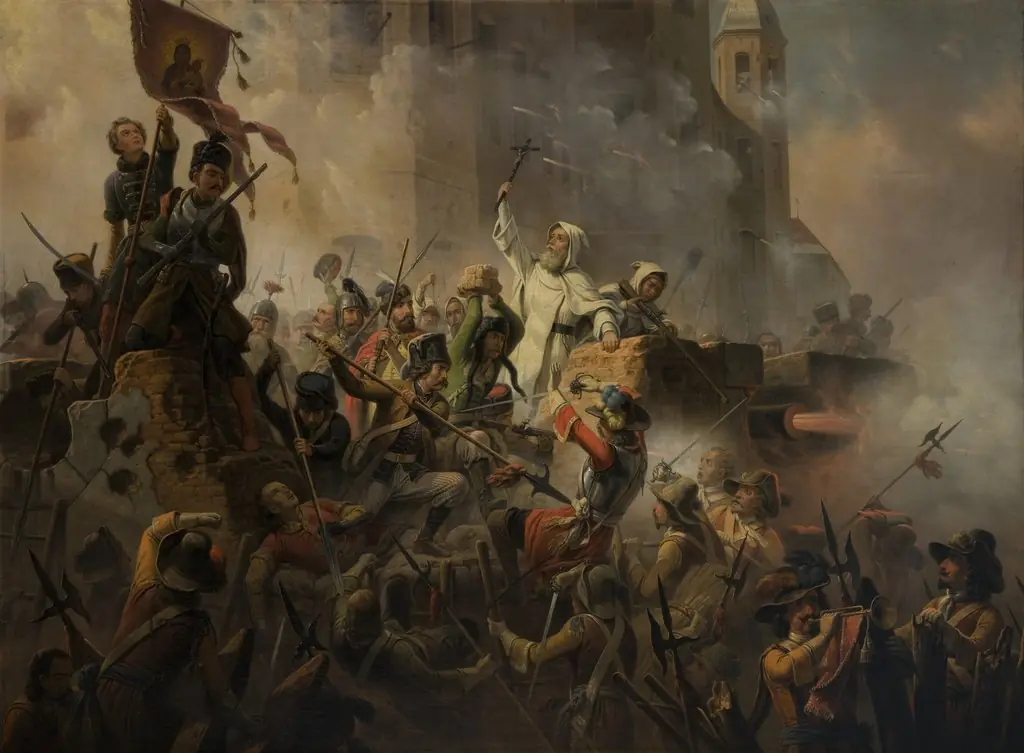 Defence of Częstochowa
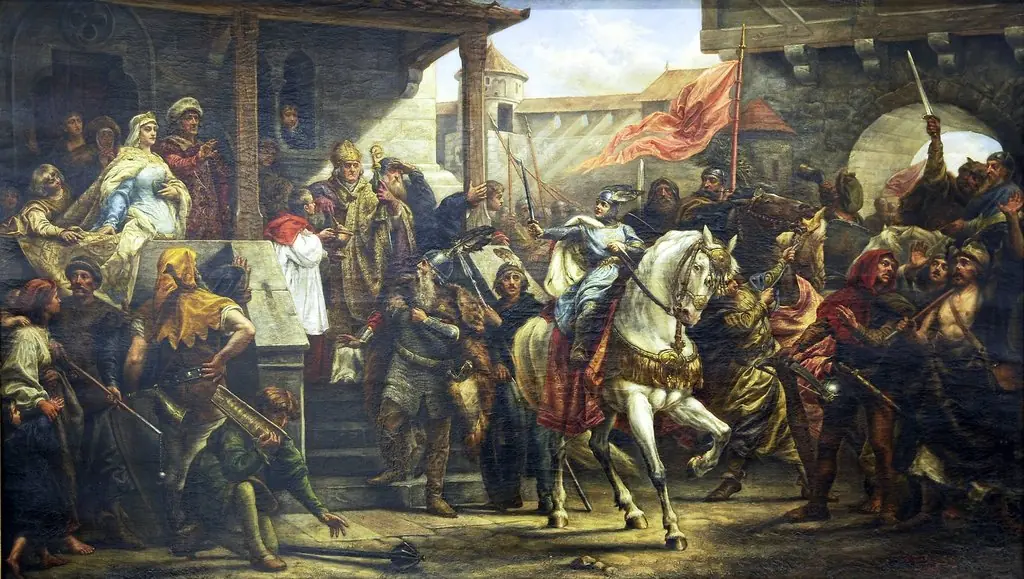 Władysław Herman blesses Bolesław the Wry-Mouthed before a war campaign
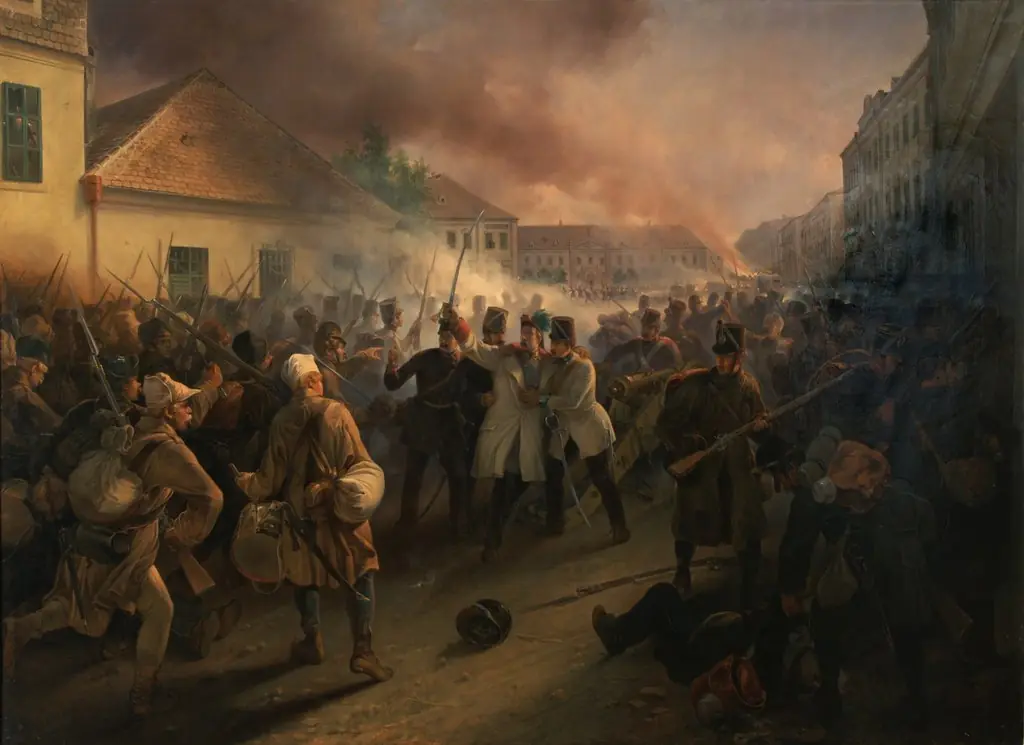 The Heroic Death of General Heinrich Hentzy von Arthurm
 Ulysses von Ithacia, II akt, 9. scene
 Ulysses von Ithacia, II akt, 9. scene
 Victory of Alexander the Great over Poros, king of India, in 326
 A Battle