Artwork
In the Garden
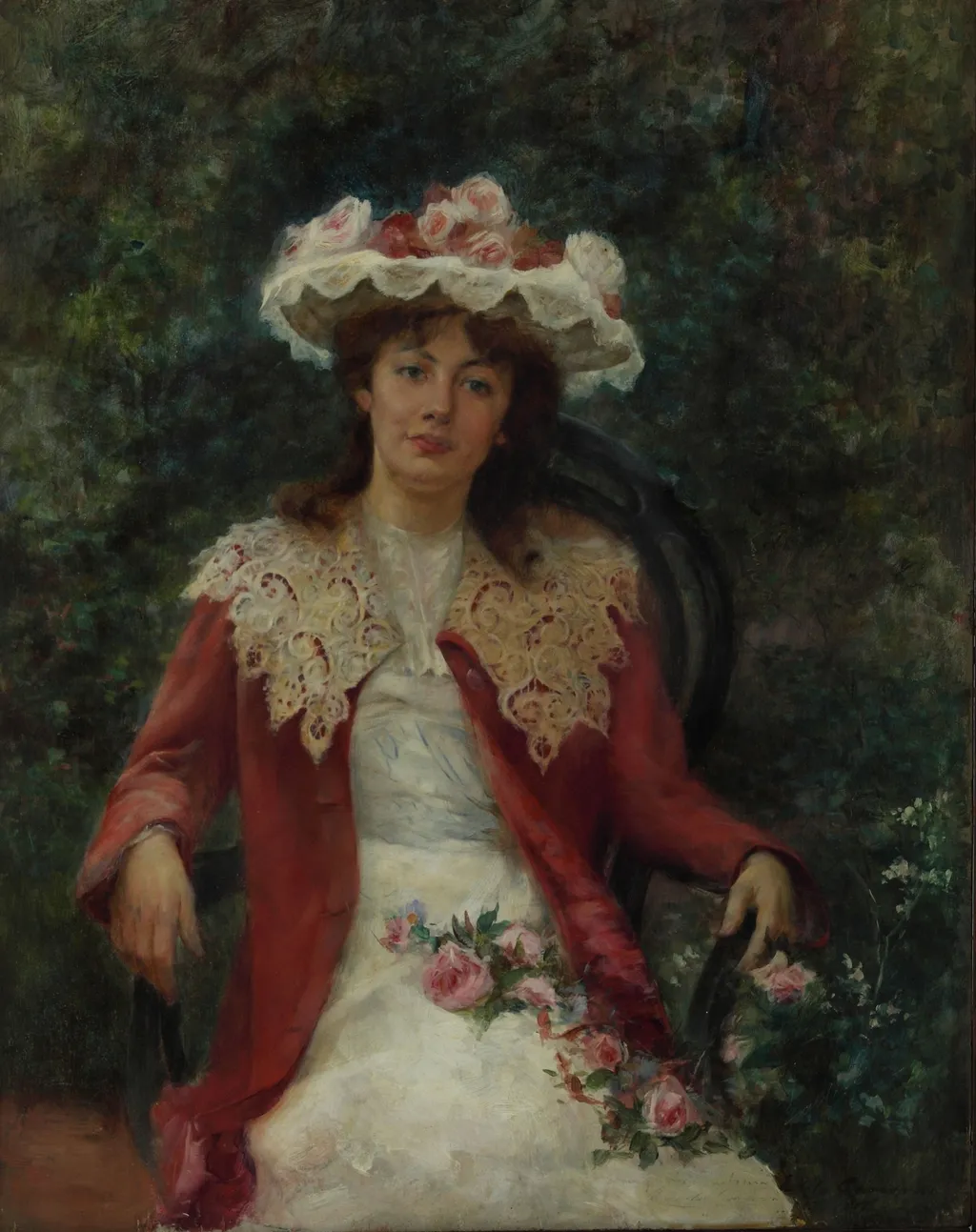
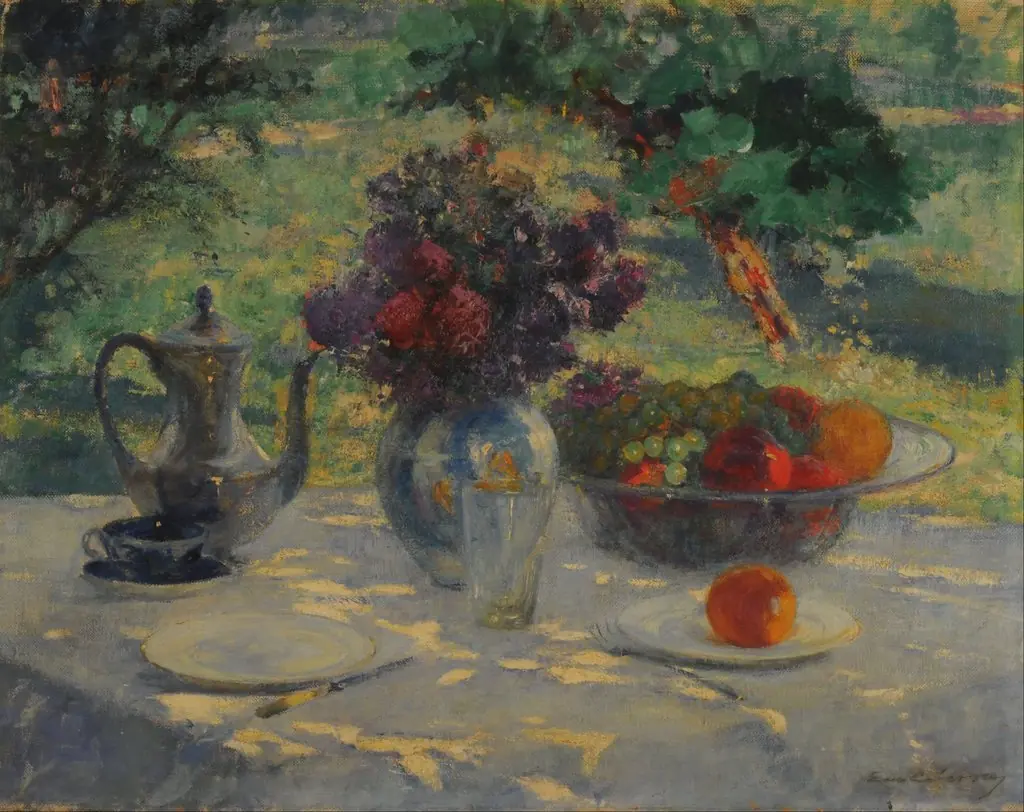
In the Garden is an oil painting by the Impressionist artist Ernesto de la Cárcova. It dates from 1902 and is held in the collection of the National Museum of Fine Arts, Argentina.
About this work
Overview
Its composition centers on the figure’s stillness and the subtle interplay of fabric, light, and foliage, reflecting a quiet moment of contemplation.
Painted in 1902 by Argentine artist Ernesto de la Cárcova, In the Garden is an oil on canvas work that captures a solitary woman seated in a quiet outdoor setting. The painting is part of the permanent collection at the National Museum of Fine Arts in Buenos Aires. Its composition centers on the figure’s stillness and the subtle interplay of fabric, light, and foliage, reflecting a quiet moment of contemplation.
Subject & Meaning
The subject is a woman dressed in a white dress adorned with pink roses and a red jacket featuring lace trim, crowned by a hat similarly decorated. Her relaxed posture and serene expression suggest an intimate pause within nature. The repeated floral motifs on her clothing and hat blur the boundary between the wearer and the garden, implying harmony between the figure and her surroundings rather than narrative drama.
Technique & Style
De la Cárcova employs chiaroscuro to model the woman’s form against a deep green background, creating volume through soft transitions of light and shadow. The texture of lace and fabric is rendered with delicate brushwork, while the roses on her dress echo the natural blooms around her. The palette is restrained, dominated by muted pinks, whites, and greens, enhancing the painting’s tranquil mood without overt symbolism.
History & Provenance
Completed in 1902, the painting entered the collection of the National Museum of Fine Arts in Buenos Aires shortly after its creation. It has remained in public ownership since, with no documented changes in custody. Its preservation reflects its early recognition within Argentina’s national art institutions, though it was not widely exhibited beyond local circles during the artist’s lifetime.
Context
Created during a period when Argentine art was developing a distinct national identity, the work aligns with late 19th- and early 20th-century trends favoring intimate, domestic scenes over grand historical themes. De la Cárcova, influenced by European academic traditions, adapted these styles to local subjects, emphasizing quiet realism over theatricality, reflecting broader cultural shifts toward introspection in urban middle-class life.
Legacy
Though not among de la Cárcova’s most widely reproduced works, In the Garden remains a representative example of his refined approach to portraiture and interior naturalism. It continues to be studied for its subtle handling of light and texture, offering insight into how Argentine artists synthesized European techniques to depict everyday moments with emotional restraint and visual precision.
Own this work as a print
Artist & collection

Museum
National Museum of Fine Arts, Argentina
Continue through works from the same source collection.
 Self-portrait
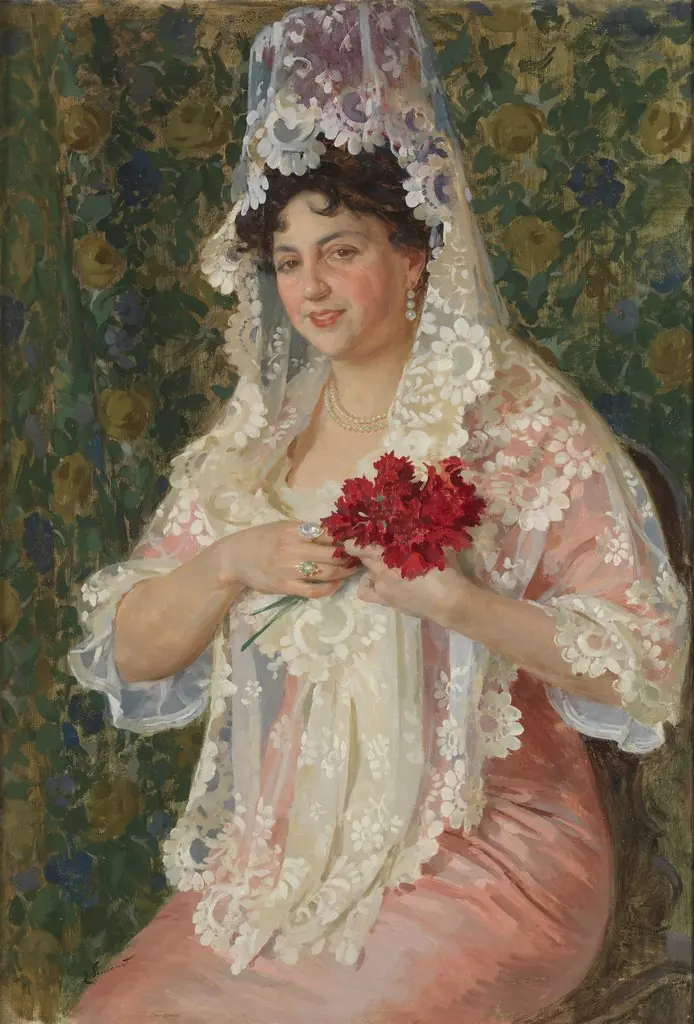 Asunción Castro Crespo, wife of the painter
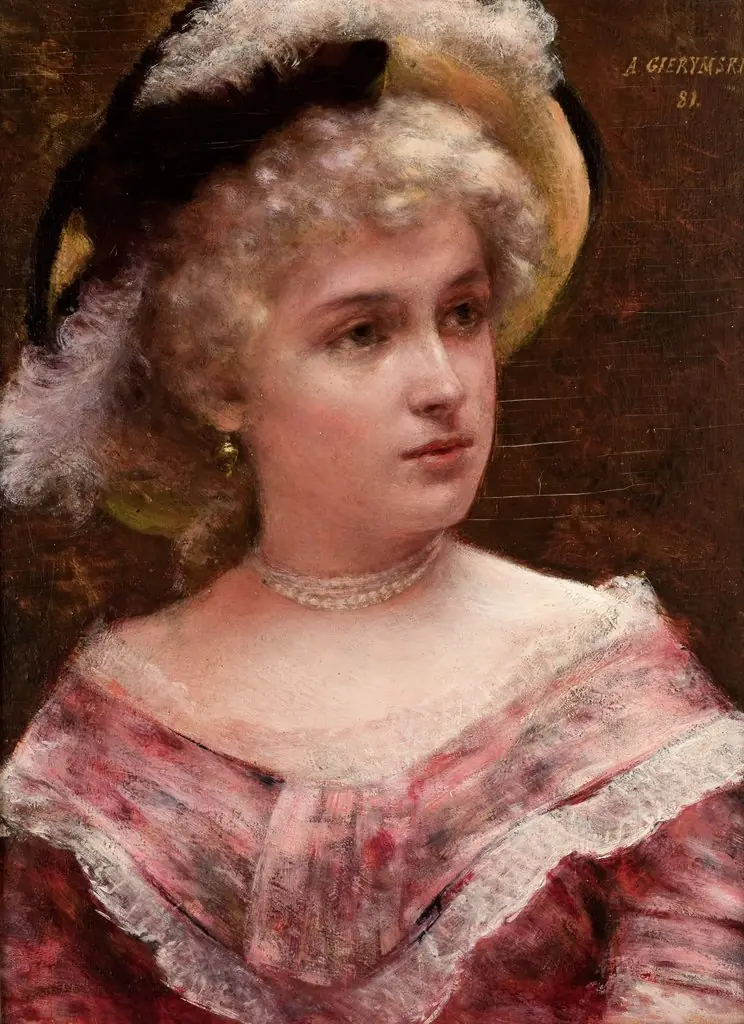 Rococo Lady
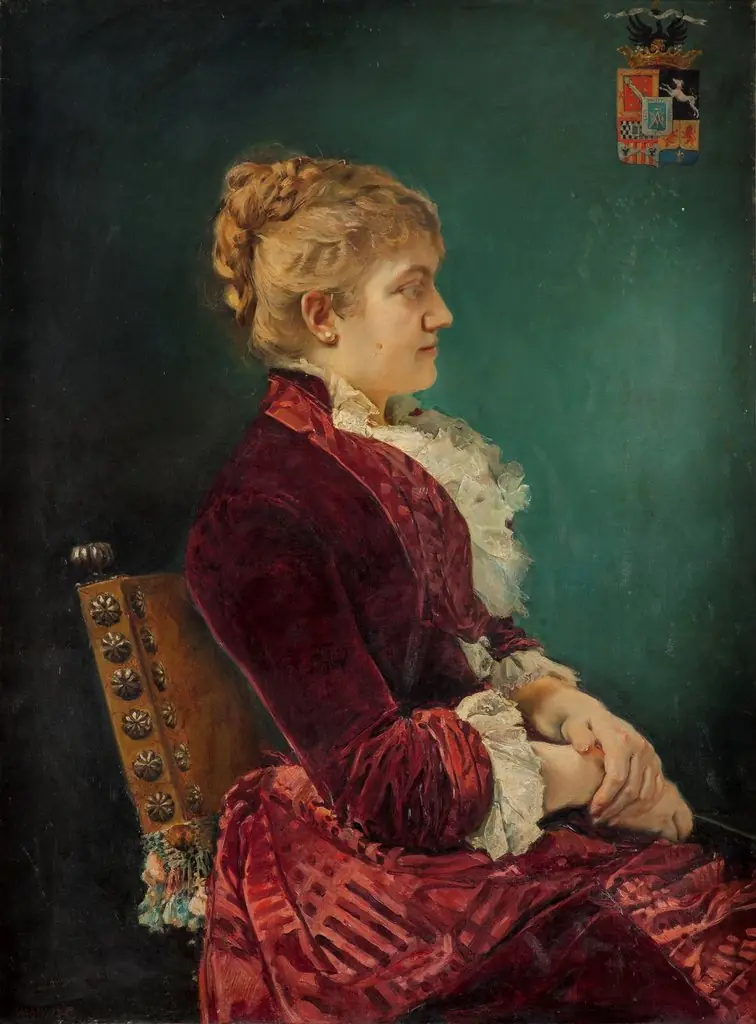 María de las Mercedes de Alcázar y Nero Vera de Aragón marquesa de Coquilla
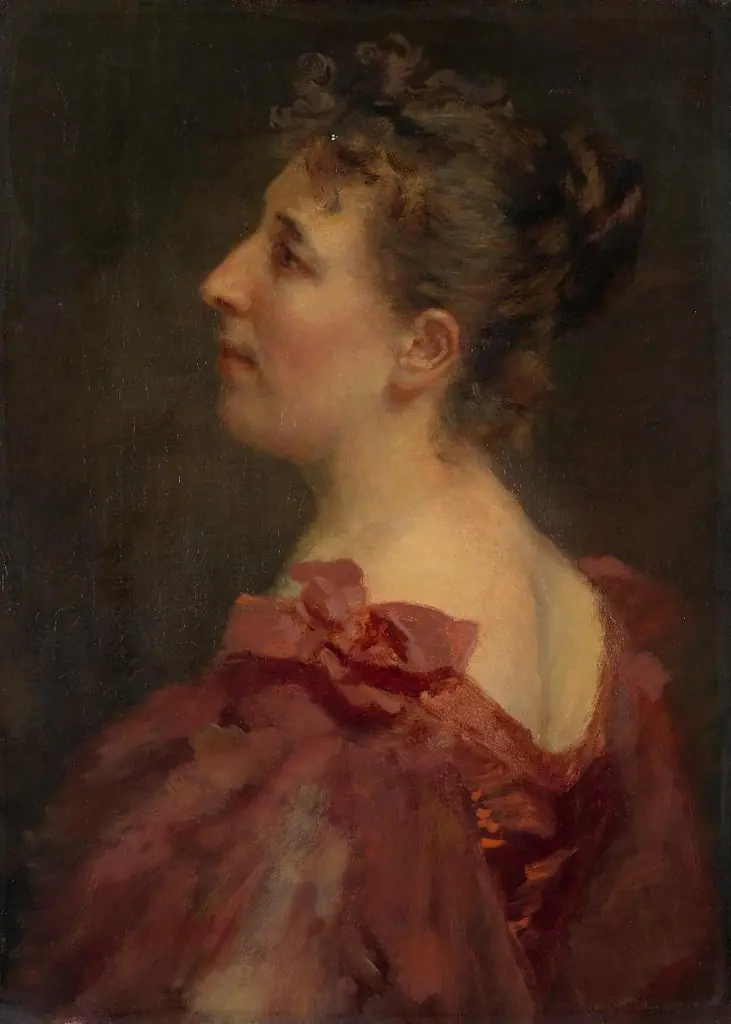 Bildnis Leonie Scheller-Kuhn
 Ausencia
 Aline Masson con tocado de gasa (Pintura)
 Portret de femeie
 La Tirana
 Portrait of Mrs Horain
 María de los Ángeles Beruete y Moret condesa viuda de Muguiro