Artwork
Sumptuous Renaissance Interior with Tric-Trac Players
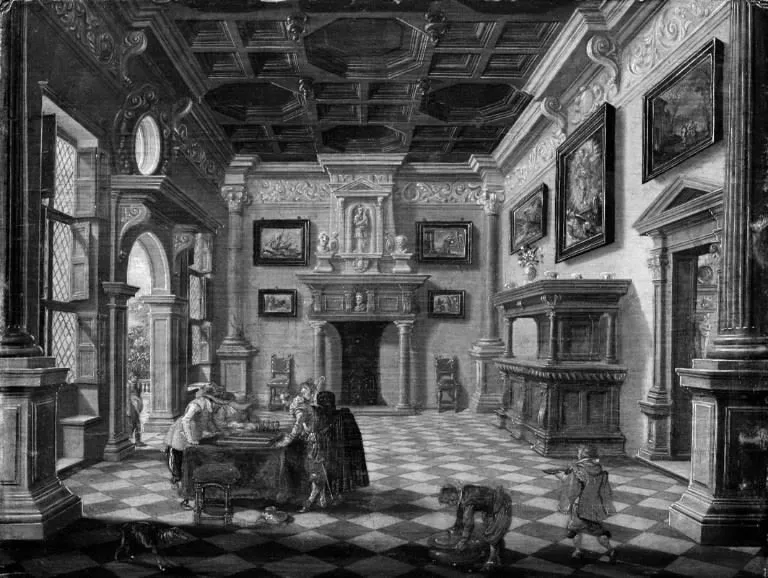
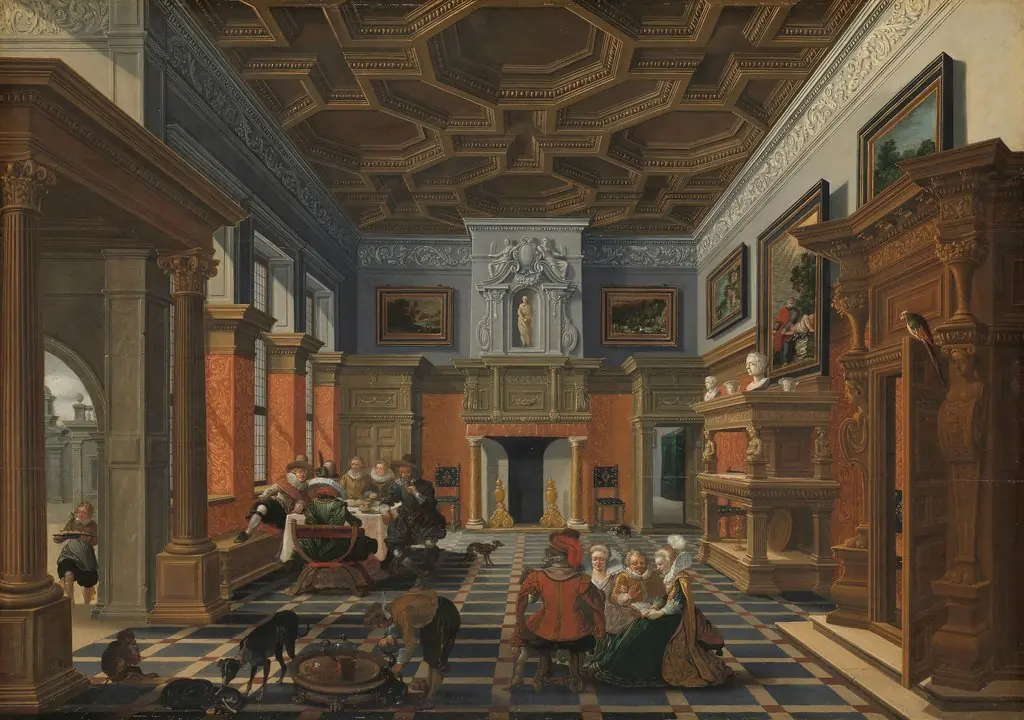
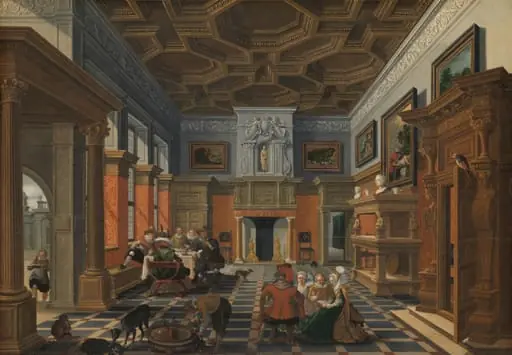
Sumptuous Renaissance Interior with Tric-Trac Players is an oil painting by the Dutch Golden Age artist Esaias van de Velde. It dates from 1626 and is held in the collection of the Statens Museum for Kunst.
About this work
Overview
Though van de Velde is better known for landscapes, this piece shifts focus to domestic life, capturing a moment of leisure among the affluent.
Painted in 1626 by Esaias van de Velde, this oil work presents a finely detailed interior scene from the Dutch Golden Age. Though van de Velde is better known for landscapes, this piece shifts focus to domestic life, capturing a moment of leisure among the affluent. The composition centers on a group engaged in tric-trac, a game akin to backgammon, set within a richly furnished room that reflects the era’s taste for elegance and order.
Subject & Meaning
The painting portrays a social gathering centered on tric-trac, a pastime popular among the Dutch upper classes. Beyond mere recreation, the scene suggests themes of leisure, status, and domestic harmony. The players’ focused expressions and the arrangement of figures imply a ritualized social interaction, where games reinforced bonds among peers. The opulent setting underscores the wealth and cultural refinement of its inhabitants.
Technique & Style
Van de Velde employs chiaroscuro to model forms and define spatial depth, using sharp contrasts between light and shadow to highlight textures—velvet garments, polished wood, and carved stonework. The checkered floor recedes convincingly, guiding the viewer’s eye into the room. Details like the ceiling moldings and wall hangings are rendered with precision, reflecting a commitment to realism and atmospheric coherence typical of early 17th-century Dutch interior painting.
History & Provenance
Created in 1626, the painting entered the collection of Statens Museum for Kunst in Copenhagen, where it remains today. Its survival through centuries reflects its early recognition as a significant example of Dutch genre painting. While little is documented about its early ownership, its inclusion in a national collection confirms its enduring value as a representative work of the period’s domestic imagery.
Context
In the Dutch Republic of the early 1600s, interior scenes became a favored subject as civic pride and economic prosperity encouraged the depiction of private life. Unlike Italian or Flemish counterparts, Dutch artists avoided religious or mythological narratives, focusing instead on the quiet dignity of everyday settings. This painting aligns with that trend, offering a secular, intimate glimpse into the material culture of the merchant class.
Legacy
Though not among van de Velde’s most widely studied works, this painting contributes to the broader understanding of how Dutch artists translated social customs into visual form. Its attention to architectural detail and psychological nuance influenced later genre painters, helping to establish the interior scene as a legitimate and enduring subject in Northern European art.
Artist & collection
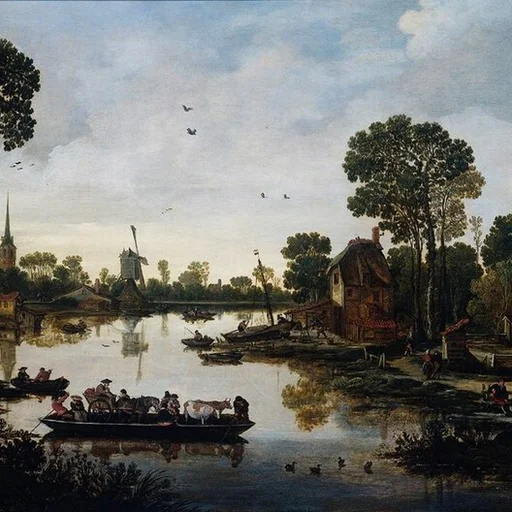
Artist
Esaias van de Velde (17 May 1587 (baptized) – 18 November 1630 (buried)) was a Dutch Golden Age painter, mainly of landscapes and a printmaker who experimented with etching.

 Old Man Received by a Gentleman in an Oriental Costume
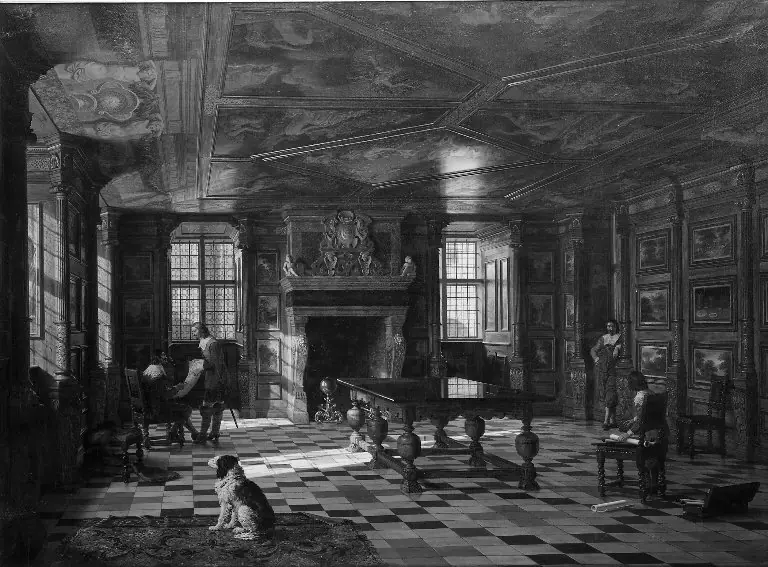 Christian IV's audiensgemak på Rosenborg
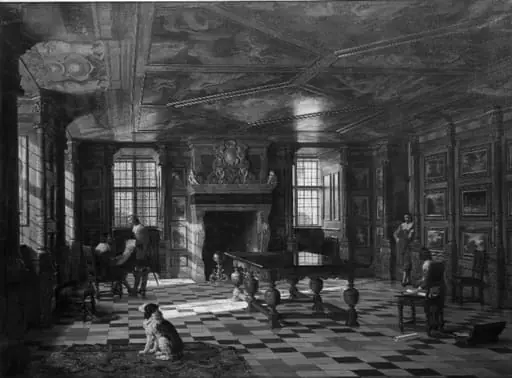 Christian IV's Audience Chamber at Rosenborg Palace, Copenhagen
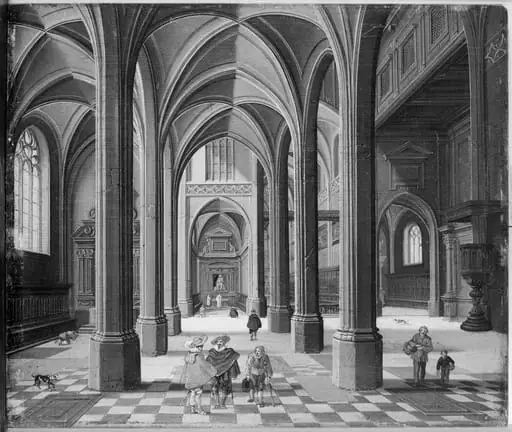 Interior of a Church
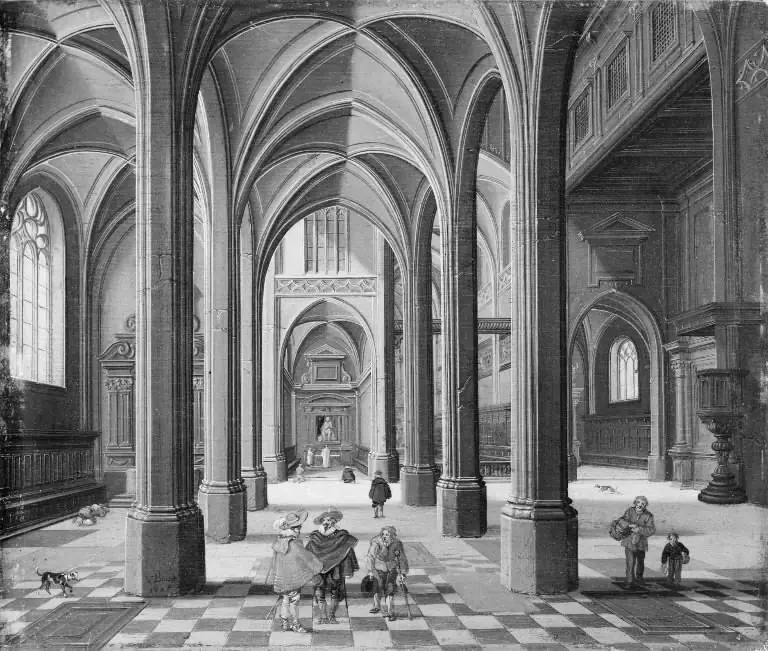 Interior of a Church
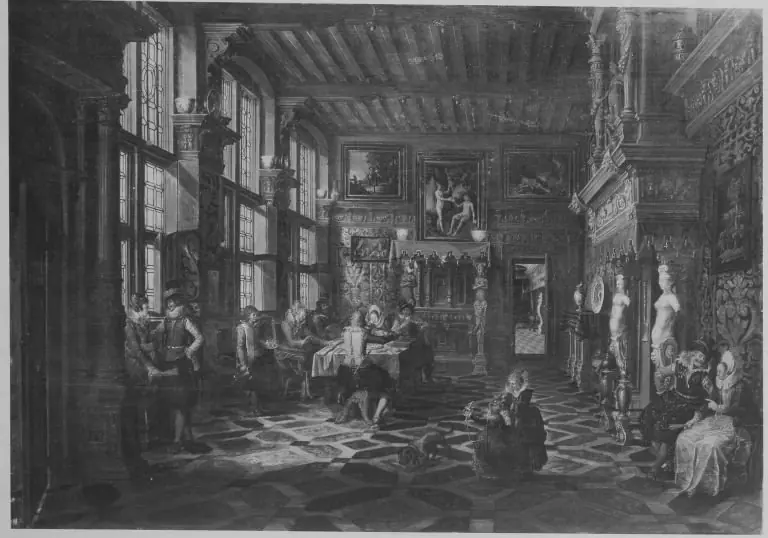 Musikalische Unterhaltung
 Gezelschap in een interieur
 Christ Instructing Nicodemus
 Christ Instructing Nicodemus