Artwork
Untitled (Pair of Portraits)
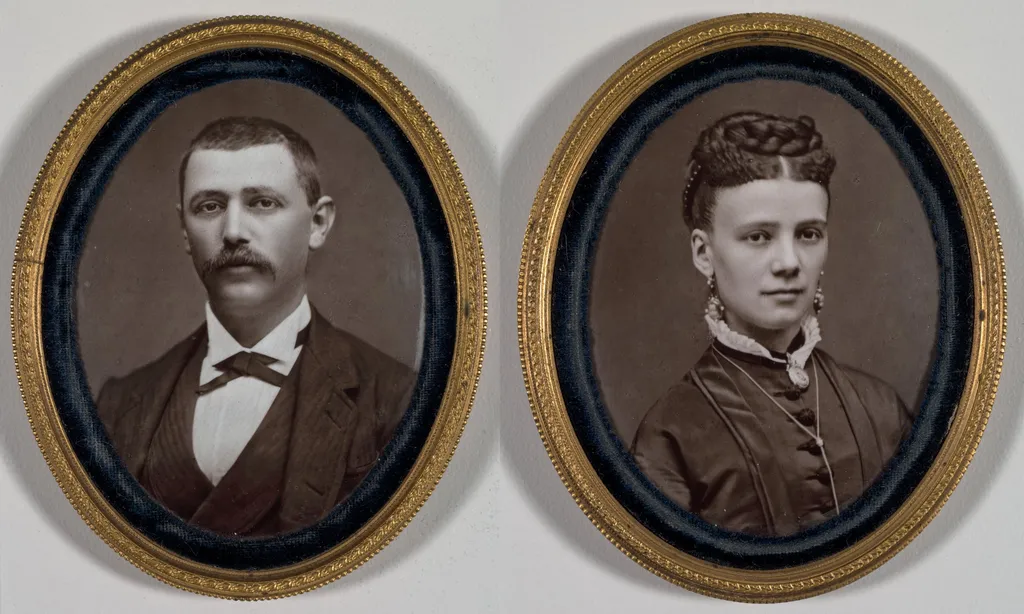
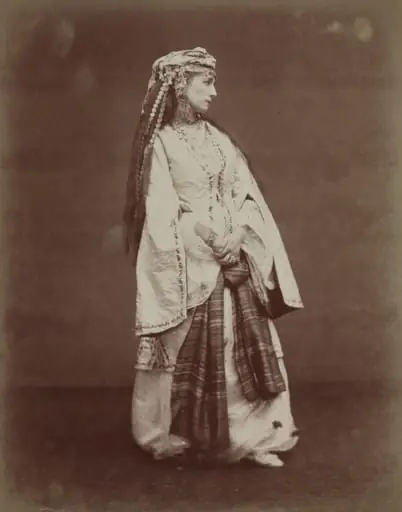
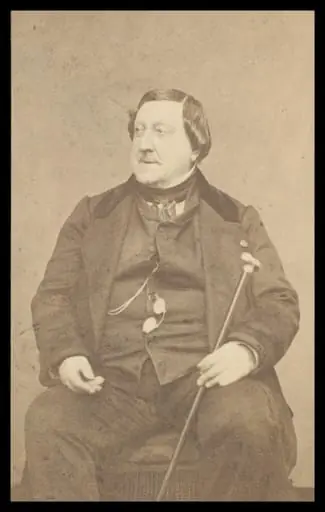
Untitled (Pair of Portraits) is a photography by the Impressionist artist Etienne Carjat. It dates from 1879 and is held in the collection of the Cleveland Museum of Art.
About this work
Overview
The technique reflects a widespread commercial practice of the era for preserving likenesses in durable, decorative form.
This pair of photographic portraits dates to the late 19th century and was produced using the collodion process on glass negatives, followed by a positive print transferred onto a metal surface with a glass-like finish. The images were mounted in ornate frames, intended for domestic display, though similar formats were also adapted into compact, portable cases for personal carrying. The technique reflects a widespread commercial practice of the era for preserving likenesses in durable, decorative form.
Subject & Meaning
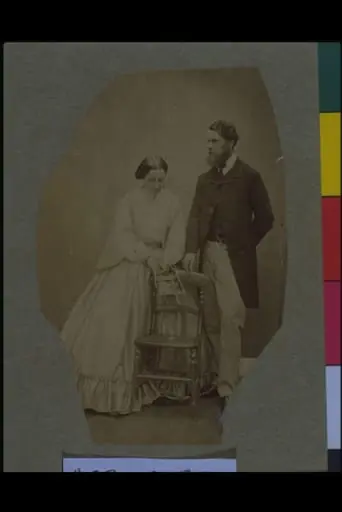
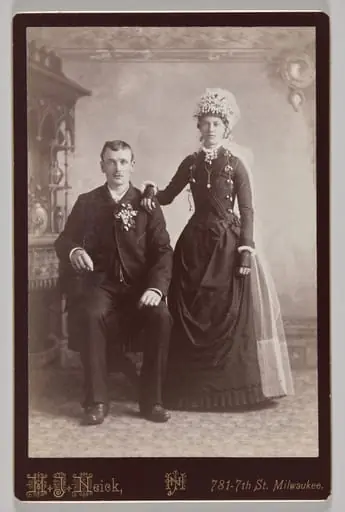
The two figures, a man and a woman, are depicted in formal attire suggesting a significant personal milestone—likely a wedding or anniversary. Their restrained expressions and coordinated dress convey dignity and social propriety. The inclusion of pearls and a bow tie signals attention to class and decorum. Together, the portraits function as a visual declaration of union, meant to be displayed in the home as a symbol of shared identity and stability.
Technique & Style
The portraits were created using wet-plate collodion photography, a labor-intensive method requiring immediate development on glass. The final images were transferred via a metallized process to create a durable, reflective surface, often called a 'ferrotype' or 'tintype.' The sepia toning and gold-leafed frames enhance the sense of permanence and refinement, aligning the technical process with the ceremonial nature of the subjects.
History & Provenance
Produced during a period when photographic portraiture became accessible to the middle class, these images were typically commissioned through local studios and processed by specialized firms. The specific origin of this pair is unrecorded, but similar examples survive in private collections and museum holdings, including The Cleveland Museum of Art, which preserves comparable works as artifacts of everyday visual culture in post-Civil War America.
Context
In the late 1800s, photographic portraits were among the most personal and enduring possessions for families without painted likenesses. The pairing of two individuals in a single frame reflected evolving social norms around marriage and domestic life. The use of durable materials like metal and glass ensured these images could be passed down, bridging the gap between the fading tradition of painted miniatures and the rise of mass-produced photography.
Legacy
Though the ferrotype process declined after the early 20th century, these portraits remain valuable as material records of middle-class life and aesthetic values. Their survival in institutional collections underscores their role in documenting personal histories through technology accessible to ordinary people. Today, they offer insight into how photography shaped identity, memory, and domestic ritual in the modern era.
Artist & collection
Artist
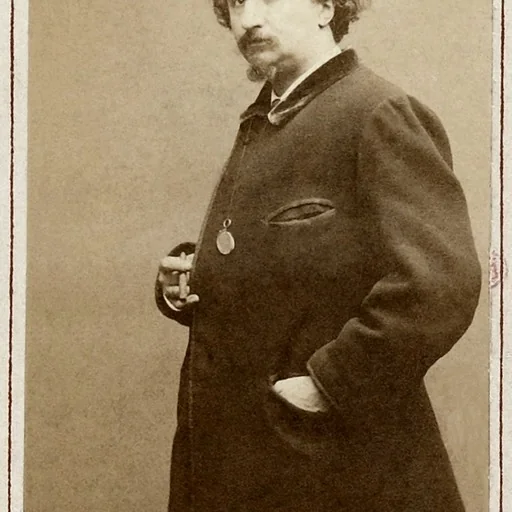
Étienne Carjat was a French journalist, caricaturist and photographer. He co-founded the magazine Le Diogène, and founded the review Le Boulevard. He is best known for his numerous portraits and caricatures of…

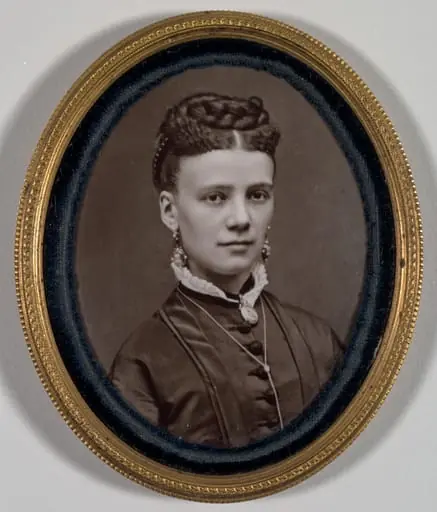
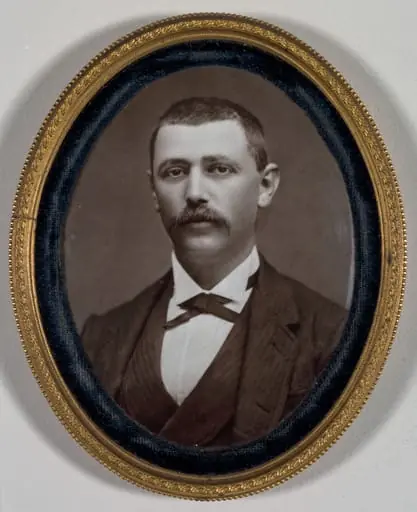
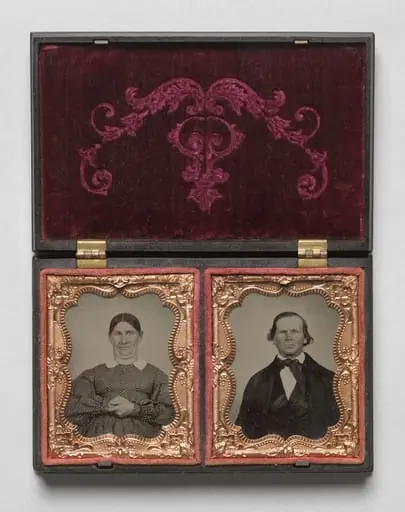 Husband and Wife
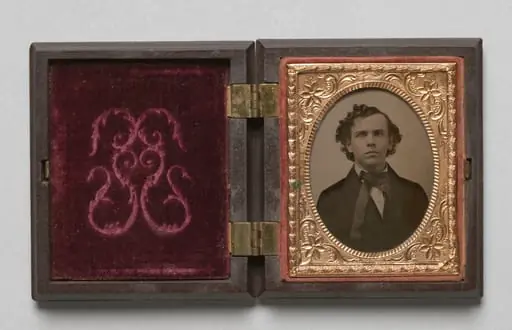 Portrait of a Young Man
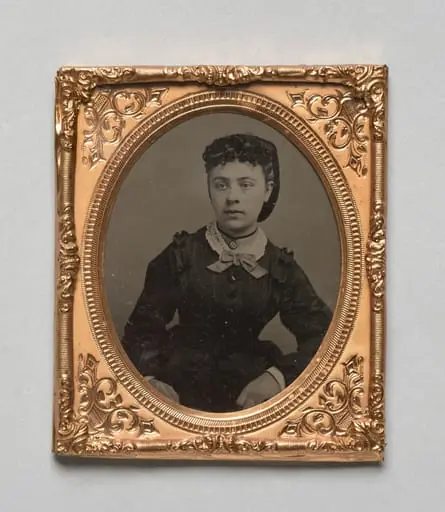 Portrait of a Woman
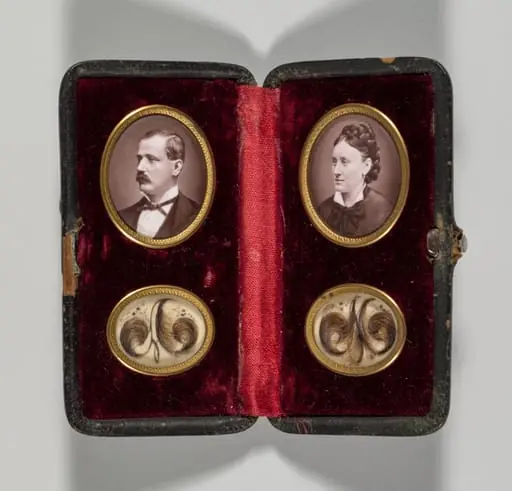 Untitled (Case with portraits of a man and woman and hair ornaments)
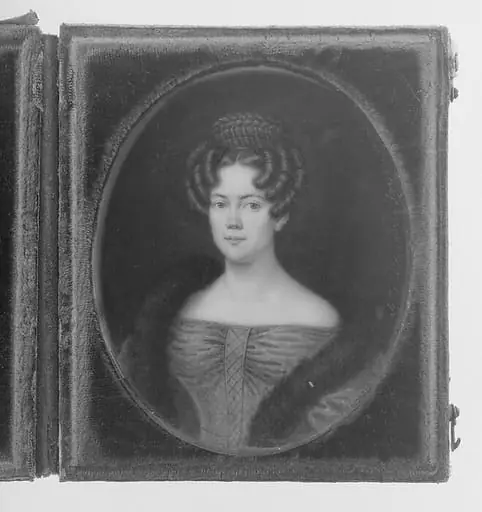 Mrs. Thomas Dillard (Matilda Kuhl)
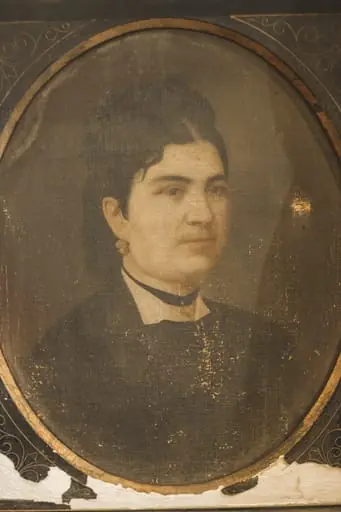 Profira Prăjescu
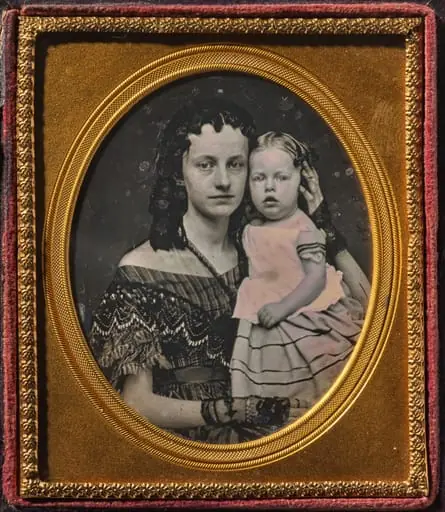 Mother and Child
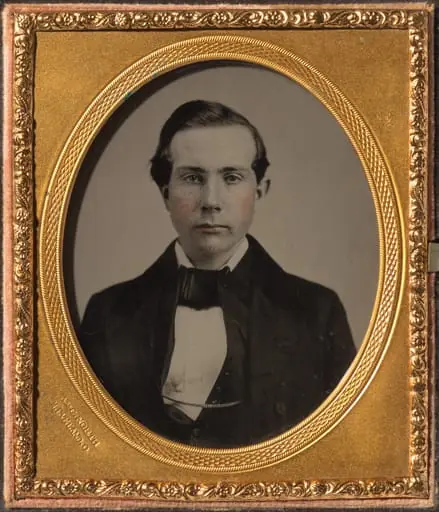 Portrait of John D. Rockefeller
 Clementina Hawarden or Anne Bontine with Donald Cameron of Lochiel, 5 Princes Gardens
 Untitled (marriage portrait)