Artwork
Sarah Bernhardt in "Zaire" by Voltaire
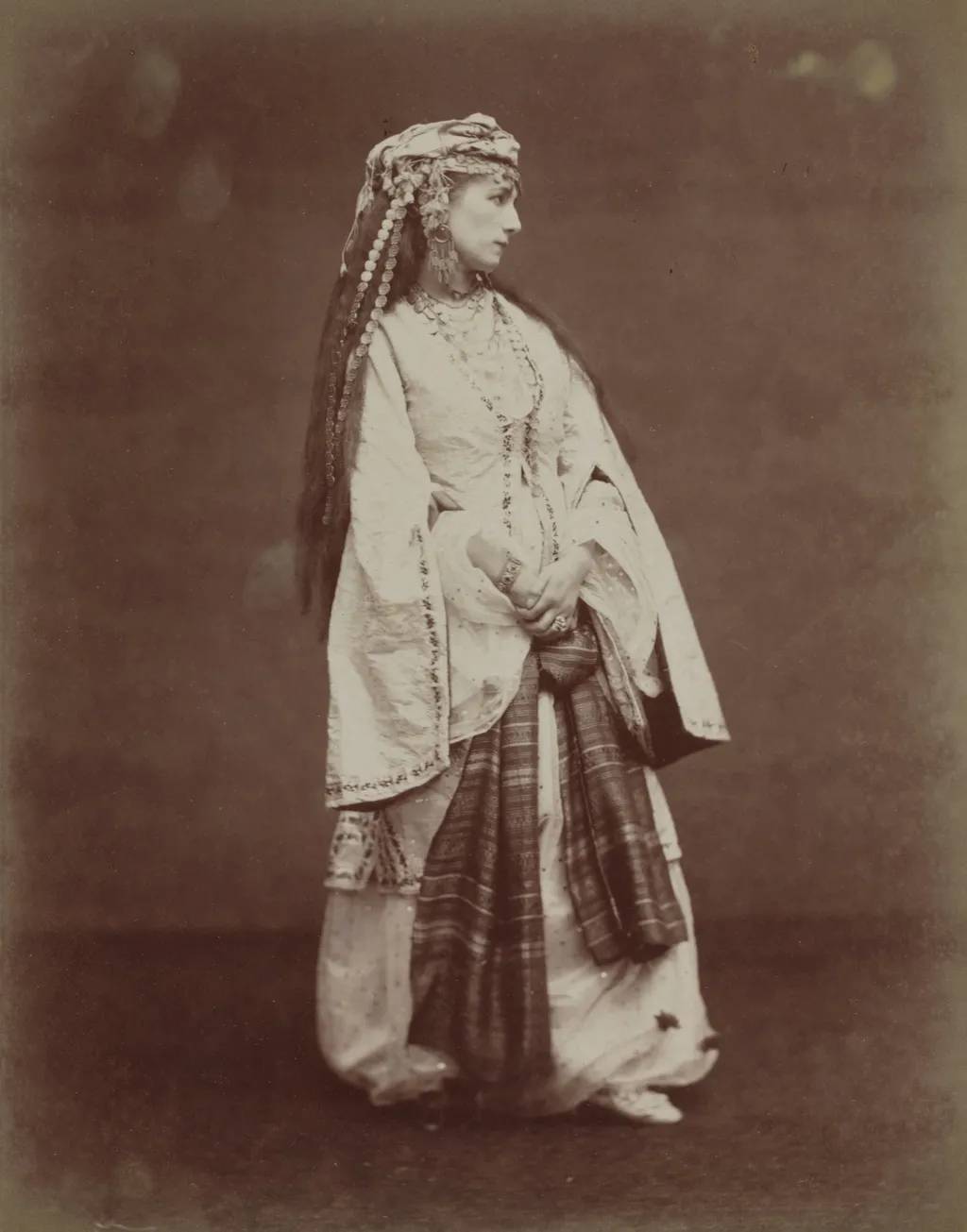
Sarah Bernhardt in "Zaire" by Voltaire is a photography by the Impressionist artist Etienne Carjat. It dates from 1874 and is held in the collection of the Cleveland Museum of Art. Étienne Carjat’s studio produced a portrait of the French actress Sarah Bernhardt when she was thirty years old.
About this work
You can learn more about this style of photography by looking into the work of Étienne Carjat (French, 1828–1906).
This painting shows Sarah Bernhardt dressed as a character from a play.
She's wearing a costume from the Crusades era.
The interesting thing about this work is that it was made in a portrait studio that focused on taking pictures of famous people, which helped them become well-known internationally.
The studio used plain backdrops to make the subjects stand out.
This was a common practice at the time.
The portrait studio was similar to others, like Nadar's, which also took pictures of famous people.
You can learn more about this style of photography by looking into the work of Étienne Carjat (French, 1828–1906).
Overview
Étienne Carjat’s studio produced a portrait of the French actress Sarah Bernhardt when she was thirty years old. In the image she appears in costume for a Crusade‑set drama, embodying a tragic lover. The photograph reflects the studio’s focus on celebrated figures, a niche that helped performers achieve worldwide recognition through printed reproductions.
Subject & Meaning
Bernhardt is depicted in full medieval attire, aligning her personal fame with the romantic narrative of the play she was performing. The costume and her poised expression convey the themes of love and destiny that dominate the stage production, linking the actress’s public persona to the character’s emotional arc.
Technique & Style
Carjat, following the practice of contemporaries such as Nadar, employed a stark, unadorned backdrop to keep attention on the sitter’s pose and costume. The photographic process required lengthy exposure times, which constrained the dynamism of the pose but emphasized precise composition and subtle facial nuance.
History & Provenance
The portrait was created in Carjat’s Paris studio, a venue renowned for celebrity photography alongside Nadar and Mathew Brady. Published in newspapers and later reproduced as engravings, the image contributed to Bernhardt’s burgeoning international reputation during the late 19th century.
Context
During this period, theatrical portraiture became a vital promotional tool, bridging live performance and mass media. Photographs like Carjat’s served as visual advertisements, circulating in the press and allowing audiences far beyond Paris to recognize and anticipate the star’s roles.
Artist & collection
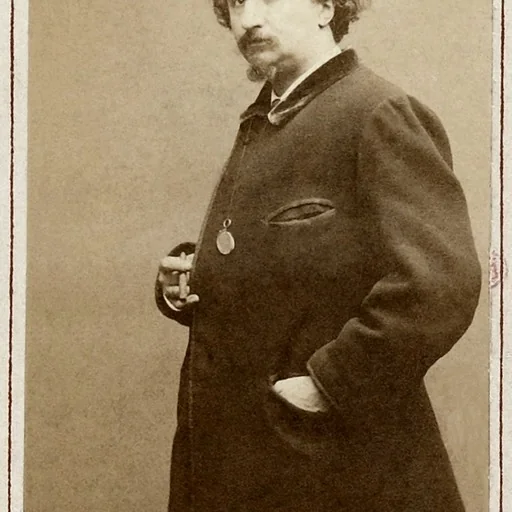
Artist
Étienne Carjat was a French journalist, caricaturist and photographer. He co-founded the magazine Le Diogène, and founded the review Le Boulevard. He is best known for his numerous portraits and caricatures of…

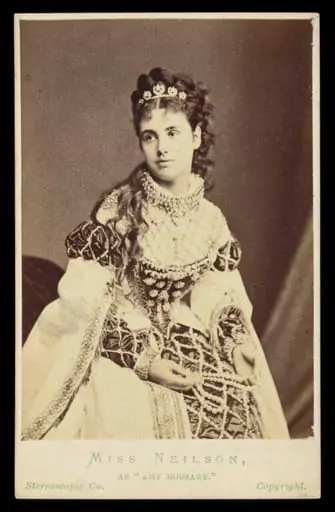 A portrait of 'Miss Neilson, as "Amy Robsart"'
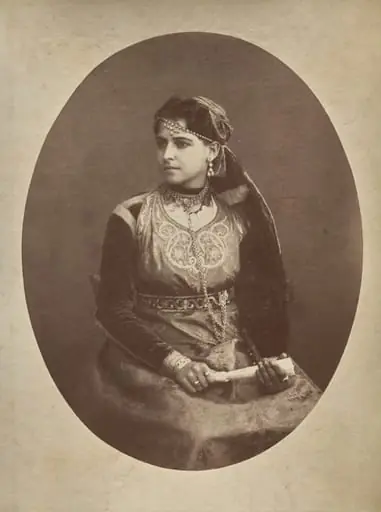 Jewish Woman in Algeria
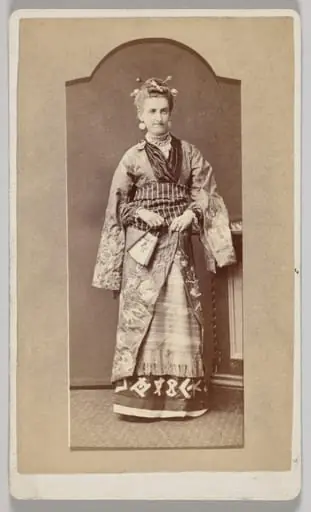 Untitled (white woman in Japanese kimono with fan)
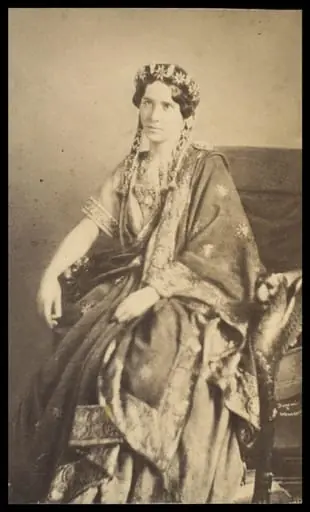 Guy Little Theatrical Photograph
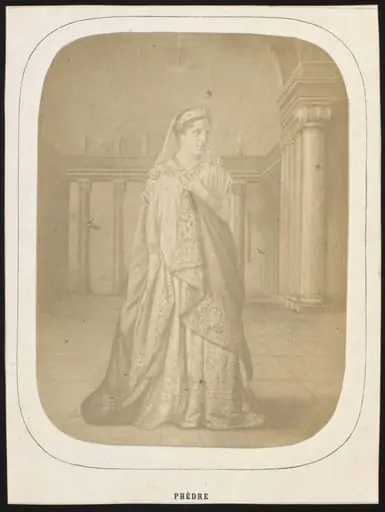 Guy Little Theatrical Photograph
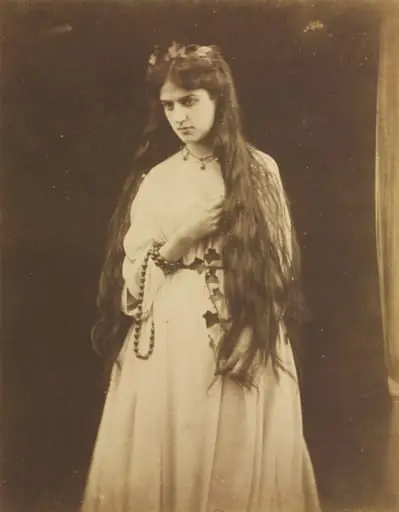 Mnemosyne (Marie Spartali, 1844-1927)
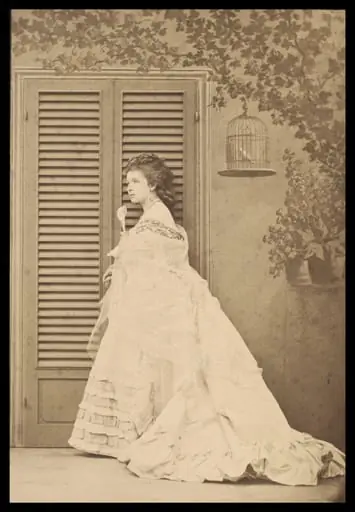 Guy Little Theatrical Photograph
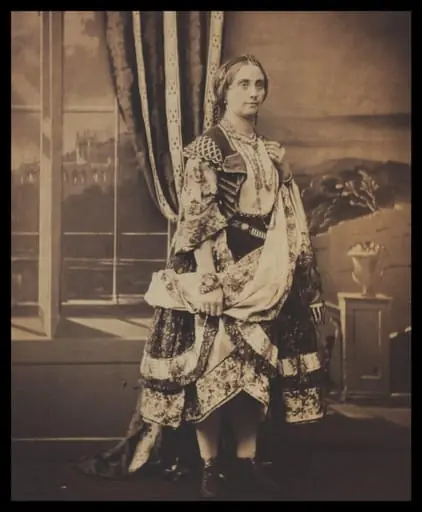 Guy Little Theatrical Photograph
 Guy Little Theatrical Photograph
 Guy Little Theatrical Photograph
 Guy Little Theatrical Photographs
 Guy Little Theatrical Photograph