Artwork
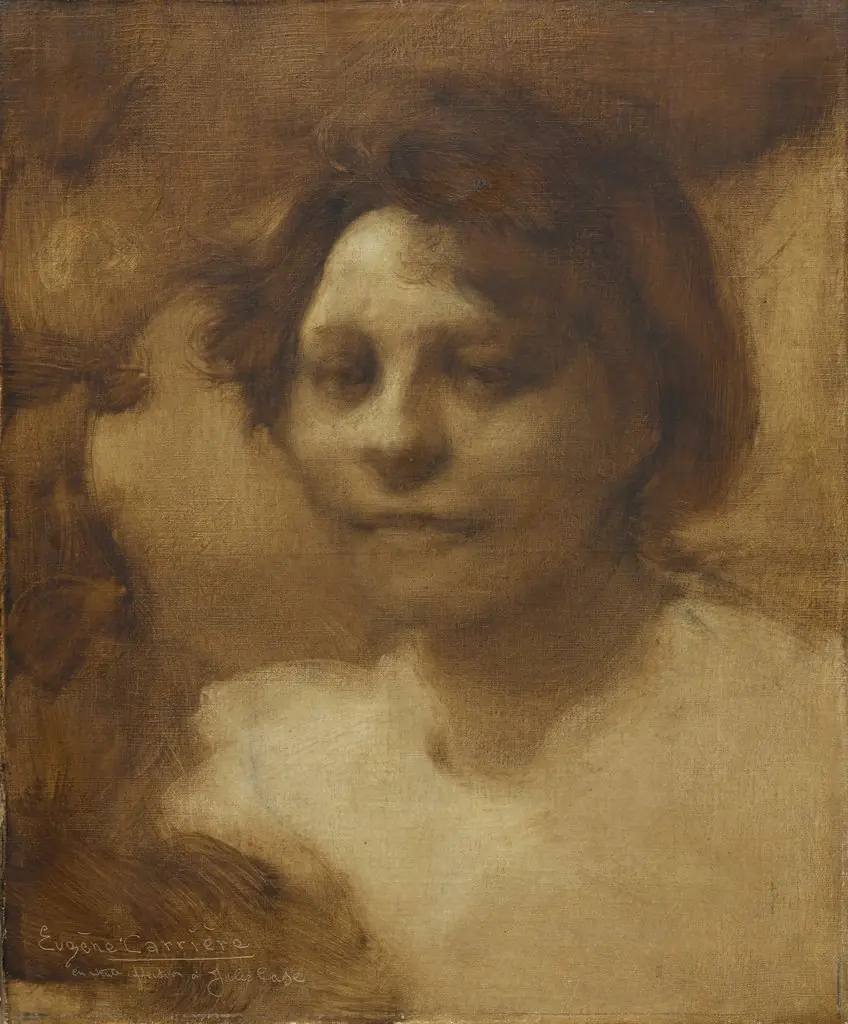
Madame Case
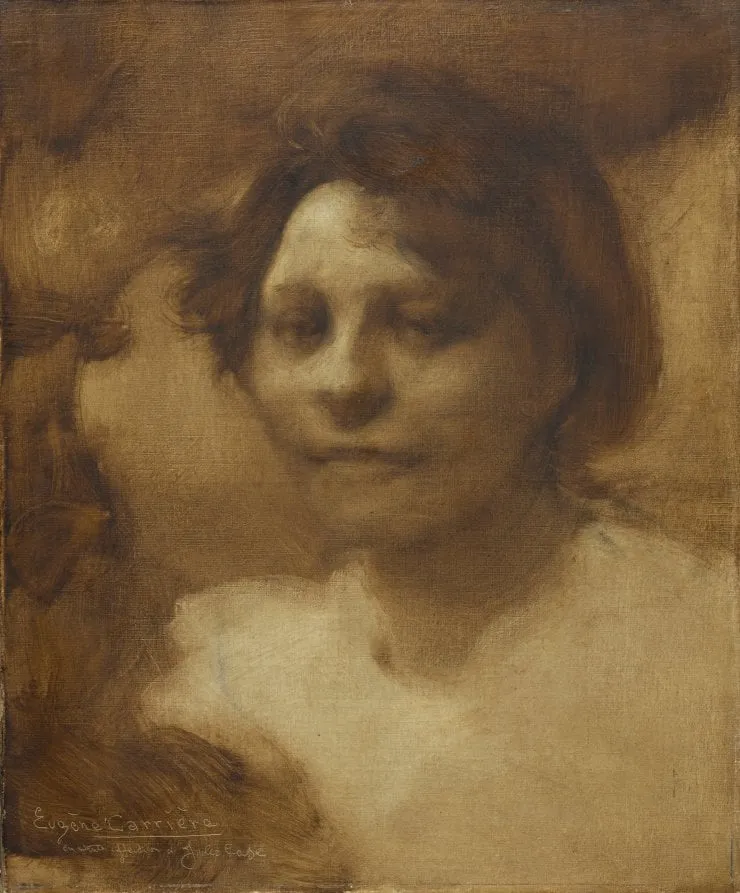
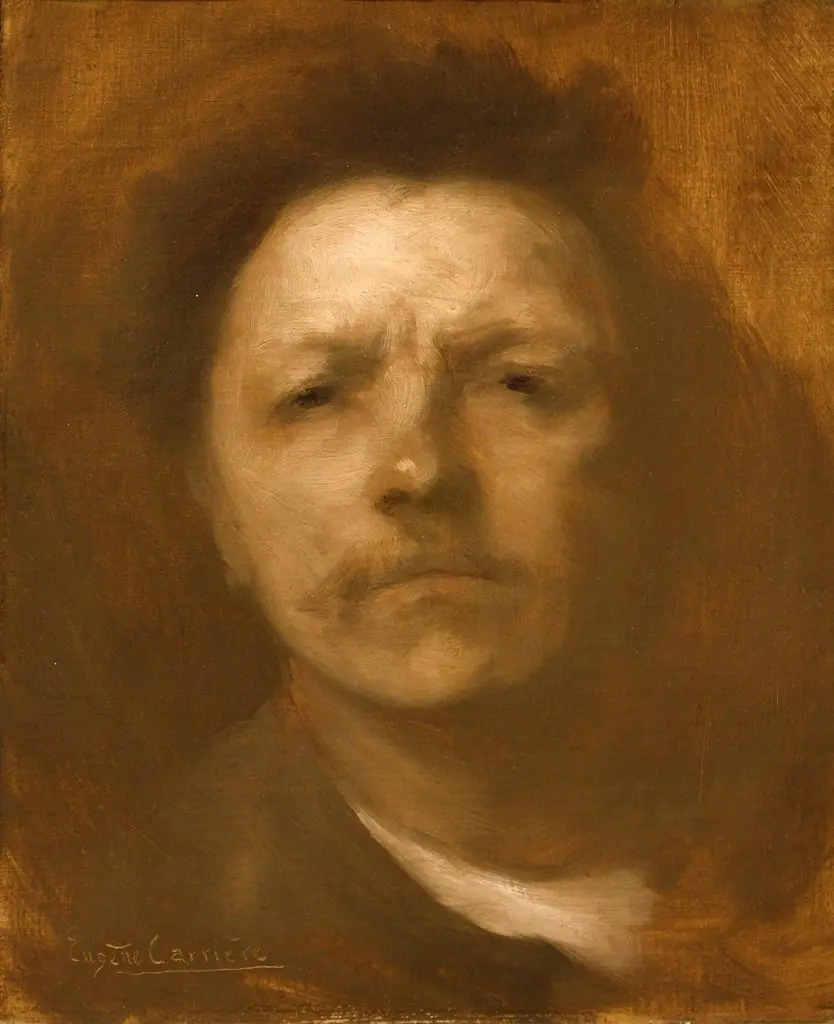
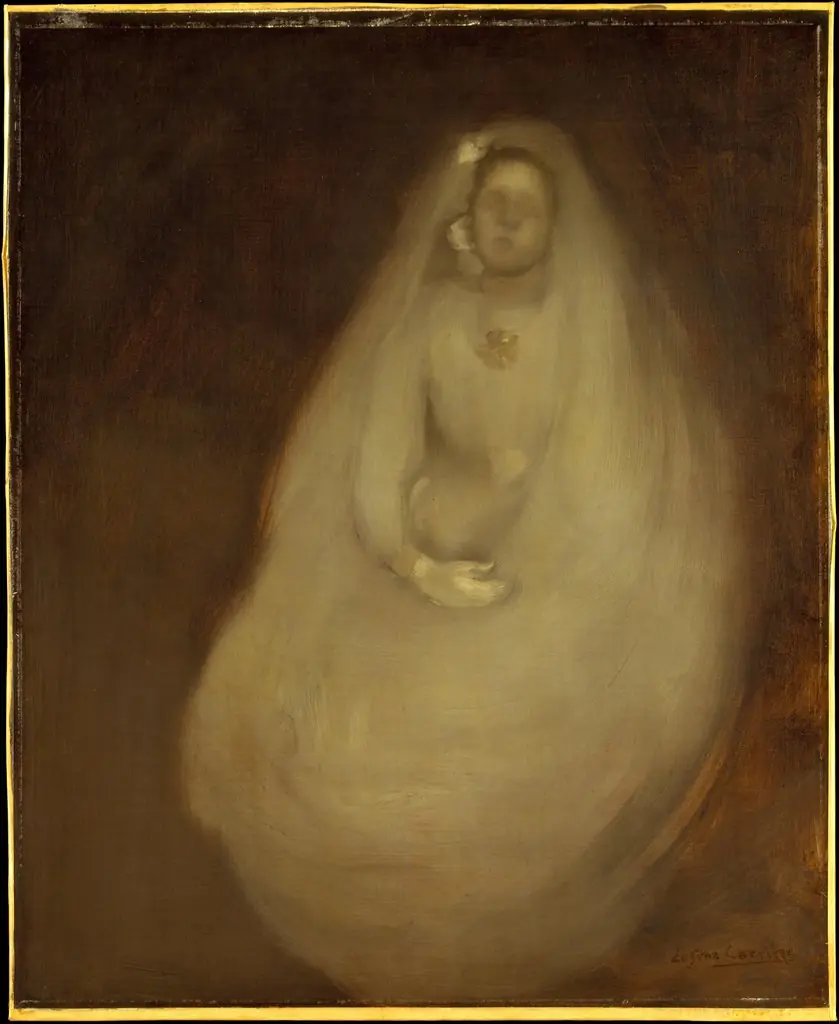
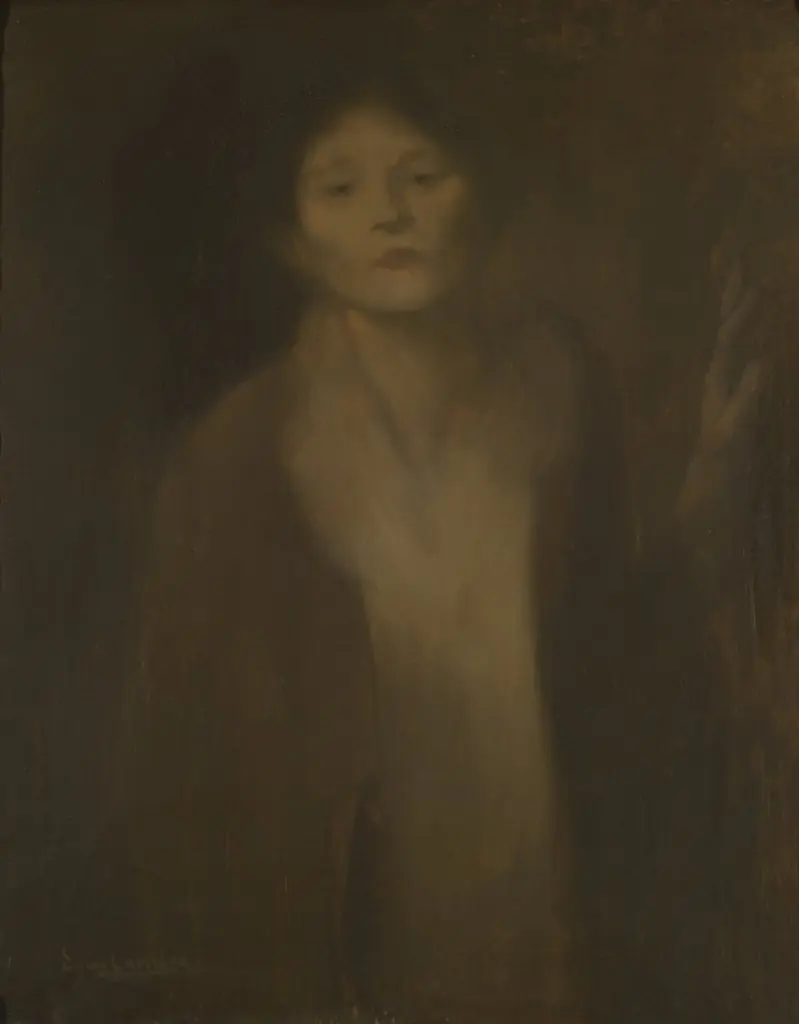
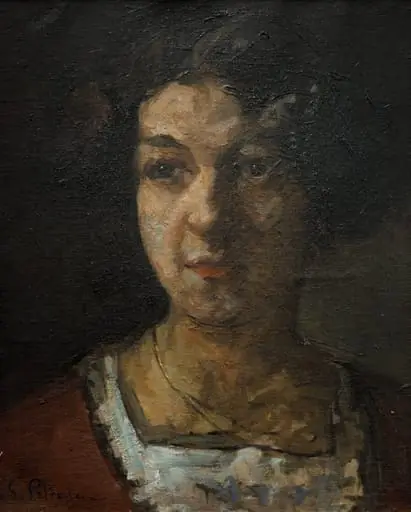
Madame Case is an unspecified painting by the Post-Impressionist artist Eugène Carrière. It dates from 1900 and is held in the collection of the Cleveland Museum of Art.
About this work
Overview
Eugène Carrière, known for his contemplative depictions of intimate figures, responded with a vision that transcends literal representation.
Painted after her death, this portrait of Madame Case was commissioned by her husband, the writer Jules Case, who requested the artist render her likeness from a photograph. Eugène Carrière, known for his contemplative depictions of intimate figures, responded with a vision that transcends literal representation. The image exists in a liminal space—neither fully present nor entirely lost—reflecting the emotional weight of grief and memory.
Subject & Meaning
The subject is believed to be the wife of Jules Case, a close friend of the artist. Her portrait was not a celebration of life but a plea to preserve a face that now offered only solace amid sorrow. Carrière’s rendering captures not her physical form, but the lingering presence of absence. The painting becomes a quiet monument to loss, where the sitter’s identity is felt more than seen.
Technique & Style
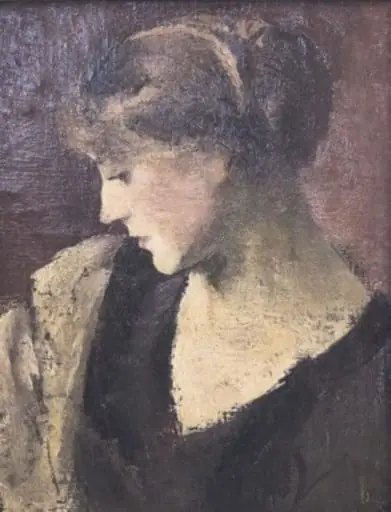
Carrière employed a muted palette of grays and soft tones, dissolving contours into atmospheric haze. Brushwork is subtle and blended, minimizing sharp edges to evoke the fragility of memory. The background lacks definition, allowing the figure to emerge as if from fog—a technique echoing sfumato but adapted to Symbolist introspection rather than Renaissance realism.
History & Provenance
The painting originated from a personal request made by Jules Case following his wife’s death. He sought the portrait not as a public tribute but as a private keepsake, asking the artist to capture what remained of her image. Carrière, working from a photograph rather than life, transformed the mechanical source into an emotional artifact, aligning the work with intimate, posthumous mourning practices of the era.
Context
Carrière was connected to the French Symbolist circle, which favored inner experience over external detail. In this period, artists turned away from naturalism to explore emotion, dreams, and the unseen. Madame Case’s portrait aligns with this ethos: her indistinct form mirrors the difficulty of holding onto a loved one after death, making the painting a quiet expression of spiritual longing.
Legacy
The portrait endures as a quiet example of how grief can shape artistic language. Its hazy form influenced later artists exploring memory and impermanence. Rather than asserting presence, it acknowledges erosion—offering a model for representing loss not through grandeur, but through subtlety, silence, and the slow fade of light.
Artist & collection

Artist
Eugène Anatole Carrière was a French Symbolist artist of the fin-de-siècle period.