Artwork
Head of an Old Woman
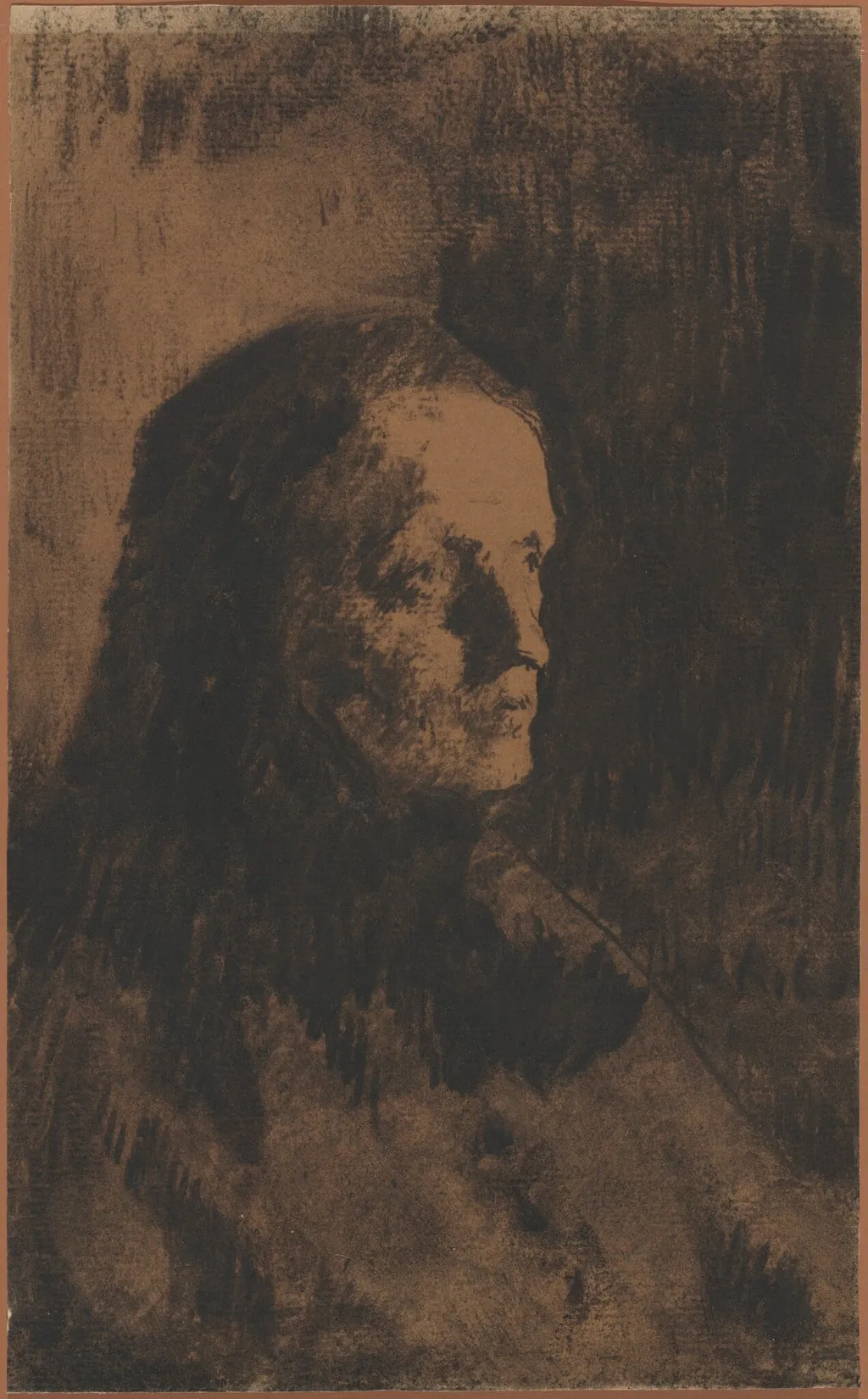
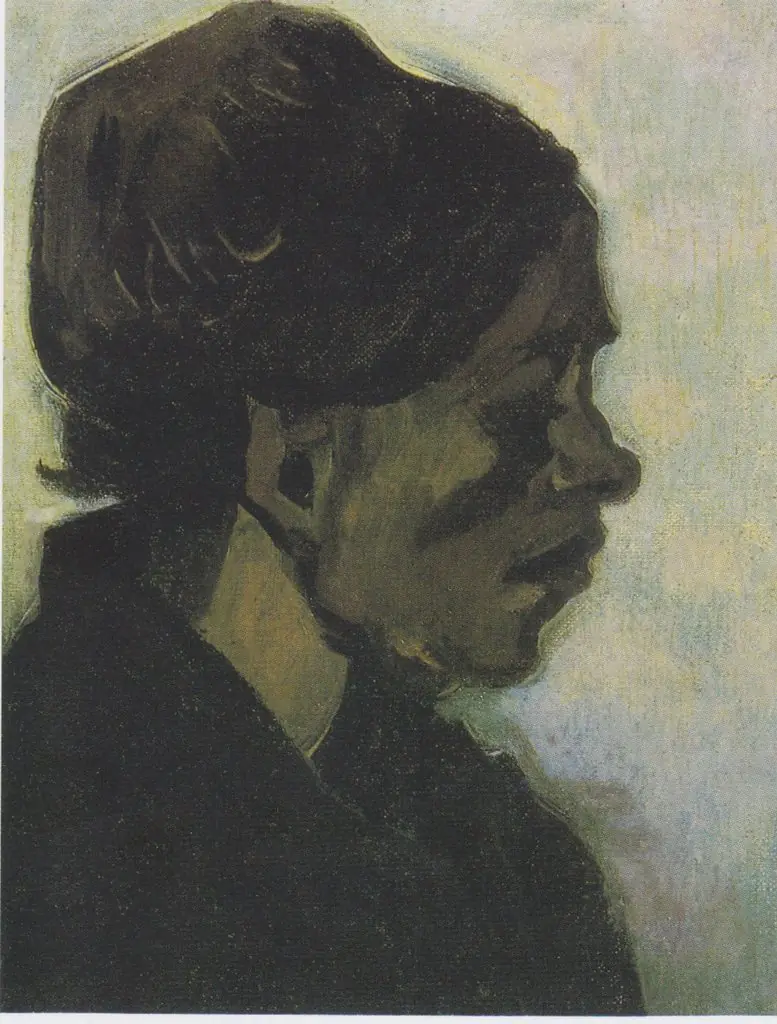
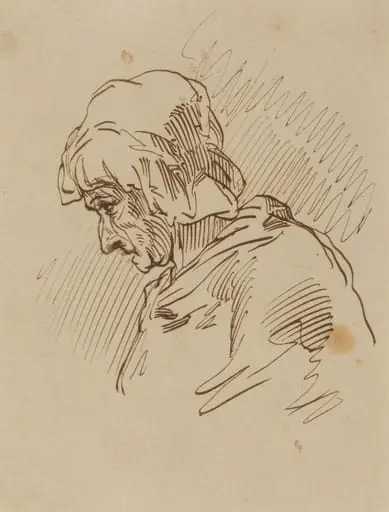
Head of an Old Woman is an ink drawing by the Impressionist artist Augustin Théodule Ribot. It dates from 1870 and is held in the collection of the National Gallery of Art.
About this work
The painting is called Head of an Old Woman.
It was made by Augustin Théodule Ribot around 1870.
The artist used pen and brown ink with brown wash on brown laid paper, which is an interesting combination of materials.
This combination of materials and techniques allows for a range of tones and textures.
You can learn more about this style by looking into the movement: Realism.
Overview
Head of an Old Woman is a drawing executed by French artist Augustin Théodule Ribot around 1870. Rendered on brown laid paper, the work presents a solitary portrait of an elderly female subject, captured in a compact, intimate format that emphasizes the sitter’s facial features and expression.
Technique & Style
Ribot employed pen and brown ink, complemented by a brown wash, to achieve a subtle gradation of tone across the paper’s surface. The combination of line work and wash creates a textured surface, allowing delicate shading and a range of values that convey the contours of the face while retaining the paper’s natural hue.
Subject & Meaning
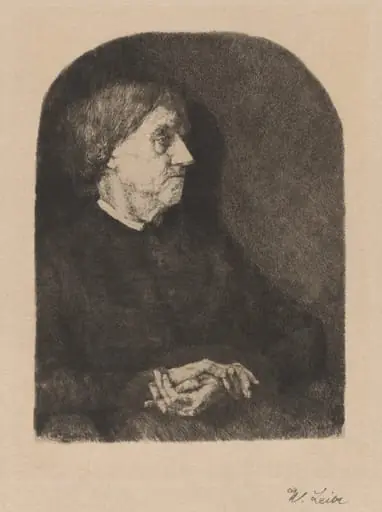
The drawing focuses on the aged woman's head, offering a direct, unembellished observation of age and character. By isolating the visage, Ribot invites contemplation of the individual’s life experience, aligning with a realist interest in portraying ordinary people with honesty and psychological depth.
Context
Created in the early 1870s, the piece reflects the realist movement’s emphasis on everyday subjects rendered without idealization. Ribot, known for his sober, observational approach, applied these principles to drawing as well as painting, using modest materials to document the human condition in a straightforward, observational manner.
Artist & collection