Artwork
Jewess of Algiers and a Street in Algiers
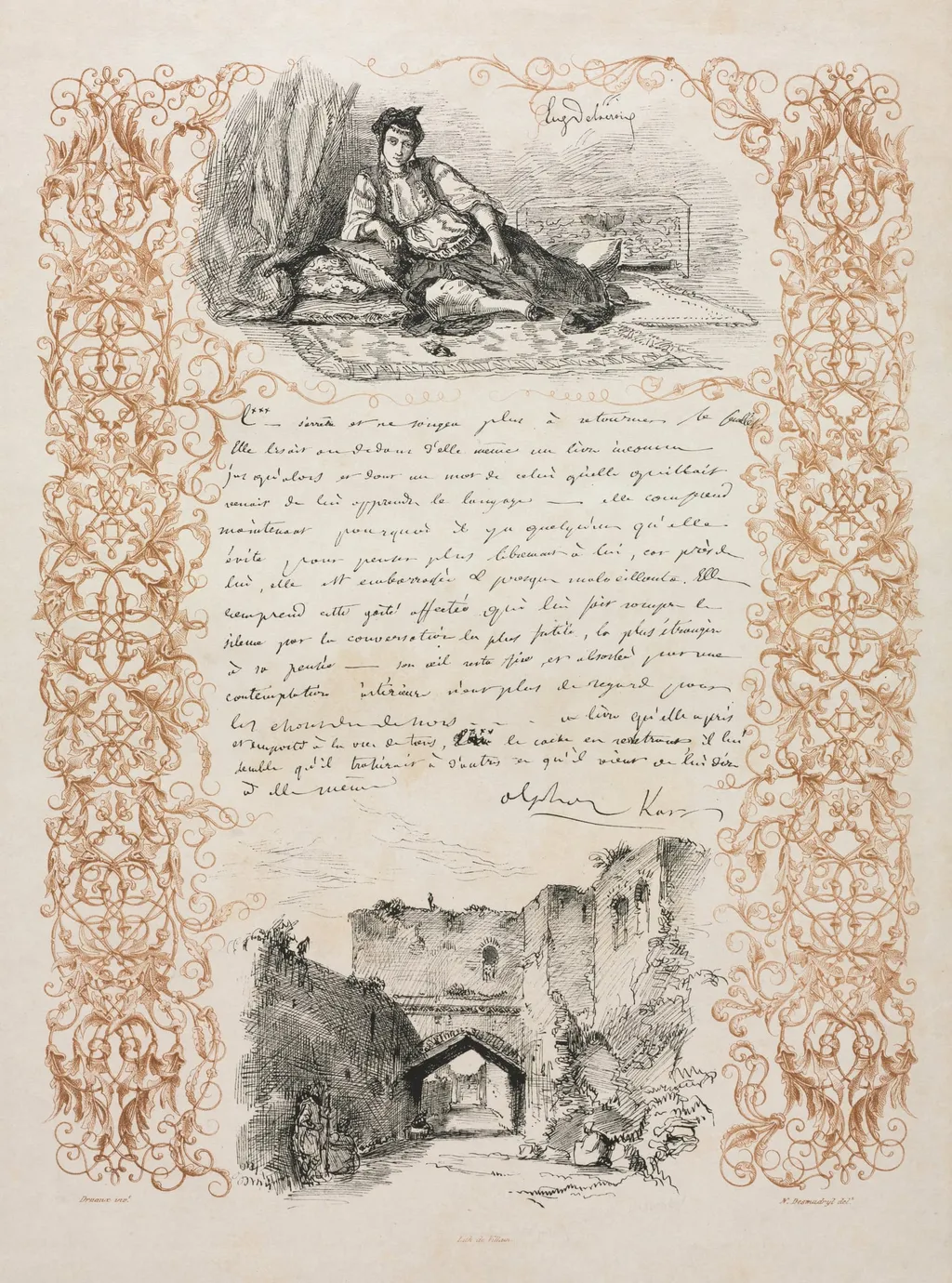
Jewess of Algiers and a Street in Algiers is a print by the Romanticist artist Eugène Delacroix. It dates from 1838 and is held in the collection of the Cleveland Museum of Art.
About this work
Overview
The piece reflects his firsthand observations during a 1832 journey to North Africa, which deeply influenced his later subjects and palette.
Painted in 1838 by Eugène Delacroix, this work captures a quiet interior scene in Algiers, combining portraiture with architectural detail. Delacroix, a central figure in French Romanticism, rendered the moment with heightened color and atmospheric warmth rather than rigid form. The piece reflects his firsthand observations during a 1832 journey to North Africa, which deeply influenced his later subjects and palette.
Subject & Meaning
A woman, dressed in traditional attire, sits calmly on a rug, her hands folded in her lap, gazing gently toward the viewer. Surrounding her are modest domestic items—a vase, a book, a low table—suggesting private, everyday life. Her stillness and direct gaze invite quiet reflection, avoiding exoticism in favor of human presence. The scene conveys introspection rather than spectacle, emphasizing dignity in solitude.
Technique & Style
Delacroix employed rich, warm tones—ochres, golds, and deep reds—to build a luminous, enveloping space. Brushwork is loose yet deliberate, with soft transitions between light and shadow that dissolve hard outlines. The composition avoids symmetry, favoring an intimate, asymmetrical arrangement that draws the eye naturally to the figure. Color, not line, defines form, echoing Venetian and Rubensian influences.
History & Provenance
Created after Delacroix’s return from Morocco and Algeria, the painting emerged from sketches and memories gathered during his 1832 diplomatic trip. It entered the Cleveland Museum of Art’s collection in the 20th century, where it remains part of its European painting holdings. Its journey from studio to museum reflects broader 19th-century European interest in North African culture as both subject and source of aesthetic renewal.
Context
In the 1830s, France’s colonial expansion into North Africa fueled artistic fascination with its people and spaces. Delacroix’s work diverged from Orientalist tropes by focusing on quiet, unposed moments rather than theatricalized scenes. His emphasis on personal atmosphere and authentic detail set his depictions apart from contemporaries who prioritized spectacle, offering a more nuanced view of Algerian life.
Legacy
This painting contributed to a shift in how North African subjects were portrayed in European art—moving from fantasy toward observed reality. Delacroix’s use of color and emotional tone influenced later Impressionists and Post-Impressionists. Though not widely exhibited, its quiet intensity continues to resonate as an early example of empathetic cross-cultural representation in 19th-century painting.
Artist & collection
Artist
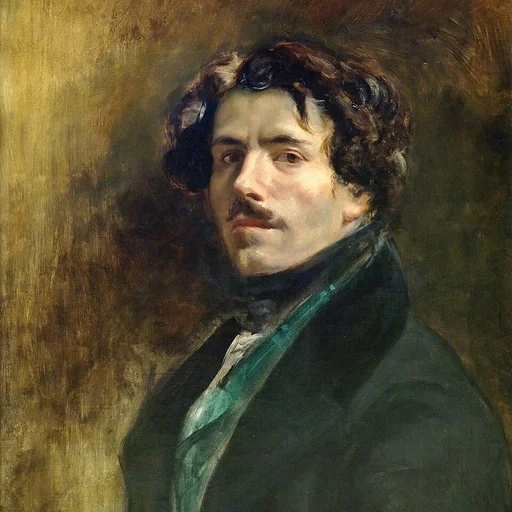
Ferdinand Victor Eugène Delacroix ( DEL-ə-krwah, -KRWAH; French: ; 26 April 1798 – 13 August 1863) was a French Romantic artist who was regarded as the leader of the French Romantic school.

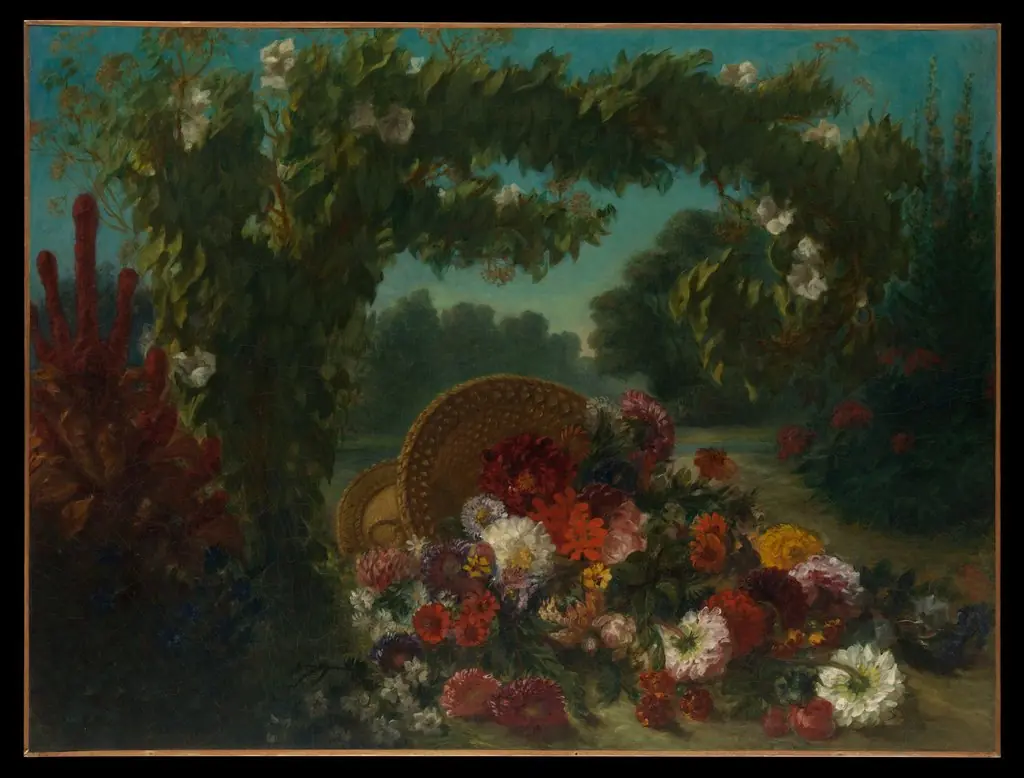
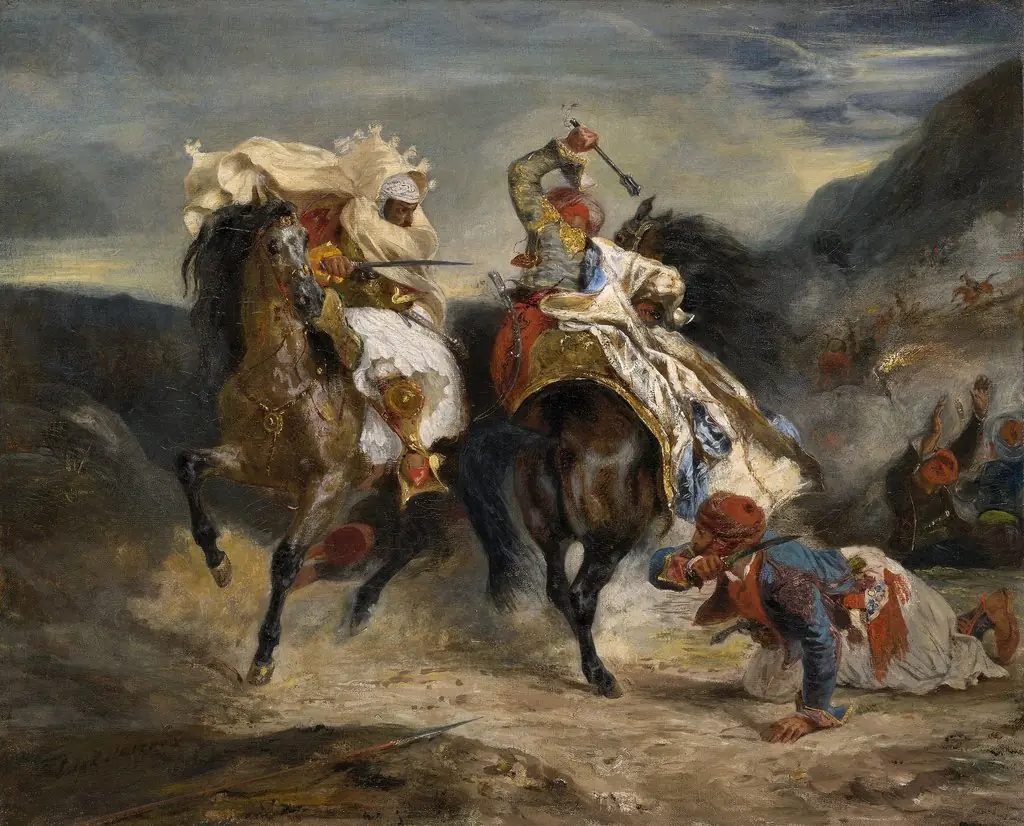
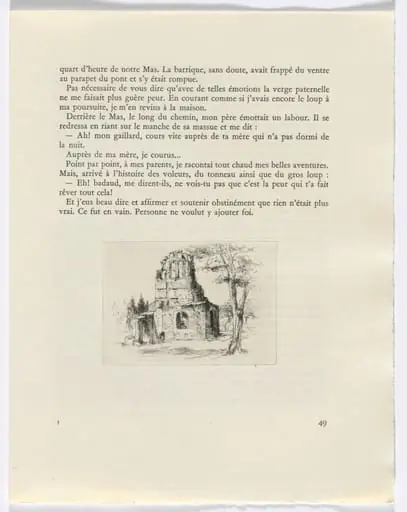 Frédéric Mistral: Mémoires et Recits by Frédéric Mistral: ruin (page 49)
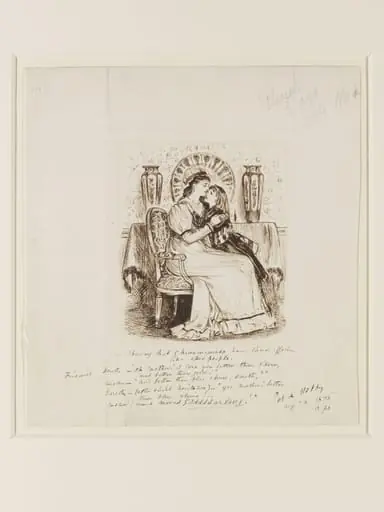 Pet and Hobby (Showing that china-maniacs have their affections like other people)
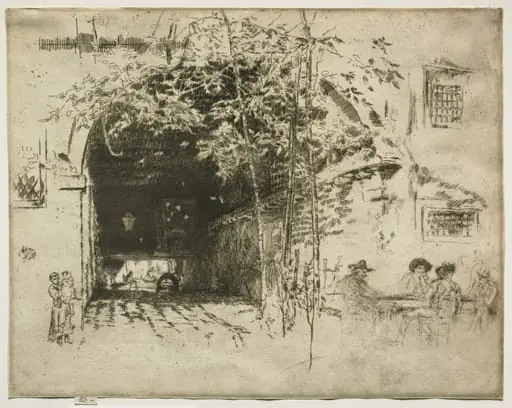 The Traghetto
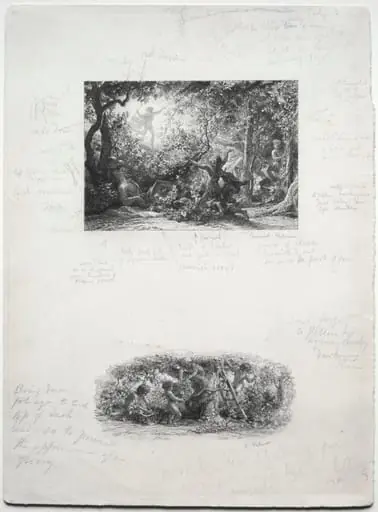 The Vine
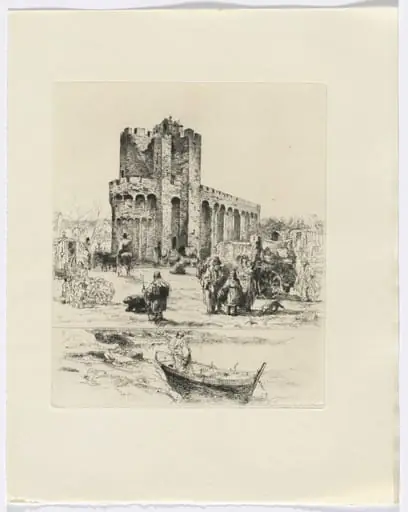 Frédéric Mistral: Mémoires et Recits by Frédéric Mistral: Romanesque church and figures/ man in boat (insert after p. 168)
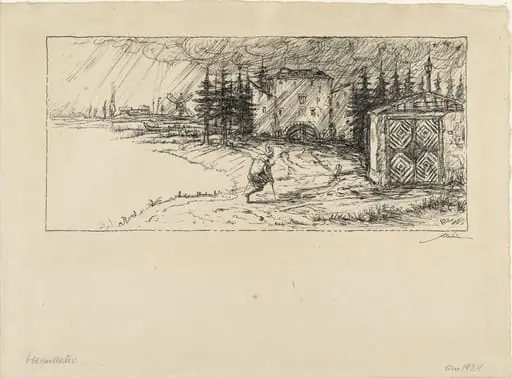 Untitled
![A Village Scene in India [verso], by George Chinnery](https://artifactworldgallery.com/img/george-chinnery--a-village-scene-in-india-verso--a3b8d6327e2fa0d5-w320.webp) A Village Scene in India [verso]
A Village Scene in India [verso]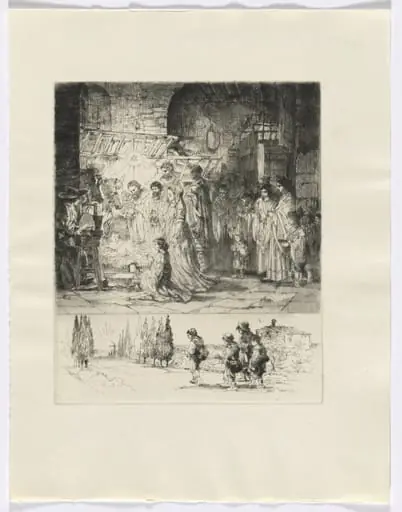 Frédéric Mistral: Mémoires et Recits by Frédéric Mistral: nativity/ figures walking on a road (insert after p. 32)
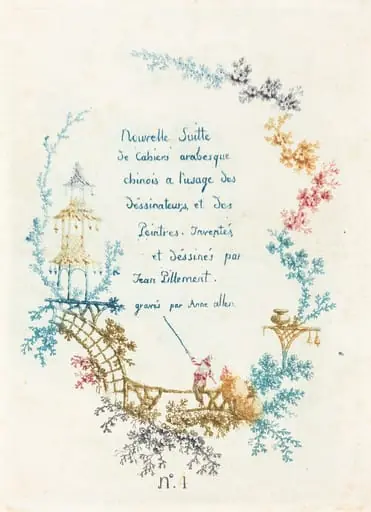 Title Page
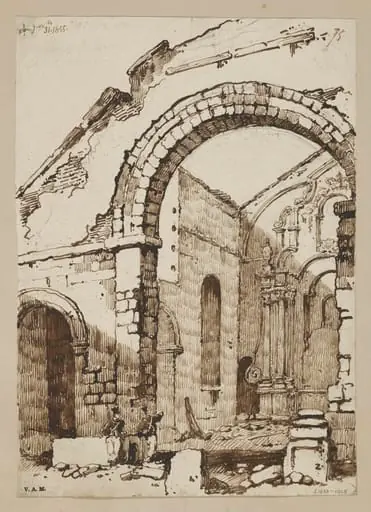 The ruins of St Paul's church, Macau, after the fire of 26 January 1835
![Sketch of a Couple Seated with Cloud Studies [verso], by Walter Crane](https://artifactworldgallery.com/img/walter-crane--sketch-of-a-couple-seated-with-cloud-studies-verso--bd0c5f7cb1d389b6-w320.webp) Sketch of a Couple Seated with Cloud Studies [verso]
Sketch of a Couple Seated with Cloud Studies [verso]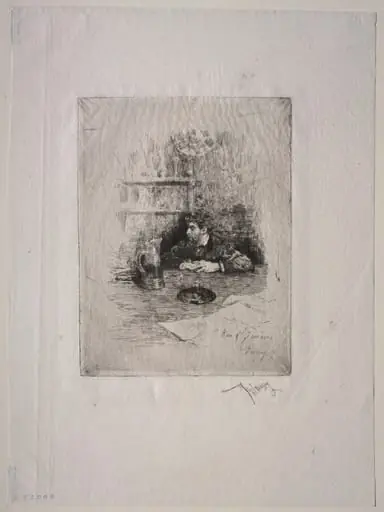 Portrait of Edouardo Zamaçois