Artwork
The Vine
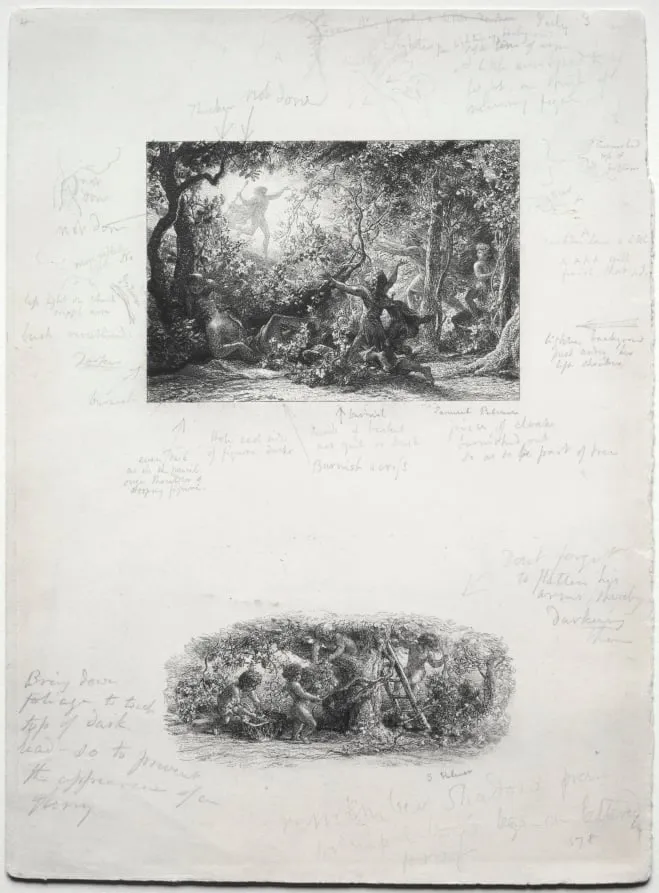
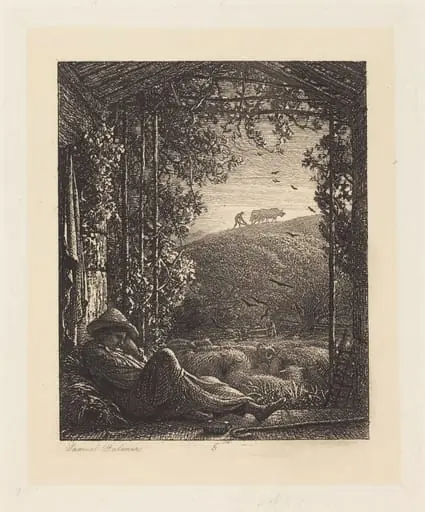
The Vine is a print by the Impressionist artist Samuel Palmer. It dates from 1852 and is held in the collection of the Cleveland Museum of Art.
About this work
You see a night scene with a huge grapevine twisting across the sky.
You see a night scene with a huge grapevine twisting across the sky. The leaves glow like green fire against dark clouds. A small figure sleeps below, unaware of the vine's magic.
This isn't just a print—it's Palmer's early test print. He scribbled notes on it, planning changes. It shows his ideas taking shape before the final version. The vine represents Bacchus, the wine god, from Shakespeare's play.
The vine feels alive, almost breathing. Palmer loved nature's mystery.
Look up Samuel Palmer (British, 1805–1881) next.
Overview
This early proof by Samuel Palmer predates the final printing of illustrations for Songs and Ballads of Shakespeare. Created as a working trial, it bears handwritten annotations indicating planned revisions. The image depicts a nocturnal scene centered on a colossal, luminous grapevine, reflecting Palmer’s late-career engagement with printmaking and his evolving visual language. The print captures a moment of artistic transition, where idea and execution are still in dialogue.
Subject & Meaning
The vine symbolizes Bacchus, the Roman god of wine, referenced in a drinking song from Act 2 of Antony and Cleopatra. A solitary figure sleeps below, oblivious to the supernatural vitality of the vine above. Palmer’s imagery transforms the literary reference into a mystical natural phenomenon, suggesting divine presence within the landscape. The scene evokes a quiet reverence for nature’s hidden powers, aligning with his broader spiritual engagement with the natural world.
Technique & Style
Palmer employs fine, intricate lines to render the vine’s tendrils and leaves, contrasting sharply with the deep, velvety shadows of the night sky. The glowing foliage appears to emit light, achieved through selective ink density and careful burnishing. His mastery of tonal contrast creates an otherworldly atmosphere, where the boundary between the physical and the imagined blurs. The technique reveals his rapid adaptation to printmaking, despite beginning late in life.
History & Provenance
This impression is one of the earliest states of the design, made while Palmer was refining the composition for publication. His marginal notes, visible on the sheet, document intended adjustments to form and detail. As a working proof, it was likely retained by the artist rather than distributed. Its survival offers rare insight into his process, distinguishing it from the more polished final editions issued in the printed volume.
Context
Palmer created this work during a period of renewed interest in literary illustration and Romantic symbolism, following his earlier association with the Shoreham Ancients. His engagement with Shakespeare’s texts reflected a broader Victorian fascination with mythic and poetic themes. The print emerges from a cultural moment where nature was viewed not merely as scenery but as a vessel for spiritual and emotional resonance.
Legacy
This proof stands as a testament to Palmer’s ability to infuse printmaking with emotional depth and symbolic richness. Though less widely known than his watercolors, his prints reveal a sophisticated command of tone and texture. The work influenced later generations of British printmakers drawn to visionary landscapes, preserving his unique fusion of naturalism and mysticism in a medium often seen as technical rather than poetic.
Artist & collection
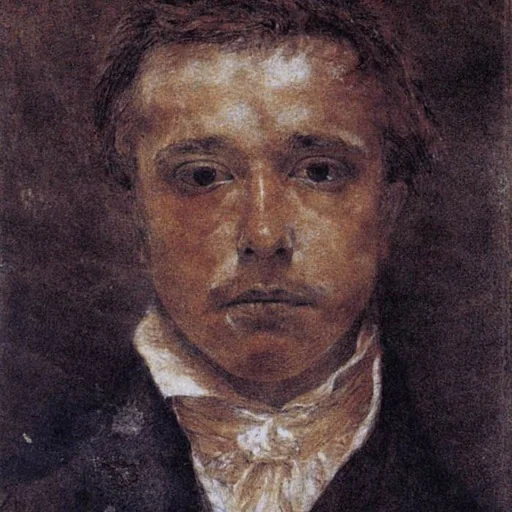
Artist
Samuel Palmer Hon.RE (Hon. Fellow of the Society of Painter-Etchers) (27 January 1805 – 24 May 1881) was a British landscape painter, etcher and printmaker. He was also a prolific writer. Palmer was a key figure in…

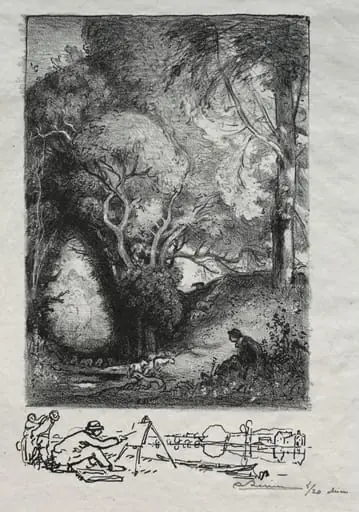 La Ravine en juin
![View through the Trees at Tivoli [recto], by Jasper Francis Cropsey](https://artifactworldgallery.com/img/jasper-francis-cropsey--view-through-the-trees-at-tivoli-recto--982b0e365e4ea403-w320.webp) View through the Trees at Tivoli [recto]
View through the Trees at Tivoli [recto]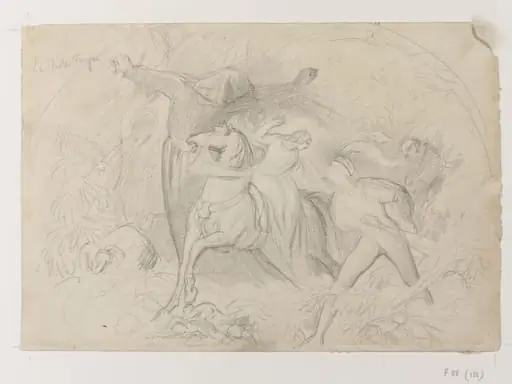 "Study for Undine"
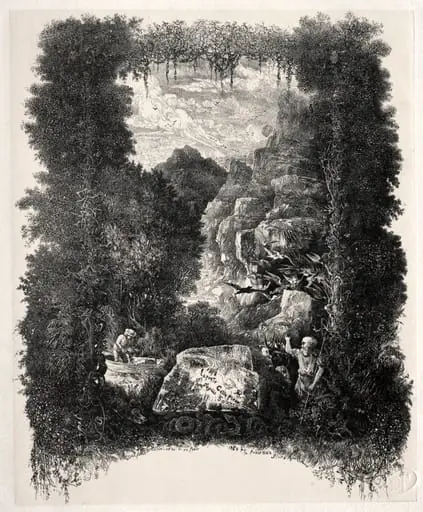 First frontispiece for Fables and Fairy-Tales by Thierry-Faletans
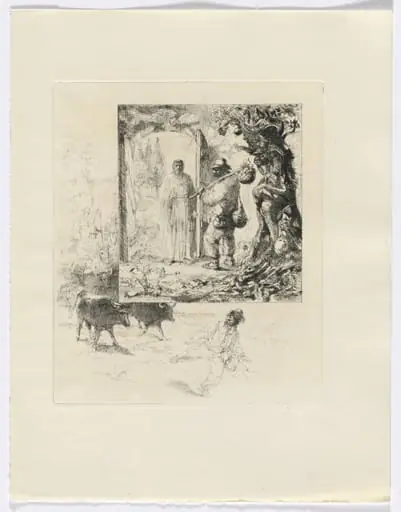 Frédéric Mistral: Mémoires et Recits by Frédéric Mistral: vagabond and monk/ landscape with cows (insert after 160)
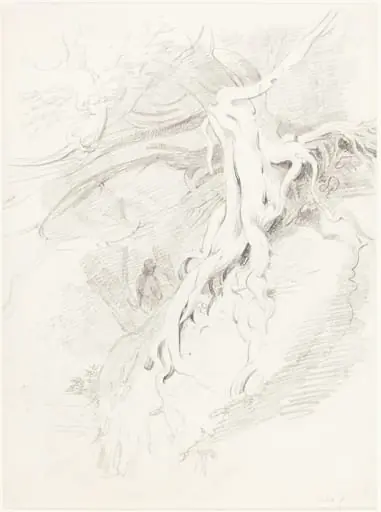 The Yew at Clifton
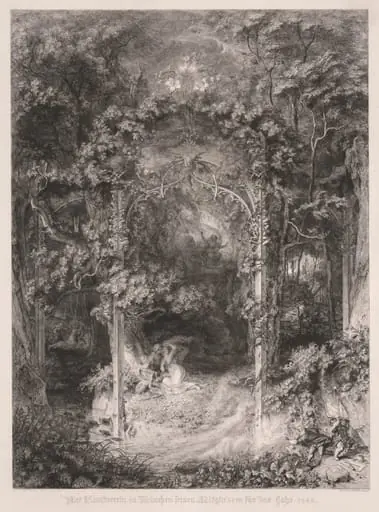 The Forest Maiden
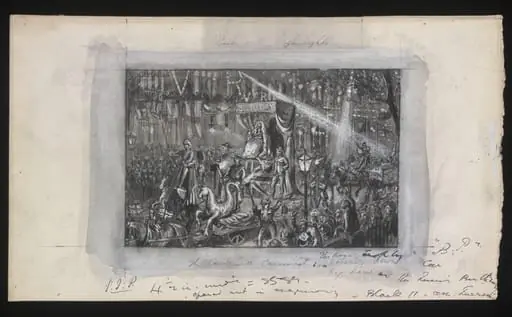 The Camberwell Carnival in Rye Lane
![Sketch of a Couple Seated with Cloud Studies [verso], by Walter Crane](https://artifactworldgallery.com/img/walter-crane--sketch-of-a-couple-seated-with-cloud-studies-verso--bd0c5f7cb1d389b6-w320.webp) Sketch of a Couple Seated with Cloud Studies [verso]
Sketch of a Couple Seated with Cloud Studies [verso]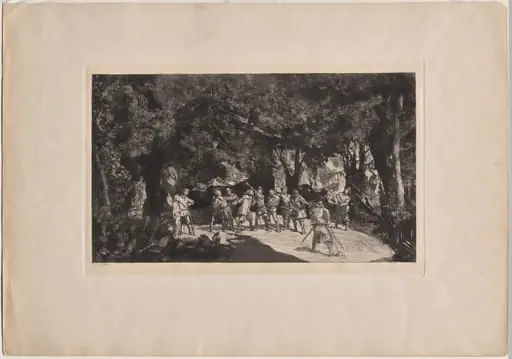 Simplicius among the Soldiers
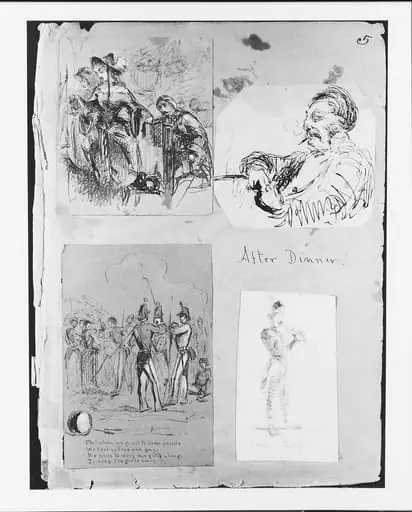 Church Scene (from Sketchbook)
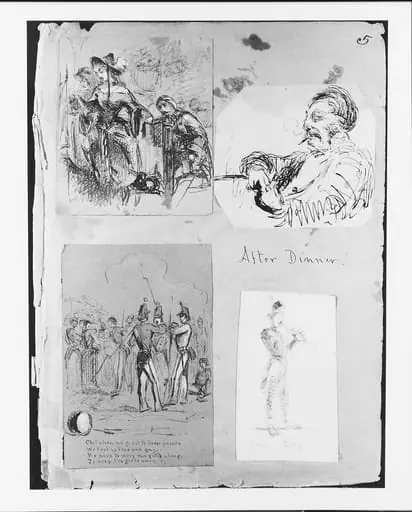 Dress Parade (from Sketchbook)