Artwork
Mlle. Alexandrine-Julie de la Boutraye
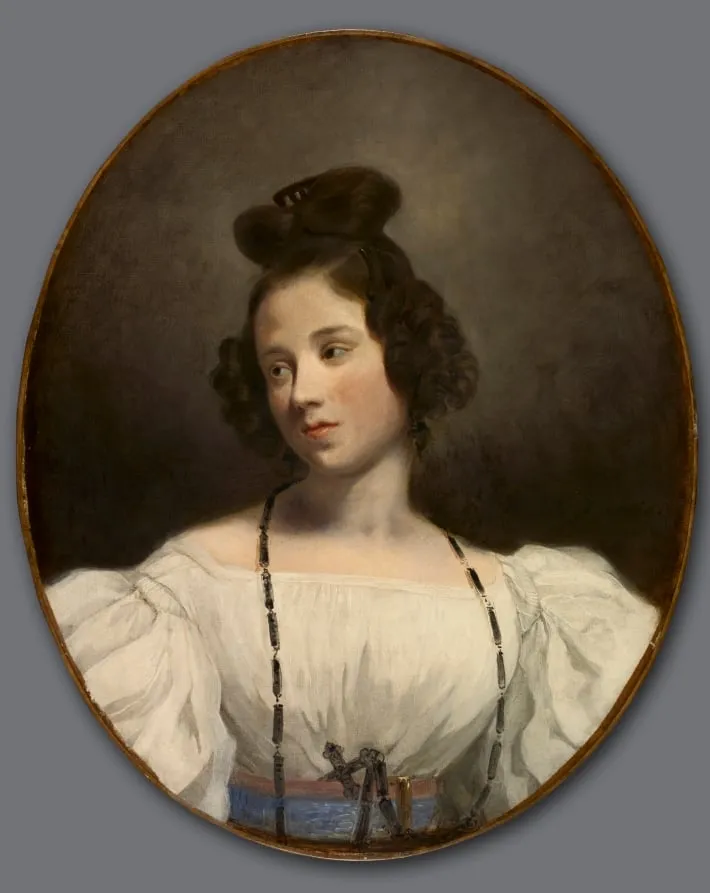
Mlle. Alexandrine-Julie de la Boutraye is an unspecified painting by the French Romanticist artist Eugène Delacroix. It dates from 1833 and is held in the collection of the Cleveland Museum of Art. Painted in 1834, this portrait captures Alexandrine-Julie de la Boutraye at the age of fourteen.
About this work
Overview
Painted in 1834, this portrait captures Alexandrine-Julie de la Boutraye at the age of fourteen. The subject, daughter of a French noble family, would later marry Count Raymond du Tillet. The composition centers on her seated figure, rendered with quiet precision. The artist focuses on subtle facial expression and delicate hand positioning, avoiding theatricality in favor of restrained elegance.
Subject & Meaning
The portrait functions less as a personal expression and more as a record of lineage and status, typical of elite portraiture in early 19th-century France.
The sitter, still a child in societal terms, is portrayed with a composed demeanor that reflects her social standing. Her serious gaze and stillness suggest the expectations placed upon young aristocratic women: poise, restraint, and readiness for marriage. The portrait functions less as a personal expression and more as a record of lineage and status, typical of elite portraiture in early 19th-century France.
Technique & Style
The painting employs soft transitions between light and shadow, particularly around the face and hands, suggesting a refined use of sfumato. Details in fabric and hair are rendered with careful brushwork, yet the overall effect remains subdued. The palette is muted, emphasizing texture over color, reinforcing the portrait’s intimate, unadorned character.
History & Provenance
Commissioned during the July Monarchy, the portrait remained within the de la Boutraye family until Alexandrine-Julie’s marriage in 1839. It passed to the du Tillet lineage and was later acquired by a public collection in the late 19th century. Its provenance is well-documented, with records linking it to both families’ archives and exhibition histories in Paris.
Context
Created during a period when French portraiture favored understated realism over romantic flourish, this work aligns with the tastes of the bourgeoisie and minor nobility. Artists of the time increasingly emphasized psychological nuance and domestic intimacy, moving away from grand historical themes. The portrait reflects this shift toward personal, rather than ceremonial, representation.
Legacy
Though not widely exhibited beyond regional collections, the portrait serves as a quiet example of early 19th-century French aristocratic portraiture. It contributes to the understanding of how young women of rank were visually constructed in private and familial contexts. Its preservation offers insight into the social rituals surrounding adolescence and marriage among the French elite.
Artist & collection
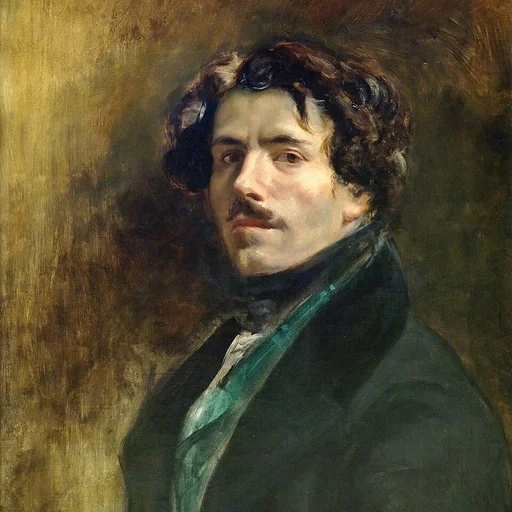
Artist
Ferdinand Victor Eugène Delacroix ( DEL-ə-krwah, -KRWAH; French: ; 26 April 1798 – 13 August 1863) was a French Romantic artist who was regarded as the leader of the French Romantic school.


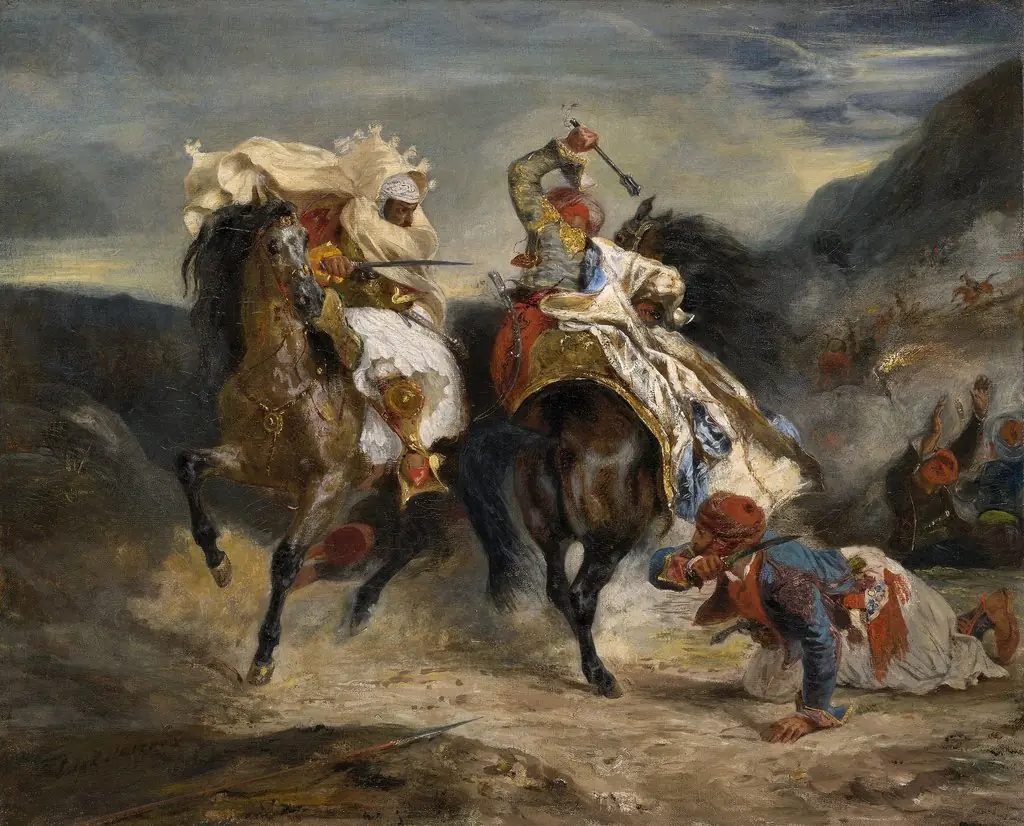
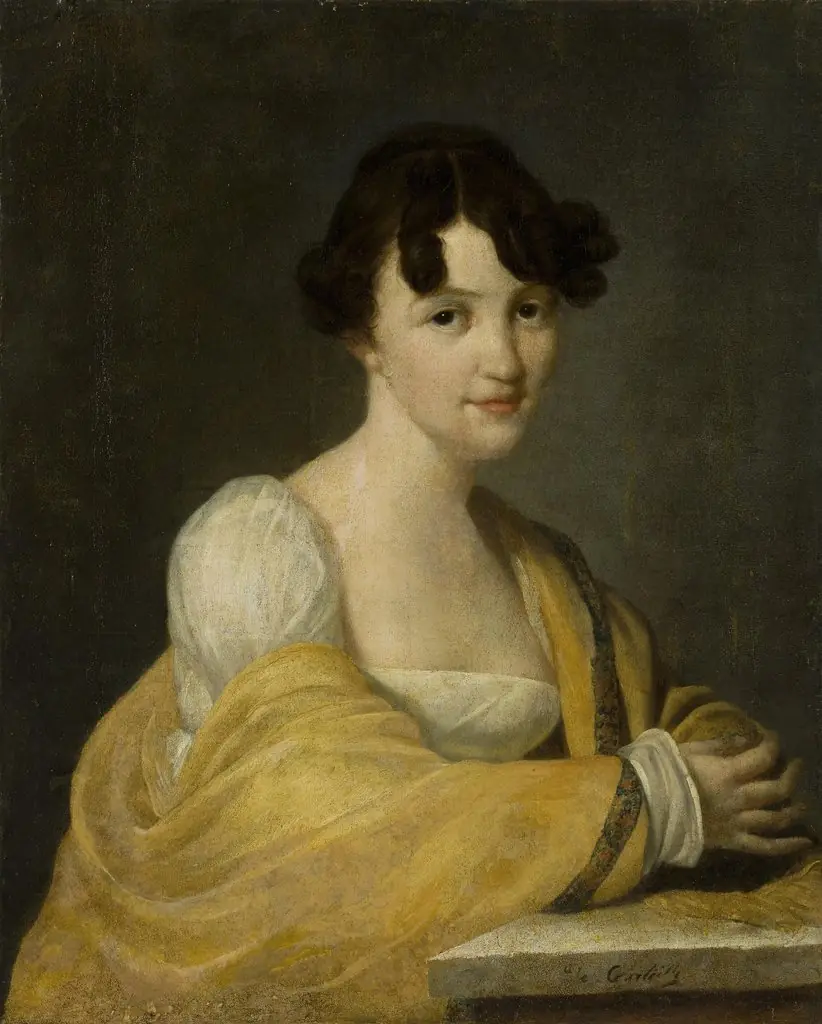 Portrait of a Woman from the Schmidt Family
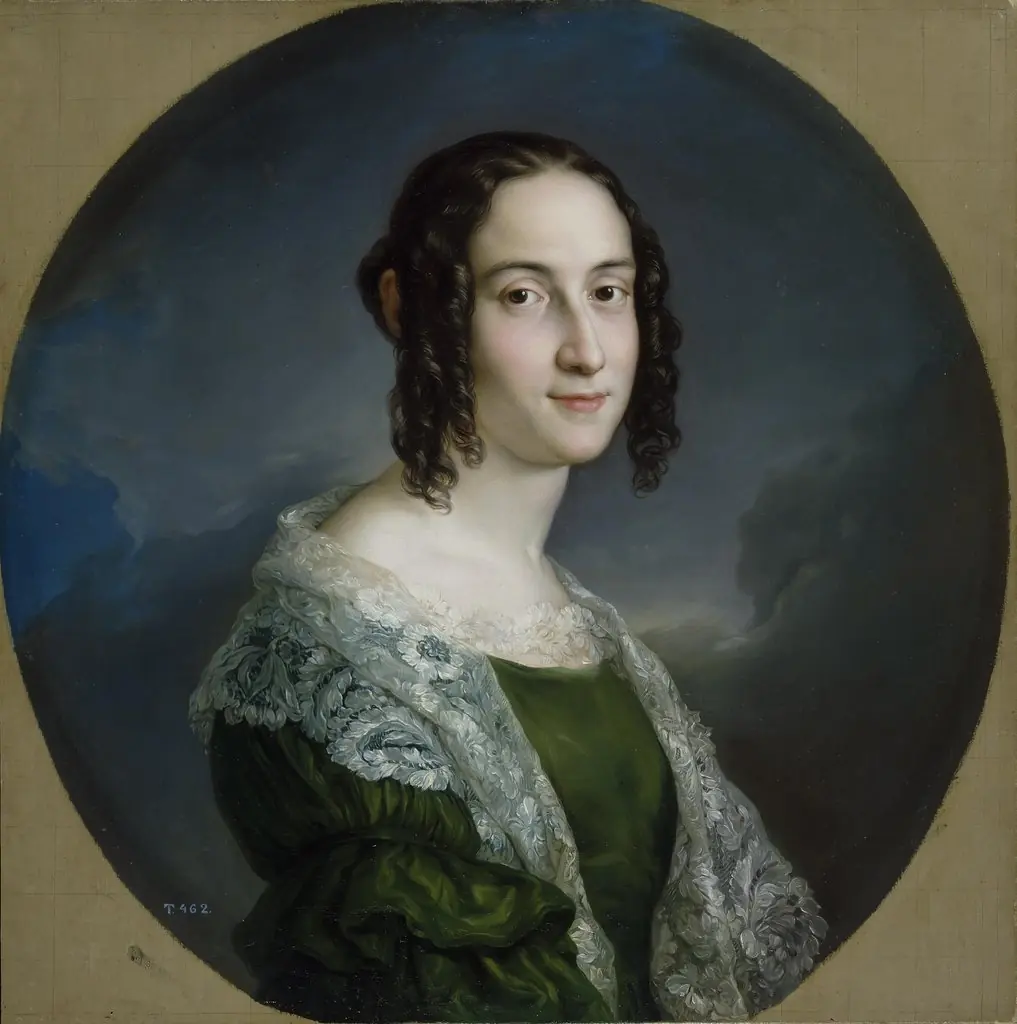 La miniaturista Teresa Nicolau Parody
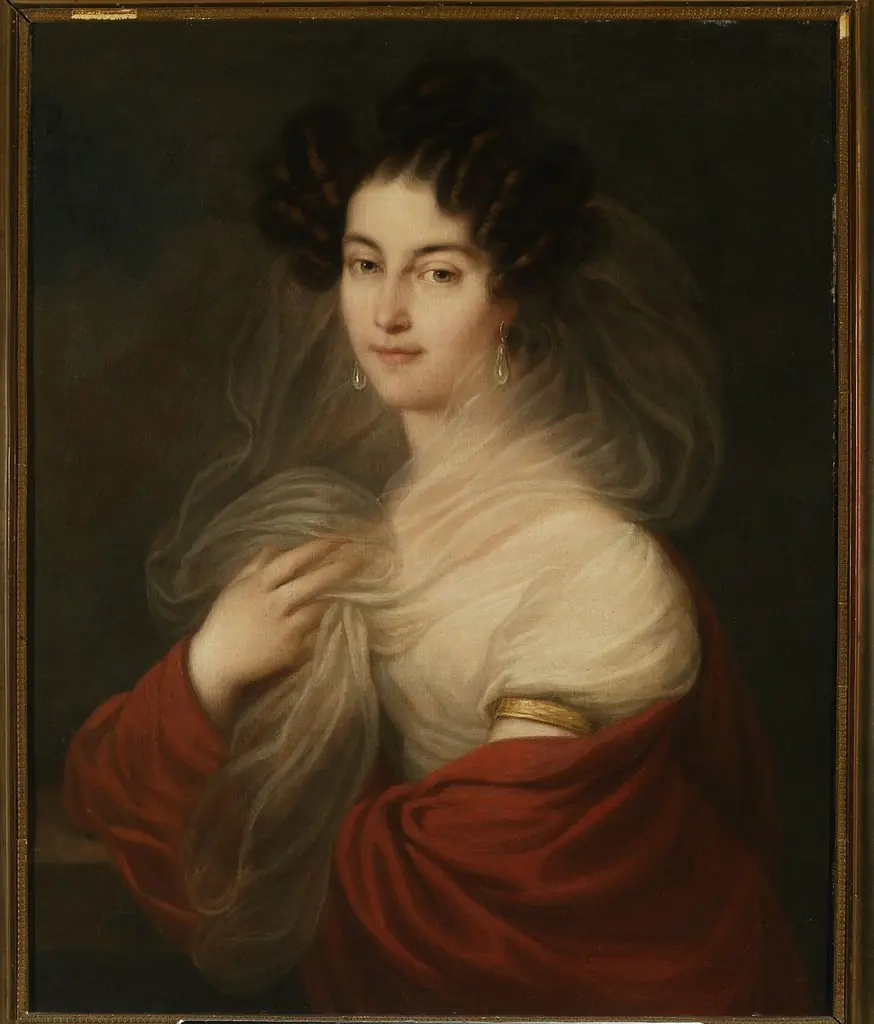 Portrait of Celina Radziwiłł née Sulistrowska (1805–1836)
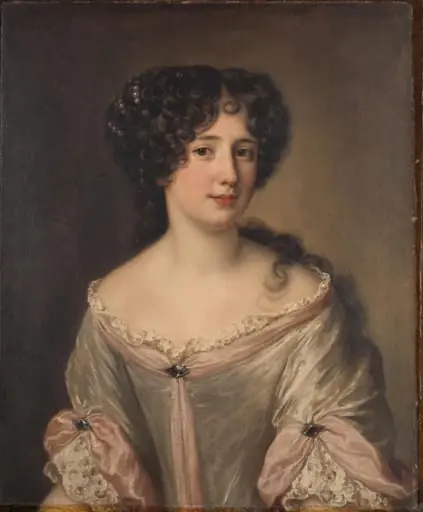 Portrait of La Duchessa Mancini Colonna (1646-1699)
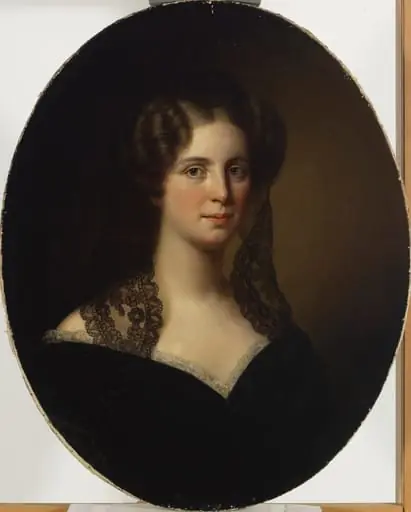 Maria Helena Rosina von Haartman
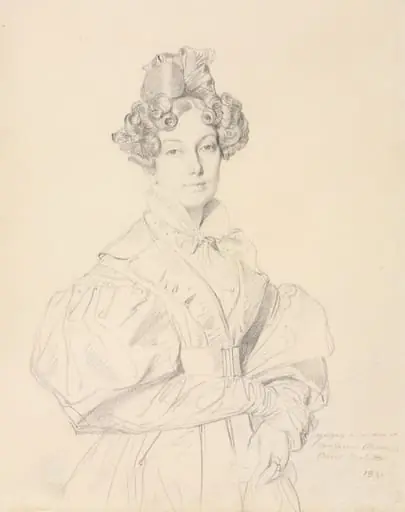 Madame Désiré Raoul-Rochette
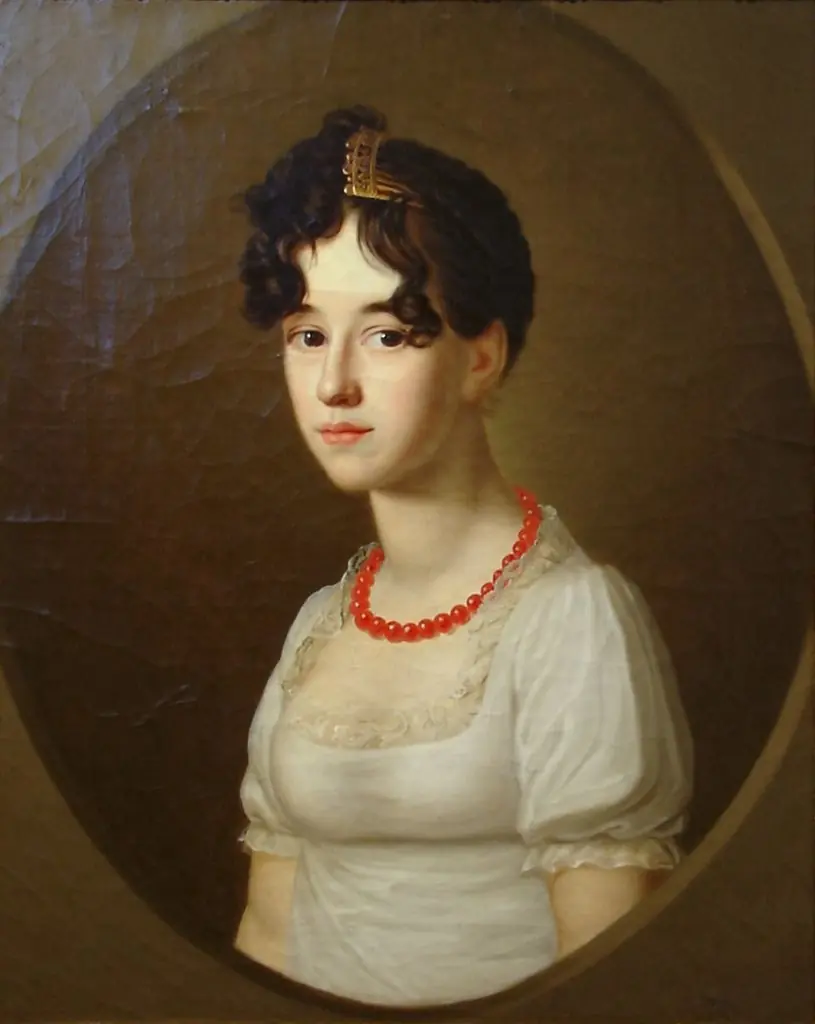 Portrait of Konstanzia Nákó
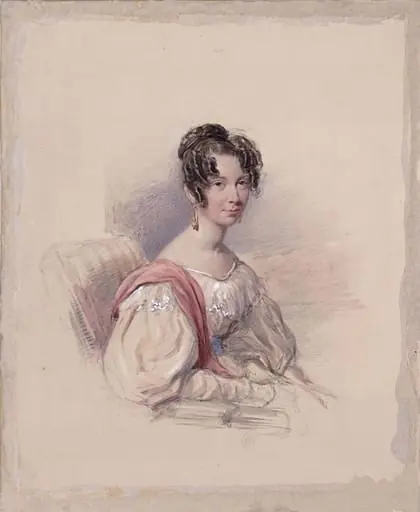 An unknown young lady
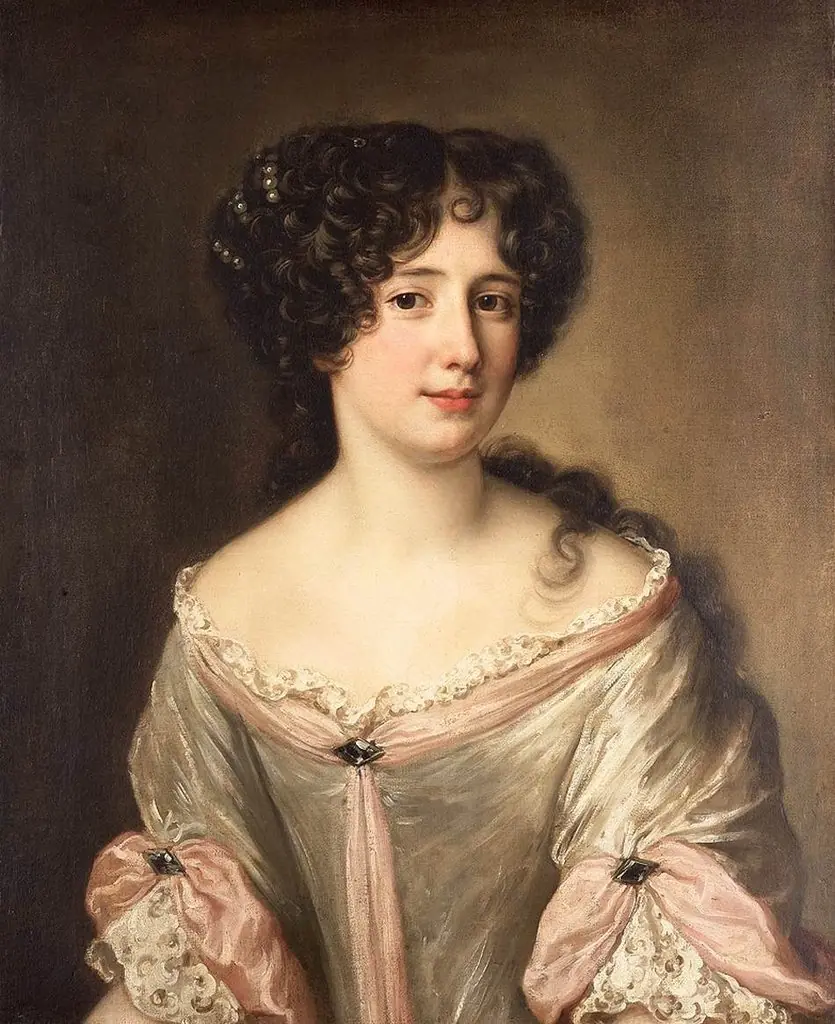 Portrait of Maria Mancini Colonna (1639-1715)
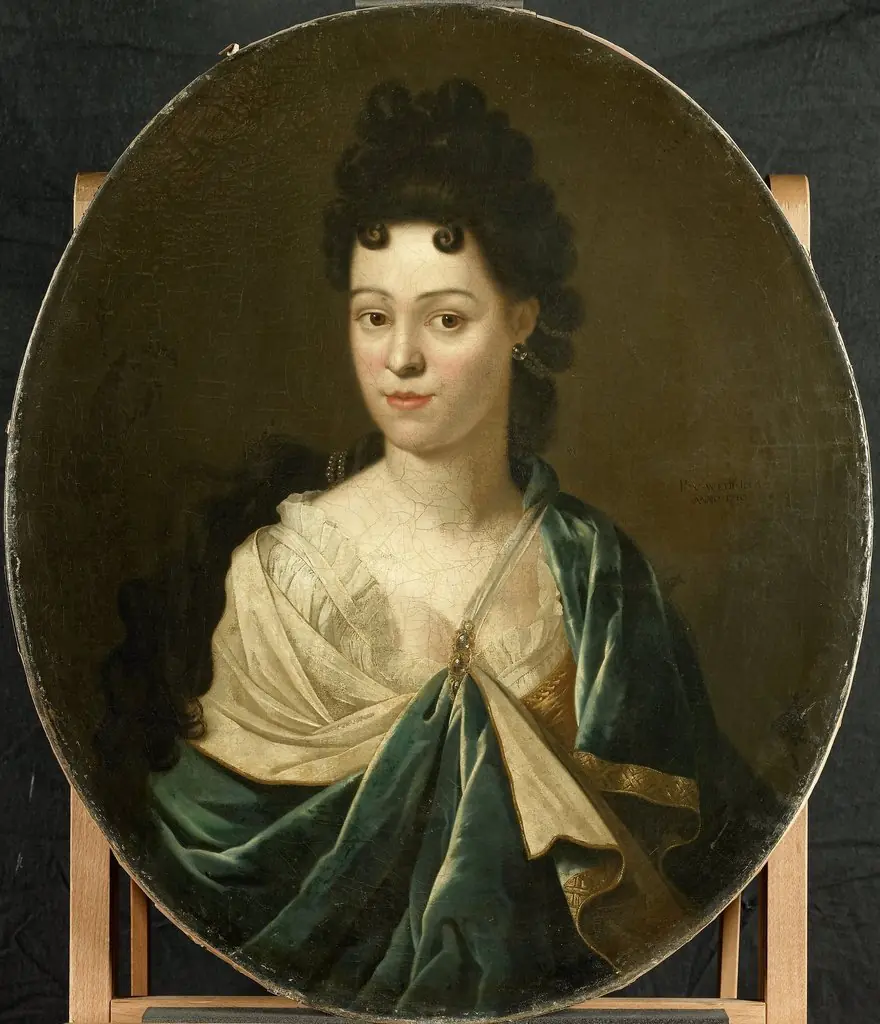 Portrait of Mrs. Brust-Batailhy