Artwork
The Bride of Abydos
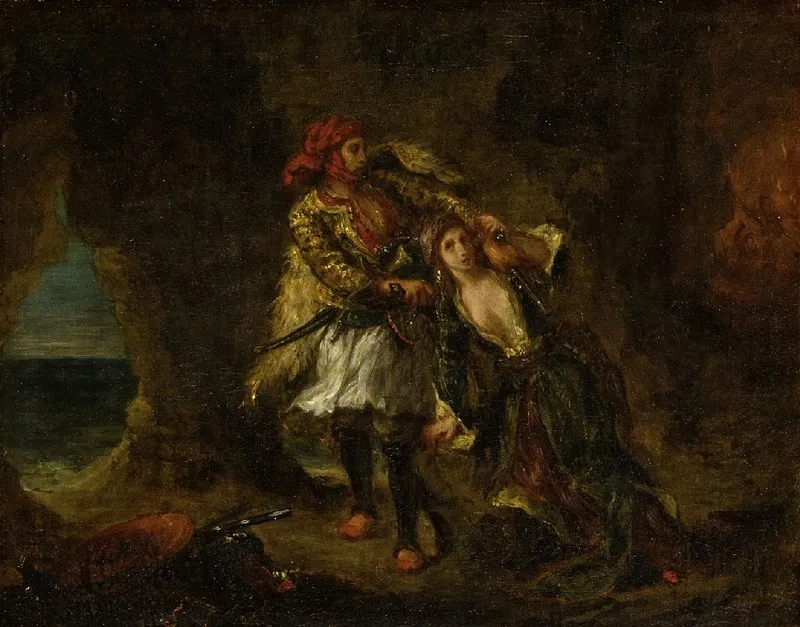
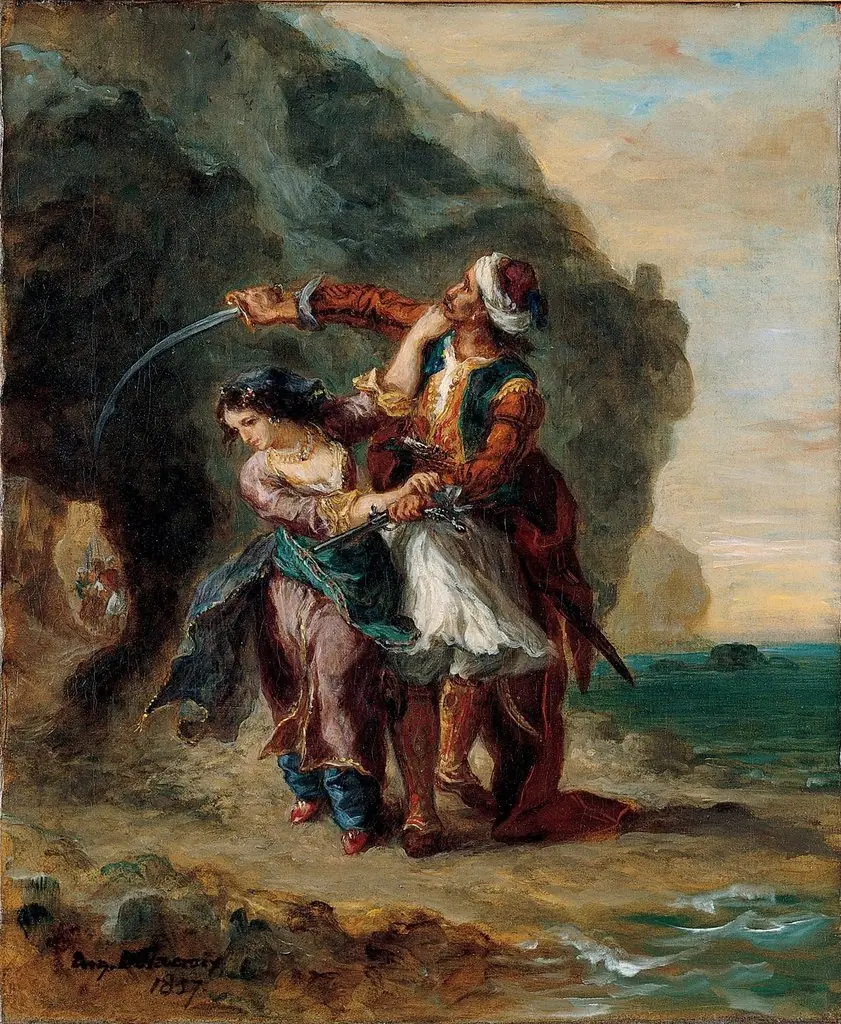
The Bride of Abydos is an oil painting by Eugène Delacroix. It dates from 1850 and is held in the collection of the Fitzwilliam Museum.
About this work
Overview
Eugène Delacroix created *The Bride of Abydos* circa 1850, during the height of his involvement with French Romanticism. The oil painting, now part of the Fitzwilliam Museum’s collection, belongs to the mythological genre and presents a dramatic encounter between a groom and his bride.
Subject & Meaning
The composition centers on a richly dressed man embracing a woman in a white wedding dress and ornate headdress. The bride looks downward, her half‑lit face conveying a mixture of tenderness and melancholy, while the groom, identifiable by his red hat and sword, holds her close against a bleak, rocky backdrop.
Technique & Style
Delacroix emphasizes vibrant yet subdued hues—golds, reds, and deep shadows—to generate a sense of movement and emotional intensity. The handling of light follows a chiaroscuro scheme, with a focused illumination on the bride’s face that contrasts with the dark sky and craggy terrain, reflecting the artist’s admiration for Rubens and Venetian masters.
History & Provenance
Painted around 1850, the work entered the Fitzwilliam Museum’s holdings at an unspecified later date. Its acquisition reflects the museum’s interest in 19th‑century French Romantic art and Delacroix’s influence on subsequent generations.
Context
Delacroix’s approach in this piece aligns with Romantic ideals that prioritize color, emotion, and dynamic composition over the strict formalism of neoclassicism. The mythological subject, drawn from the literary tradition of Lord Byron’s poem *The Bride of Abydos*, allowed the artist to explore themes of love, destiny, and tragedy.
Artist & collection
Artist
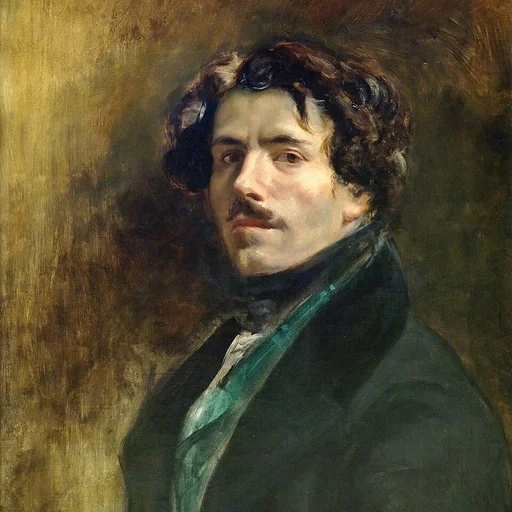
Ferdinand Victor Eugène Delacroix ( DEL-ə-krwah, -KRWAH; French: ; 26 April 1798 – 13 August 1863) was a French Romantic artist who was regarded as the leader of the French Romantic school.

 Selim and Zuleika
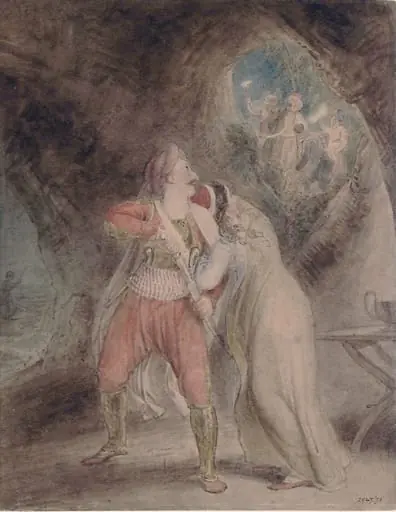 Selim discovered with Zuleika by Giaffir and his men
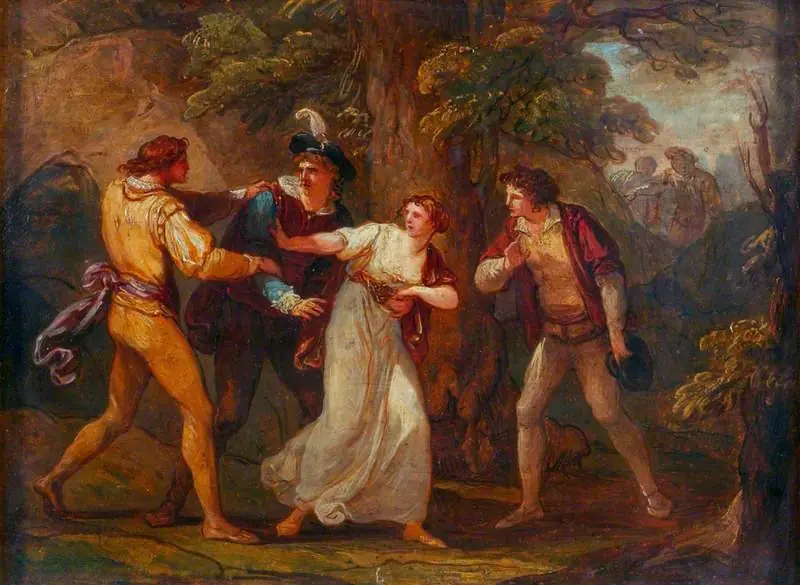 Sketch for 'The Two Gentlemen of Verona' (Act II, Scene 3 of the play by William Shakespeare)
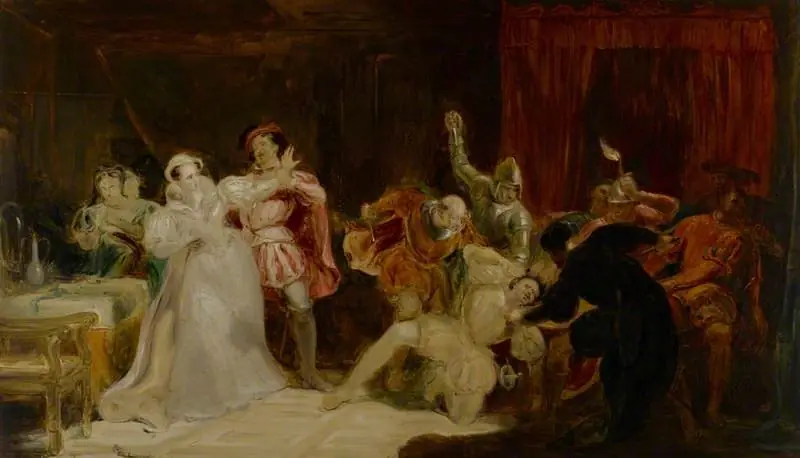 A Study for 'The Murder of David Rizzio' (NG 1677)
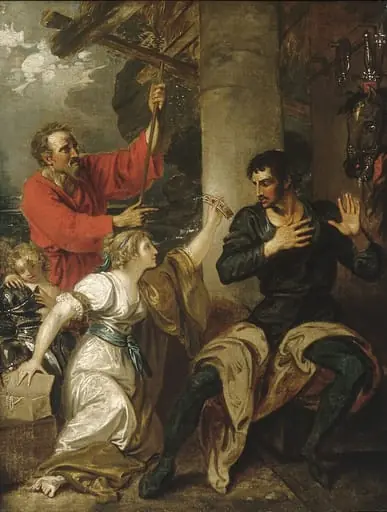 The Damsel and Orlando
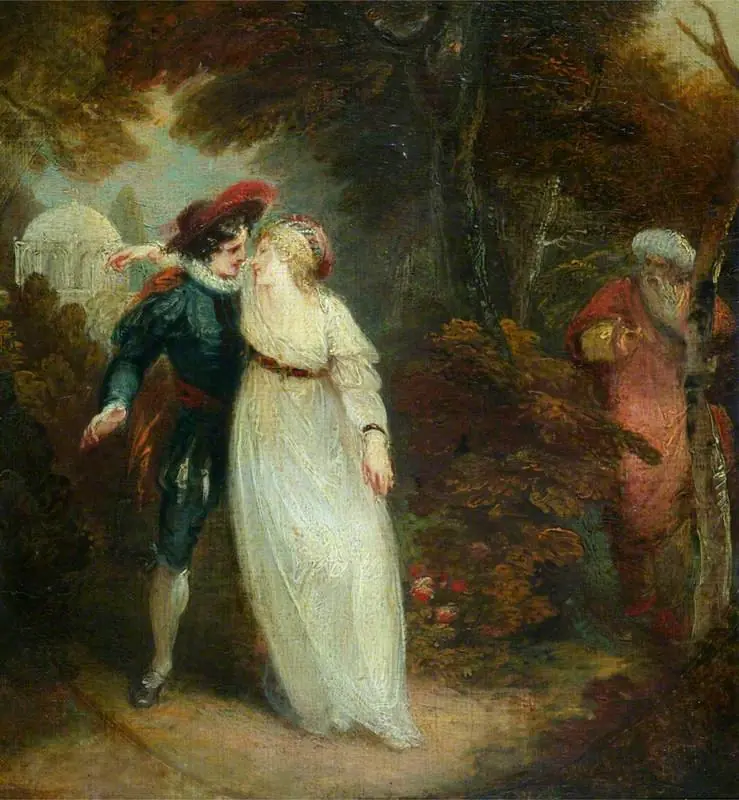 Zoraida, Discovered by Her Father, Agimorato, in the Arms of Rui Pérez de Viedma (from Cervantes' 'Don Quixote', Part I, Chapter 14)
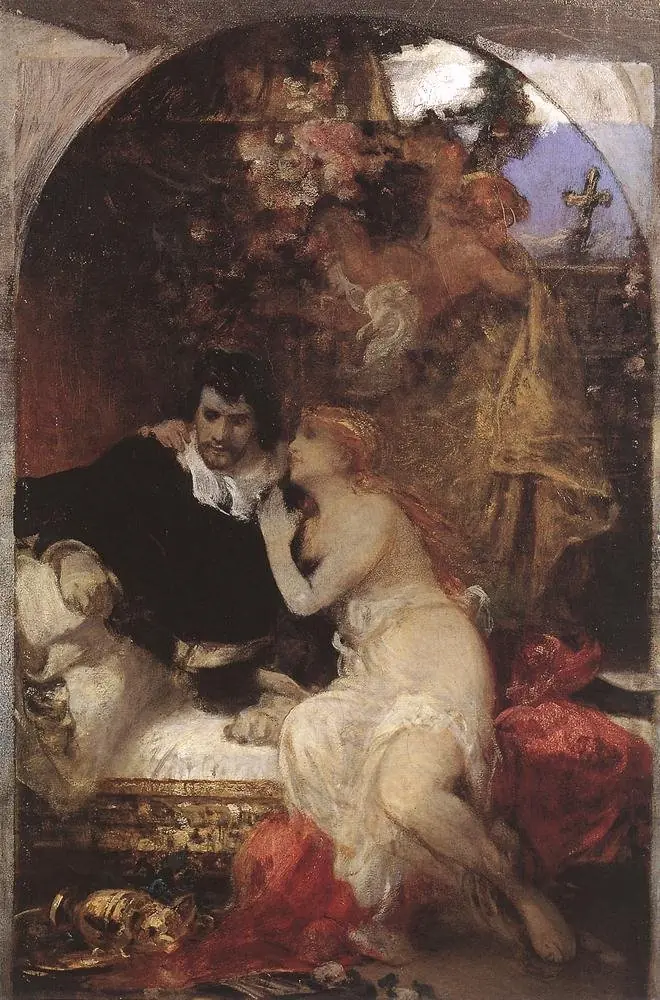 Venus and Tannhäuser
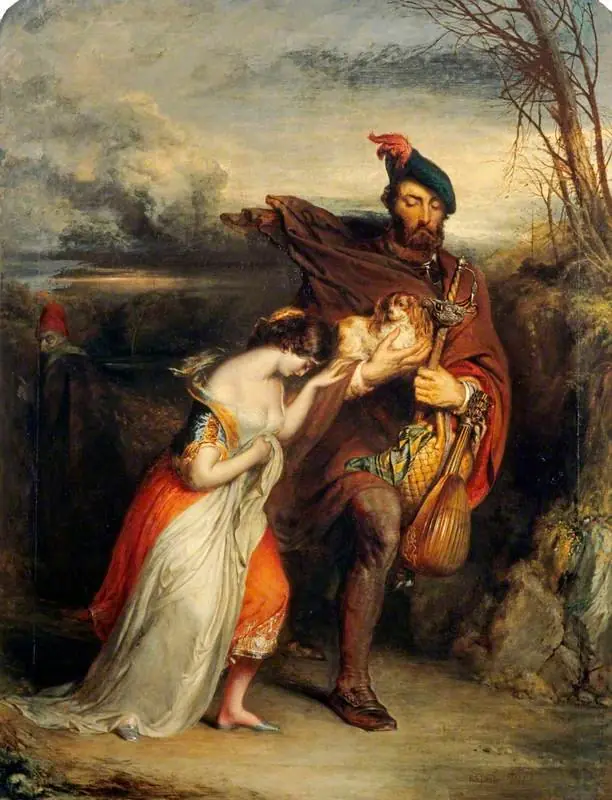 The Gow Chrom Reluctantly Conducting the Glee Maiden to a Place of Safety (from Scott's 'The Fair Maid of Perth')
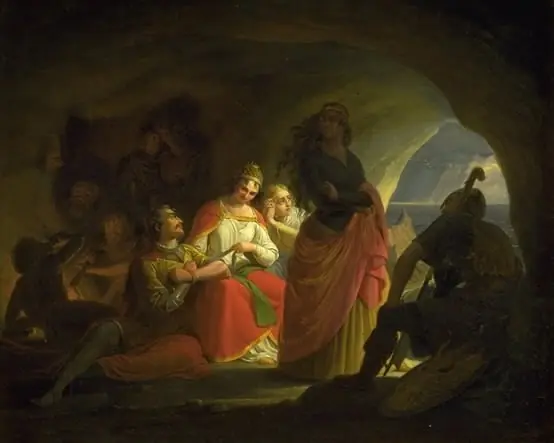 Prins Buris, Liden Kirsten, Skøn Hulfrid og Stolt Ingefrid fanget af Ulf Svartskæg
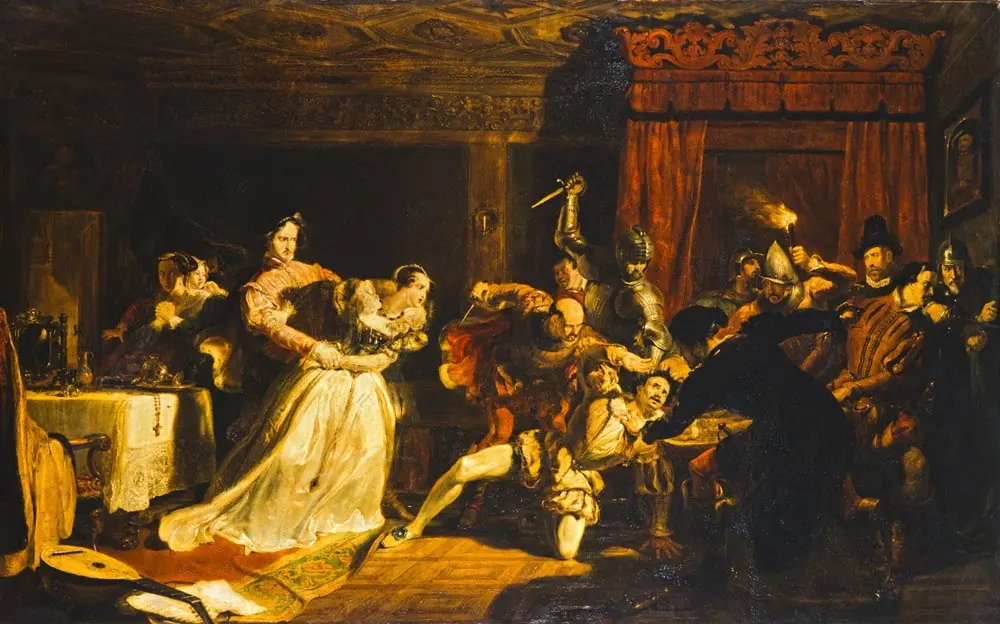 The Murder of David Rizzio
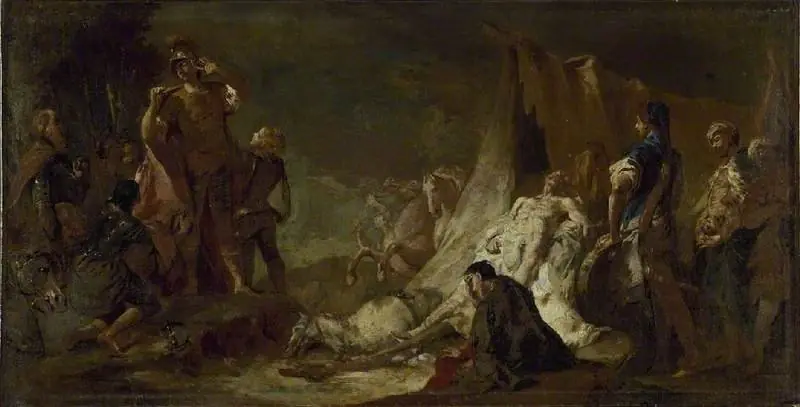 The death of Darius
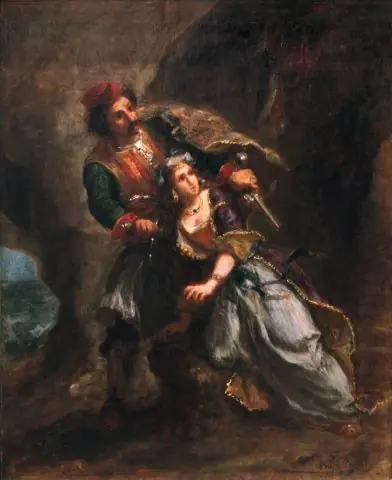 The Bride of Abydos