Artwork
Cows and Sheep
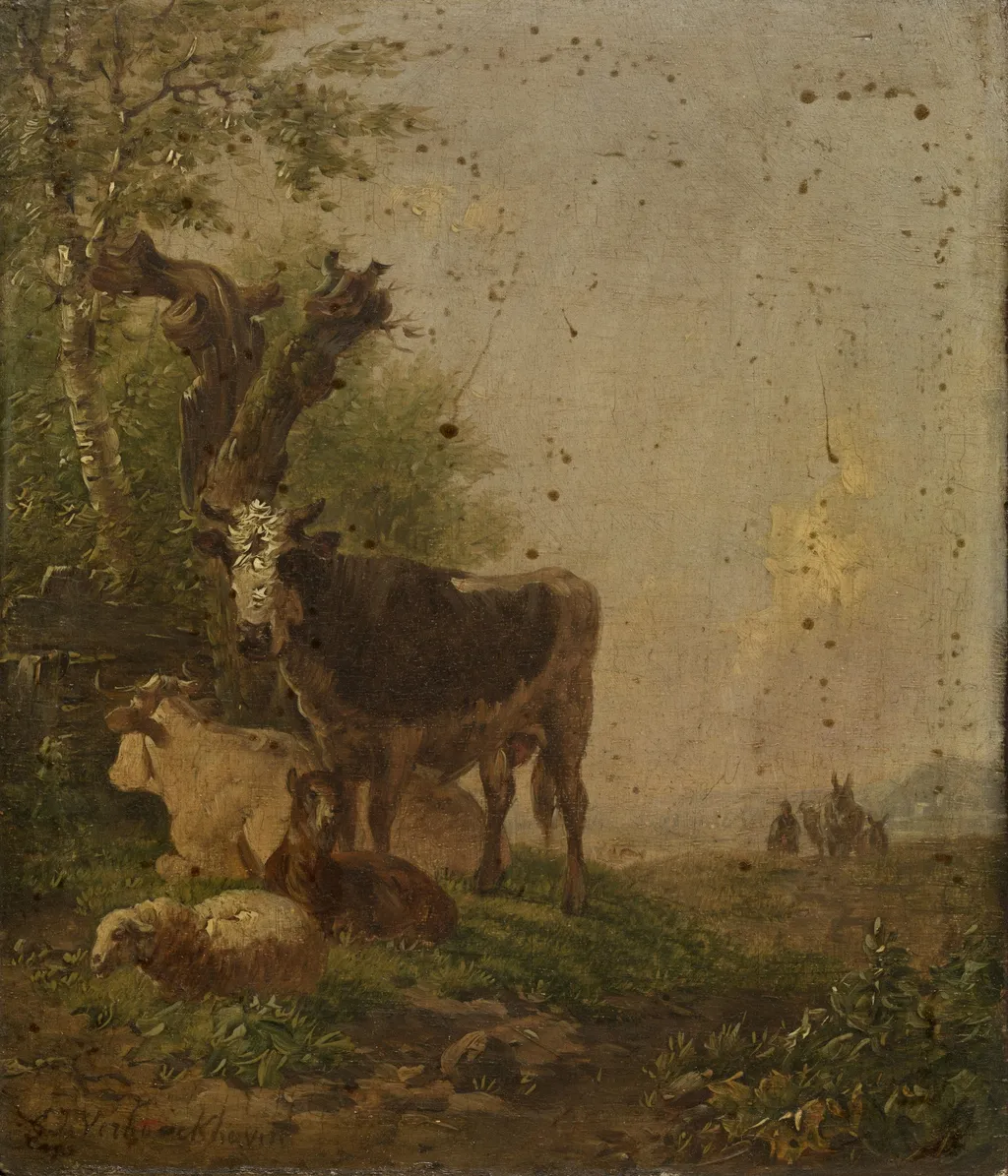
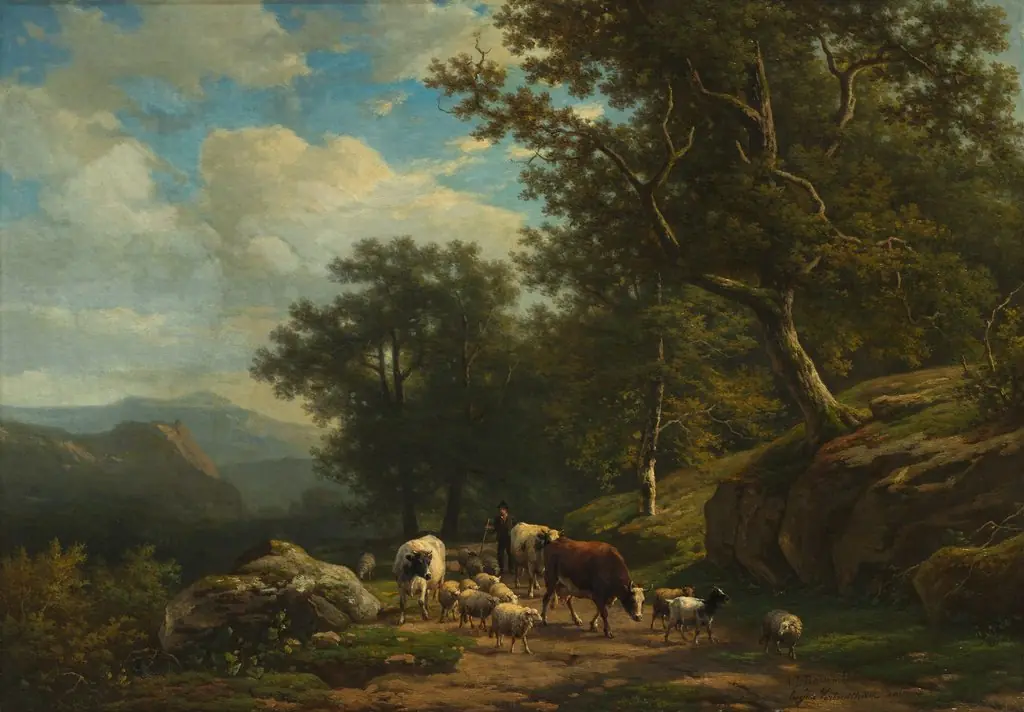
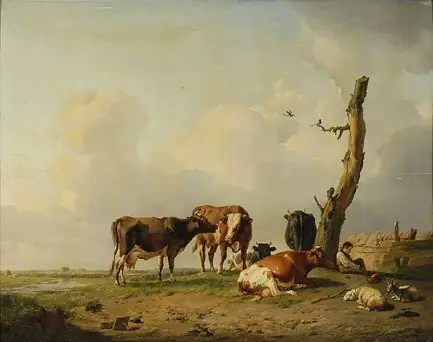
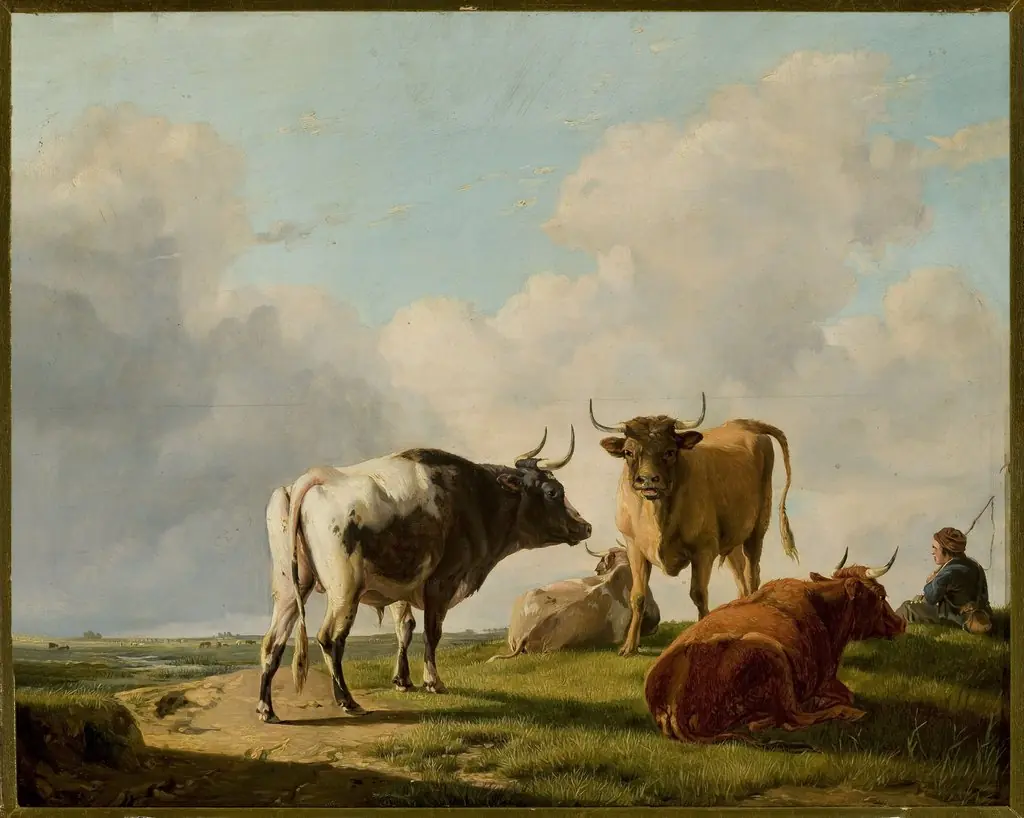
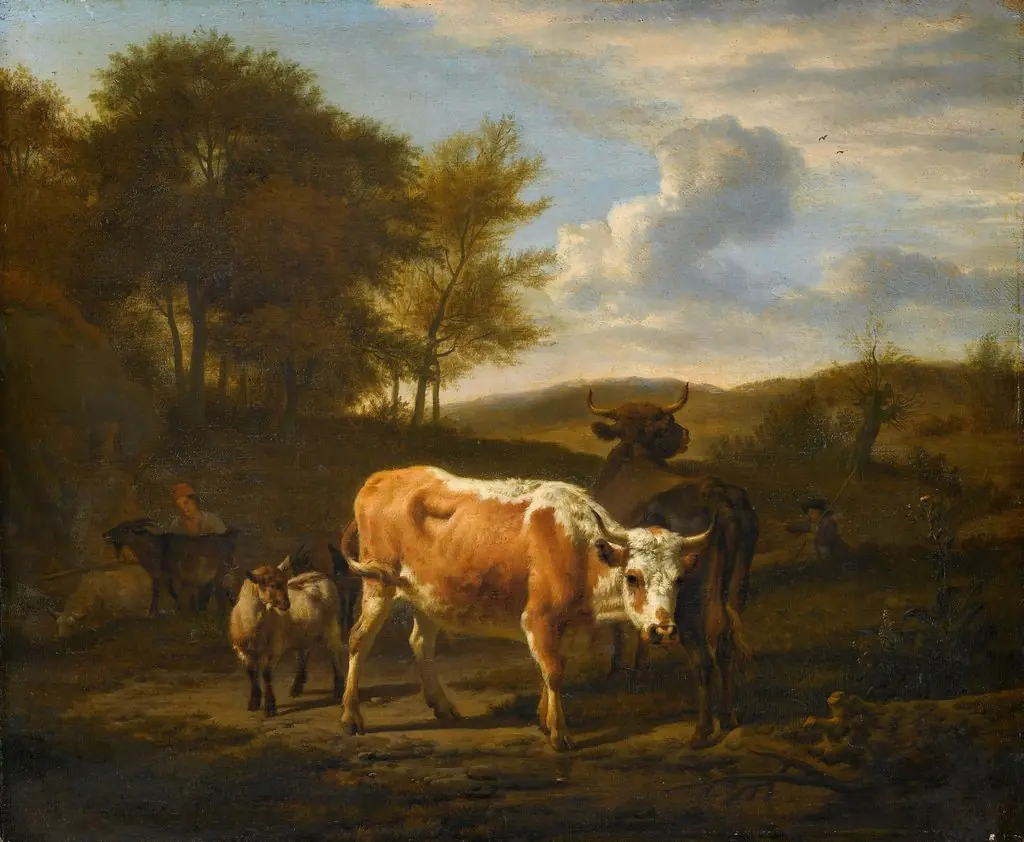
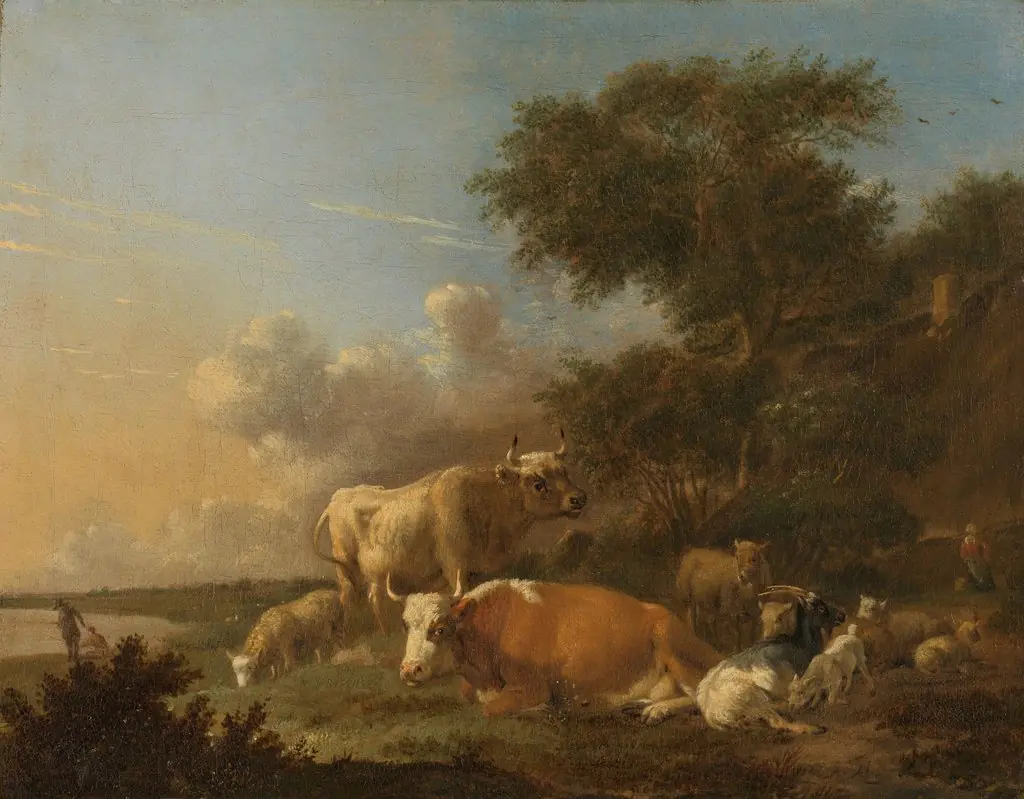
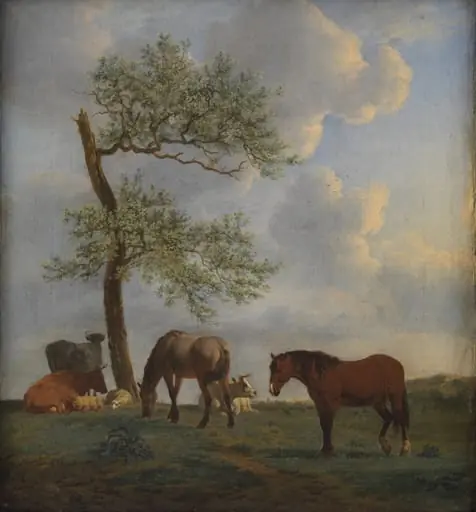
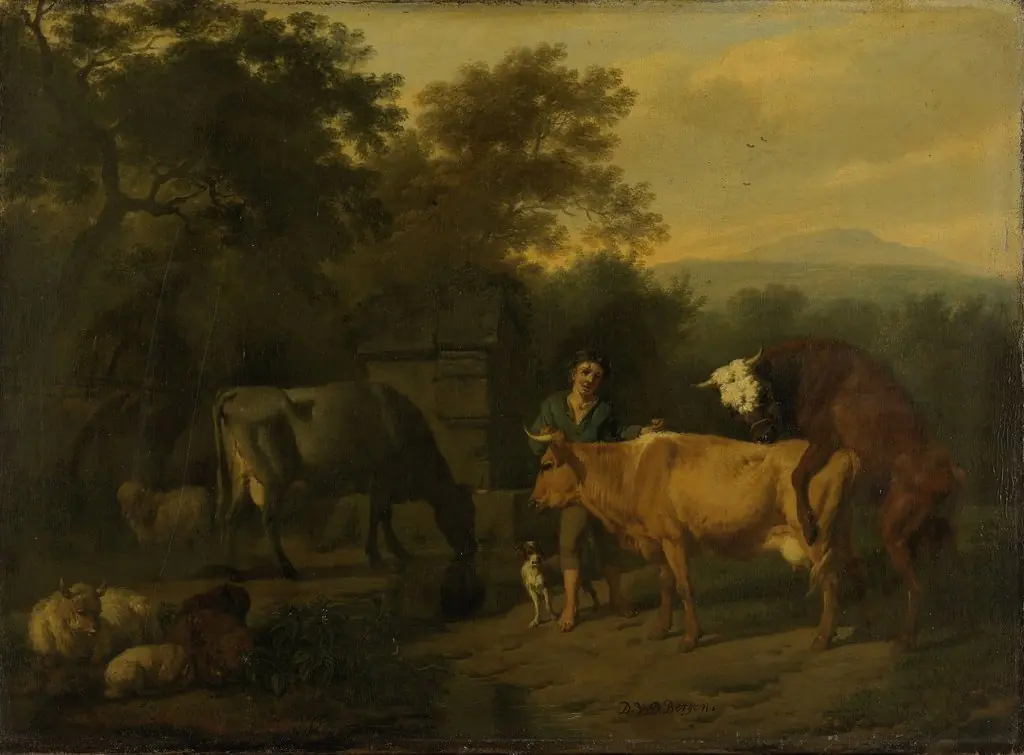
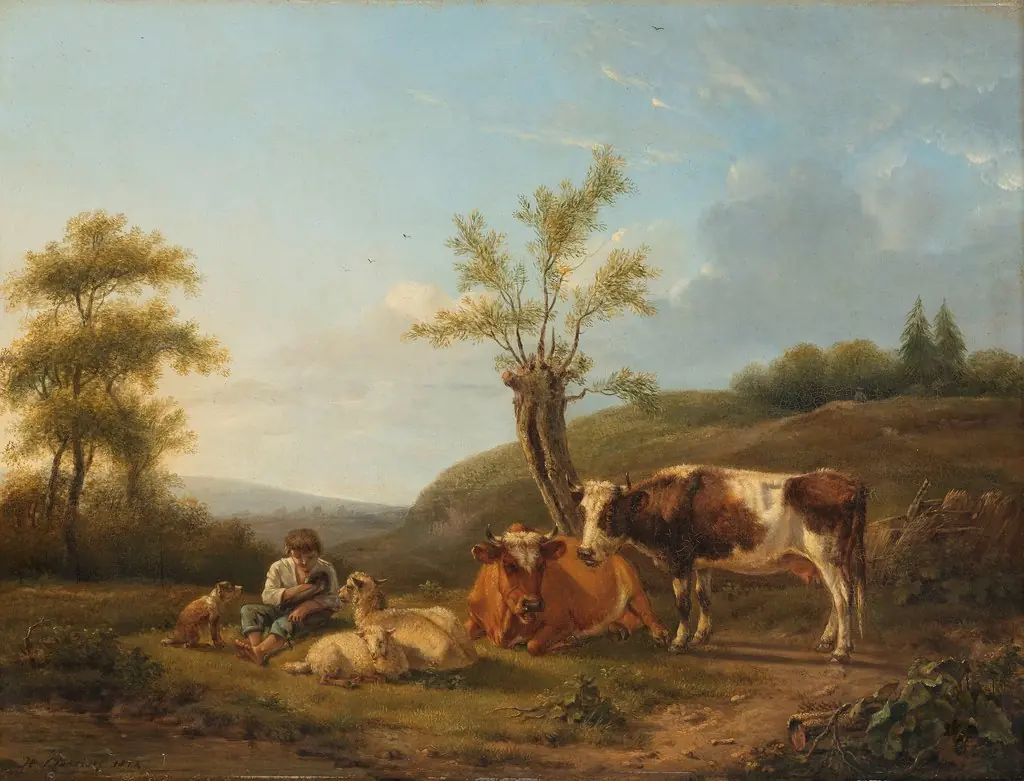
Cows and Sheep is an oil painting by Eugène Verboeckhoven. It dates from 1848 and is held in the collection of the Royal Museum of Fine Arts Antwerp.
About this work
Overview
Eugène Joseph Verboeckhoven painted *Cows and Sheep* circa 1848 in oil on canvas, capturing a quiet rural moment in the Belgian countryside.
Eugène Joseph Verboeckhoven painted *Cows and Sheep* circa 1848 in oil on canvas, capturing a quiet rural moment in the Belgian countryside. Known for his precise rendering of livestock and natural environments, Verboeckhoven worked across multiple media but focused much of his output on animals in pastoral settings. The painting is part of the Royal Museum of Fine Arts Antwerp’s collection, reflecting its significance in 19th-century Belgian art.
Subject & Meaning
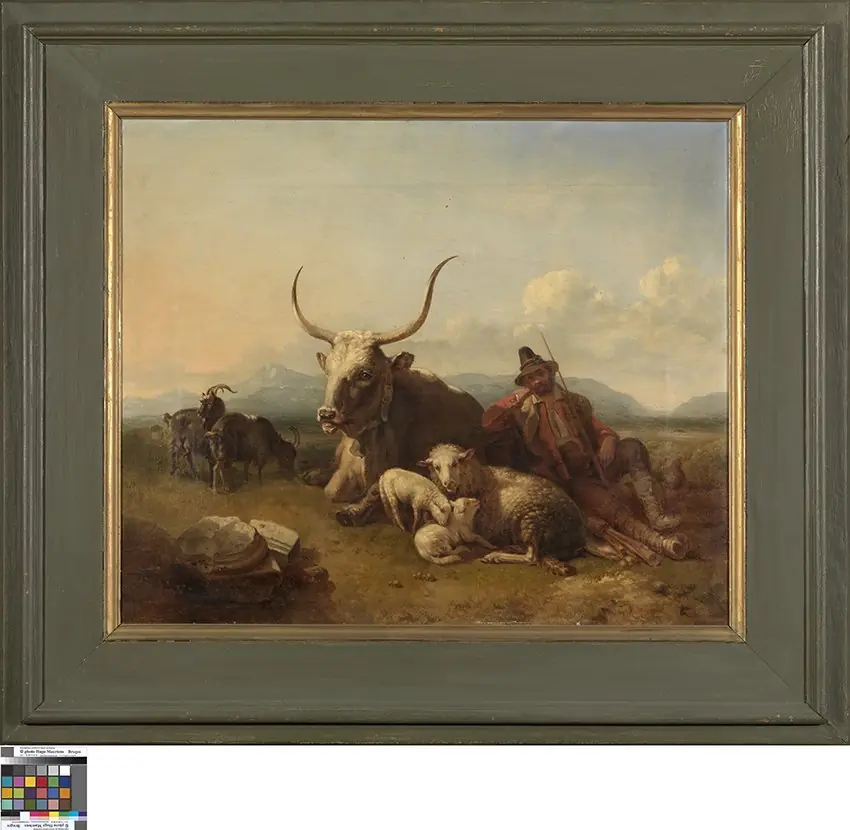
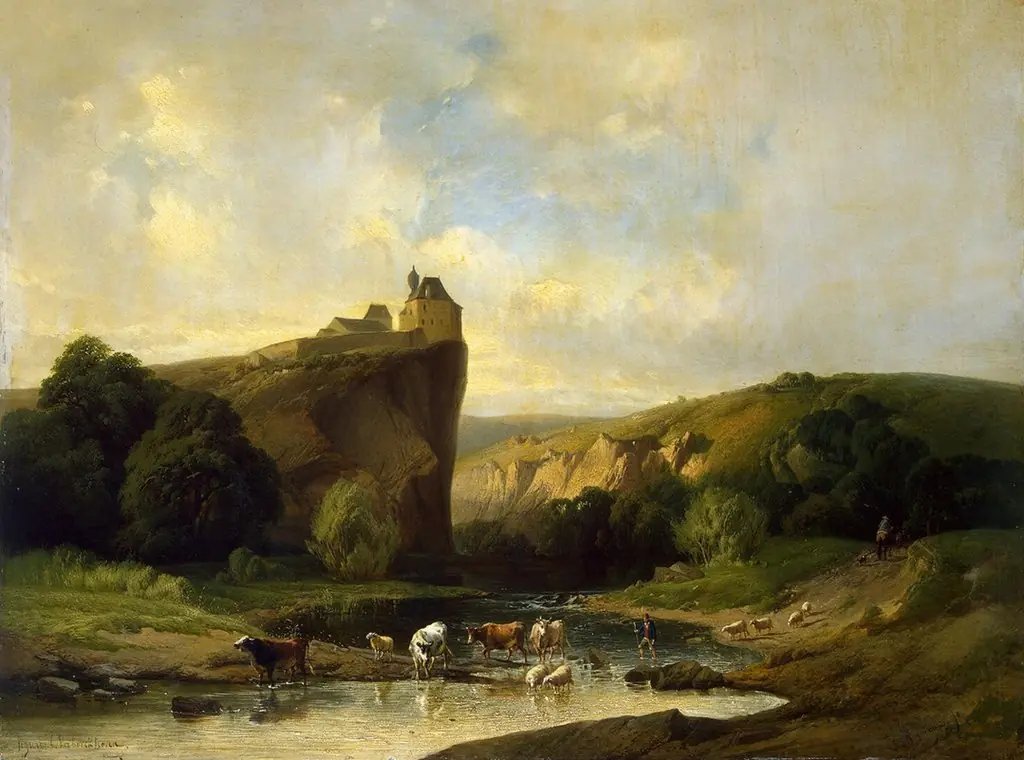
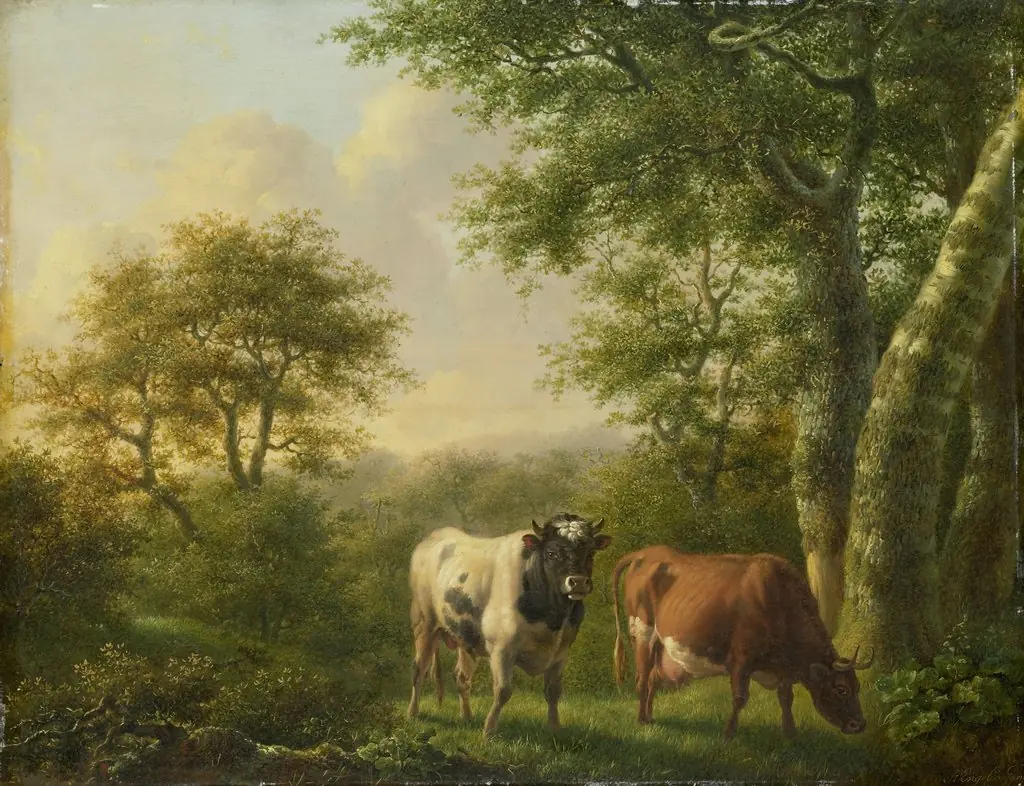
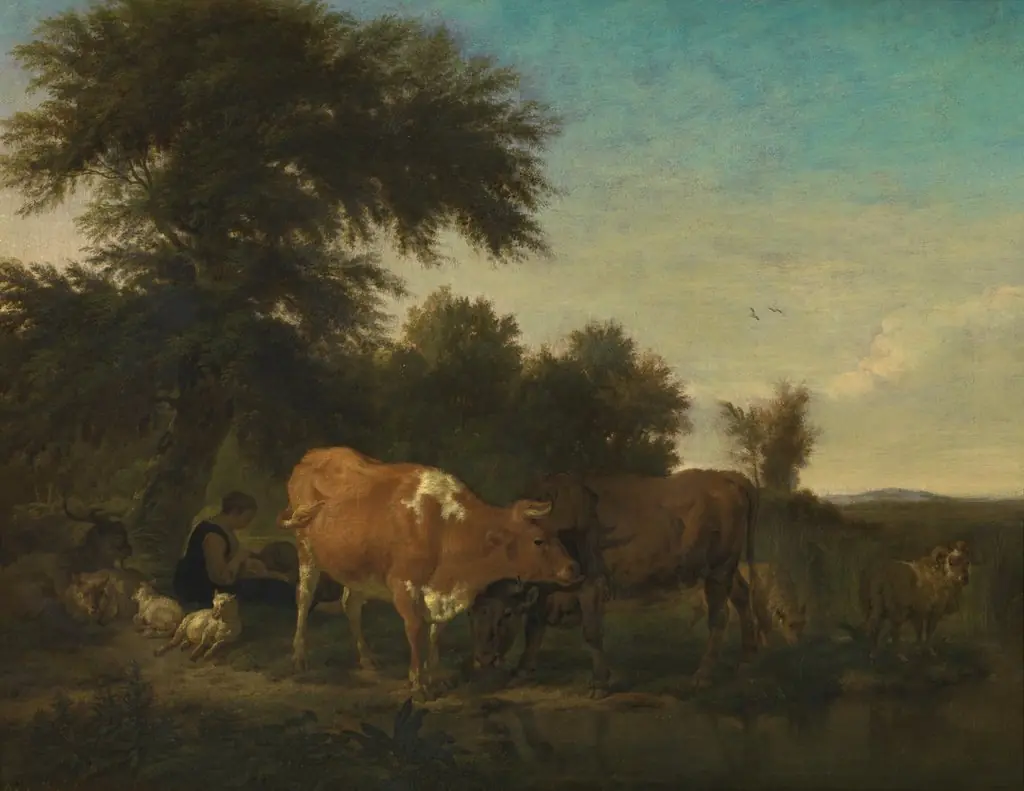
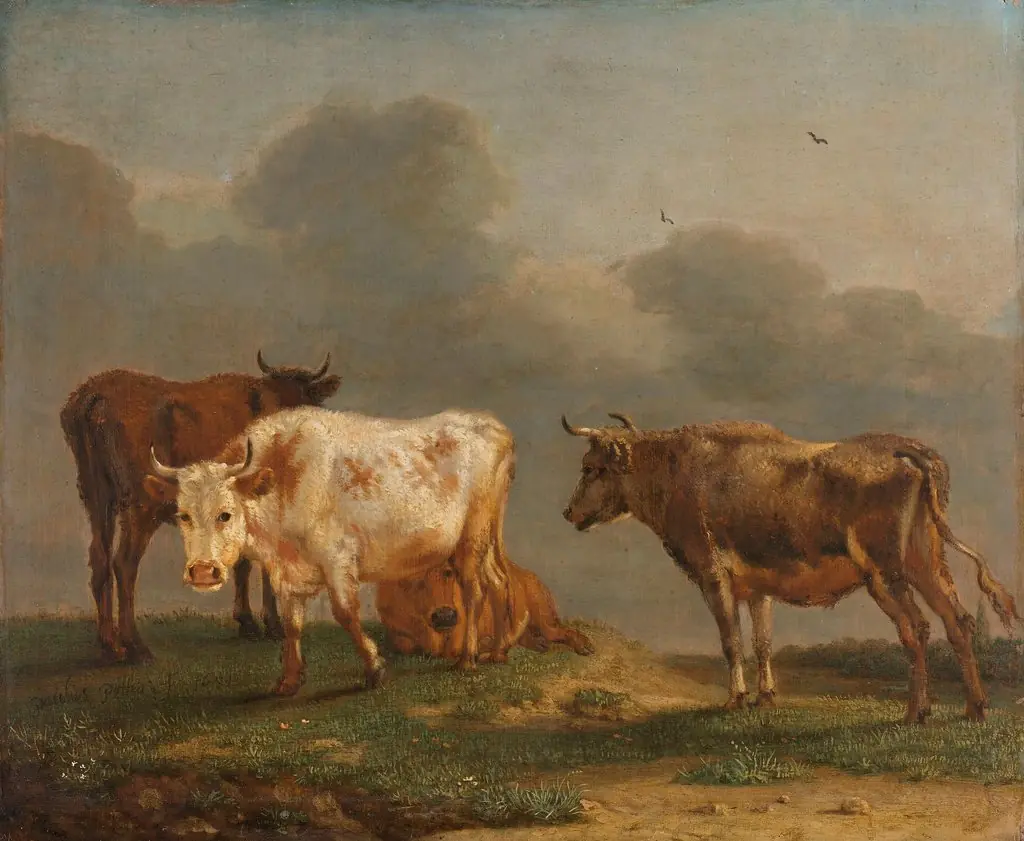
The scene presents a group of cows standing calmly beside reclining sheep, suggesting a moment of rest in a pastoral landscape. No human figures appear, emphasizing the animals’ autonomy within their environment. The composition avoids drama or narrative, instead conveying a quiet dignity to rural life. The stillness of the animals and the unobtrusive setting imply harmony between creatures and land, without idealization.
Technique & Style
Verboeckhoven employed oil paint to build subtle texture in the animals’ fur and the earthy ground, using layered brushwork to suggest volume without overt detail. The palette is restrained—dominated by earth browns, olive greens, and soft grays—enhancing the scene’s tranquility. Light falls evenly, avoiding strong chiaroscuro; instead, gentle tonal shifts define form, grounding the animals in a believable, quiet atmosphere.
History & Provenance
Created in the late 1840s, the painting entered the collection of the Royal Museum of Fine Arts Antwerp, where it has remained since. Verboeckhoven’s reputation as a specialist in animal painting ensured his works were collected by Belgian institutions during his lifetime. While not widely exhibited abroad, *Cows and Sheep* exemplifies the domestic, observational tradition that defined his career and appealed to regional patrons.
Context
In mid-19th-century Belgium, interest in rural life and natural observation grew alongside Romanticism and early realism. Artists like Verboeckhoven responded to a public appetite for depictions of the countryside that avoided sentimentality. His work aligned with broader European trends favoring accurate animal anatomy and unembellished landscapes, distinguishing him from more theatrical or mythological painters of the era.
Legacy
Verboeckhoven’s focus on livestock as subjects of quiet dignity influenced later Belgian animal painters and contributed to the development of a regional realist tradition. While not internationally renowned, his precise technique and restrained compositions remain valued in Belgian art history. *Cows and Sheep* stands as a representative example of his lifelong commitment to observing and portraying animals with fidelity and calm.
Artist & collection
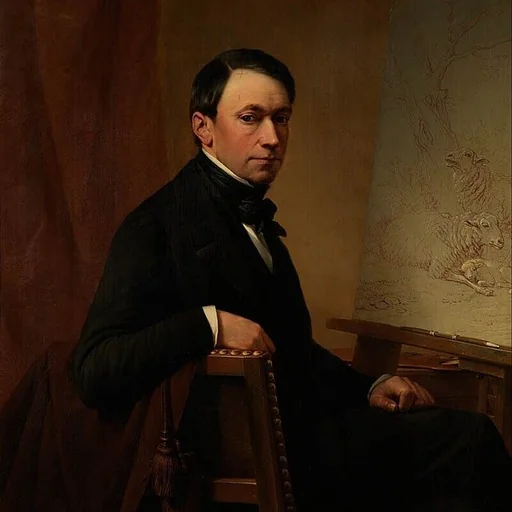
Artist
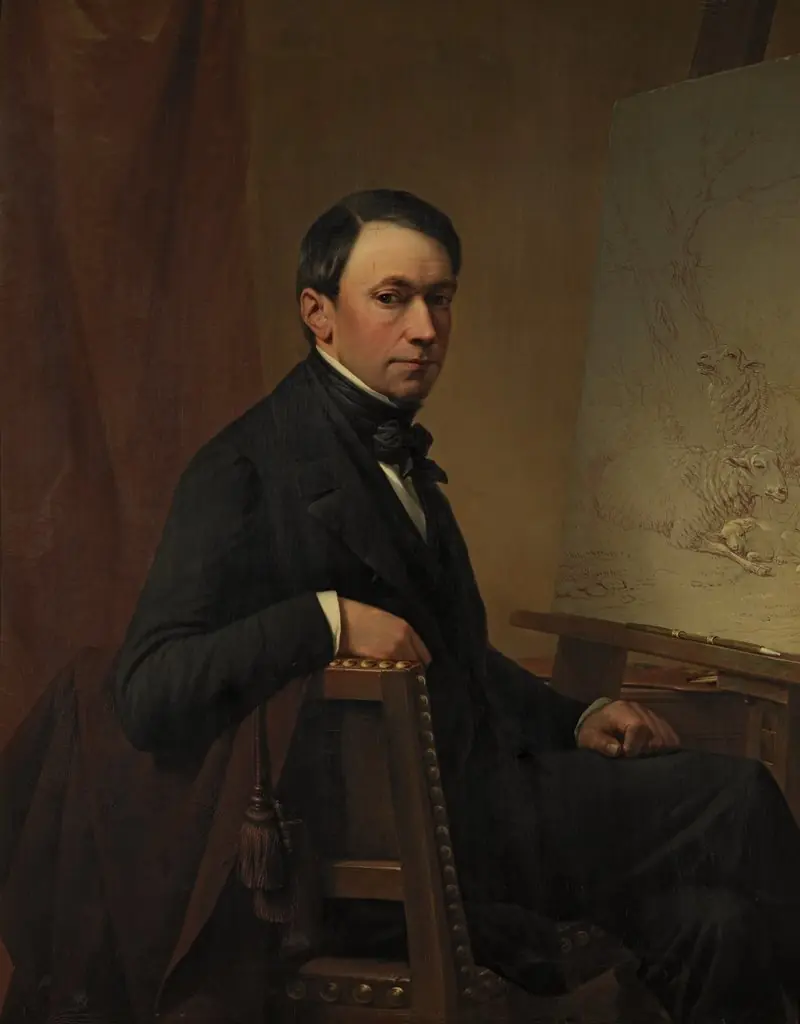
Eugène Joseph Verboeckhoven (9 June 1798 – 19 January 1881) was a Belgian painter, a sculptor, an etcher, an engraver, and a lithographer of animals, animated landscapes, and portraits.