Artwork
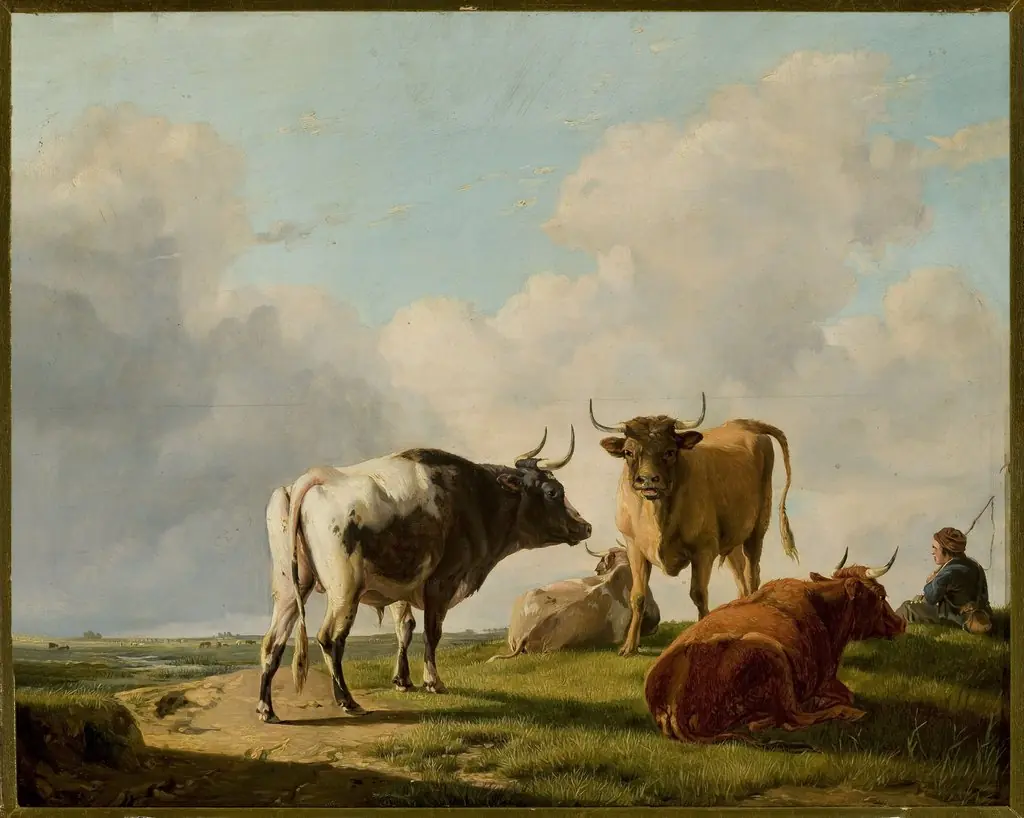
Landscape with a Herd
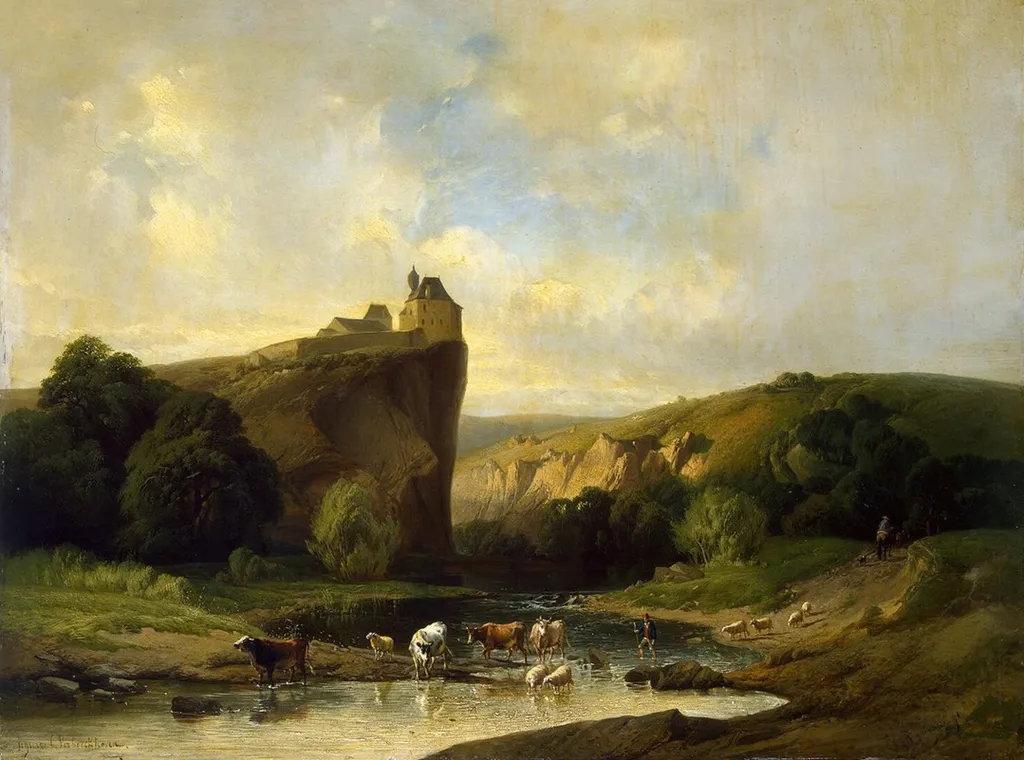
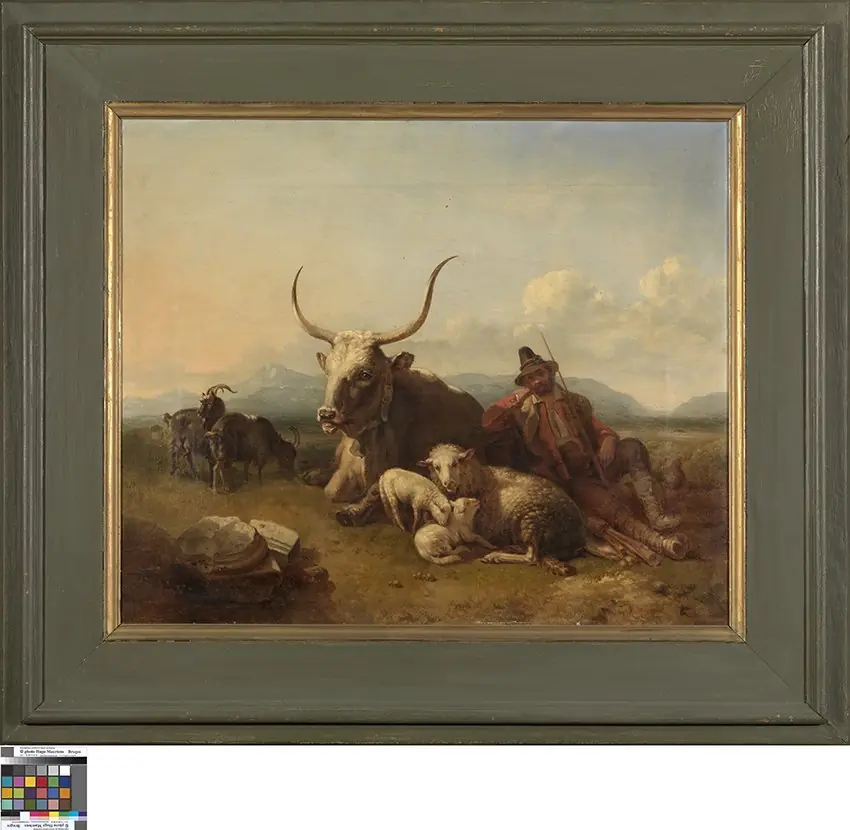
Landscape with a Herd is an oil painting by the Barbizon school artist Eugène Verboeckhoven. It dates from 1862 and is held in the collection of the Hermitage Museum. Painted in 1862 by Belgian artist Eugène Joseph Verboeckhoven, this oil-on-canvas work depicts a tranquil rural scene.
About this work
Overview
Painted in 1862 by Belgian artist Eugène Joseph Verboeckhoven, this oil-on-canvas work depicts a tranquil rural scene.
Painted in 1862 by Belgian artist Eugène Joseph Verboeckhoven, this oil-on-canvas work depicts a tranquil rural scene. It reflects the artist’s lifelong interest in integrating livestock into natural environments. Though often associated with the Barbizon School for its emphasis on observed nature, the piece also carries the quiet precision characteristic of Verboeckhoven’s individual style. The painting is part of the State Hermitage Museum’s collection.
Subject & Meaning
The scene presents a modest, unidealized countryside: a stream winds through low hills, where cattle and sheep gather to drink. A solitary figure tends to the animals, while another walks away with a dog, suggesting daily pastoral routines. The distant castle-like structure hints at human presence without intrusion. The composition avoids drama, instead honoring the rhythm of ordinary rural life through stillness and subtle activity.
Technique & Style
Verboeckhoven employed glazing techniques to build subtle tonal transitions, particularly in the rendering of animal hides and weathered rock. Light falls softly, distinguishing smooth surfaces from rough textures without harsh contrasts. The palette of muted greens and browns, combined with a hazy, clouded sky, enhances the sense of quiet atmosphere. Brushwork remains restrained, prioritizing naturalism over expressive flourish.
History & Provenance
Created in 1862, the painting entered the collection of the State Hermitage Museum in Saint Petersburg, where it remains today. While Verboeckhoven was celebrated in Belgium and France during his lifetime, this work’s presence in Russia suggests broader European recognition of his animal and landscape studies. No significant alterations or documented restorations are recorded for this piece.
Context
In mid-19th-century Europe, artists increasingly turned to rural subjects as industrialization reshaped society. The Barbizon School’s commitment to painting outdoors and capturing unembellished nature influenced Verboeckhoven, though his focus on animals distinguished him from peers like Millet or Rousseau. His work bridges the gap between academic tradition and emerging realist tendencies in landscape painting.
Legacy
Verboeckhoven’s attention to animal anatomy and natural lighting influenced later generations of animal painters in Northern Europe. While not widely known outside specialist circles today, his integration of livestock into serene landscapes helped refine the visual language of pastoral realism. The Hermitage’s retention of this work underscores its role as a representative example of 19th-century European naturalism.
Artist & collection
Artist
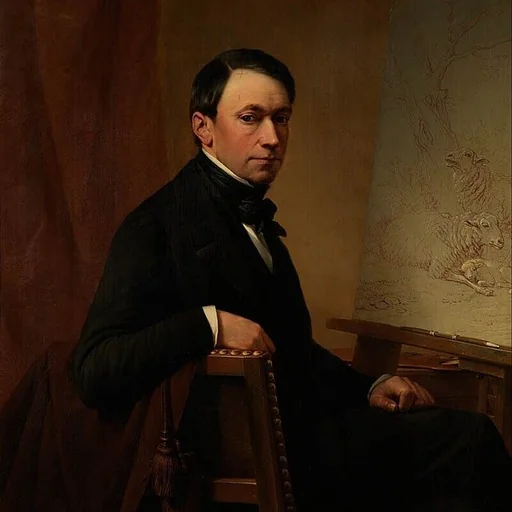
Eugène Joseph Verboeckhoven (9 June 1798 – 19 January 1881) was a Belgian painter, a sculptor, an etcher, an engraver, and a lithographer of animals, animated landscapes, and portraits.

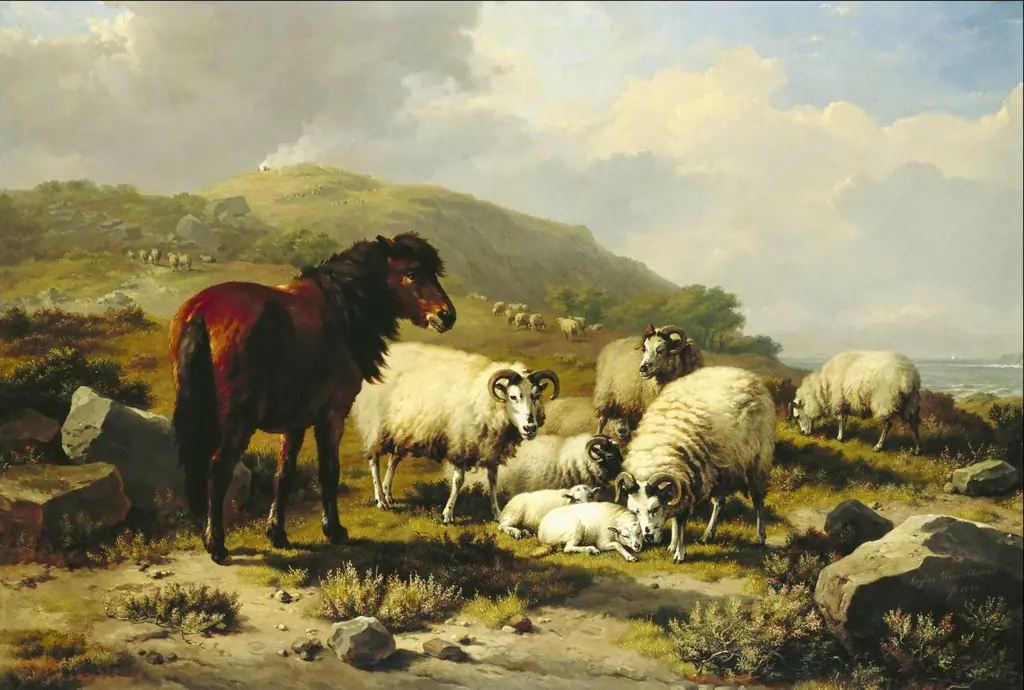
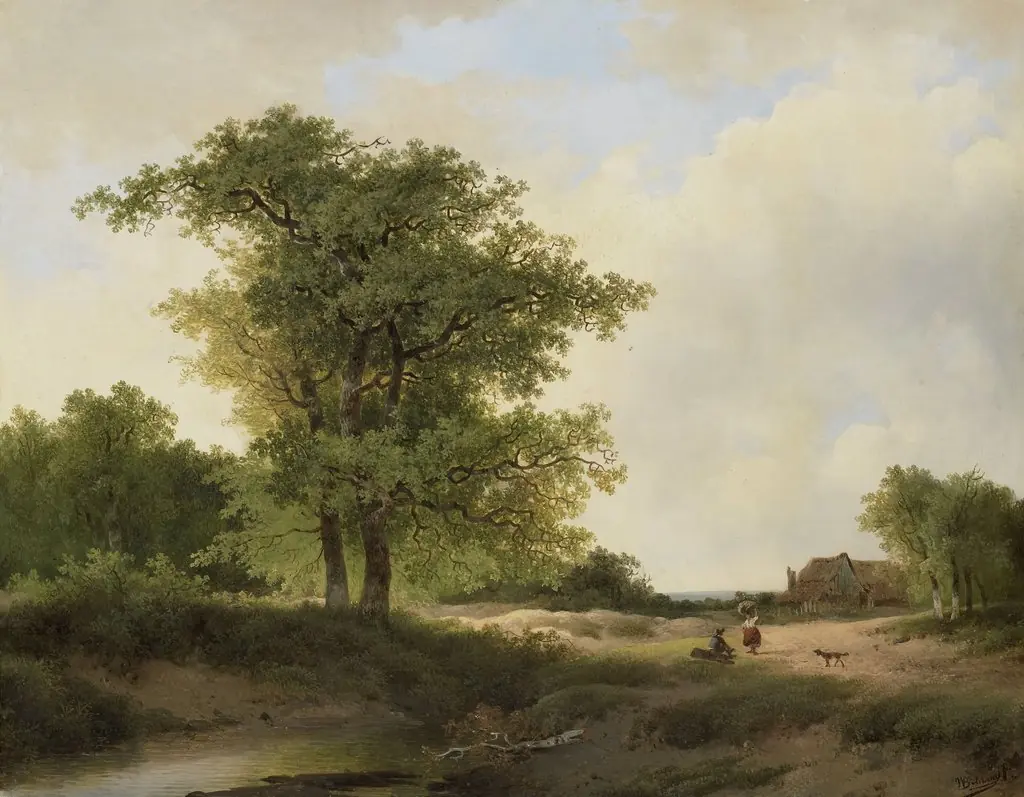 Landscape with Farmstead
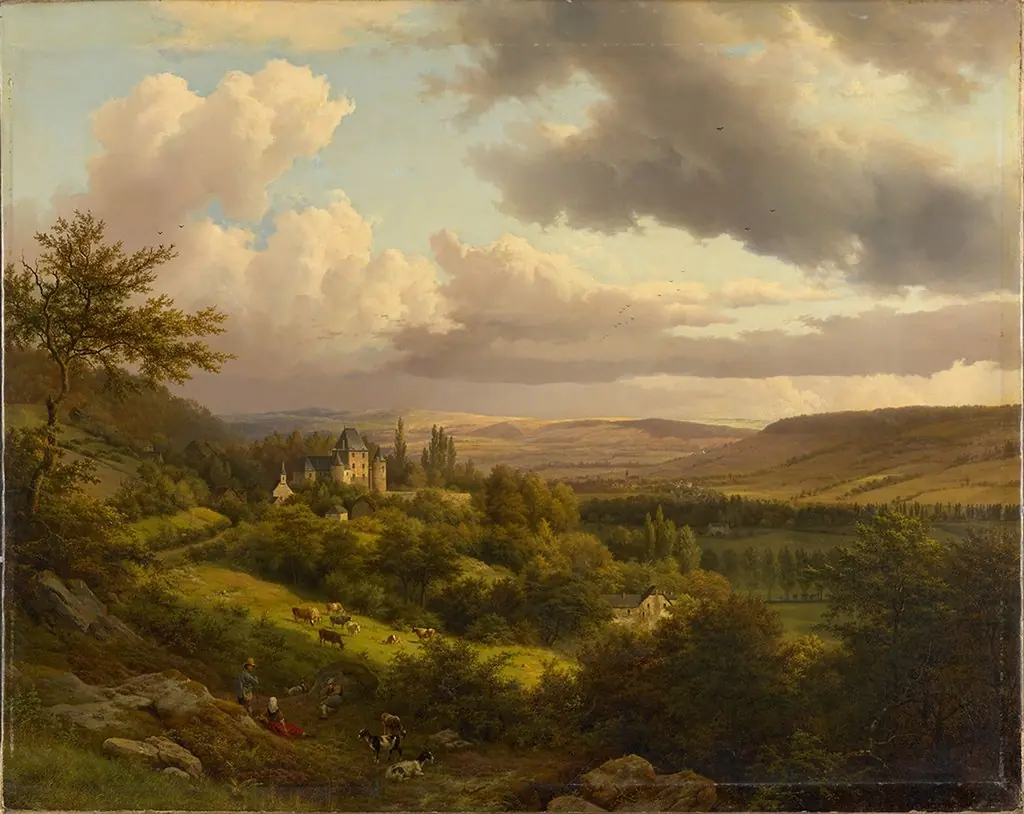 Luxemburgische Landschaft mit Blick auf Schloss Berg
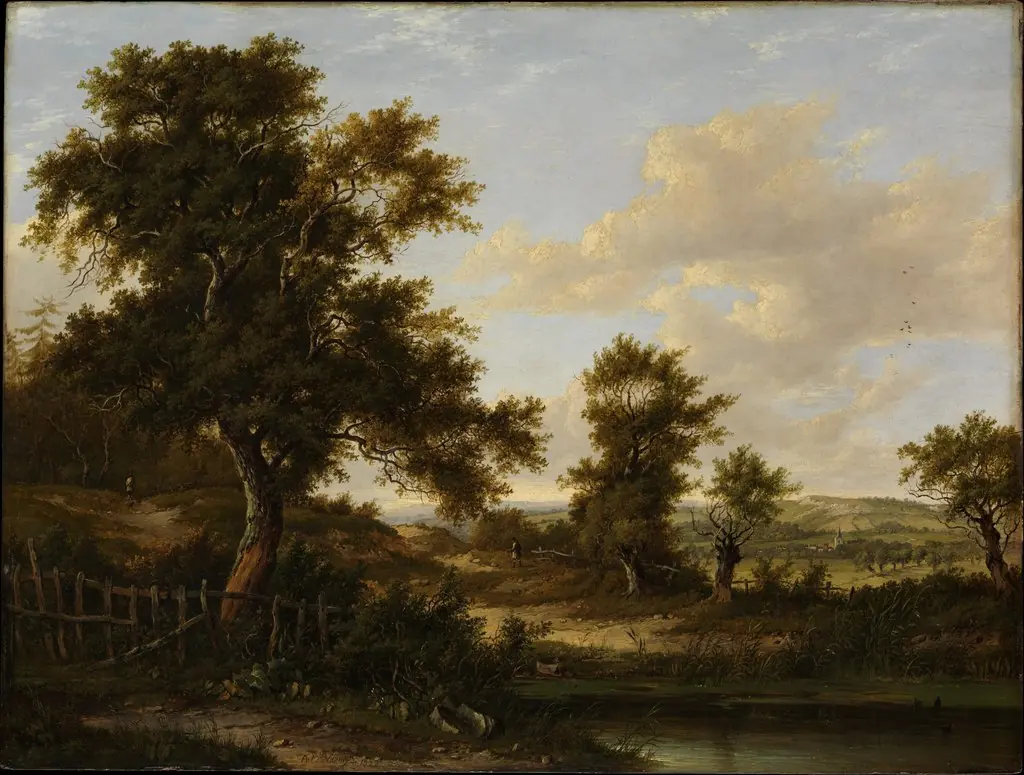 Near Penshurst, Kent
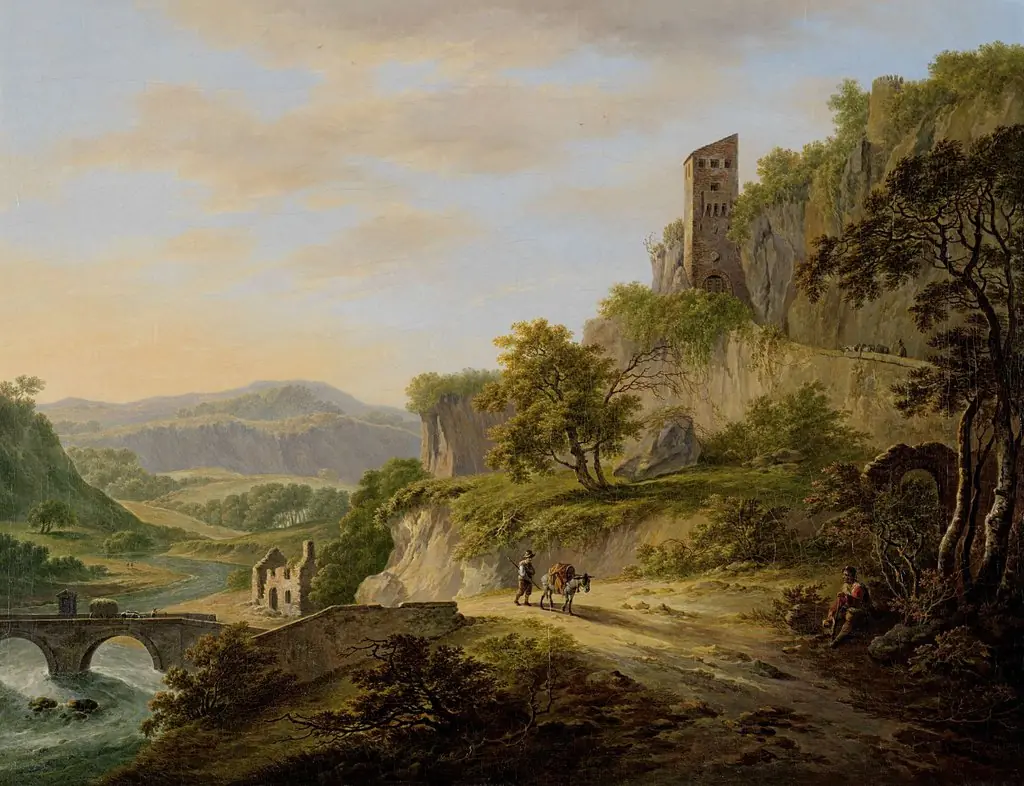 Gezicht op Civita Castellana
 Italina landscape with round tower
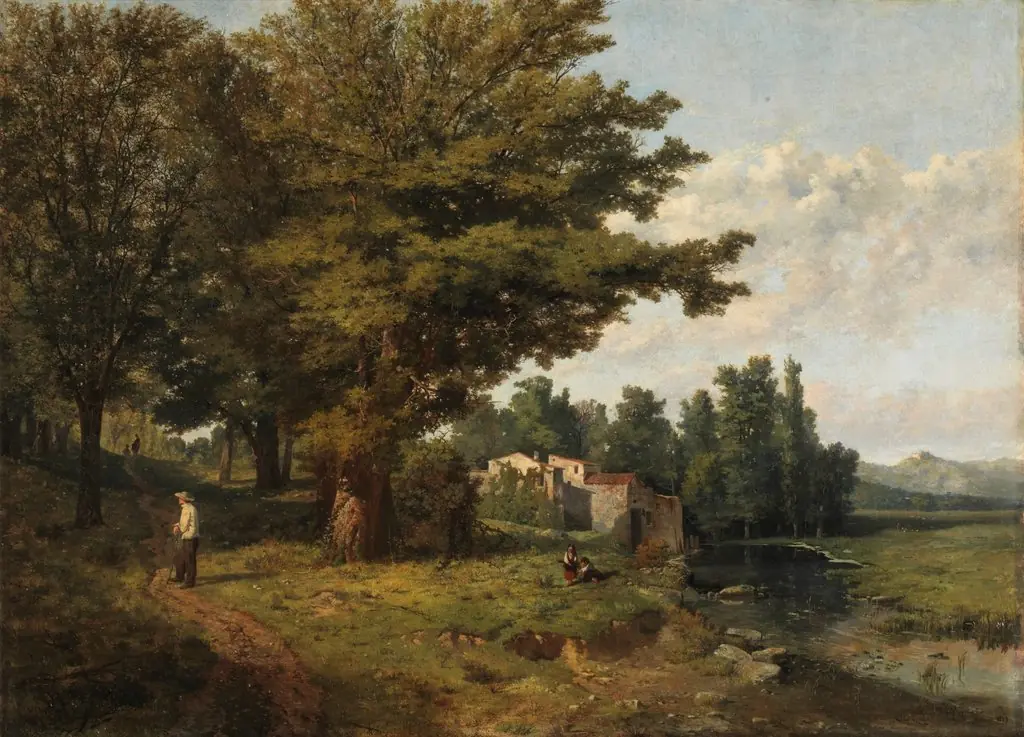 Paisaje de Portland
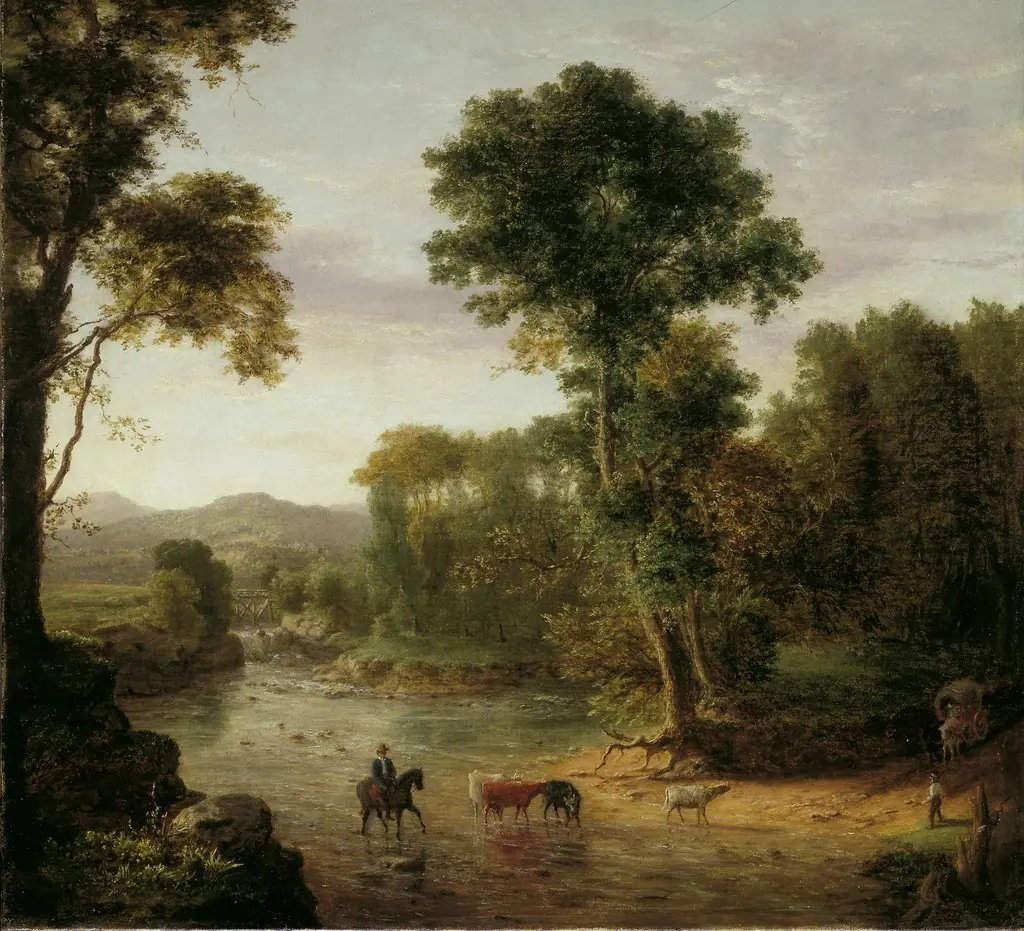 Crossing the Ford
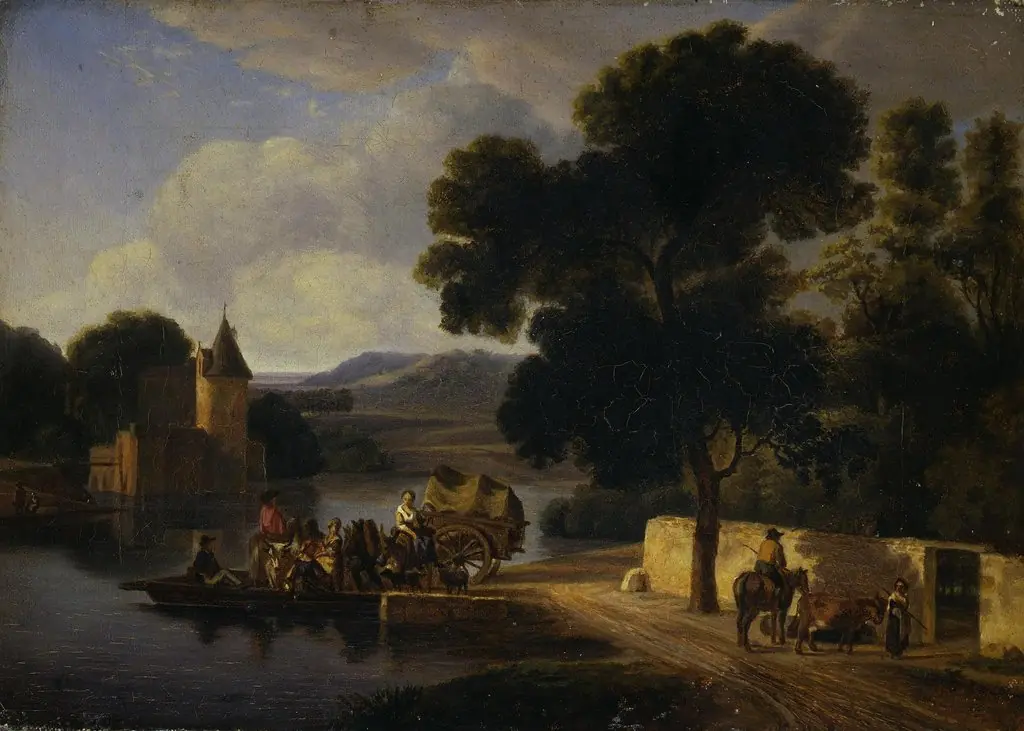 Italian Landscape
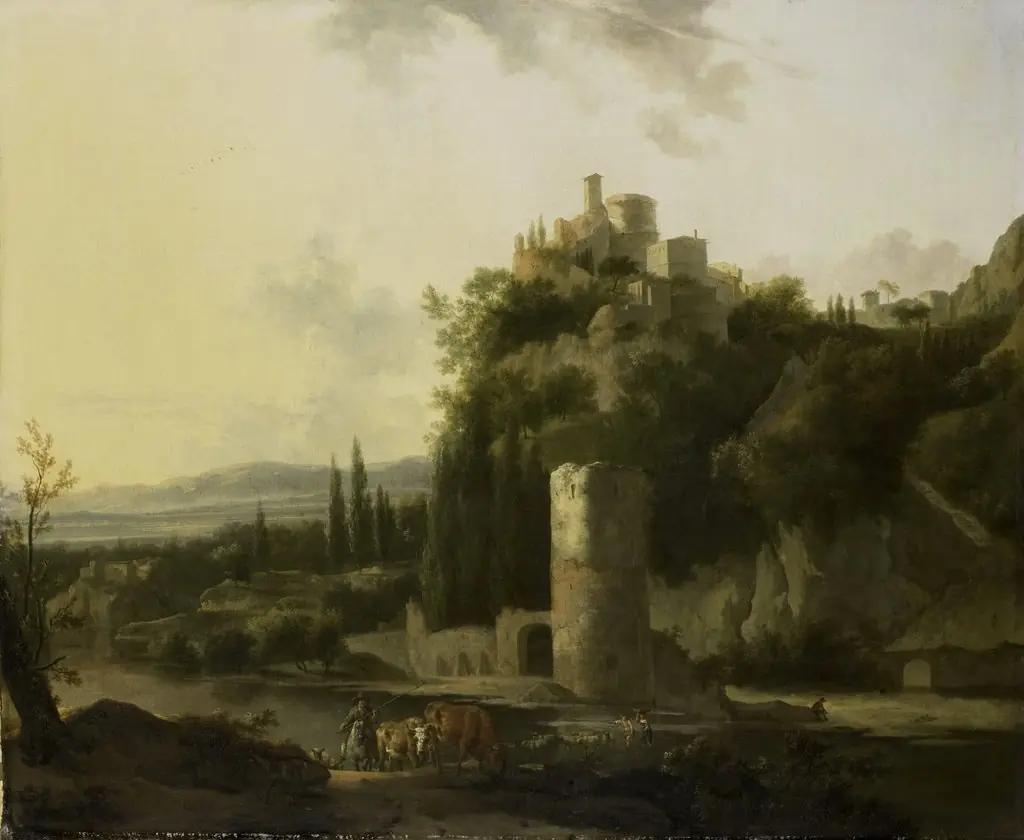 Italina landscape with round tower
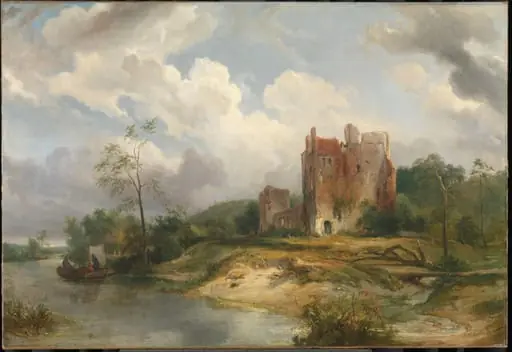 River Landscape with Ruin
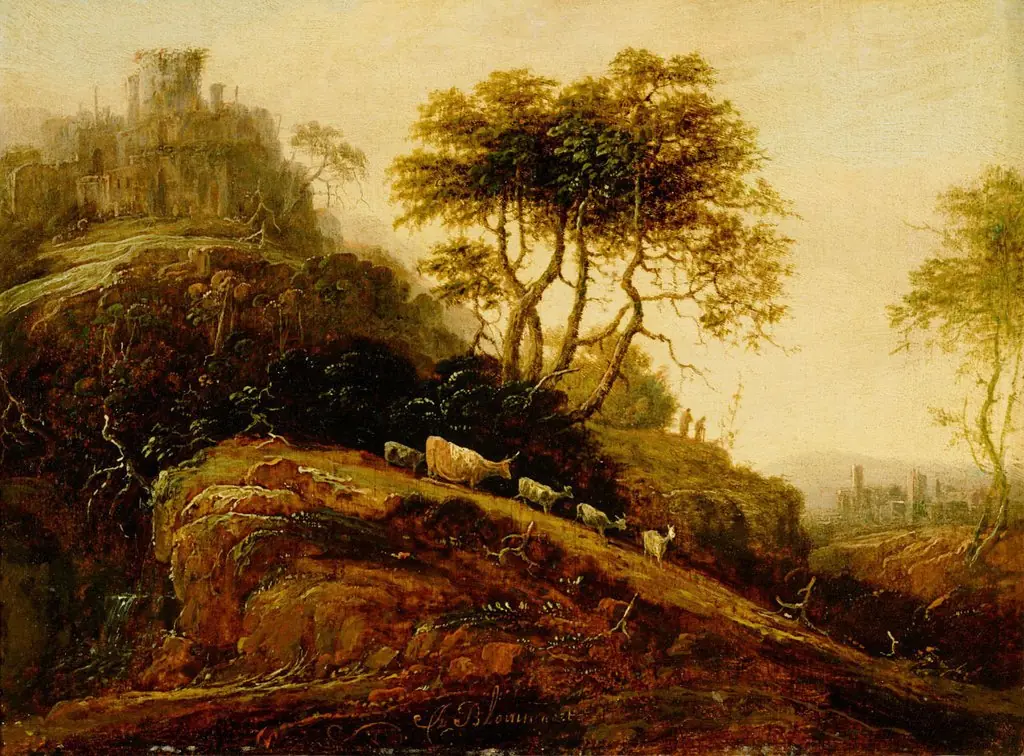 Berglandschaft
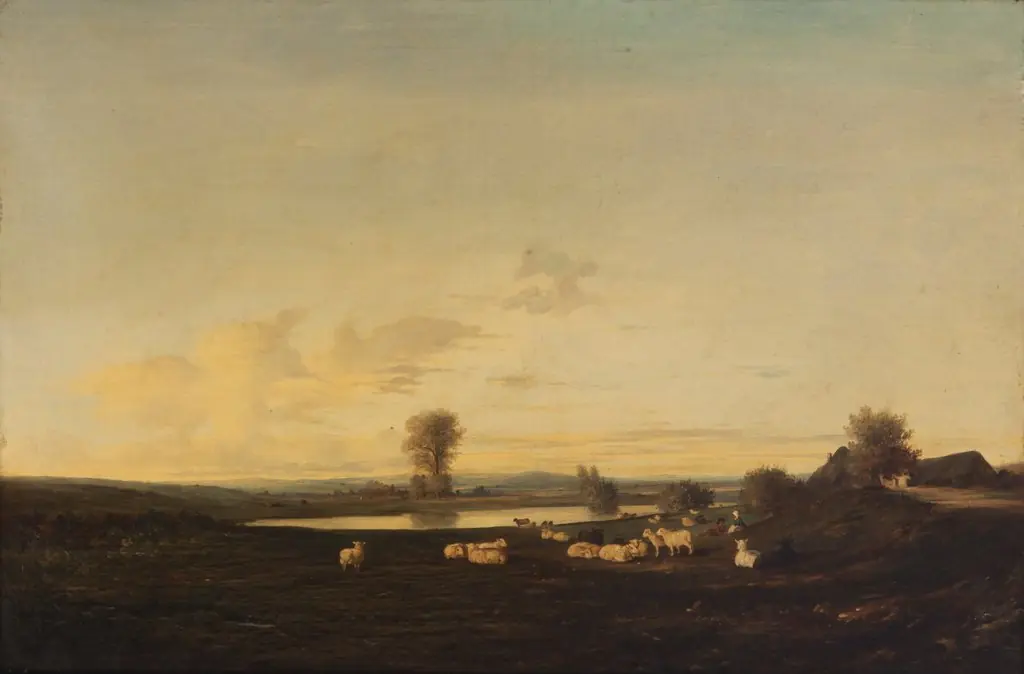 Landscape with people and animals