Artwork
Braut wider Willen
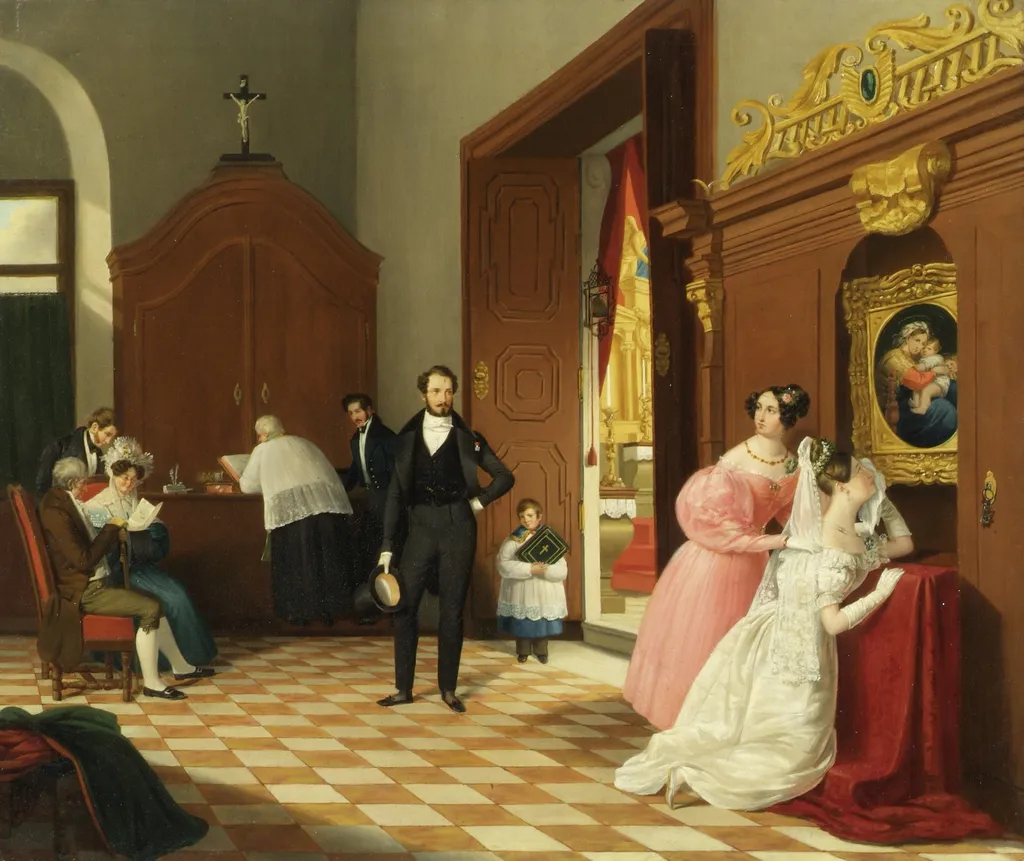
Braut wider Willen is an oil painting by Eugen Hummel. It dates from 1853 and is held in the collection of the Belvedere.
About this work
Overview
This mid-nineteenth-century oil painting by Eugen Hummel presents an interior scene that merges domestic and ecclesiastical elements.
This mid-nineteenth-century oil painting by Eugen Hummel presents an interior scene that merges domestic and ecclesiastical elements. Rendered in muted tones with precise detail, the composition centers on a woman in bridal attire kneeling on a crimson cushion, while a man in formal dress stands apart, turned away from her. The setting combines ornate woodwork, religious iconography, and everyday furnishings, creating an atmosphere of subdued tension.
Subject & Meaning
The scene appears to depict a moment of private conflict within a space that doubles as both home and chapel. The bride’s isolated posture and the indifference of the surrounding figures suggest a narrative of reluctance or estrangement. Religious symbols—the Madonna and Child painting, crucifix, and saint’s statue—frame the event, implying a contrast between ritual obligation and personal sentiment. The absence of direct interaction heightens the ambiguity of the scene’s emotional undercurrents.
Technique & Style
Hummel employs a restrained yet meticulous approach, characteristic of mid-nineteenth-century academic painting. The composition relies on balanced spatial arrangement, with the tiled floor and architectural detailing guiding the viewer’s eye. Subdued lighting and controlled brushwork emphasize texture—fabric, wood grain, and metal—while the figures’ expressions remain neutral, reinforcing the scene’s quiet tension. The palette is dominated by earthy tones, punctuated by the bride’s luminous gown and the cushion’s deep red.
History & Provenance
Created around 1853, the painting has been part of the Kunsthistorisches Museum’s collection since its acquisition. Little documentation survives regarding its initial commission or exhibition history, though its subject matter aligns with the period’s interest in genre scenes with moral or social undertones. The work’s preservation suggests it was valued early on, though its reception among contemporary audiences remains unrecorded.
Context
The painting reflects a broader nineteenth-century fascination with domestic interiors infused with religious or allegorical significance. Such scenes often explored themes of duty, marriage, and societal expectations, particularly in Central European art. The blending of sacred and secular spaces may also allude to the era’s shifting attitudes toward institutional authority and personal autonomy, though Hummel’s intent remains open to interpretation.
Legacy
While not widely reproduced in modern scholarship, the painting offers insight into the intersection of genre and religious painting during the mid-1800s. Its ambiguous narrative and hybrid setting distinguish it from more conventional church interiors of the period. As part of a major museum’s holdings, it contributes to discussions of how artists navigated private emotion within public or ceremonial contexts.
Artist & collection

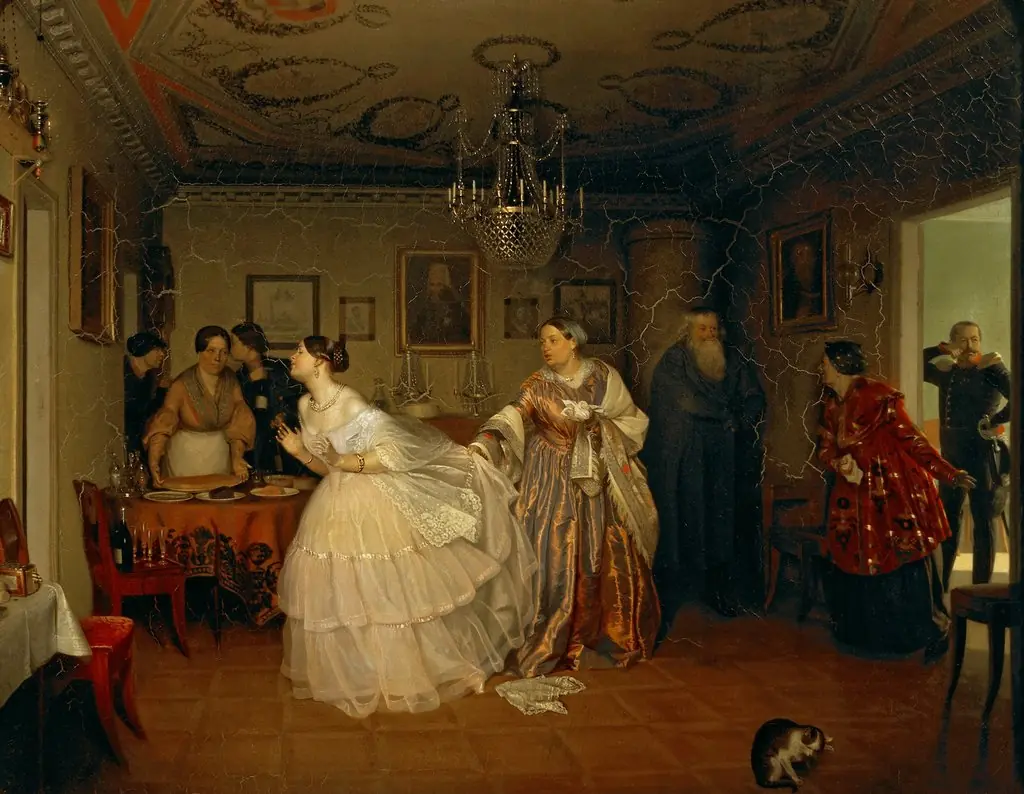 Major's marriage proposal
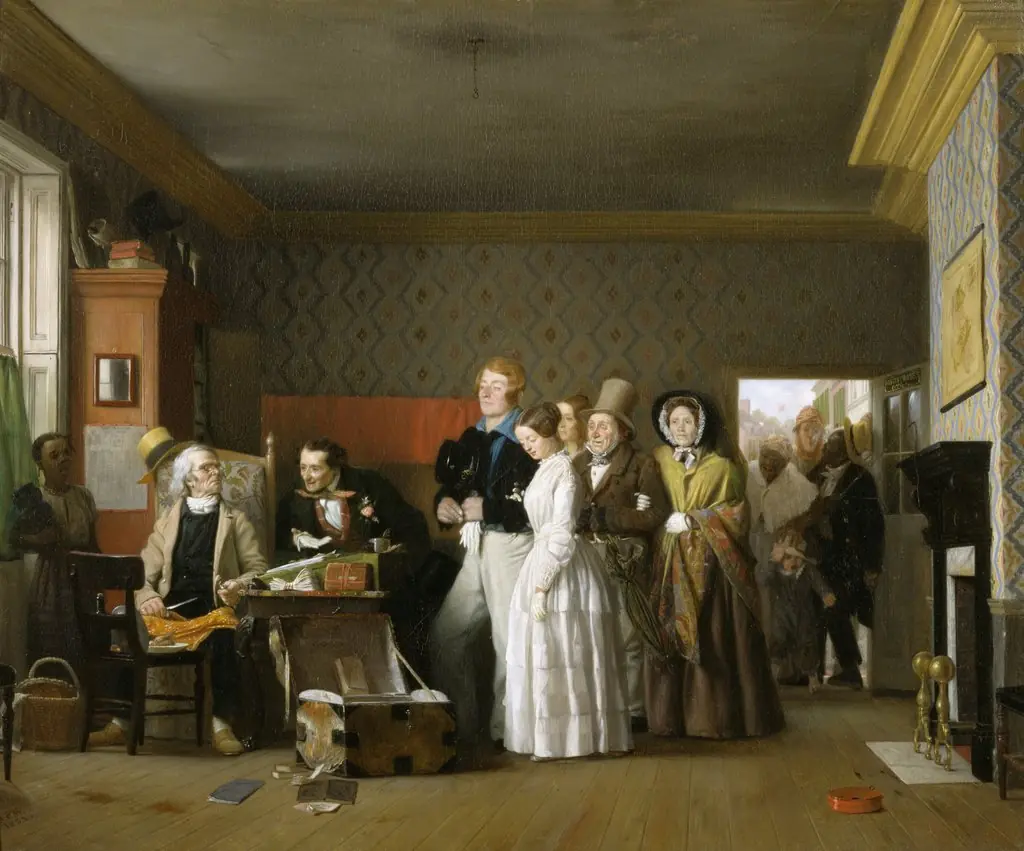 The Sailor’s Wedding
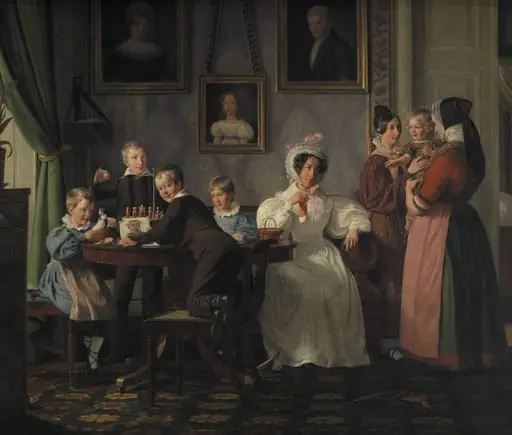 The Waagepetersen Family
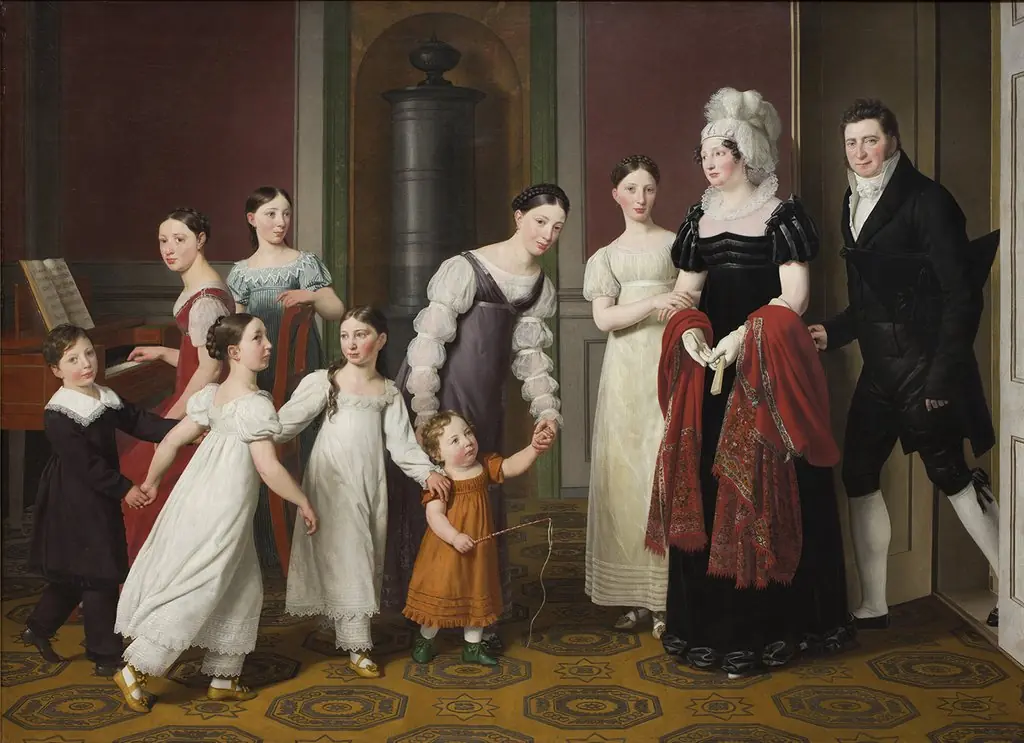 Familien Nathanson
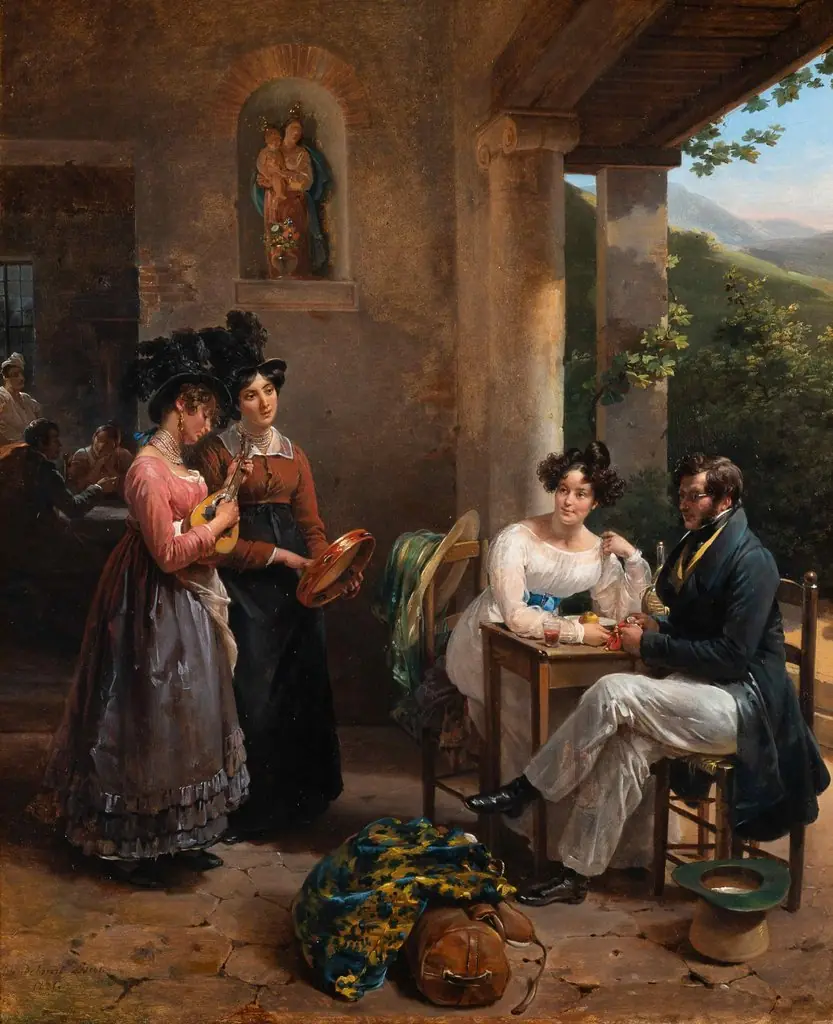 Self-Portrait of the Artist and Her Husband on Their Wedding Trip
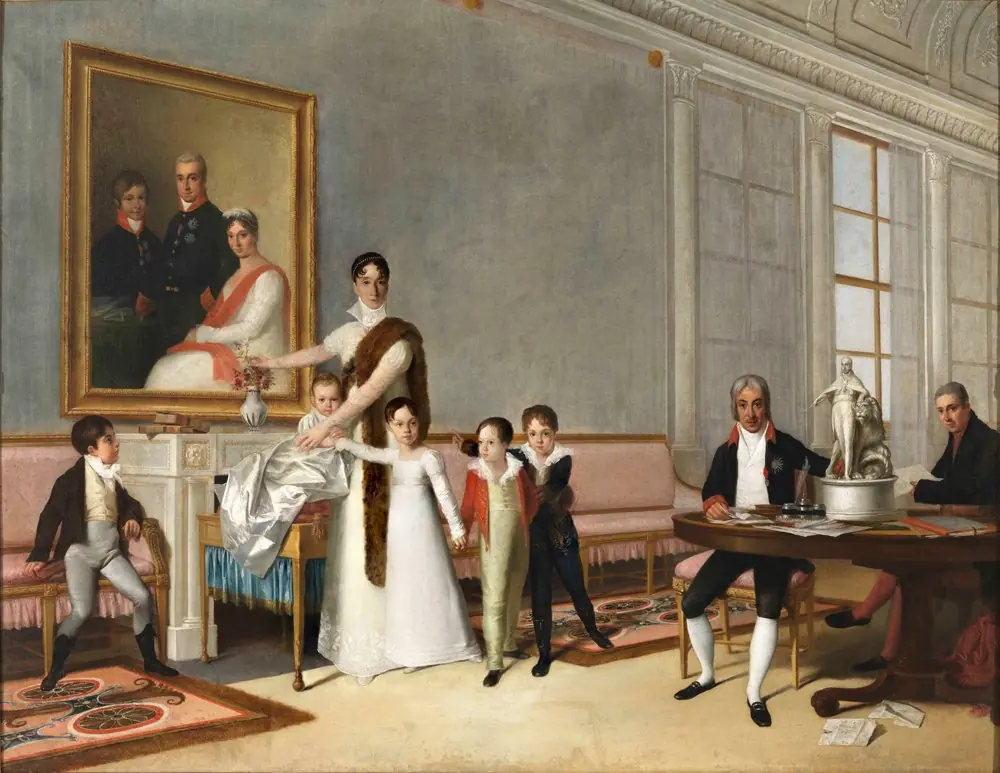 Portrait of the Family of the 1st Viscount of Santarém
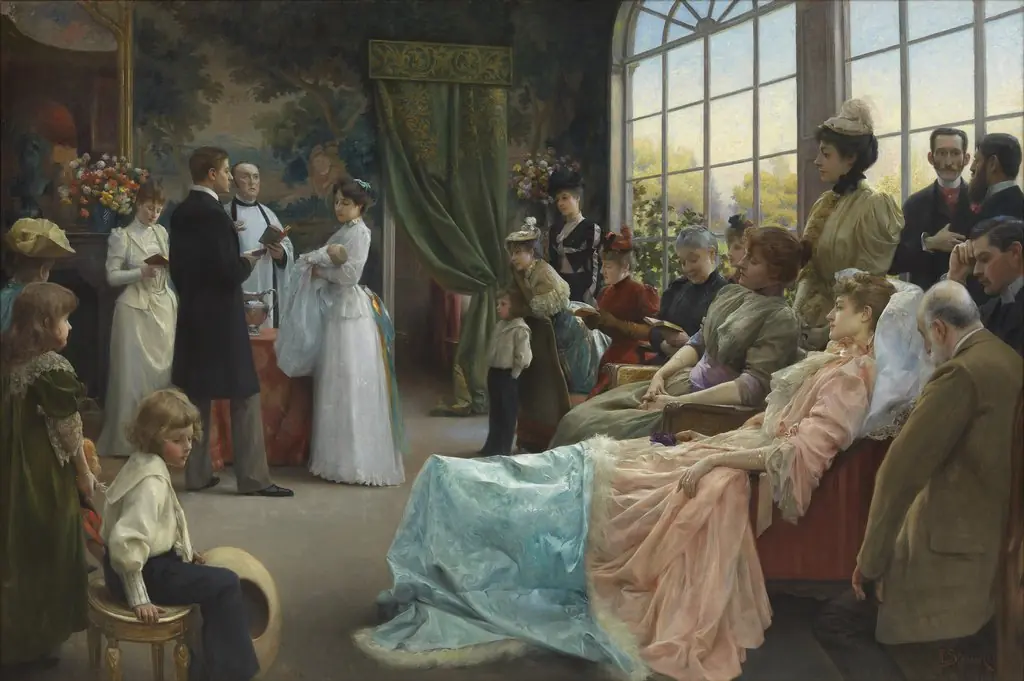 The Baptism
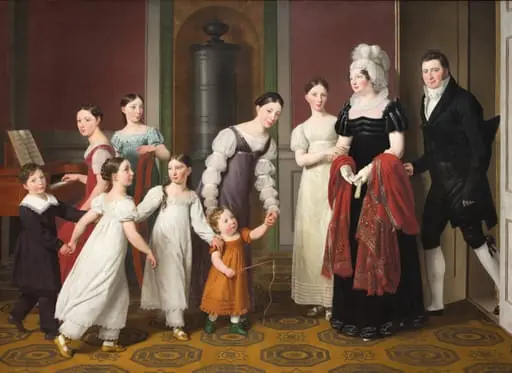 The Nathanson Family
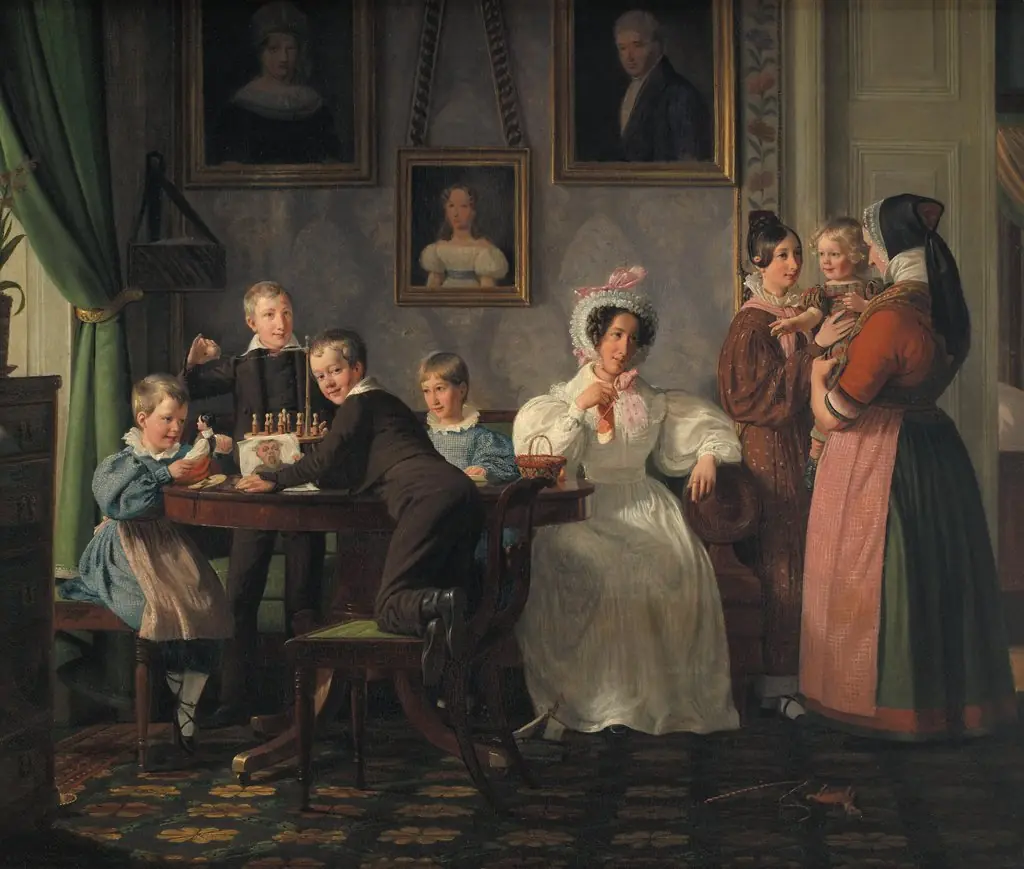 Familien Waagepetersen
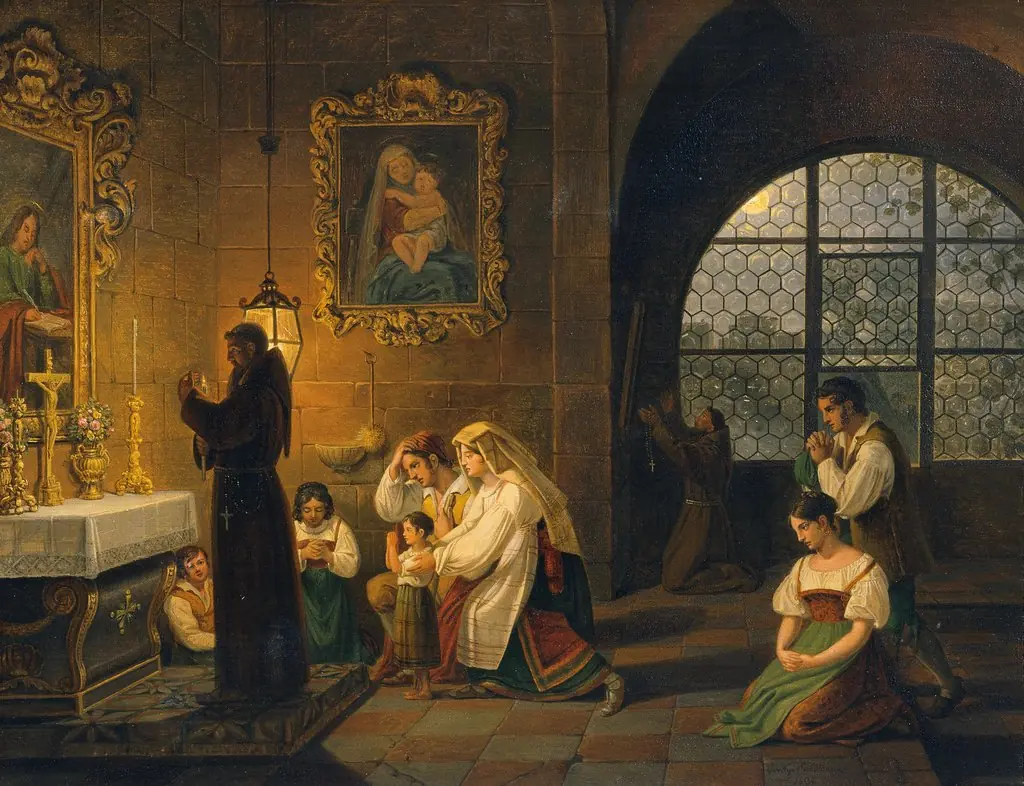 Das Innere einer italienischen Kirche
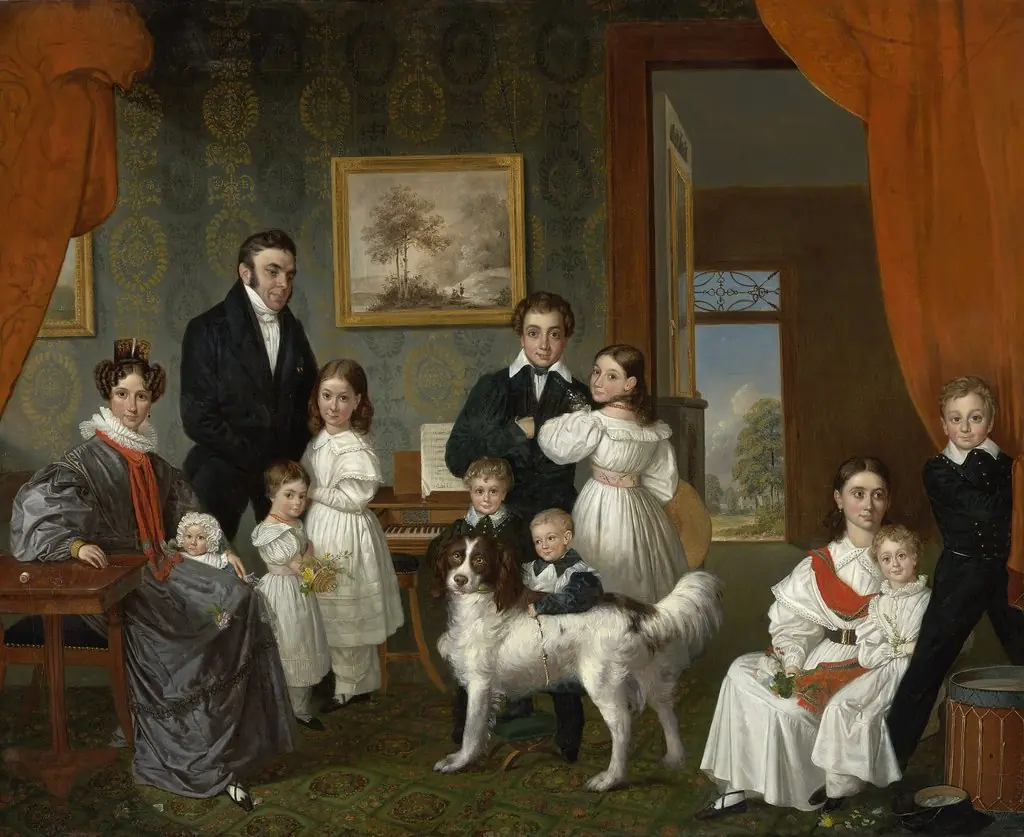 Portrait of the Baud family in their country house in Voorburg
 Portrait of Count Nikolai Repnin-Volkonsky with His Family