Artwork
Hellene von Sleben
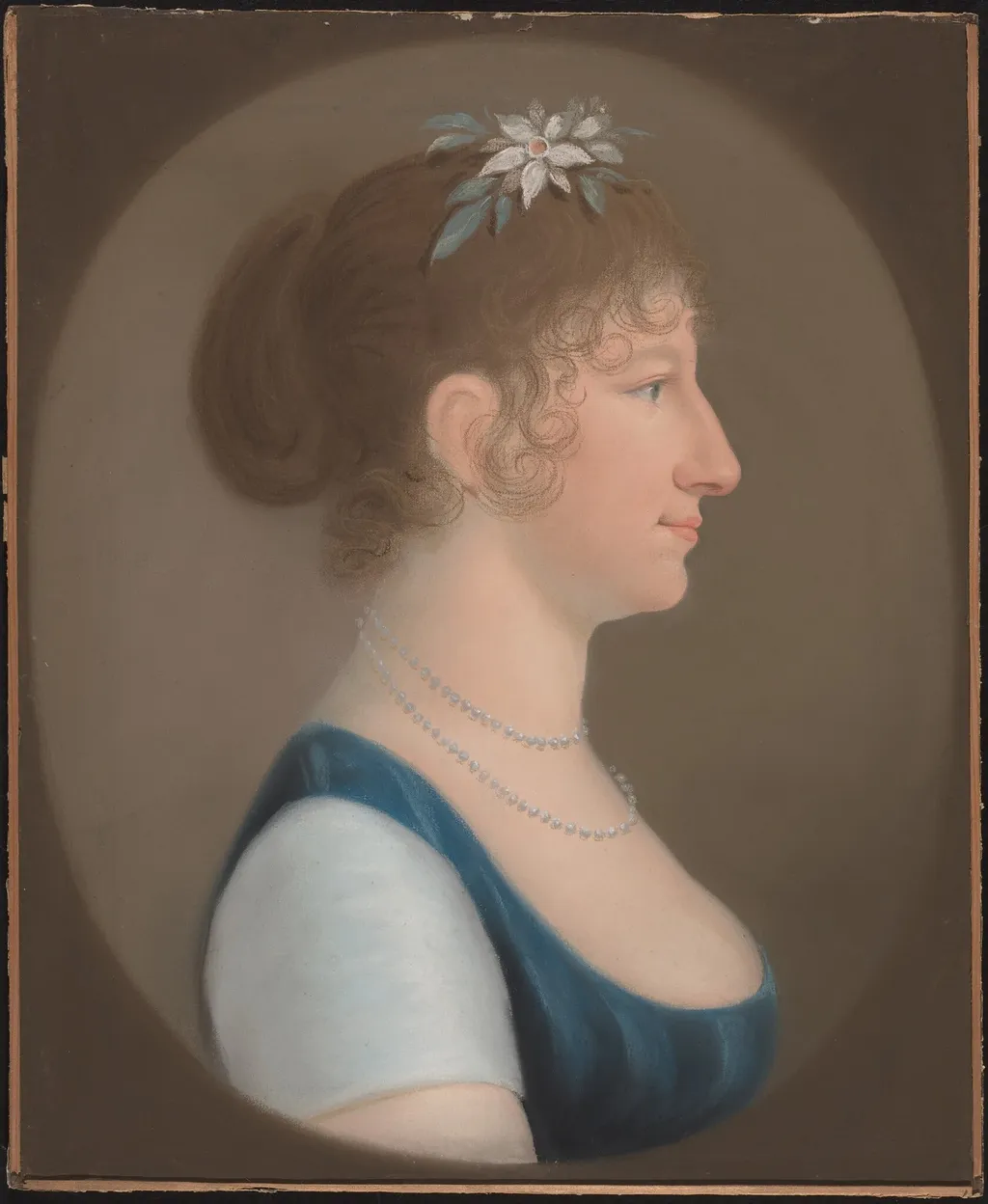
Hellene von Sleben is a pastel drawing by the Romanticist artist European 19th Century. It dates from 1800 and is held in the collection of the National Gallery of Art. The work is a portrait drawing executed in pastel on blue wove paper.
About this work
Overview
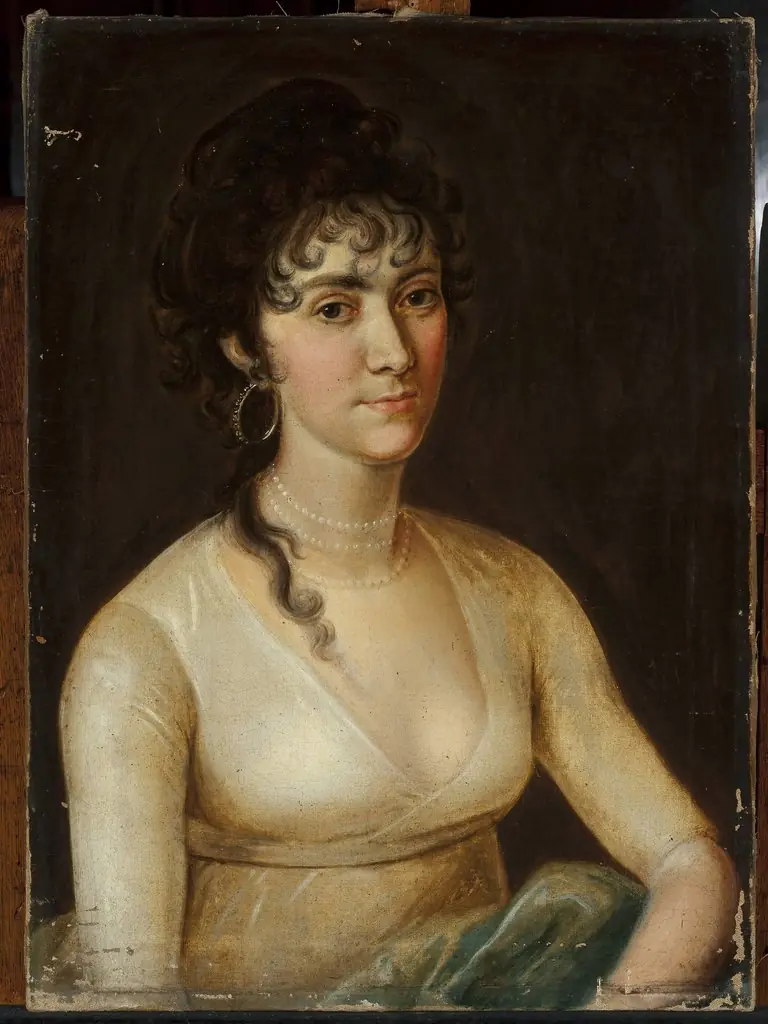
The work is a portrait drawing executed in pastel on blue wove paper. It depicts a woman turned slightly away, her profile rendered with soft, muted tones. The figure is dressed in a light blue gown edged with a darker blue trim, and a single strand of pearls rests at her throat. Her hair is arranged in gentle curls, accented by a small flower pinned at the front.
Subject & Meaning
The sitter appears as an elegant, possibly aristocratic woman, presented in a poised yet intimate manner. The profile pose, combined with the delicate accessories—a pearl strand and a floral hairpin—suggests refinement and modesty, qualities often associated with genteel portraiture of the period. The composition invites a quiet contemplation of personal identity and social standing.
Technique & Style
Pastel was applied to a specially prepared blue wove paper, allowing the pigments to blend smoothly and produce a near‑painted surface. The artist employed a restrained palette of blues, whites, and soft flesh tones, creating subtle gradations and gentle curves that reflect the aesthetic preferences of the era. The medium’s velvety texture enhances the softness of the facial features and fabric.
History & Provenance
The drawing is titled "Hellene von Sleben," though details of its creation date and original ownership remain undocumented in the available records. Its survival on delicate paper indicates careful handling, and its inclusion in a collection suggests it was valued for its fine execution and representation of contemporary portrait conventions.
Artist & collection

Artist
This artist worked in 1800 Europe, leaving three small pastel portraits and one bronze lizard.

 Portrait of a Lady
 Mary Campbell Stuart
 Mary Campbell Stuart
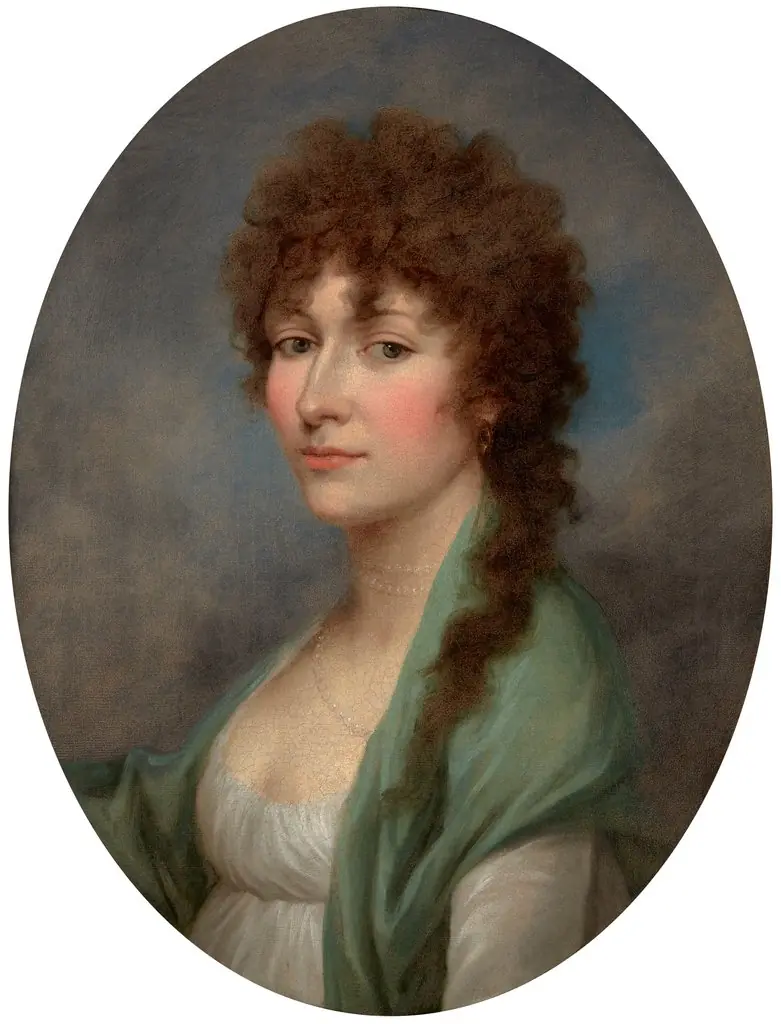 Portrait of Maria Grabowska
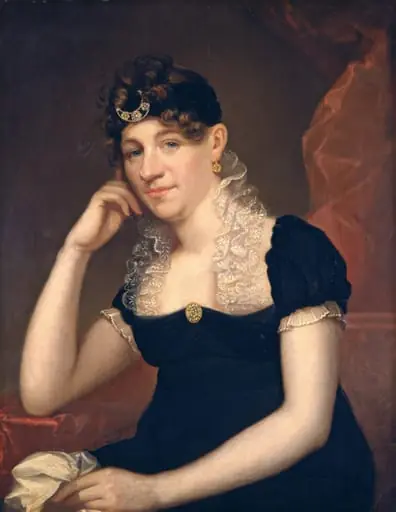 Maria Gansevoort Melvill (Mrs. Allan Melvill)
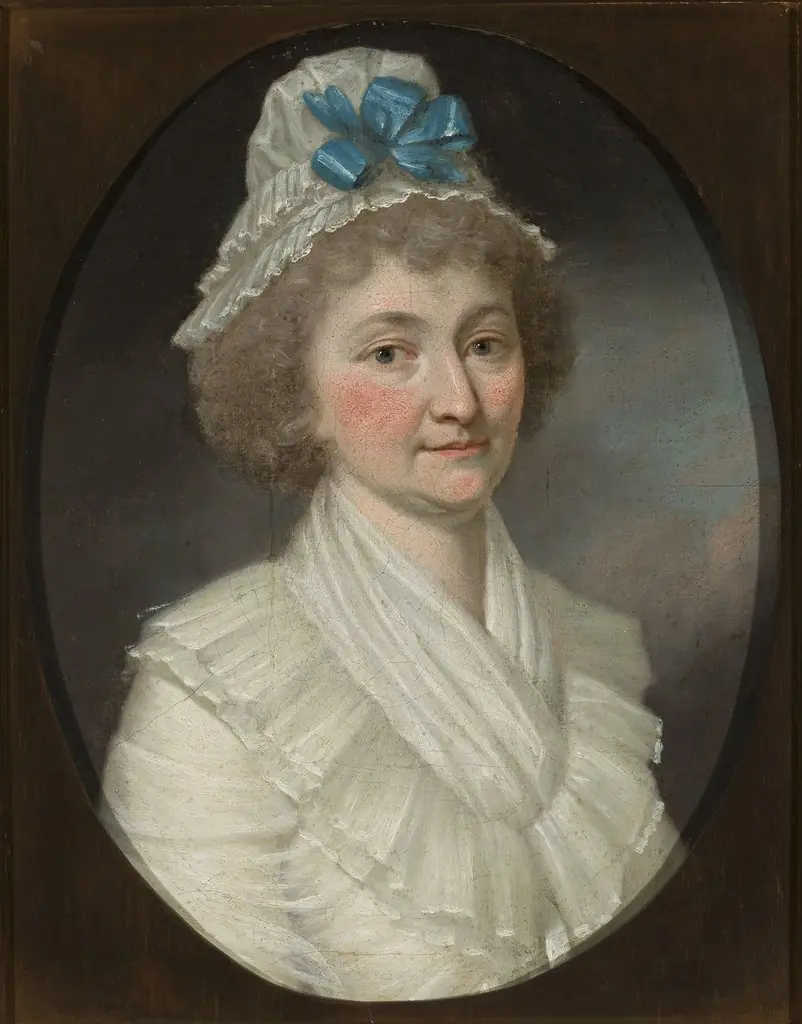 Portrait of Magdalena Węglińska
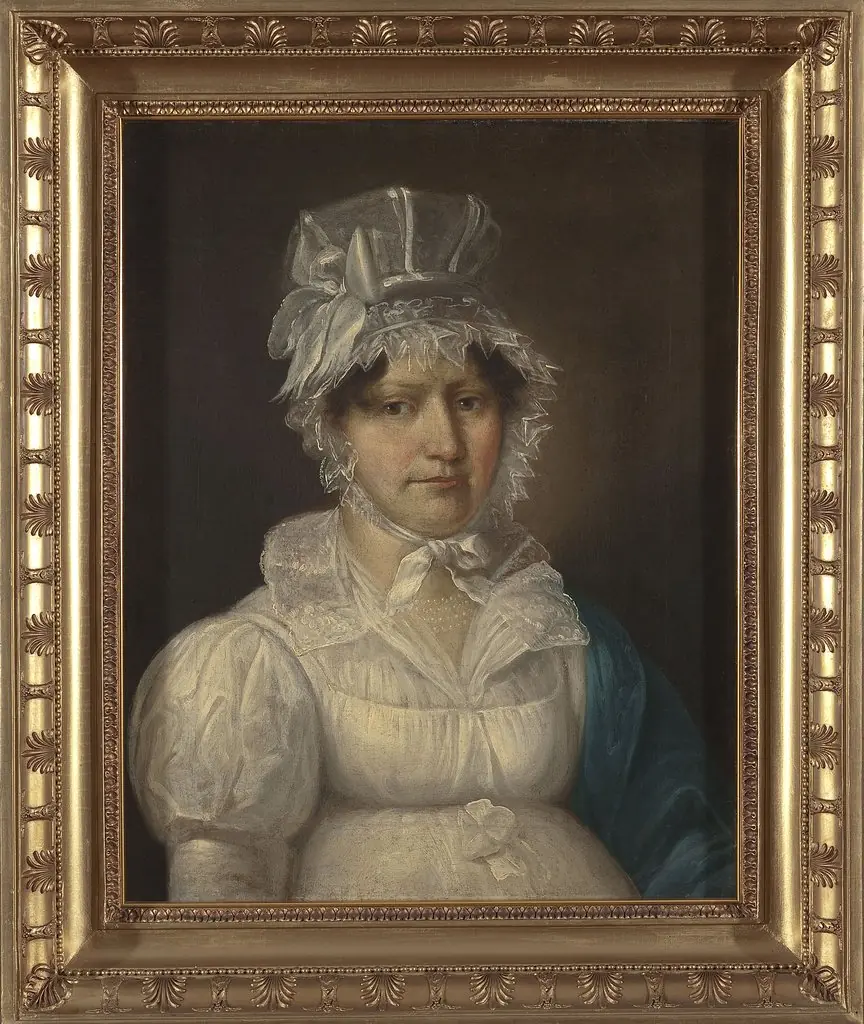 Portrait of Elżbieta Pade (d. 1833), wife of Marcin
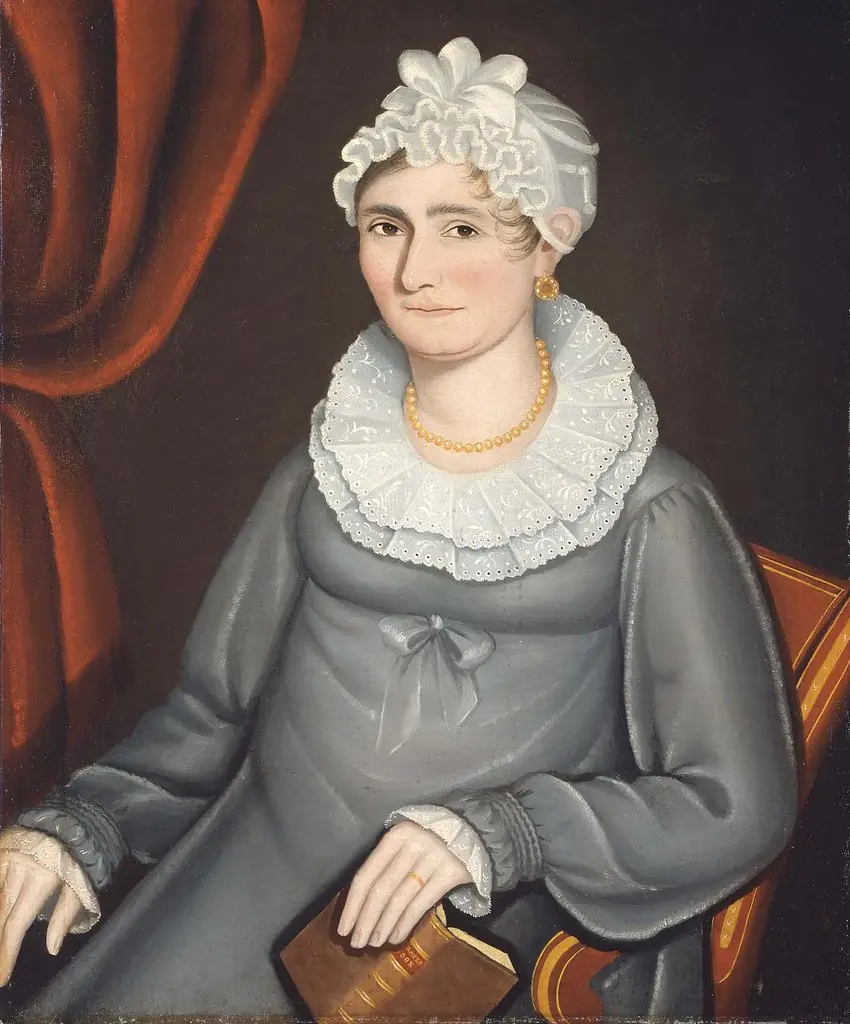 Jane Daney Smith
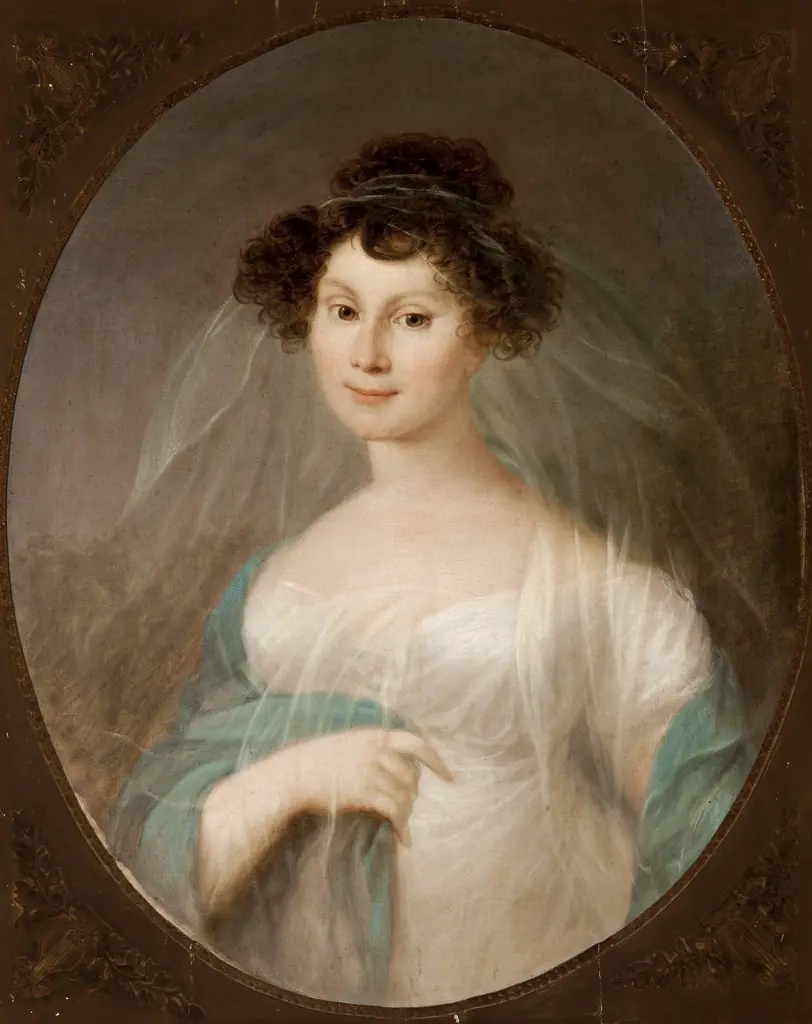 Portrait of Teresa Woydzina née Kuźnicz, Wife of the President of Warsaw
 Possibly Franciska Krasinska, Duchess of Courland
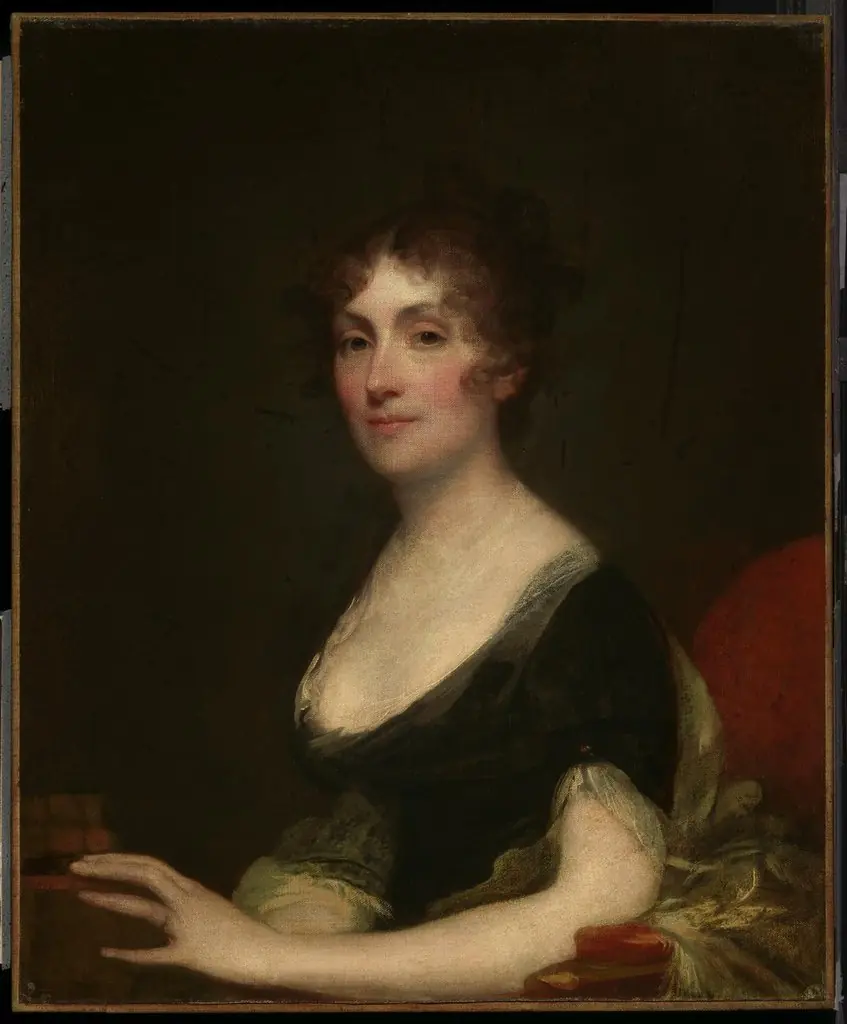 Mrs. Perez Morton (Sarah Wentworth Apthorp)
 Portrait of Józefa Machan née Layer