Artwork
Mary Campbell Stuart
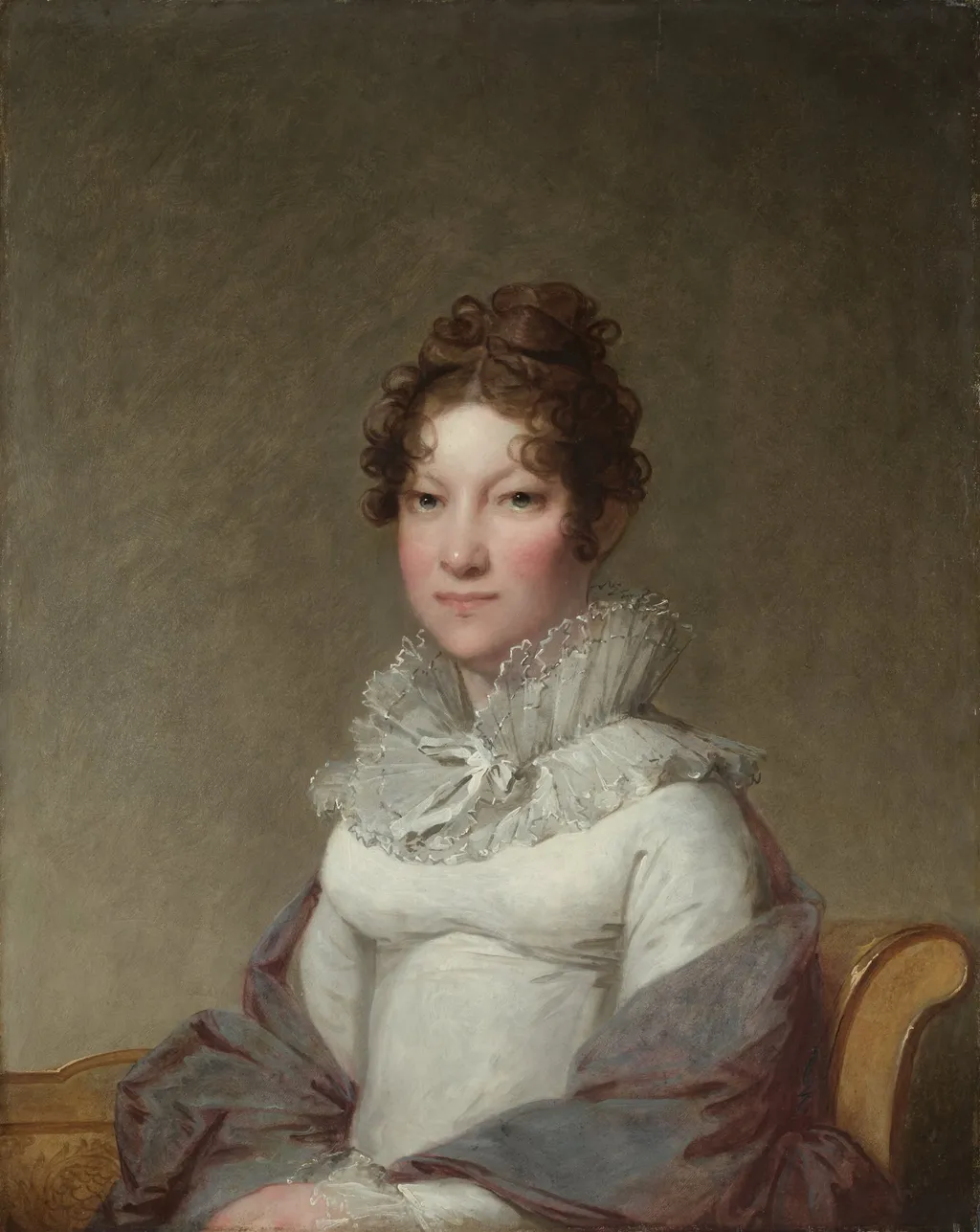
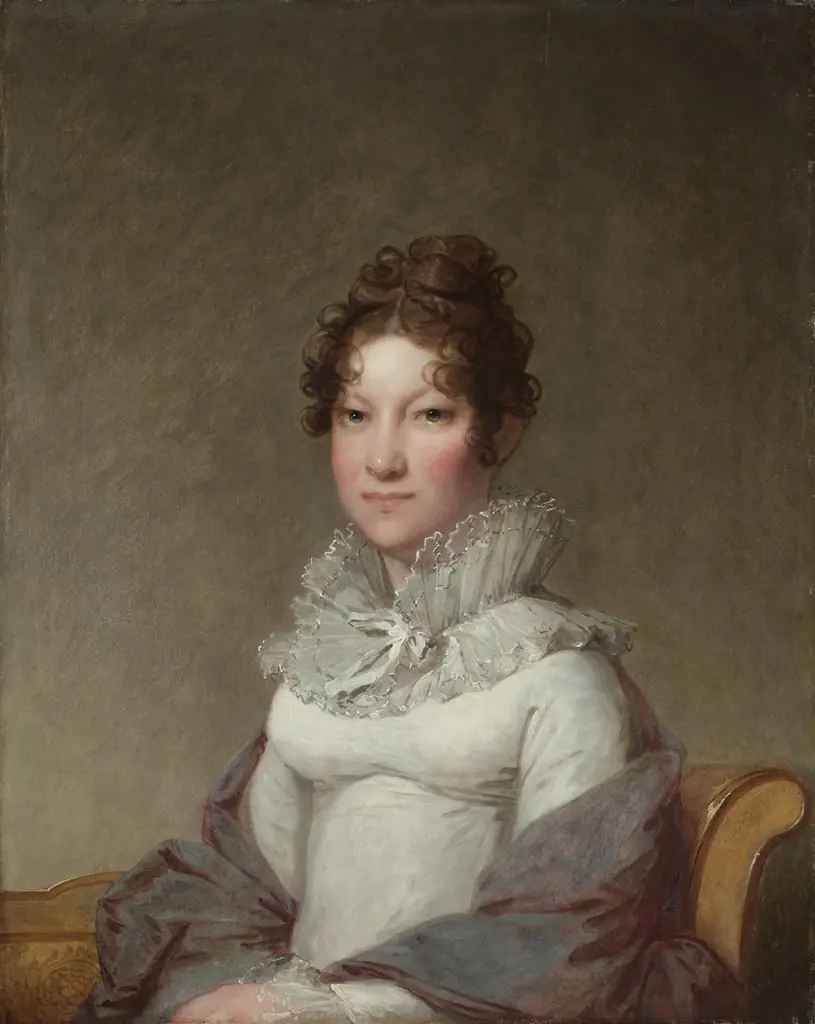
Mary Campbell Stuart is an unspecified painting by the American Impressionist artist Gilbert Stuart. It dates from 1815 and is held in the collection of the Cleveland Museum of Art.
About this work
Overview
Gilbert Stuart, an American portraitist trained in London under Benjamin West, painted Mary Campbell Stuart during the War of 1812. Created on panel rather than canvas due to supply shortages caused by the British naval blockade, this work reflects both his technical adaptability and his continued engagement with elite American sitters during a period of national disruption.
Subject & Meaning
Mary Campbell Stuart, descended from New Jersey’s judicial elite, is depicted alongside her husband, Dr.
Mary Campbell Stuart, descended from New Jersey’s judicial elite, is depicted alongside her husband, Dr. James Stuart, in a matched pair of portraits. Their seated posture and refined attire convey social standing, while the absence of overt symbolism suggests a quiet emphasis on dignity and domestic composure. The pairing underscores the couple’s shared status within early American aristocratic circles.
Technique & Style
Stuart rendered the sitter with precise brushwork, capturing the texture of brown brocade upholstery and the soft folds of her dress. His handling of light and subtle facial modeling reflects his London training, favoring naturalism over theatricality. The use of wood panel, though unconventional for him, demonstrates his responsiveness to material constraints without compromising his signature clarity of form.
History & Provenance
The portrait was executed during a time when imported canvas was unavailable due to wartime blockades, prompting Stuart to work on panel. The pair of portraits—Mary and her husband—remained together in private collections before entering the Cleveland Museum of Art’s holdings, preserving their original intended relationship as companion pieces.
Context
Painted during the War of 1812, the portrait reflects the intersection of personal identity and national circumstance. While Stuart was known for his Washington likenesses, this work reveals his ongoing role in documenting the American elite amid economic and logistical challenges. The choice of medium signals adaptation, not decline, in his practice.
Legacy
Though less famous than his presidential portraits, this work exemplifies Stuart’s consistent ability to convey social presence through restrained realism. Its survival as a paired portrait, and its preservation in a major public collection, affirms its value as a document of early 19th-century American portraiture beyond political iconography.
Own this work as a print
Artist & collection

Artist
Gilbert Stuart (né Stewart; December 3, 1755 – July 9, 1828) was an American painter born in the Rhode Island Colony who is widely considered one of America's foremost portraitists.

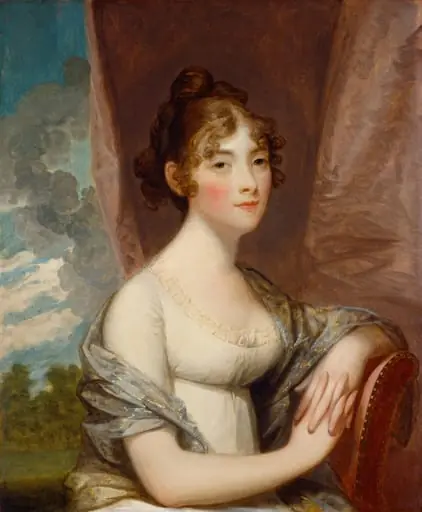 Ann Barry
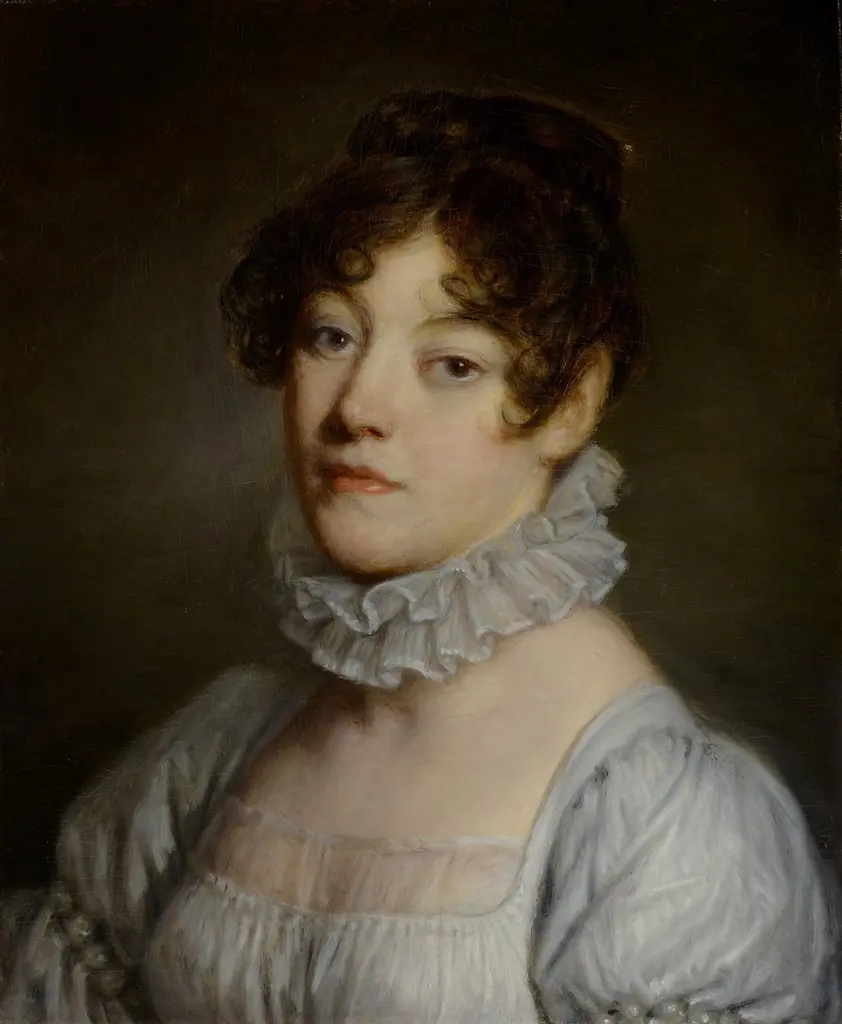 Portrait of a Young Woman
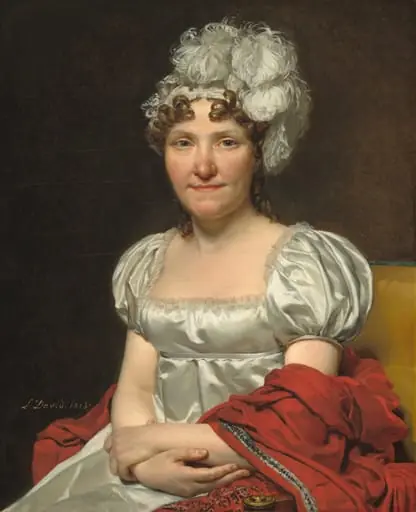 Madame David
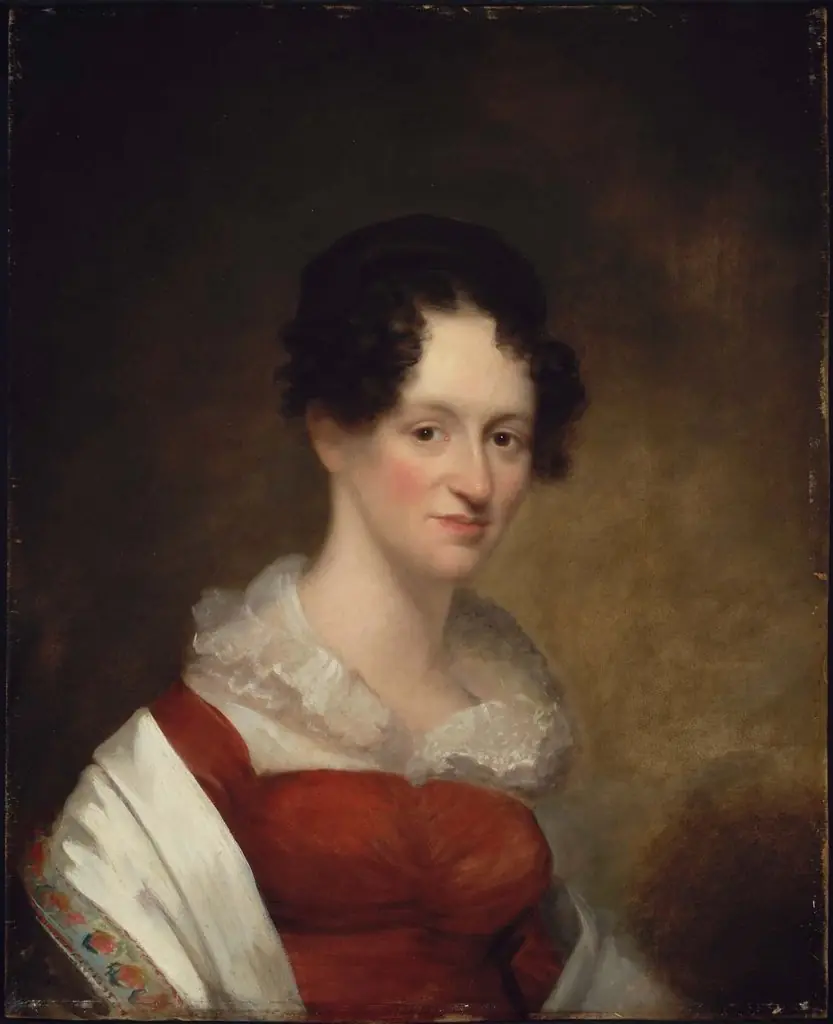 Mrs. Joseph Warren Revere (Mary Robbins)
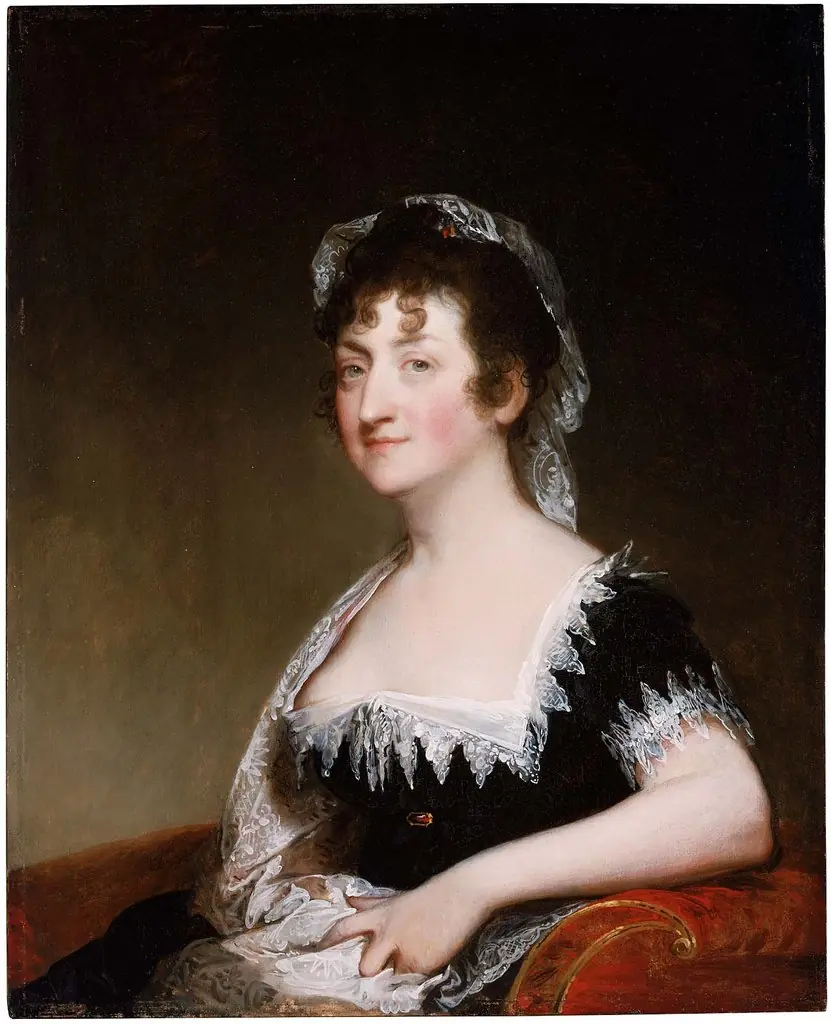 Mrs. James Swan (Hepzibah Clarke)
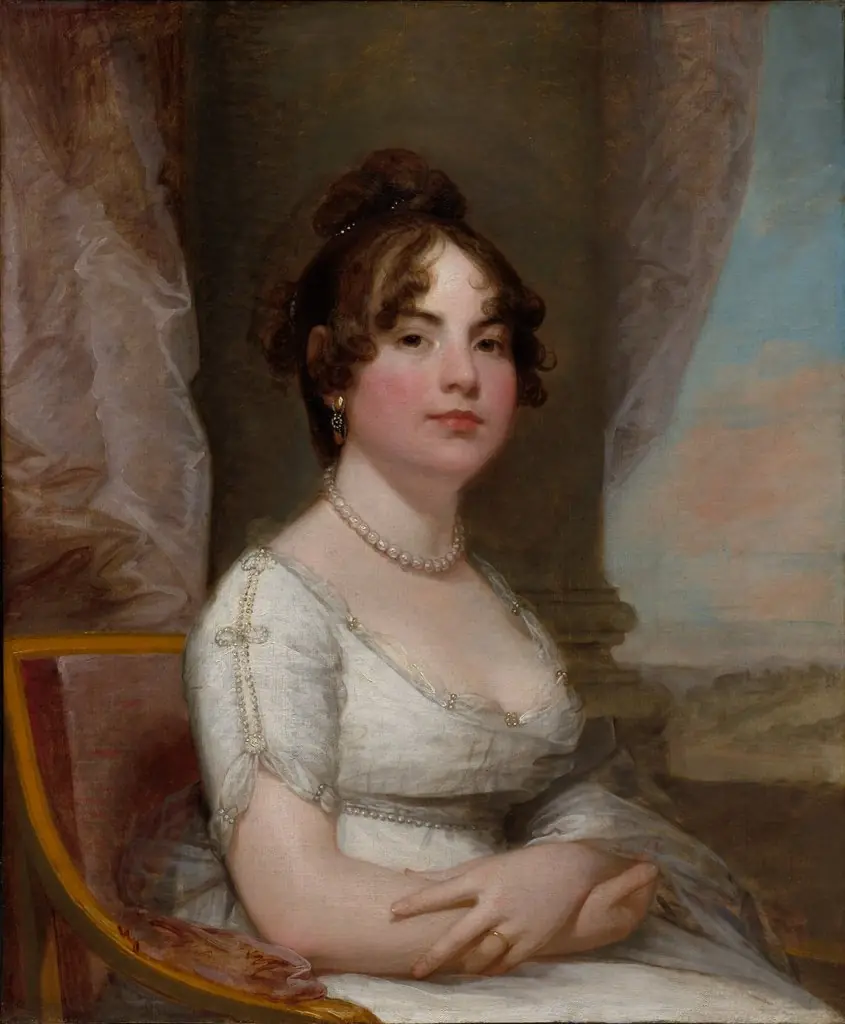 Elizabeth Beltzhoover Mason
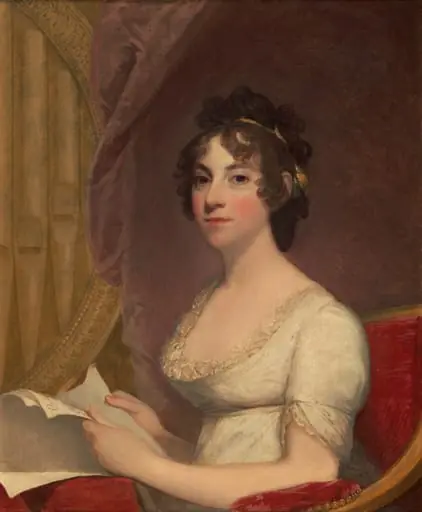 Anna Maria Brodeau Thornton (Mrs. William Thornton)
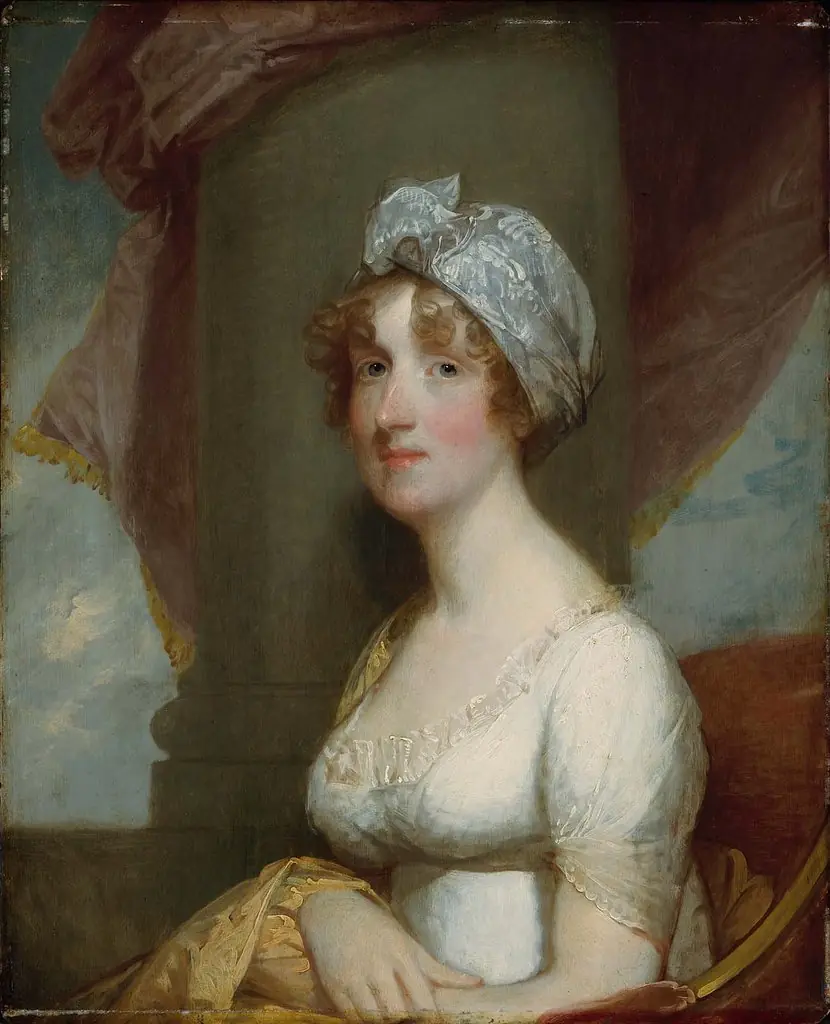 Mrs. Thomas Bartlett (Hannah Gray Wilson)
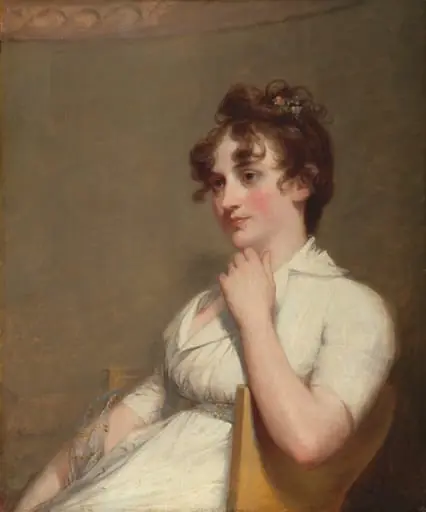 Eleanor Parke Custis Lewis (Mrs. Lawrence Lewis)
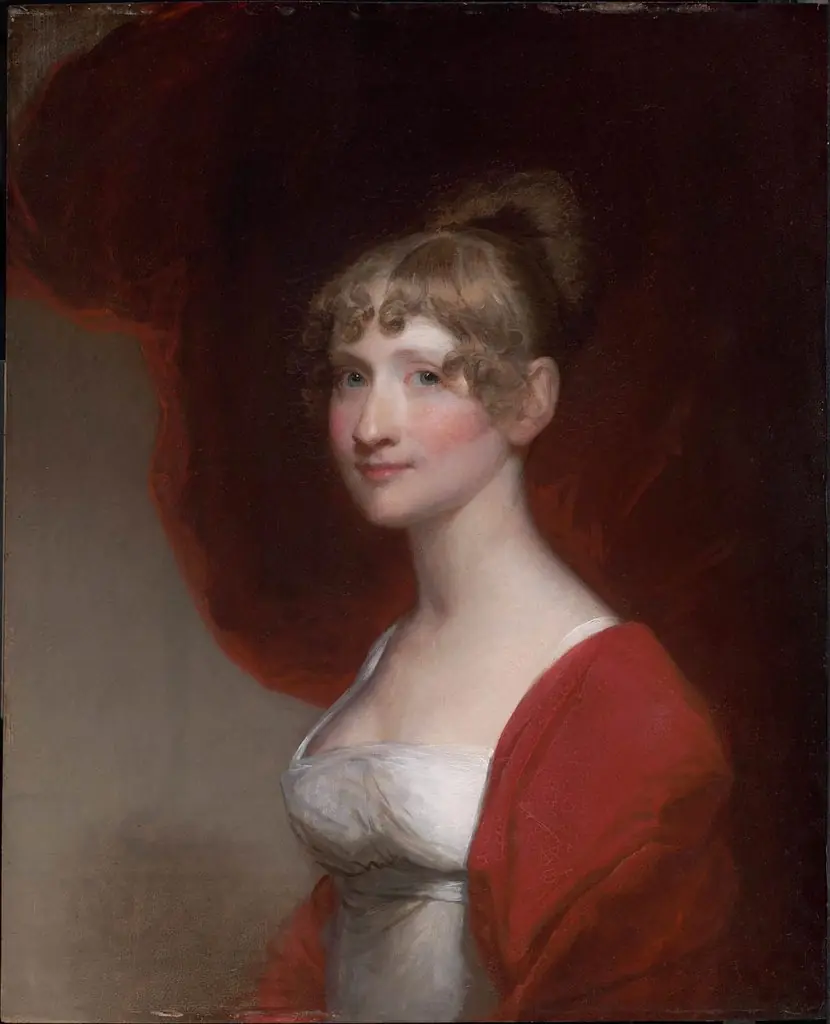 Mrs. John Clarke Howard (Hepzibah Swan)
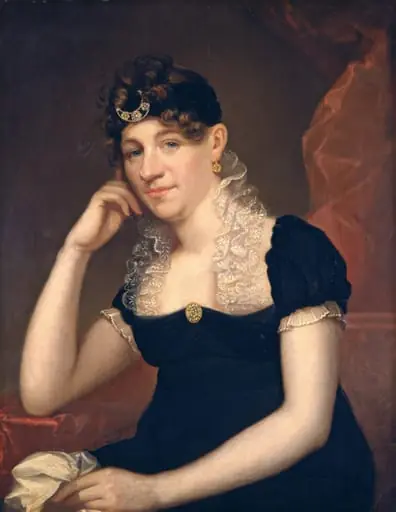 Maria Gansevoort Melvill (Mrs. Allan Melvill)
 Mary Campbell Stuart