Artwork
Mum A New Song
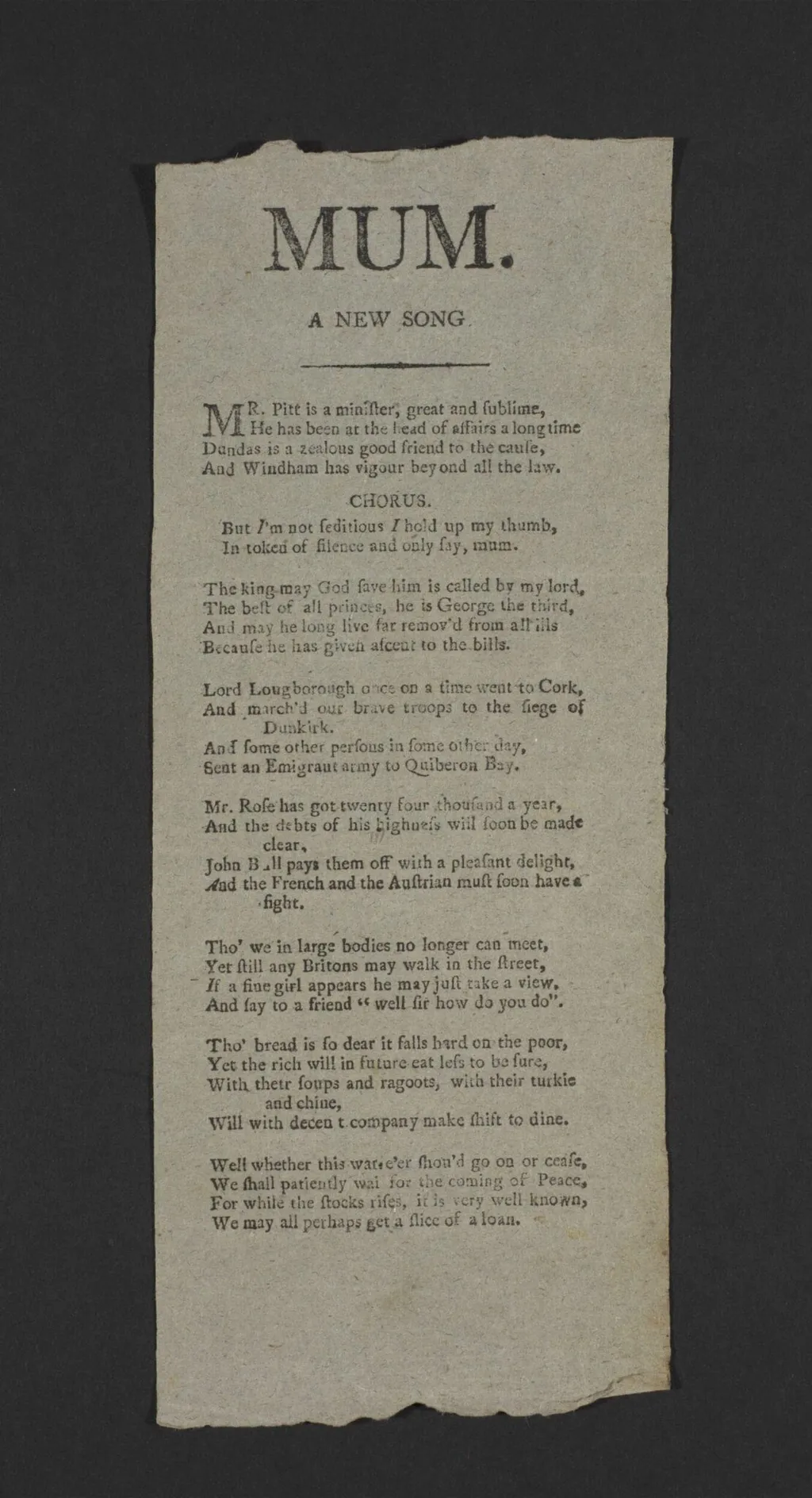
Mum A New Song is a print by J. Evans. It dates from 1750 and is held in the collection of the Victoria and Albert Museum. A broadside print from the late 1700s, produced by J.
About this work
Overview
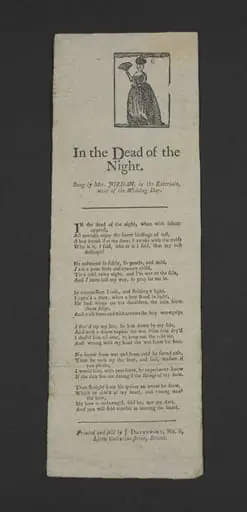
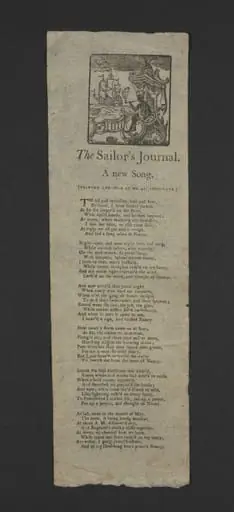
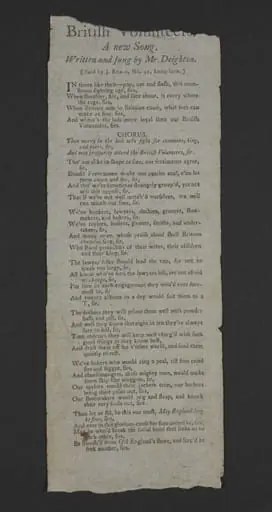
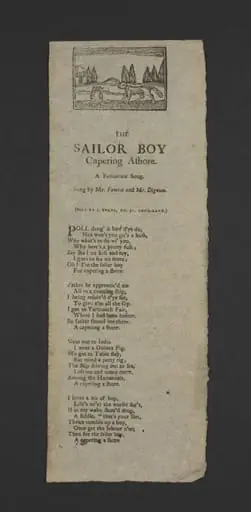
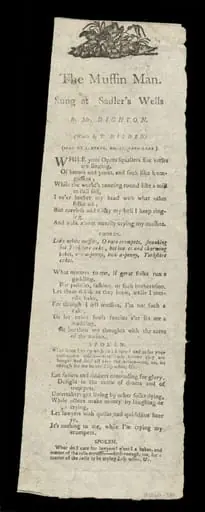
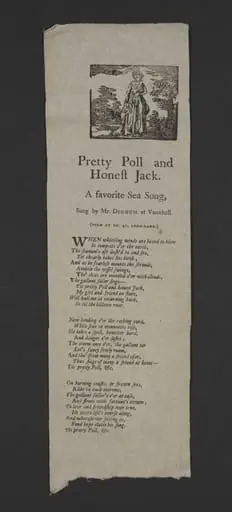
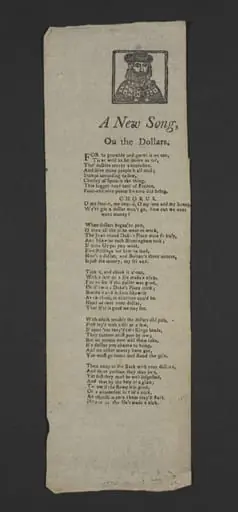
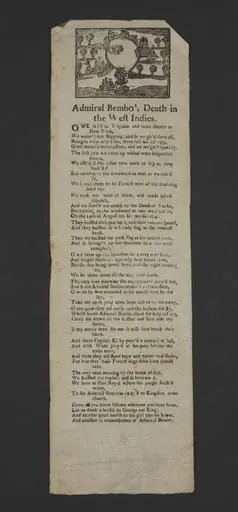
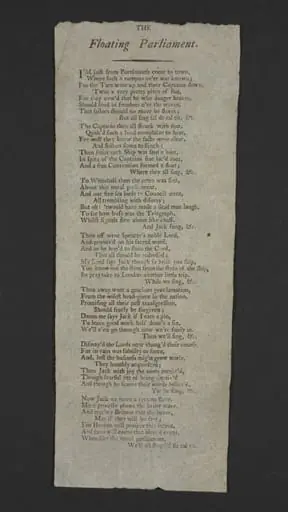
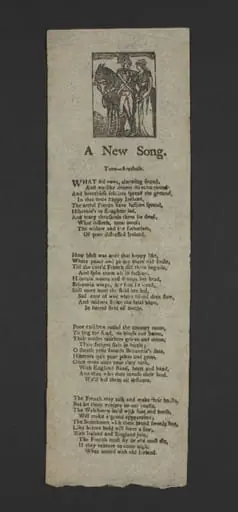
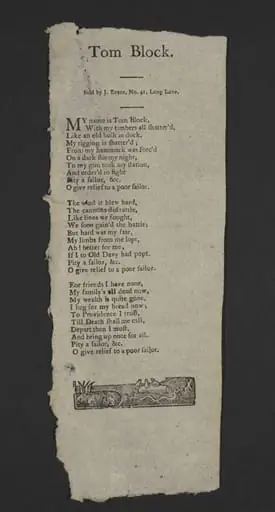
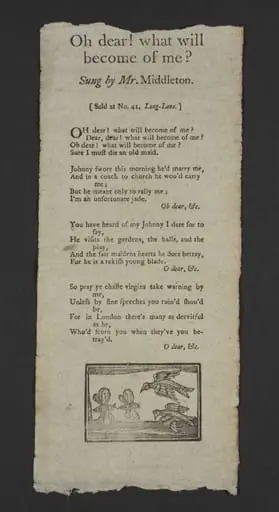
A broadside print from the late 1700s, produced by J. Evans, contains the full text of a song titled 'Mum A New Song.' Designed for public circulation, it reflects the popular oral and printed culture of the era, where lyrics were distributed as single-sheet publications rather than bound volumes.
Subject & Meaning
The song's title suggests a personal or familial theme, possibly addressing motherhood or domestic life. Though the full text is not preserved here, the use of 'new song' implies it was intended as contemporary commentary, likely resonating with everyday experiences of its audience through emotional or social reflection.
Technique & Style
Printed using relief methods common in late 18th-century Britain, the broadside features straightforward typography suited for legibility at a glance. No illustrations accompany the text, emphasizing function over ornamentation, consistent with inexpensive, mass-produced ephemera of the time.
History & Provenance
Produced by J. Evans, a known printer of popular prints in London, the broadside likely circulated in urban markets or fairs. Its survival is rare, as such items were often discarded after use. The print survives as a fragment of vernacular culture, preserved in institutional collections rather than private hands.
Context
During the late 1700s, printed song lyrics were widely shared among the working and middle classes, often sung in homes, taverns, or public spaces. This piece belongs to a tradition where music and text moved together through print, reinforcing communal identity and shared sentiment without formal musical notation.
Legacy
As a surviving example of popular print culture, the broadside offers insight into how ordinary people engaged with music and language. It contributes to scholarly understanding of non-elitist artistic expression in pre-industrial Britain, where the written word served as both entertainment and social record.
Artist & collection
Artist
These late-18th-century prints capture everyday British life with crisp lines and sharp satire.