Artwork
The Floating Parliament
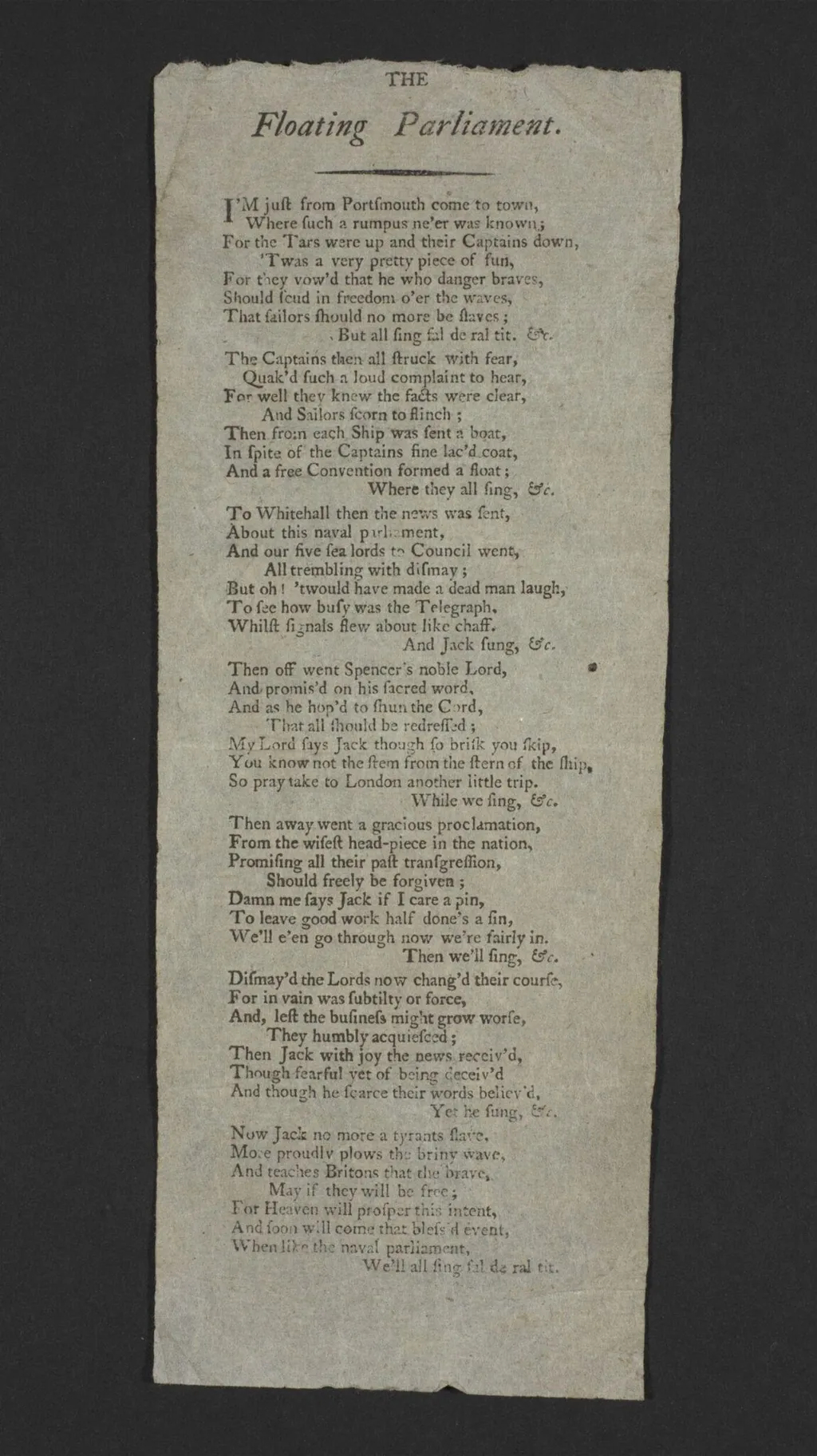
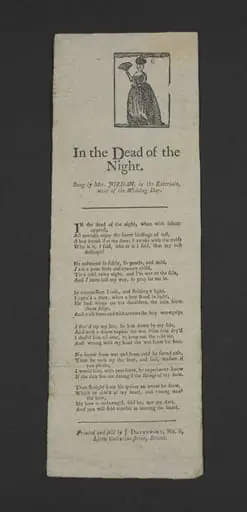
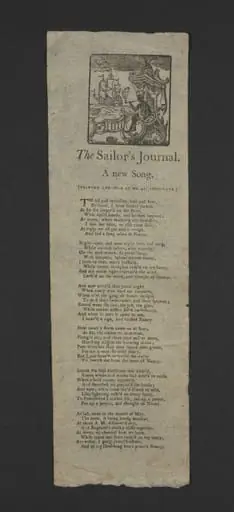
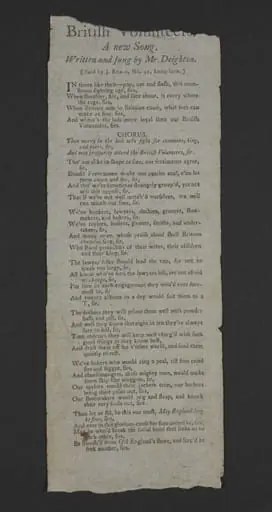
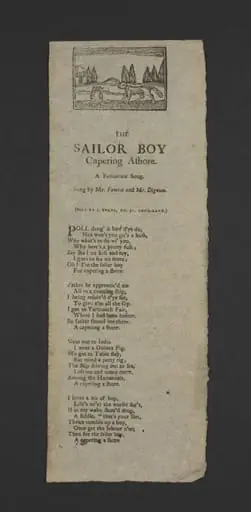
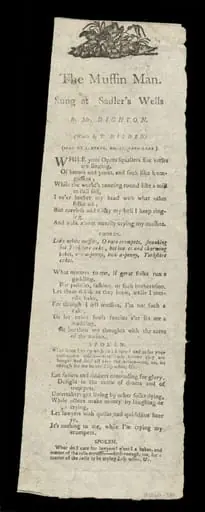
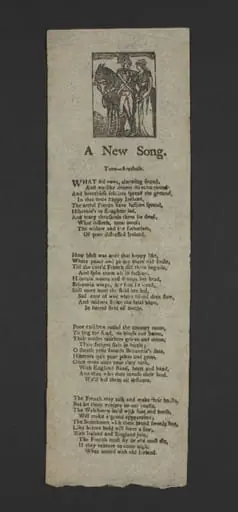
The Floating Parliament is a print by J. Evans. It dates from 1750 and is held in the collection of the Victoria and Albert Museum. A late 18th-century broadside print, produced in London by publisher J.
About this work
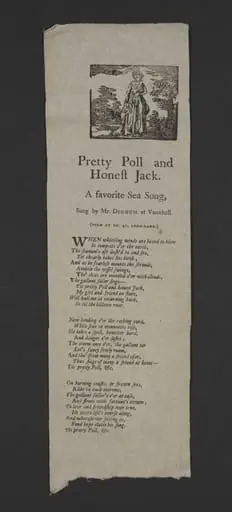
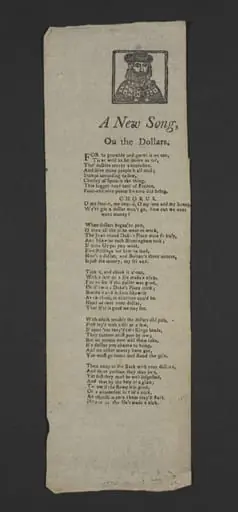
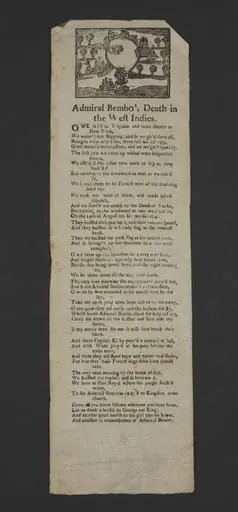
The Floating Parliament is a print from the late 18th century.
It was sold in London by J. Evans.
The print is related to a song, which is an interesting aspect of this work, as it shows the connection between music and visual art during that time.
You can learn more about prints like this one at the Victoria and Albert Museum.
Overview
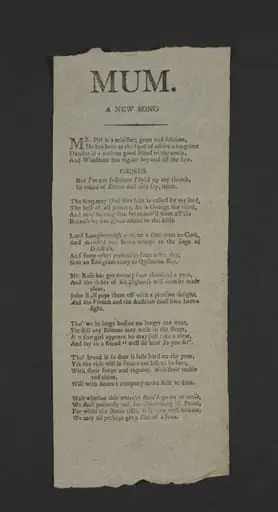
A late 18th-century broadside print, produced in London by publisher J. Evans, presents the lyrics to a popular song titled 'The Floating Parliament.' Designed for sale as a standalone item, it reflects the era’s practice of disseminating music and political commentary through printed sheet forms. Its survival offers insight into how public sentiment was circulated outside formal publications.
Subject & Meaning
The title alludes to the British Parliament’s perceived detachment from the public, likening it to a drifting, unmoored assembly.
The title alludes to the British Parliament’s perceived detachment from the public, likening it to a drifting, unmoored assembly. The song likely satirized political corruption or inefficiency, using metaphor to critique governance. As a lyrical piece, it tapped into contemporary frustrations, blending humor and grievance to resonate with urban audiences familiar with parliamentary debates and their discontents.
Technique & Style
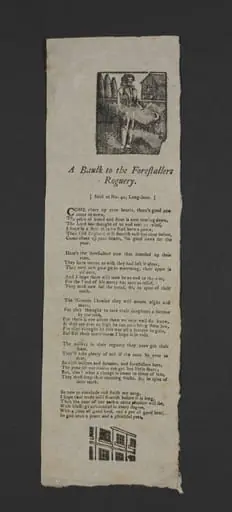
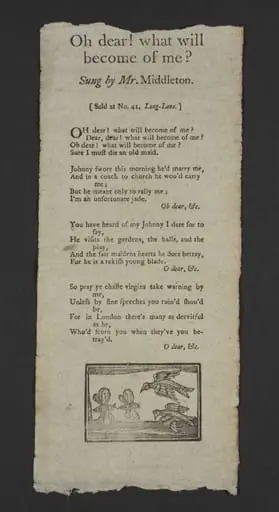
The print is a simple typographic broadside, likely produced via letterpress with minimal or no illustration. Text dominates the composition, arranged for easy reading and singing. The absence of elaborate imagery suggests affordability and mass appeal, aligning with the commercial print trade that catered to working-class buyers seeking topical entertainment and political expression.
History & Provenance
Printed and distributed by J. Evans, a known London publisher of ballads and broadsides, the item was part of a thriving street-level print culture. Few copies survive, as such prints were often handled, displayed, and discarded after use. Its existence today is likely due to preservation by collectors or institutions, such as the Victoria and Albert Museum, which holds similar ephemera.
Context
In the late 1700s, London’s print shops regularly turned political events and public grievances into songs and broadsides. This print emerged amid rising demands for reform and growing public engagement with politics. Music and print acted as tools for civic discourse, allowing those excluded from formal politics to voice dissent through accessible, communal formats.
Legacy
This print contributes to the historical record of popular political expression in Britain. It illustrates how song and print intersected to shape public opinion before the rise of mass media. Today, such items are studied as cultural artifacts, revealing how ordinary people engaged with power, satire, and collective identity through everyday printed matter.
Artist & collection
Artist
These late-18th-century prints capture everyday British life with crisp lines and sharp satire.