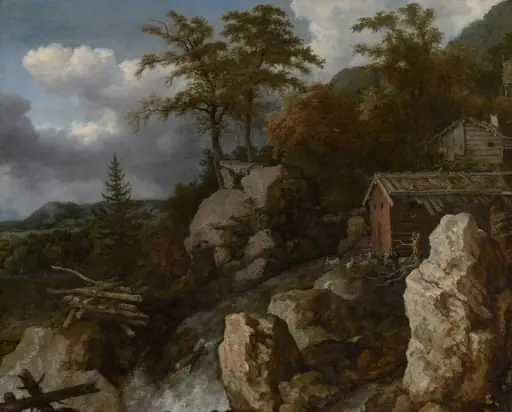
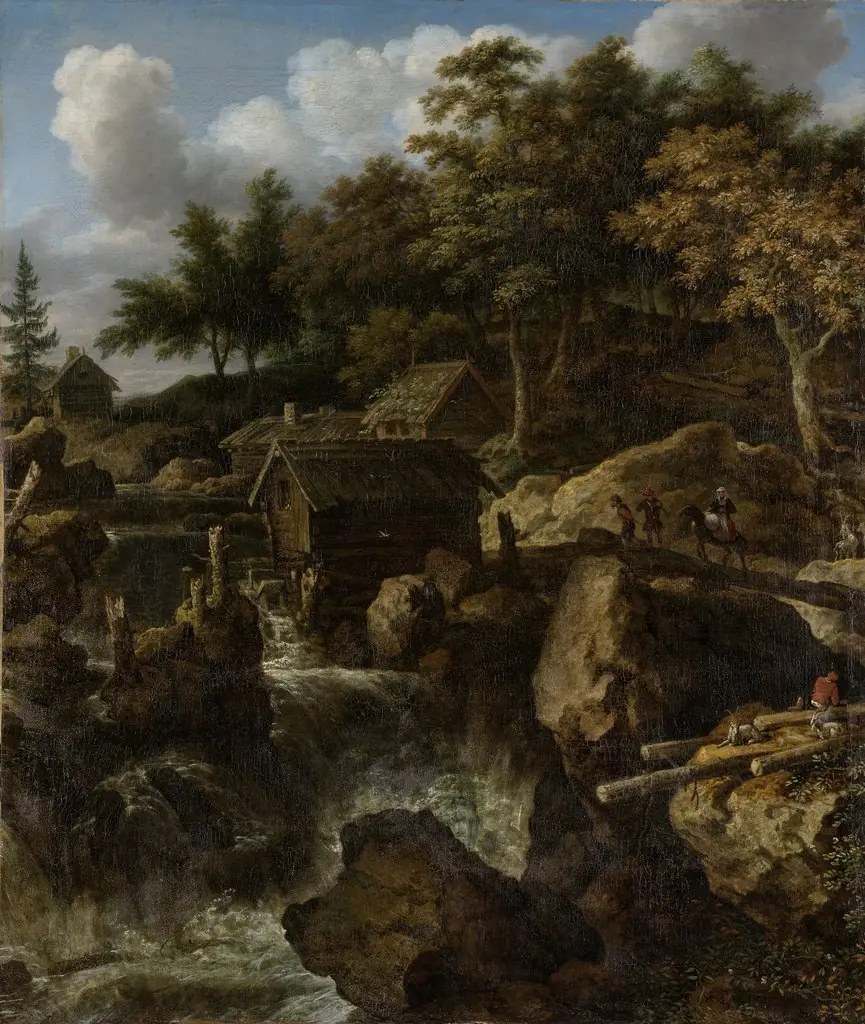
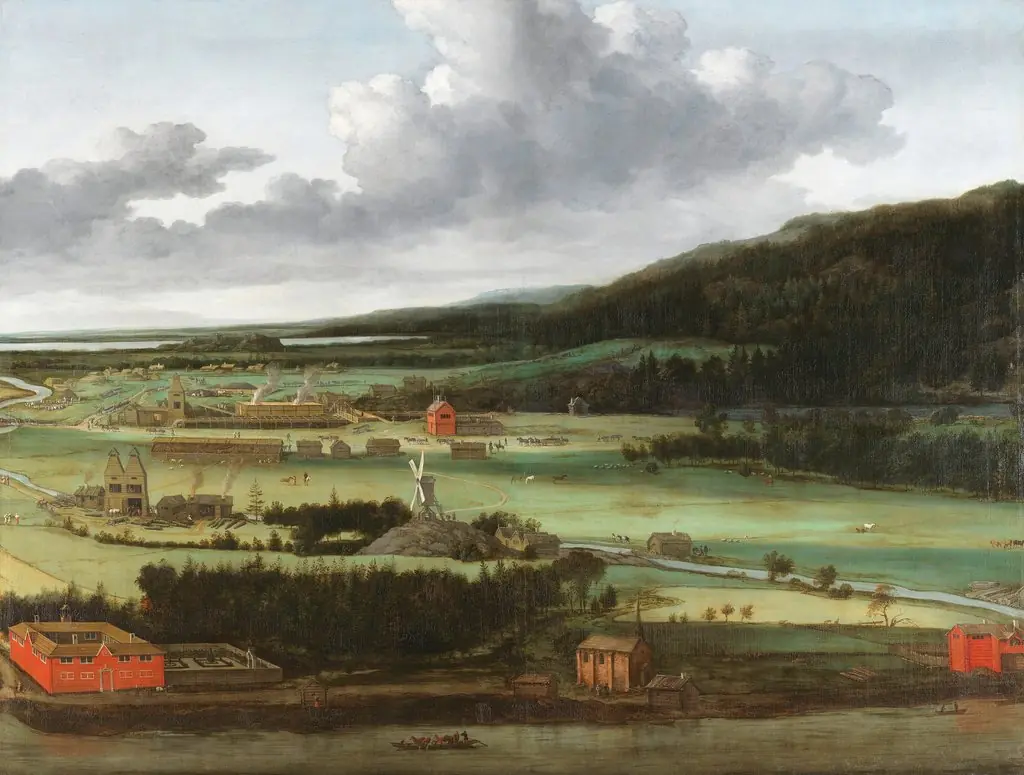
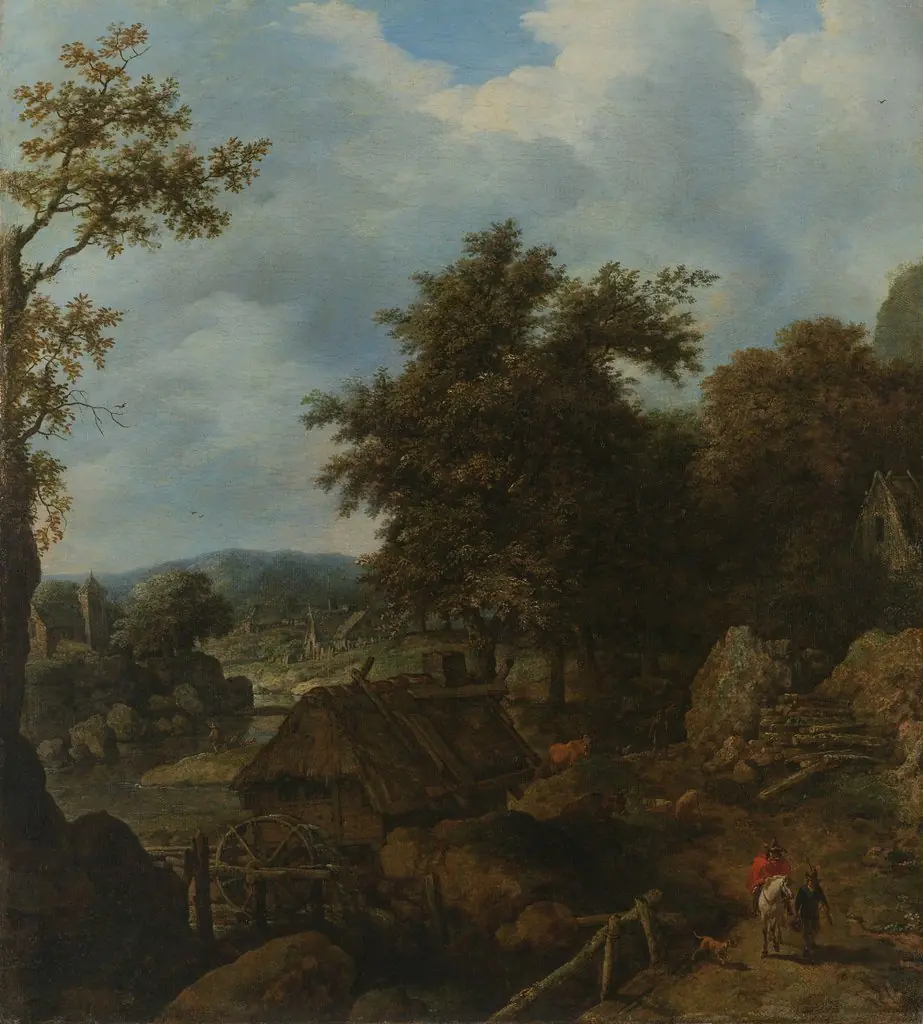
Artwork
Hamlet at the Bank of a River
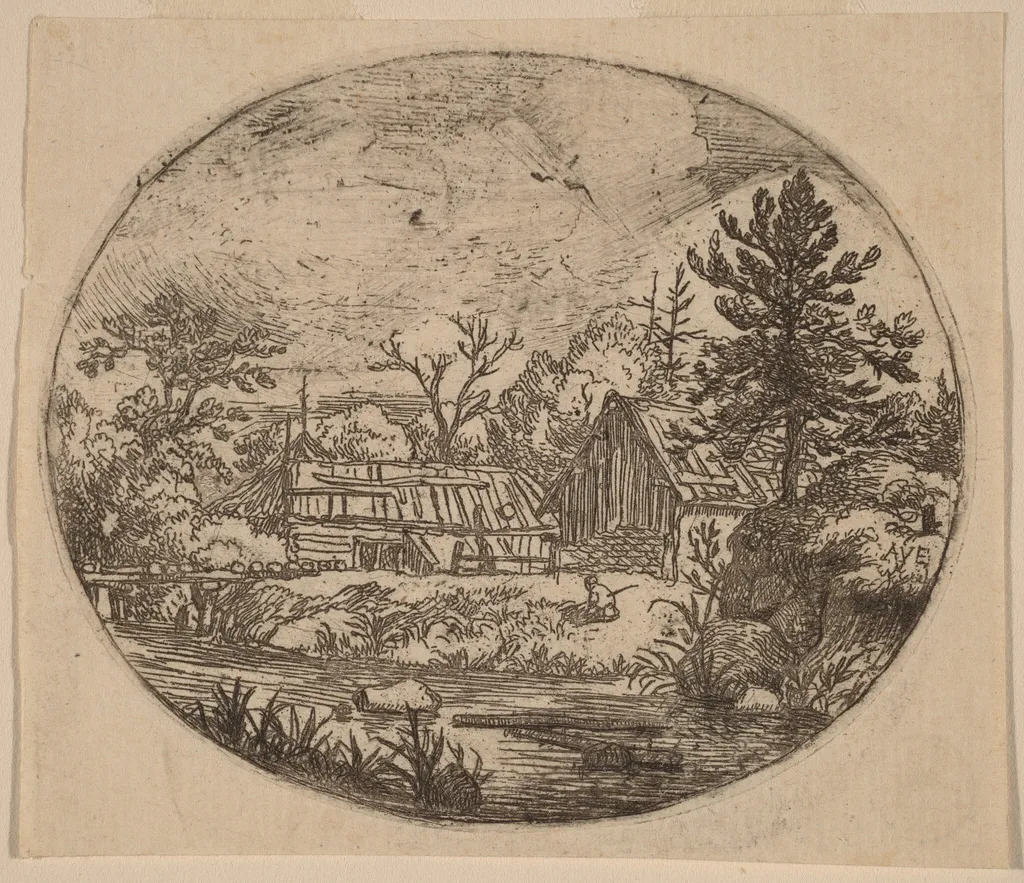
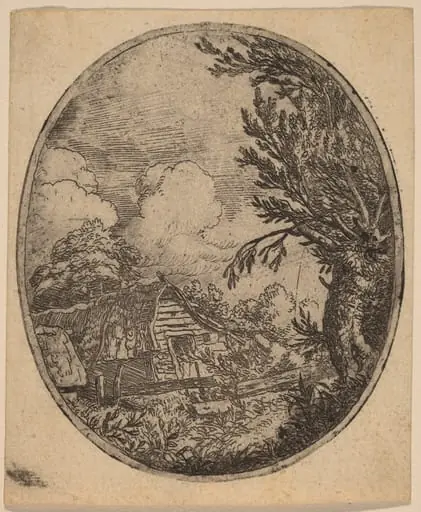
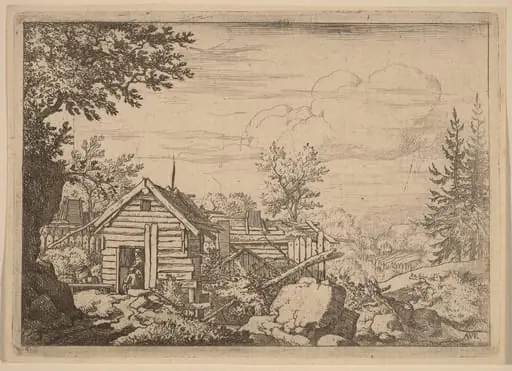
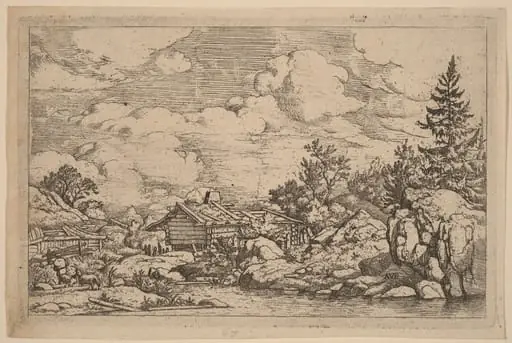
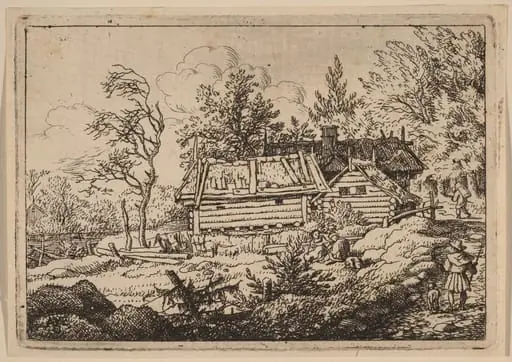
Hamlet at the Bank of a River is an ink print by the Baroque artist Allart van Everdingen. It dates from 1650 and is held in the collection of the National Gallery of Art.
About this work
Overview
Allart van Everdingen, a Dutch artist active in the mid-17th century, produced this etching around 1650 as part of his engagement with literary themes.
Allart van Everdingen, a Dutch artist active in the mid-17th century, produced this etching around 1650 as part of his engagement with literary themes. Though primarily known for landscapes, he turned to Shakespearean subjects in his prints, blending narrative with naturalistic scenery. The work belongs to a broader trend among Dutch printmakers who illustrated classical and literary tales for an educated public.
Subject & Meaning
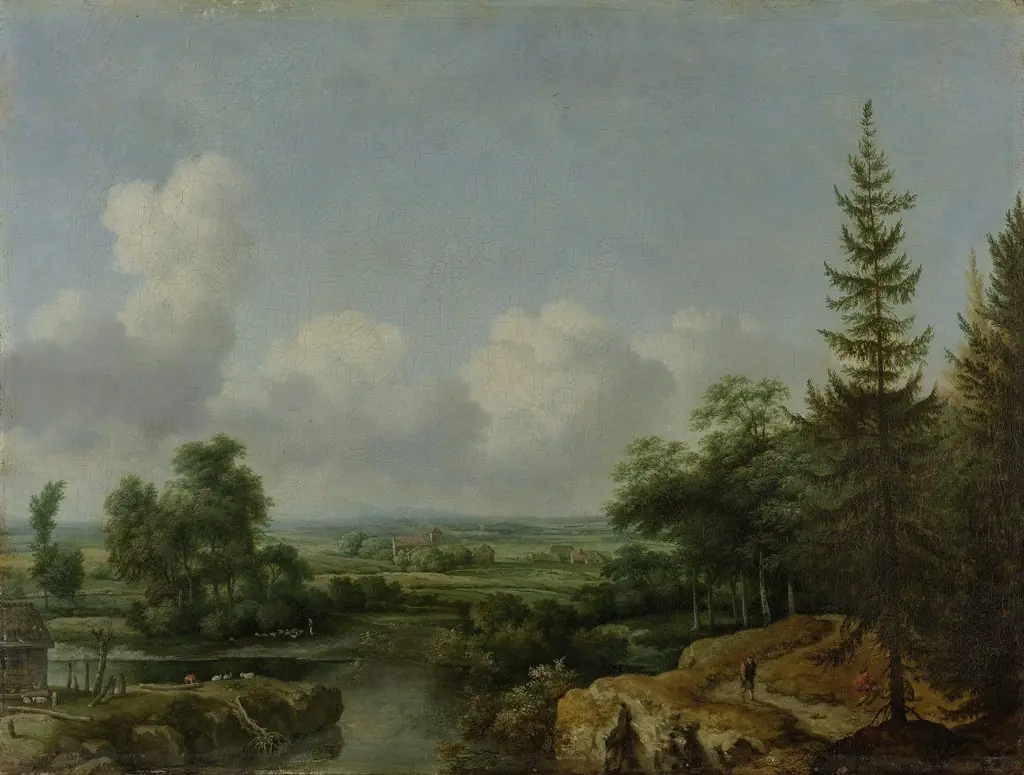
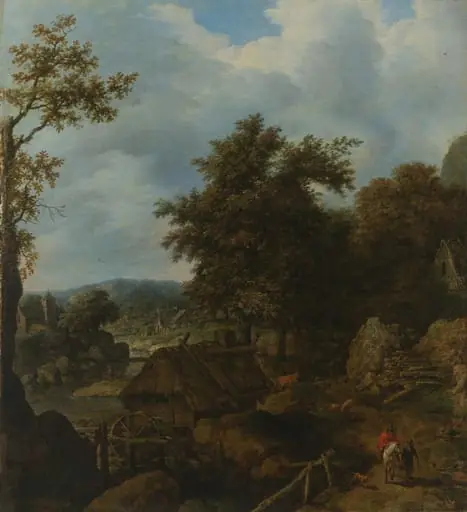
The scene depicts Hamlet seated alone by a river, a moment of introspection from Shakespeare’s tragedy. Everdingen omits overt drama, instead emphasizing solitude and stillness. The quiet landscape—cottage, barn, and distant hills—frames the figure as part of nature, suggesting inner turmoil mirrored in the tranquil environment. This interpretation aligns with contemporary humanist readings of the play, valuing psychological depth over spectacle.
Technique & Style
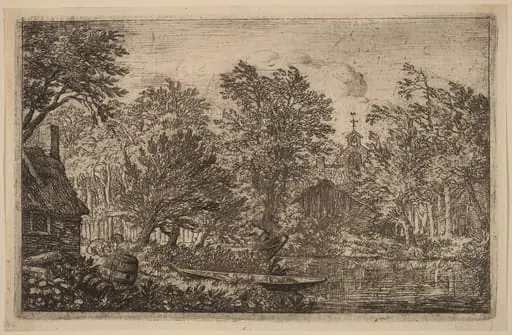
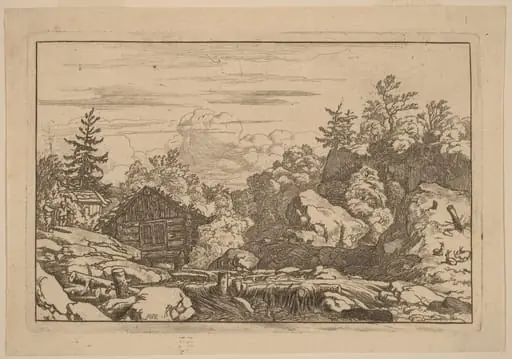
Everdingen employed fine, controlled lines typical of etching to render texture in foliage, water, and atmospheric perspective. Light and shadow are subtly modulated to suggest depth and mood, with dense clusters of trees contrasting open sky and river. The composition avoids dramatic contrasts, favoring a muted tonal range that enhances the contemplative tone. His technique reflects mastery of the medium’s capacity for nuance over boldness.
History & Provenance
The etching was likely produced in Amsterdam during Everdingen’s mature period, when he was actively publishing prints after his travels through Scandinavia and Germany. While no early ownership records are widely documented, the work appears in 18th-century collections of Dutch graphic art. Its survival in multiple impressions suggests modest but sustained circulation among collectors interested in literary prints.
Context
In mid-17th century Holland, printmaking flourished as a medium for disseminating images to a literate middle class. Shakespeare’s plays, though not performed in Dutch theaters, were known through translations and literary circles. Everdingen’s choice of Hamlet reflects an interest in universal human themes, aligning with broader European intellectual currents that valued introspective narrative over national or religious subjects.
Legacy
Everdingen’s *Hamlet at the Bank of a River* stands as a quiet example of how Dutch artists adapted foreign literature into visual form. Though not widely replicated or studied today, it contributes to understanding the cross-cultural exchange between literature and print in the Dutch Golden Age. His approach influenced later artists who sought to convey emotion through landscape rather than figural drama.
Artist & collection
Artist
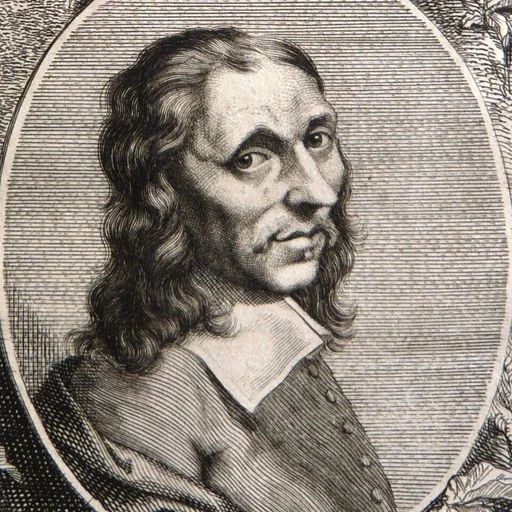
Allaert van Everdingen (Dutch pronunciation: ; bapt. 18 June 1621 – 8 November 1675 (buried)), was a Dutch Golden Age painter and printmaker in etching and mezzotint.