Artwork
Hamlet between the Trees
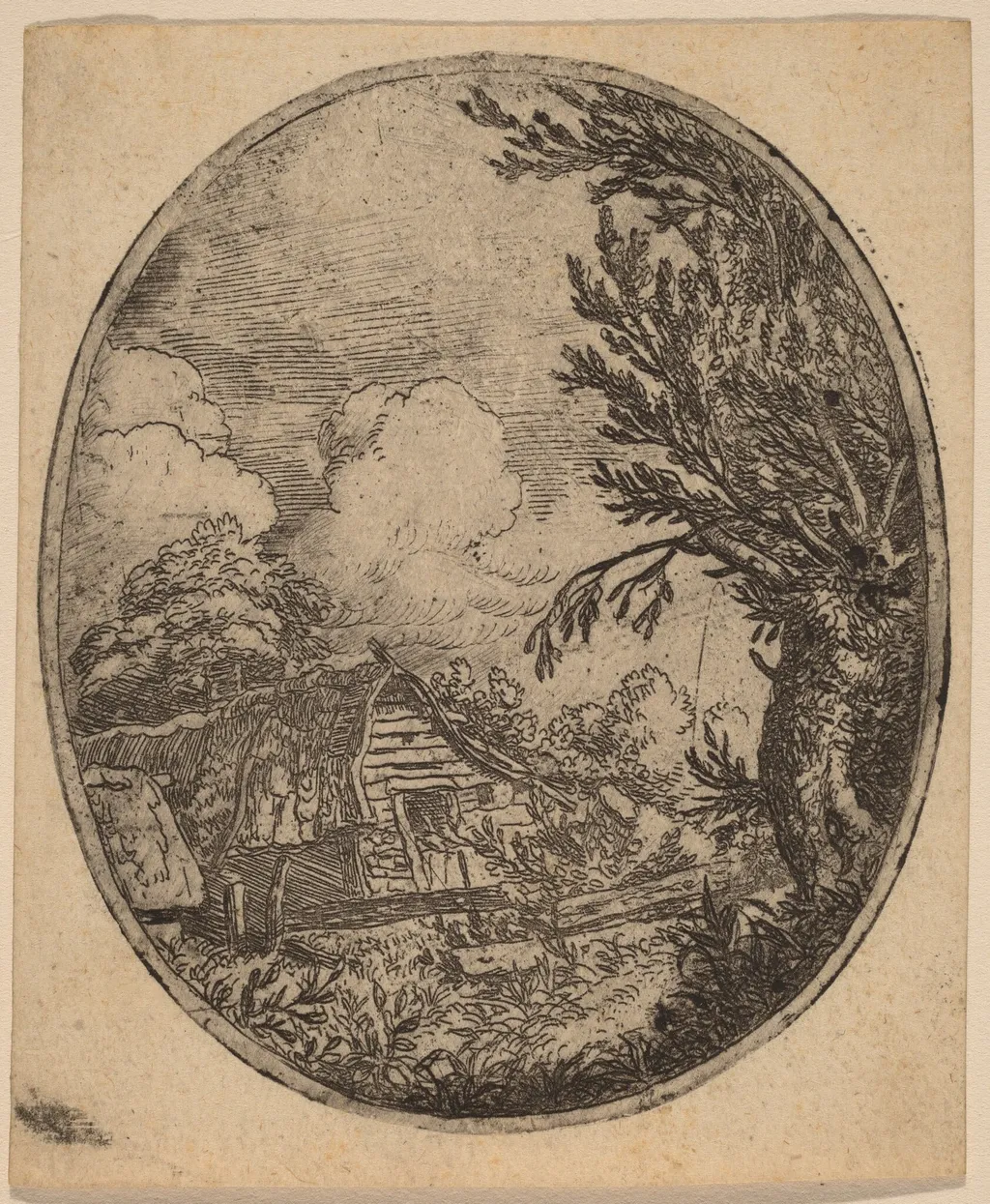
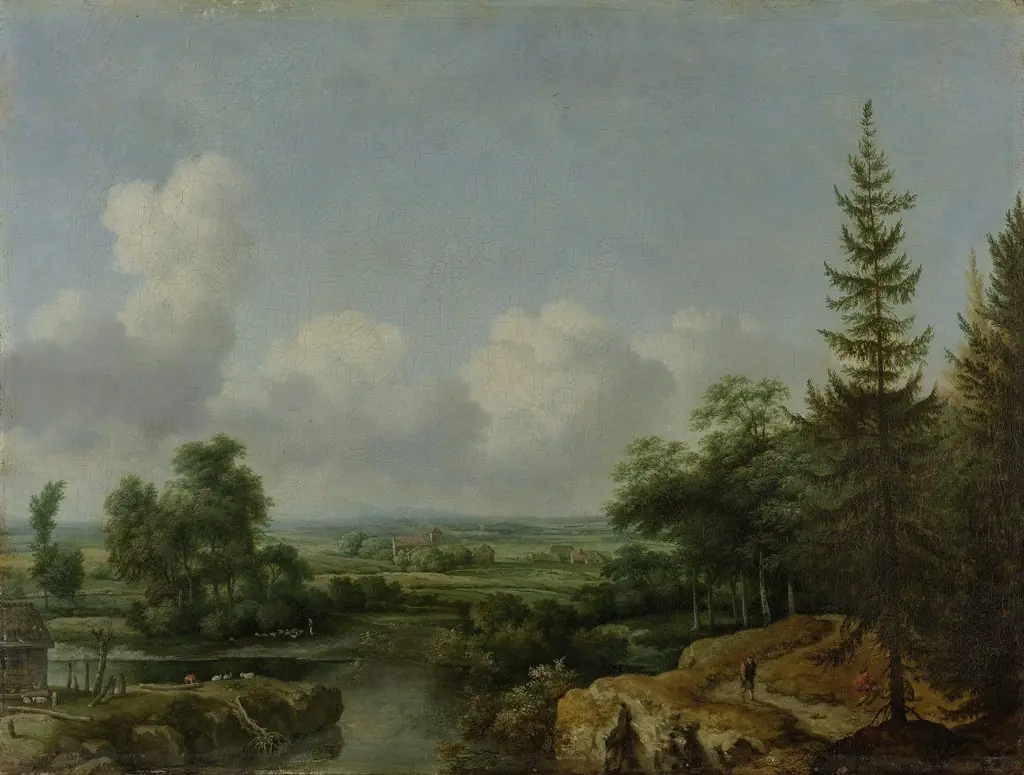
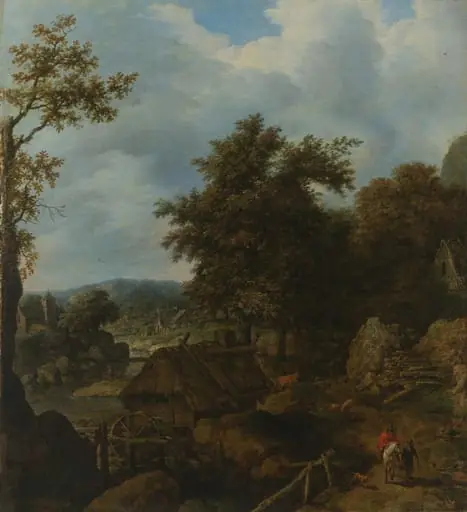
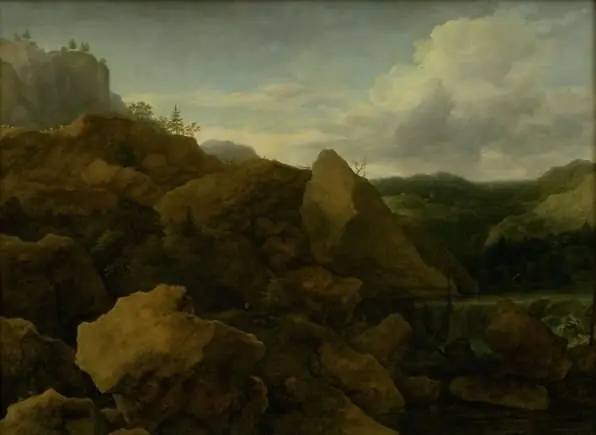
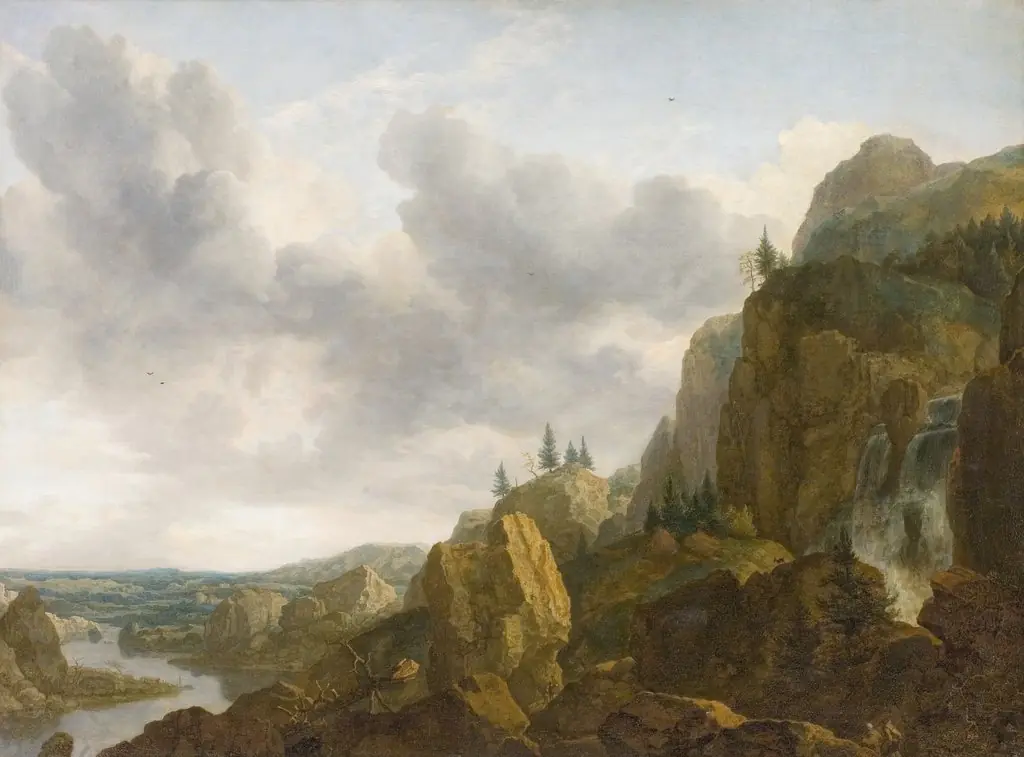
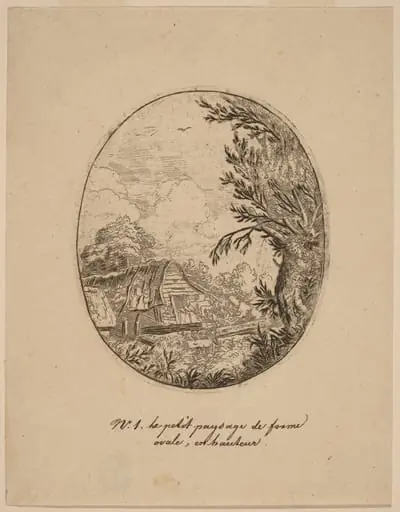
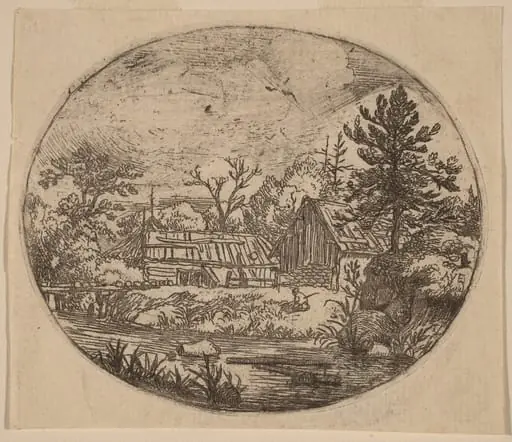
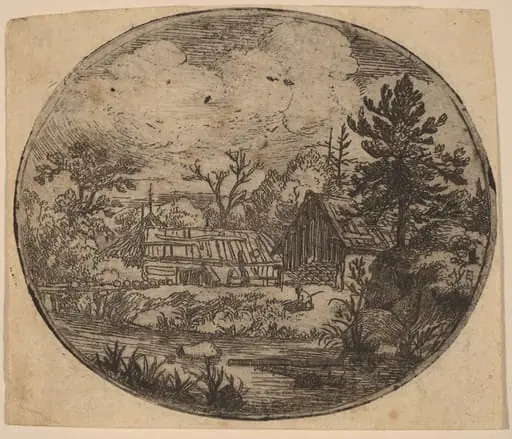
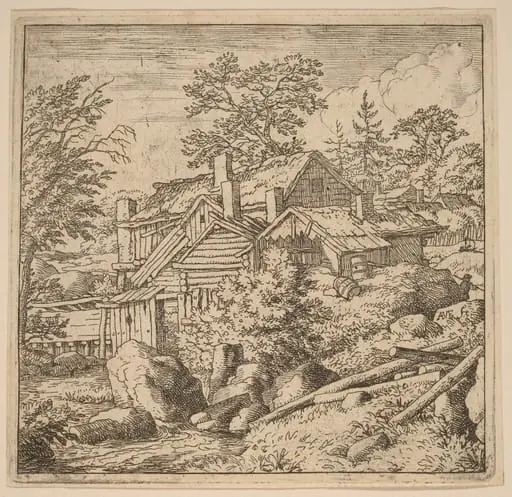
Hamlet between the Trees is an ink print by the Baroque artist Allart van Everdingen. It dates from 1650 and is held in the collection of the National Gallery of Art.
About this work
Overview
Unlike his more famous landscapes of Scandinavia, this work draws from Shakespeare’s *Hamlet*, placing the tragic figure within a quiet, wooded environment.
Created around 1650 by Allart van Everdingen, this etching is one of several prints in which the Dutch artist interpreted literary subjects. Unlike his more famous landscapes of Scandinavia, this work draws from Shakespeare’s *Hamlet*, placing the tragic figure within a quiet, wooded environment. The image was produced using the etching technique, which allowed for fine linear detail and tonal variation, making it suitable for intimate, narrative-driven compositions.
Subject & Meaning
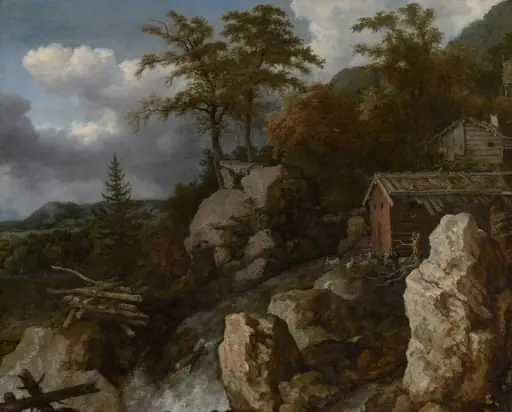
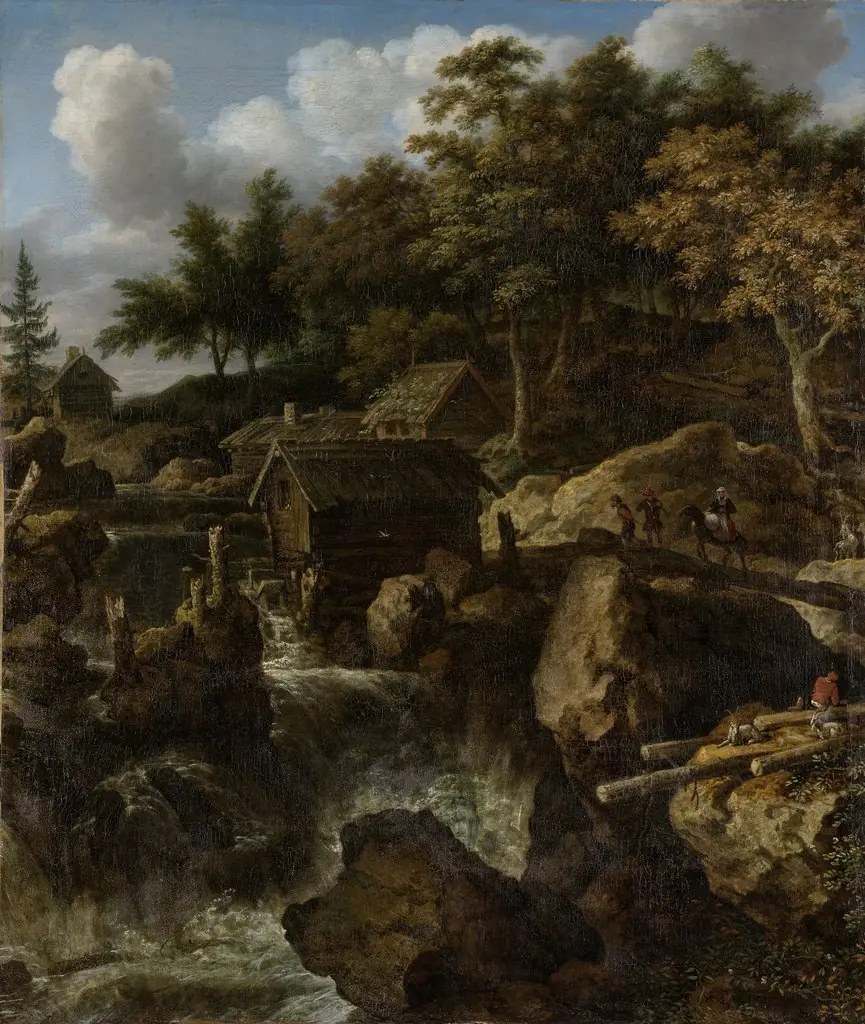
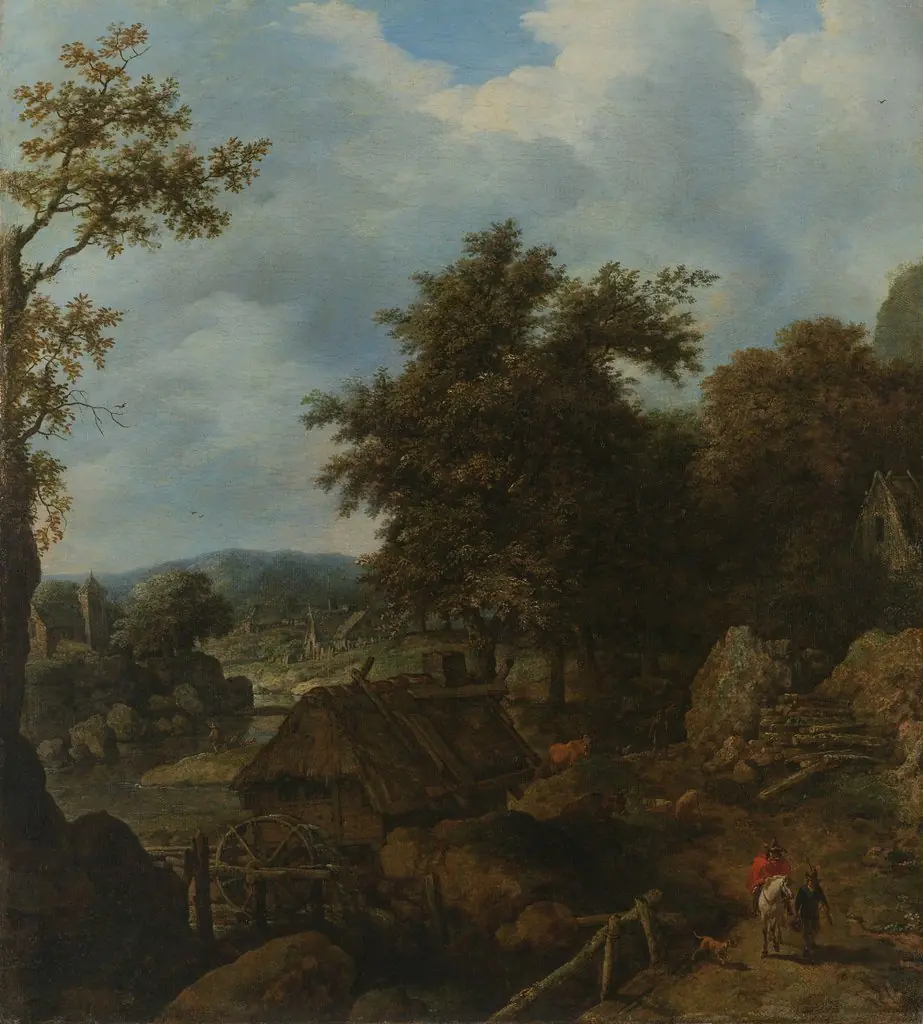
The figure of Hamlet is subtly integrated into the landscape, neither dominant nor overtly dramatic. He walks along a narrow path that disappears into the trees, suggesting introspection and isolation. The absence of overt action or other characters shifts focus to psychological atmosphere rather than plot. The misty air and encroaching foliage evoke a sense of uncertainty, mirroring the play’s themes of ambiguity and hidden truths.
Technique & Style
Van Everdingen employed fine, controlled lines to render the texture of bark, grass, and distant hills, using etching’s capacity for delicate gradations. The trees, rendered with gnarled, upward-reaching branches, frame the composition and create depth through overlapping forms. The pale, empty sky contrasts with the dense undergrowth, enhancing the mood of stillness. The plate’s surface was bitten with acid to achieve subtle tonal shifts without heavy shading.
History & Provenance
Van Everdingen, active in the mid-17th century, produced this print during a period when Dutch artists increasingly turned to literary sources for subject matter. Though not widely documented in early collections, the work aligns with the broader circulation of narrative prints among educated audiences. Its survival in institutional holdings suggests it was valued for its artistic refinement rather than its popularity.
Context
In the Dutch Republic, printmaking flourished as a medium for disseminating images beyond painting. Artists like van Everdingen adapted international literary themes to suit local tastes, blending classical and contemporary narratives with native landscapes. This etching reflects a trend where Shakespearean drama, though foreign, was reimagined through the lens of Northern European naturalism and quiet melancholy.
Legacy
While van Everdingen is better known for his Scandinavian landscapes, this etching stands as a rare example of his engagement with literary drama. It contributes to the understanding of how Dutch artists interpreted global stories through domestic visual languages. The work remains a quiet testament to the period’s interest in psychological depth and the expressive potential of print.
Artist & collection
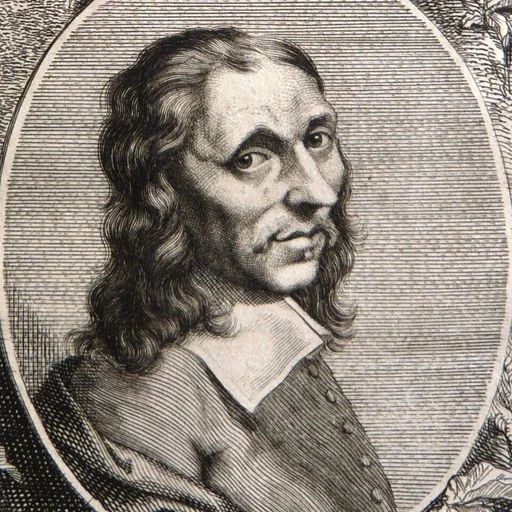
Artist
Allaert van Everdingen (Dutch pronunciation: ; bapt. 18 June 1621 – 8 November 1675 (buried)), was a Dutch Golden Age painter and printmaker in etching and mezzotint.