Artwork
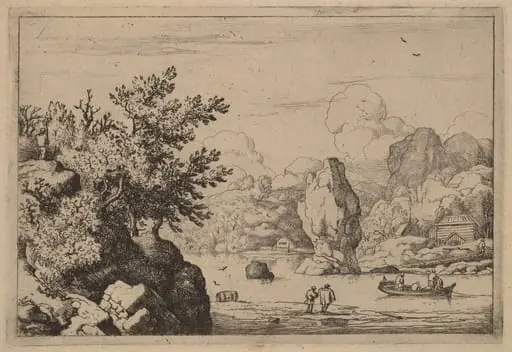
Pointed Boulder at the Bank of a River
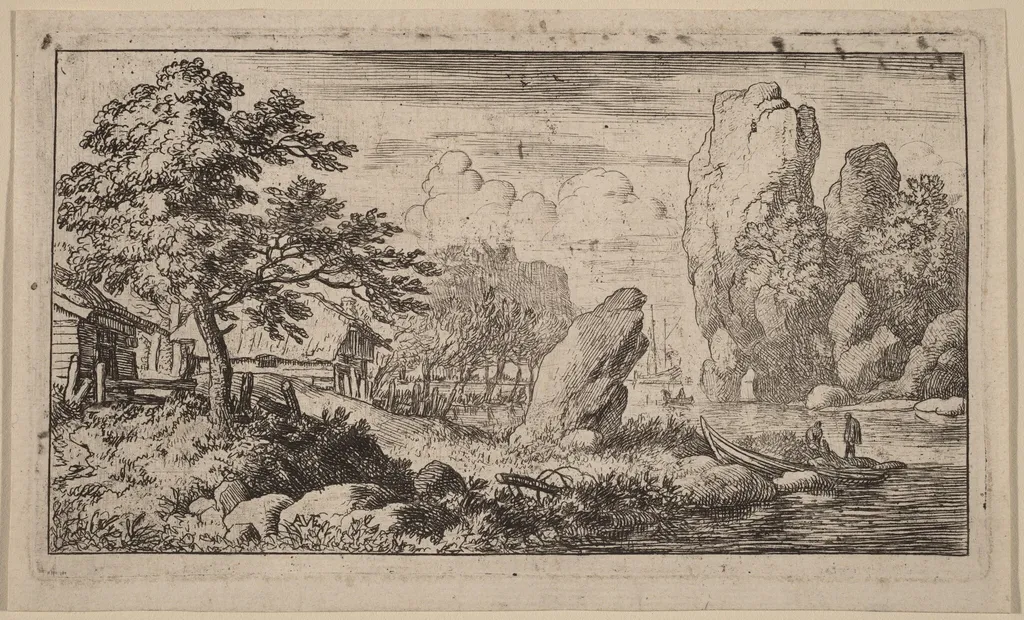
Pointed Boulder at the Bank of a River is an ink print by the Baroque artist Allart van Everdingen. It dates from 1650 and is held in the collection of the National Gallery of Art.
About this work
Overview
Pointed Boulder at the Bank of a River is an etching with engraving created by Dutch Golden Age artist Everdingen around 1650, capturing a serene riverside landscape.
Subject & Meaning
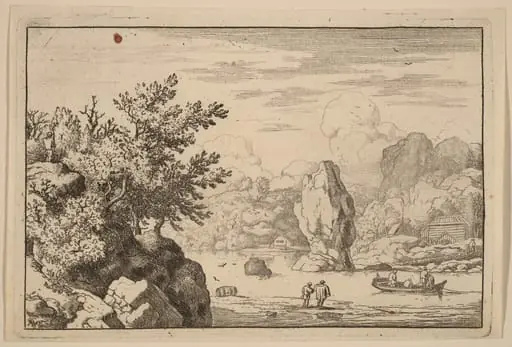
The print depicts a tranquil natural setting with a lone tree, a small building, distant structures, and a prominent jagged rock at the river's curve, accompanied by tiny figures along the shore, evoking a sense of peaceful coexistence between nature and human presence.
Technique & Style
Characterized by meticulous linework, the piece showcases Everdingen's mastery of etching, where fine scratches on a metal plate achieve detailed textures, such as tree bark and water ripples, hallmark of the etching medium.
History & Provenance
Created circa 1650 by Everdingen, a renowned Dutch printmaker and painter, the work exemplifies his contribution to 17th-century Dutch printmaking, though specific provenance details are not provided.
Context
Produced during the Dutch Golden Age, this etching reflects the period's fascination with natural landscapes and the technical precision of Dutch printmaking, distinguishing it from broader European artistic trends.
Legacy
While not individually renowned, *Pointed Boulder* contributes to Everdingen's overall legacy in Dutch Golden Age art, illustrating the era's printmaking techniques and thematic preferences, influencing subsequent landscape representations.
Artist & collection
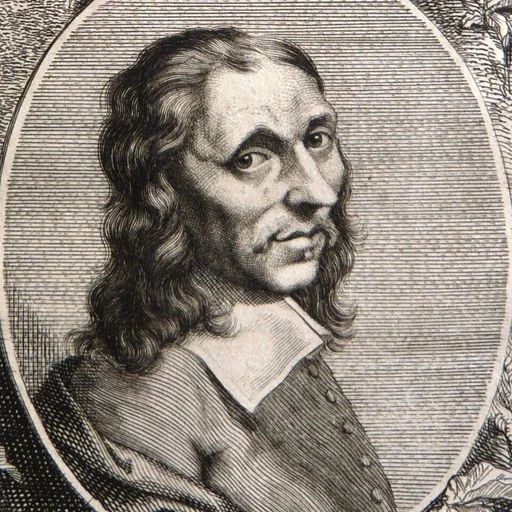
Artist
Allaert van Everdingen (Dutch pronunciation: ; bapt. 18 June 1621 – 8 November 1675 (buried)), was a Dutch Golden Age painter and printmaker in etching and mezzotint.