Artwork
Golden Pavilion
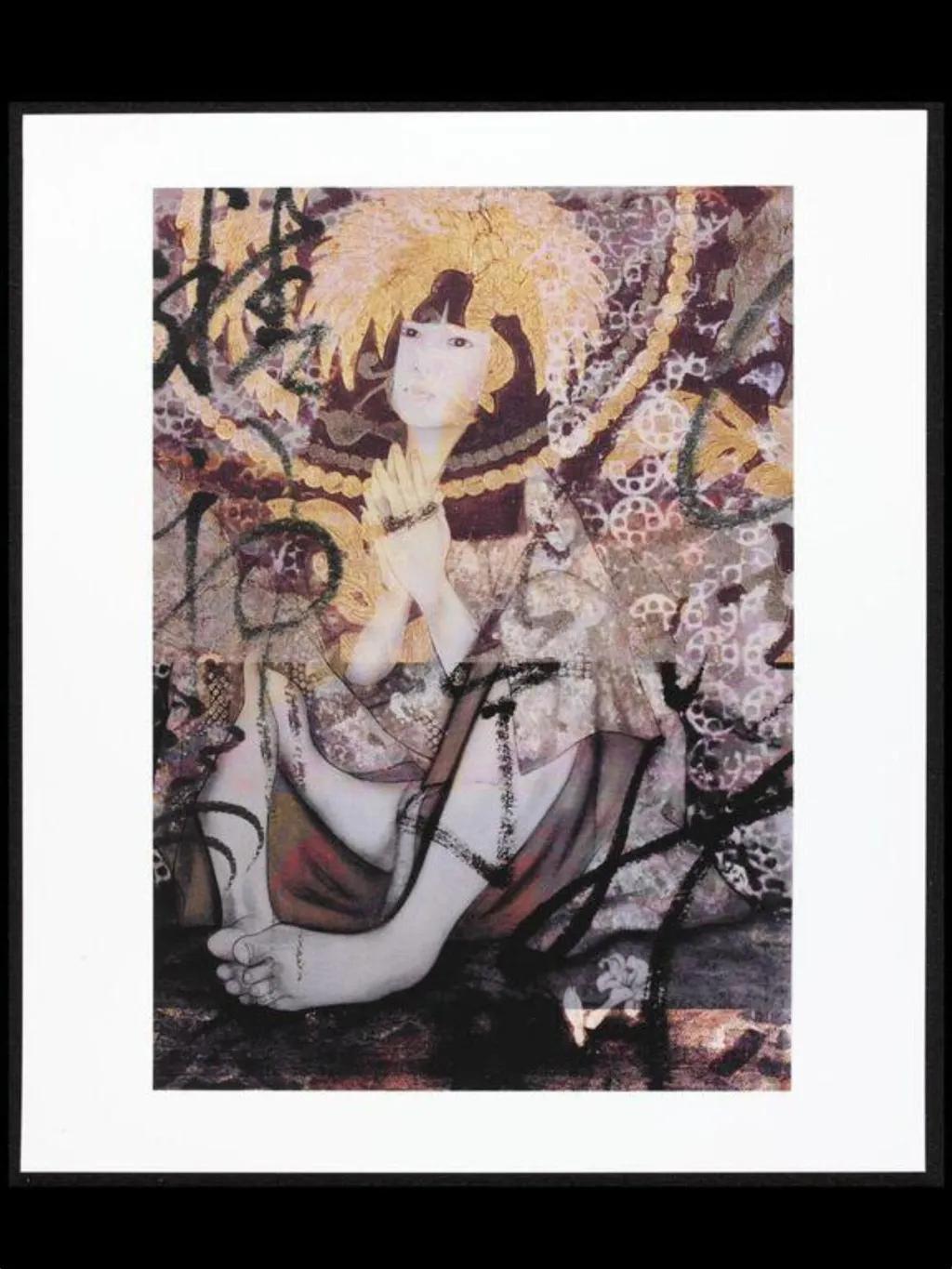
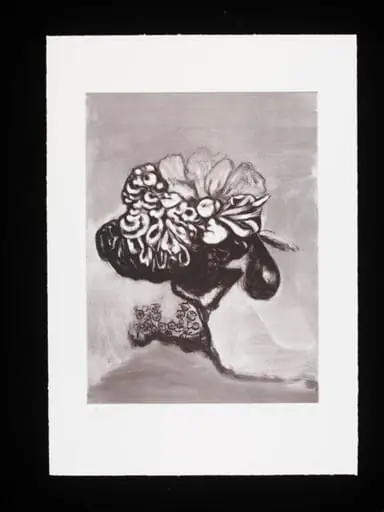
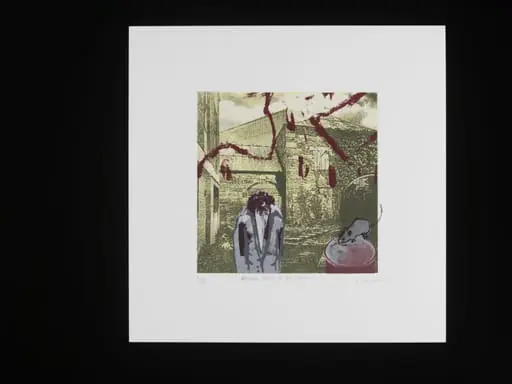
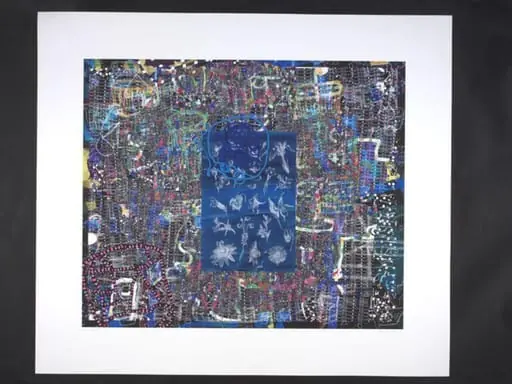
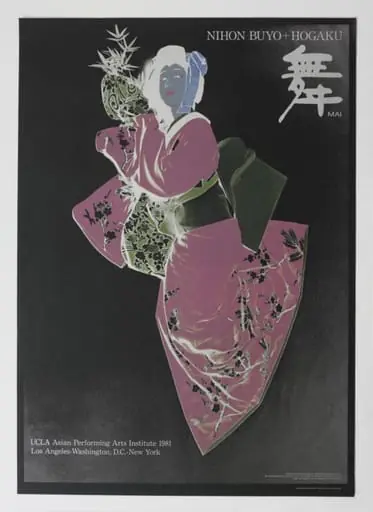
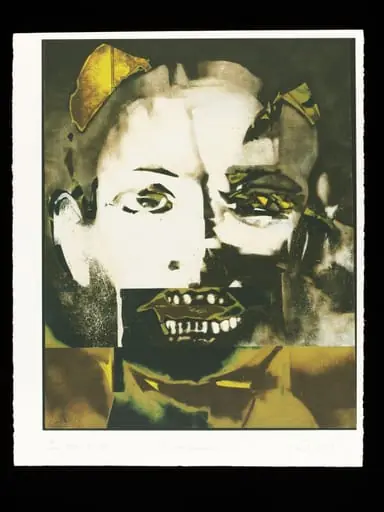
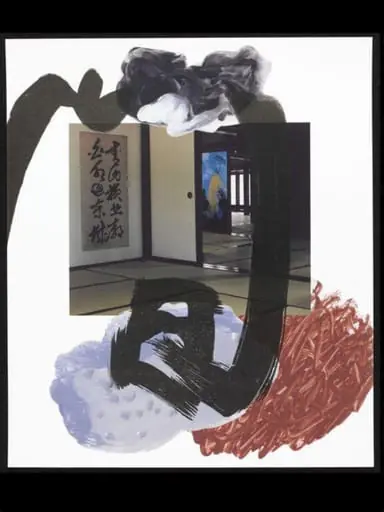
Golden Pavilion is a print by EYEcon. It dates from 2002 and is held in the collection of the Victoria and Albert Museum.
About this work
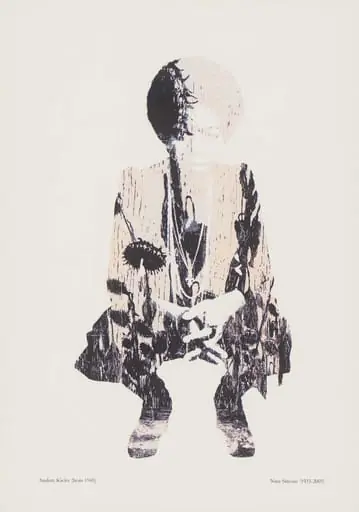
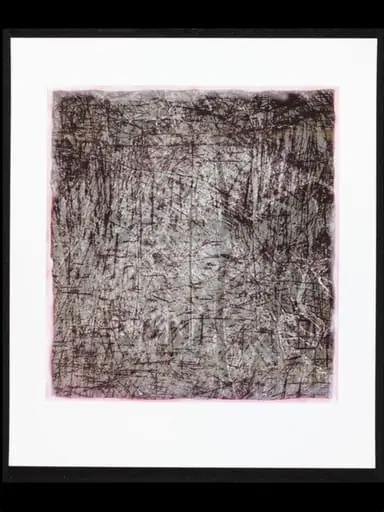
Golden Pavilion is a print from 2002 by EYEcon. It came from a workshop at Wimbledon School of Art where artists mixed old woodblock ways with new digital tools. That mix is the cool part.
They invited Japanese and UK artists to try this blend. It wasn’t just one style—it was a fresh take on old prints. The result shows how old and new can work together.
Look up EYEcon next.
Overview
Golden Pavilion is a 2002 digital print produced by Eyecon, a London-based publishing unit focused on experimental print media.
Golden Pavilion is a 2002 digital print produced by Eyecon, a London-based publishing unit focused on experimental print media. It emerged from a collaborative workshop at Wimbledon School of Art, bringing together Japanese and UK-based artists to investigate the intersection of traditional Japanese woodblock techniques and contemporary digital processes. The project sought to expand the possibilities of printmaking through cross-cultural and technological dialogue.
Subject & Meaning
The subject references the Kinkaku-ji, or Golden Pavilion, a famed Zen temple in Kyoto. Rather than replicating historical depictions, the artists reimagined its form through layered digital interventions. The image becomes a meditation on cultural memory and transformation, where architectural identity is preserved yet reinterpreted through modern visual languages, reflecting shifting perceptions of heritage in a globalized context.
Technique & Style
The work fuses hand-carved woodblock textures with digital manipulation, blending the grain and imperfections of traditional printing with the precision and layering capabilities of digital software. Colors and forms are subtly altered through algorithmic processes, creating a hybrid aesthetic that retains the tactile quality of woodcut while introducing unexpected spatial and chromatic shifts.
History & Provenance
Produced by Eyecon, founded in 1999 as a research-driven initiative, the print is part of a limited series developed during a 2002 workshop at Wimbledon School of Art. The project was supported by institutional partnerships aiming to foster innovation in print media. Eyecon’s role as both publisher and experimental lab positioned the work within a broader movement redefining print’s role in contemporary art practice.
Context
This project emerged during a period of renewed interest in Japanese aesthetics within British art education and digital art circles. The collaboration reflected broader efforts to bridge East-West artistic traditions, particularly as digital tools became more accessible. It also responded to debates about authenticity and adaptation in cultural representation, challenging rigid distinctions between tradition and innovation.
Legacy
Golden Pavilion stands as an early example of how digital technologies could be integrated into traditional printmaking without erasing their historical roots. The workshop and its outcomes influenced subsequent artist-led print initiatives in the UK and Japan, encouraging further experimentation with hybrid techniques. It contributed to a growing recognition of print as a dynamic, evolving medium rather than a static historical form.
Artist & collection
Artist
EYEcon made digital prints in 2002. Two available here are *Golden Pavilion* and *EYEcon2:edition.jp*. Both show layered, bright shapes that feel both digital and flat, like a screen you can almost touch. The prints…