Artwork
Colonel John Fortnum and Family
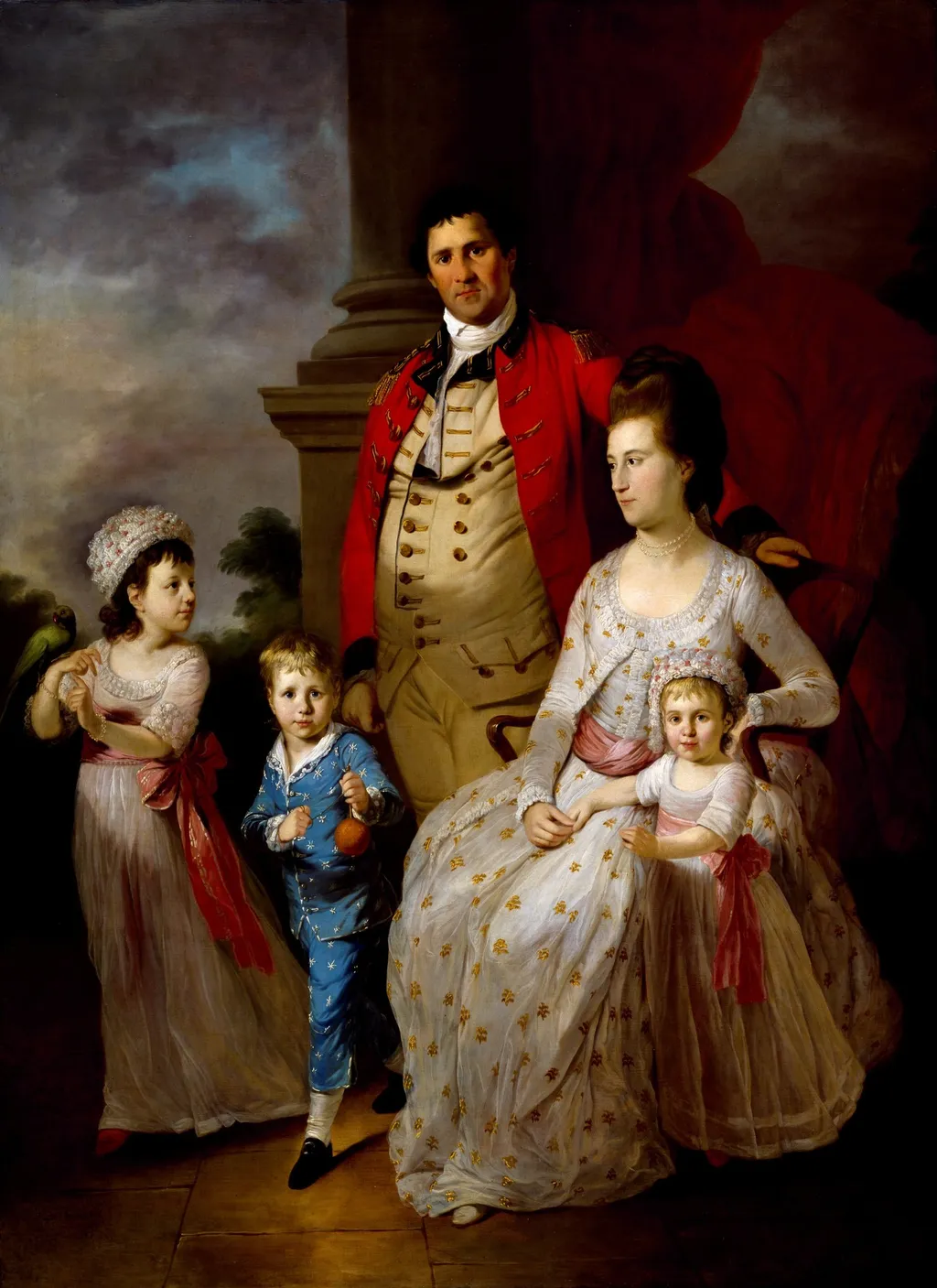
Colonel John Fortnum and Family is an oil painting by the Rococo painting artist Tilly Kettle. It dates from 1775 and is held in the collection of the Museum of Fine Arts, Houston.
About this work
Overview
It is now part of the Museum of Fine Arts, Houston’s collection, where it remains a representative example of British family portraiture from the period.
Painted in 1775 by English artist Tilly Kettle, this oil portrait depicts Colonel John Fortnum and his immediate family in a formal domestic setting. Executed during the height of 18th-century portraiture, the work reflects the social aspirations of its subjects through composed arrangement and refined detail. It is now part of the Museum of Fine Arts, Houston’s collection, where it remains a representative example of British family portraiture from the period.
Subject & Meaning
The composition centers on Colonel Fortnum, standing authoritatively behind his seated wife, who cradles a young child. Two older children flank the group, their postures suggesting both familial bonds and social standing. The military uniform and elegant attire signal status, while the unified pose conveys domestic harmony. The painting functions as a visual assertion of lineage, wealth, and propriety, typical of aristocratic portraiture in Georgian England.
Technique & Style
Kettle employed smooth brushwork and subtle tonal transitions to render fabric textures and skin tones with quiet precision. The Rococo influence appears in the soft lighting and graceful poses, though the composition avoids excessive ornamentation. The background, with its distant trees and pale sky, provides depth without distraction, directing focus to the figures. The palette is restrained, emphasizing muted earth tones and the colonel’s vivid red coat as a focal point.
History & Provenance
Commissioned by the Fortnum family in 1775, the painting remained in private hands for over two centuries before entering the Museum of Fine Arts, Houston’s collection. Tilly Kettle, then an established portraitist in London, later traveled to India, where he became the first British artist to produce a significant body of work in the subcontinent. This portrait predates his Indian period and reflects his early mastery of European conventions.
Context
In mid-18th-century Britain, portraiture served as both personal record and social statement. Families like the Fortnums commissioned such works to affirm their place within the landed gentry. Kettle’s style aligned with contemporaries like Joshua Reynolds, though his approach was less grandiose. The painting’s setting—neither fully interior nor exterior—mirrors the transitional nature of portraiture at the time, blending domestic intimacy with public presentation.
Legacy
While Tilly Kettle is better known for his later Indian commissions, this early work demonstrates his skill in capturing familial dynamics with restraint and clarity. The painting contributes to the understanding of British portraiture beyond the most celebrated names of the era. Its preservation in a major American museum ensures continued study of how elite identity was visually constructed in the decades before the American Revolution.
Own this work as a print
Artist & collection
Artist
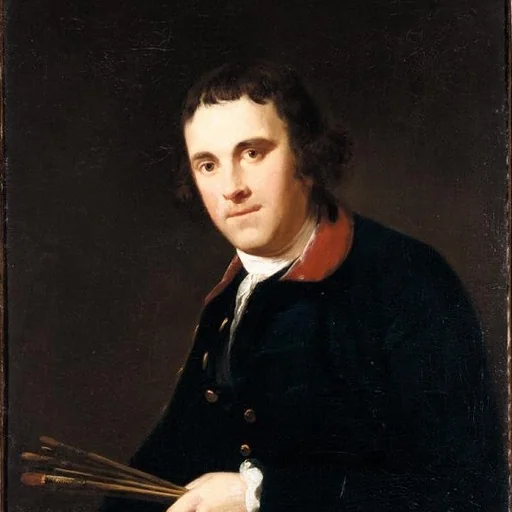
Tilly Kettle (1735 – 1786) was an English painter who specialised in portrait painting. He was the first British painter to operate in Colonial India.

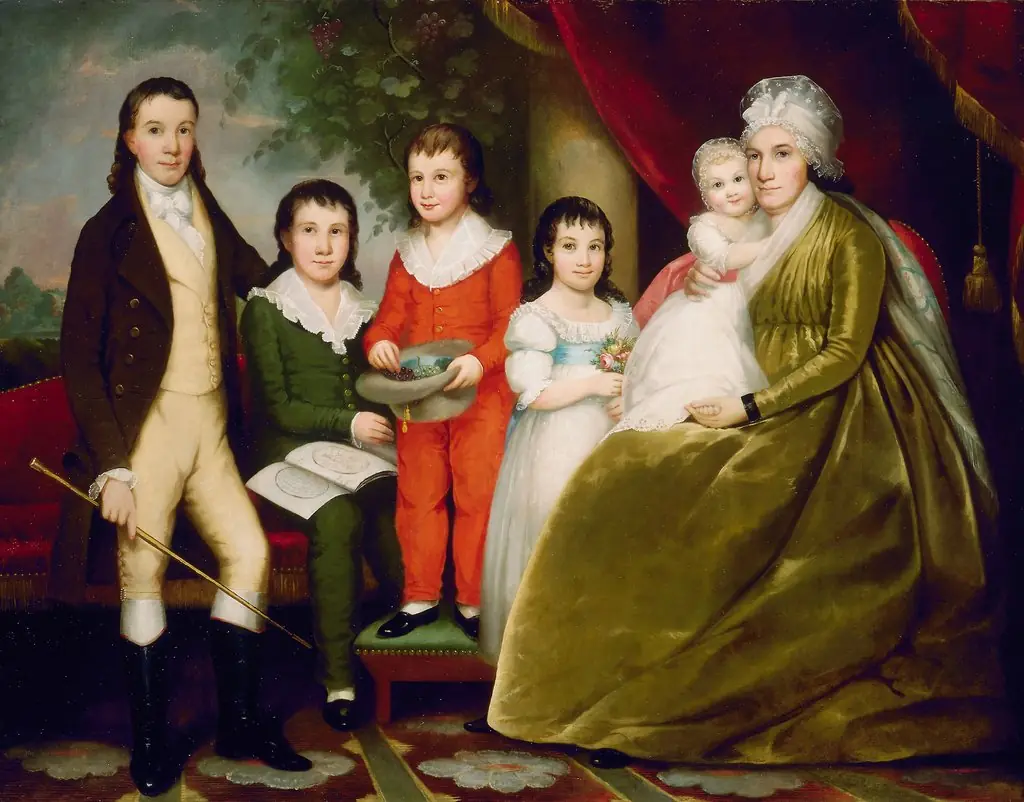 Mrs. Noah Smith and Family
 Mrs. Noah Smith and Family
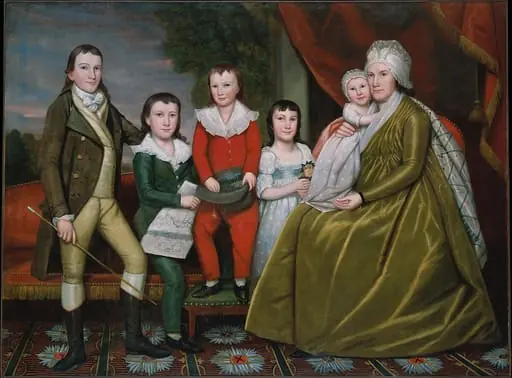 Mrs. Noah Smith and Her Children
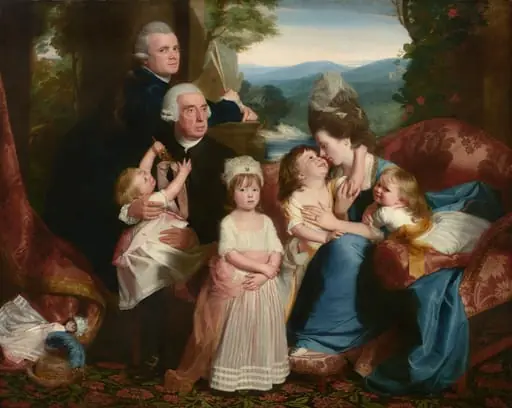 The Copley Family
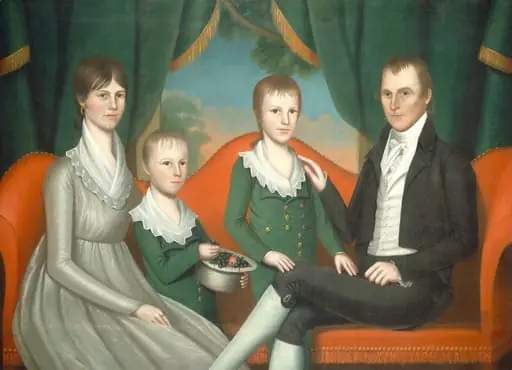 Family Portrait
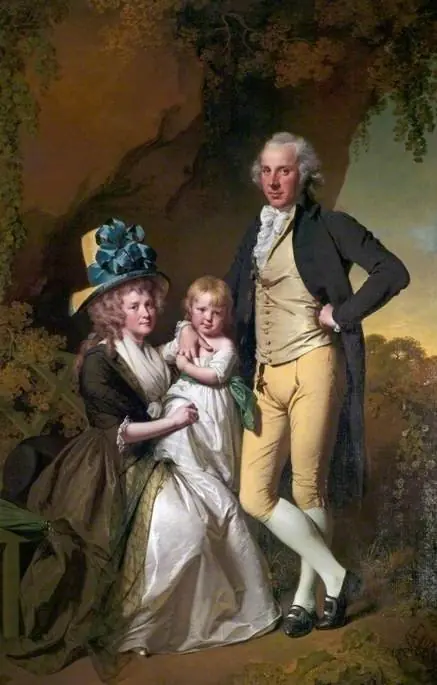 Richard Arkwright Junior (1755–1843), with His Wife Mary, and Daughter Anne
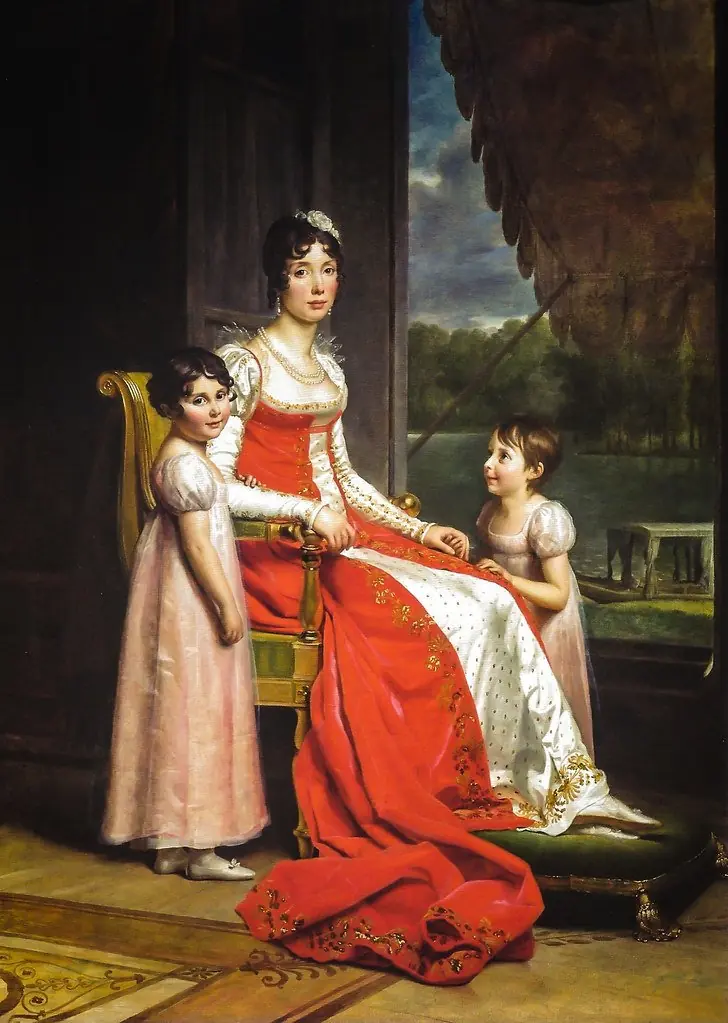 Julie Bonaparte as Queen of Spain with her Daughters, Zénaïde and Charlotte
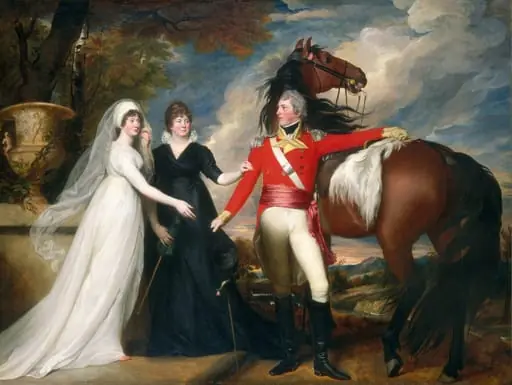 Colonel William Fitch and His Sisters Sarah and Ann Fitch
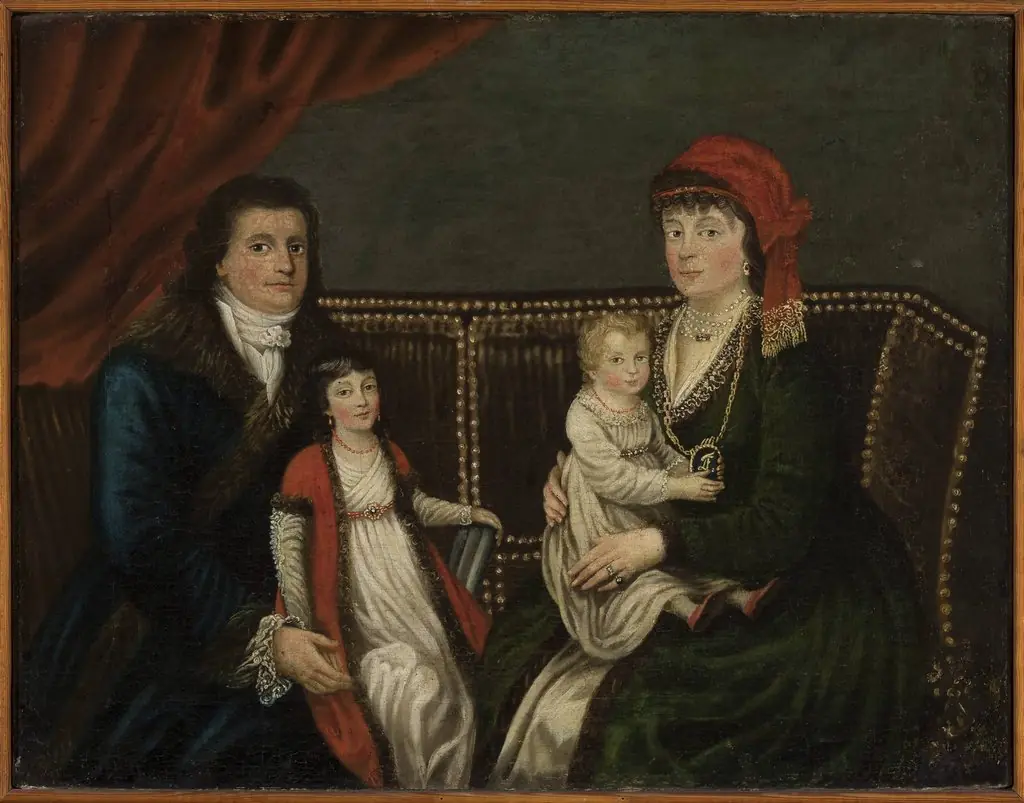 Portrait of the Lafontaine family, Leopold (1756–1812), surgeon, with his wife Teresa née Korneli (1768–1827) and daughters, Zofia (?–1831) and Wiktoria (1800–1849)
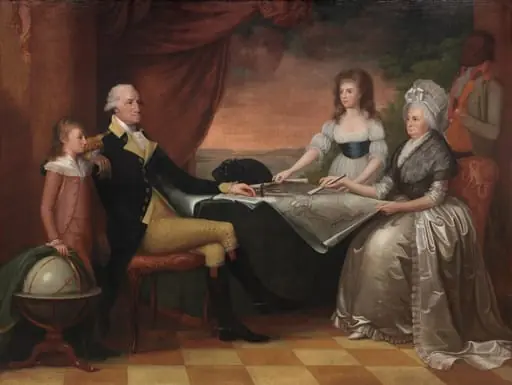 The Washington Family
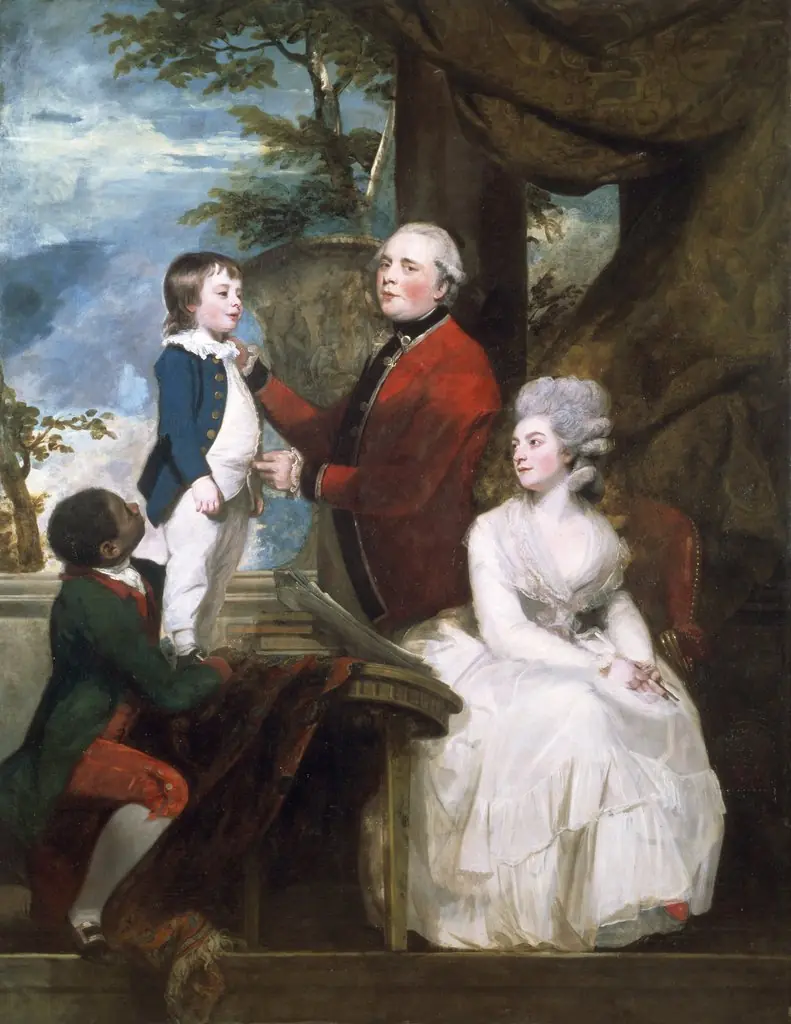 The Temple Family
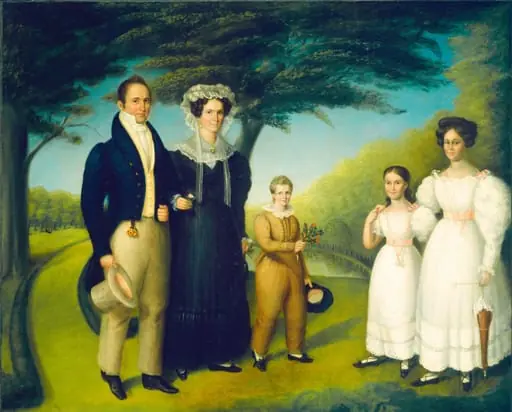 Dr. John Safford and Family