Artwork
By order of the Sultan...
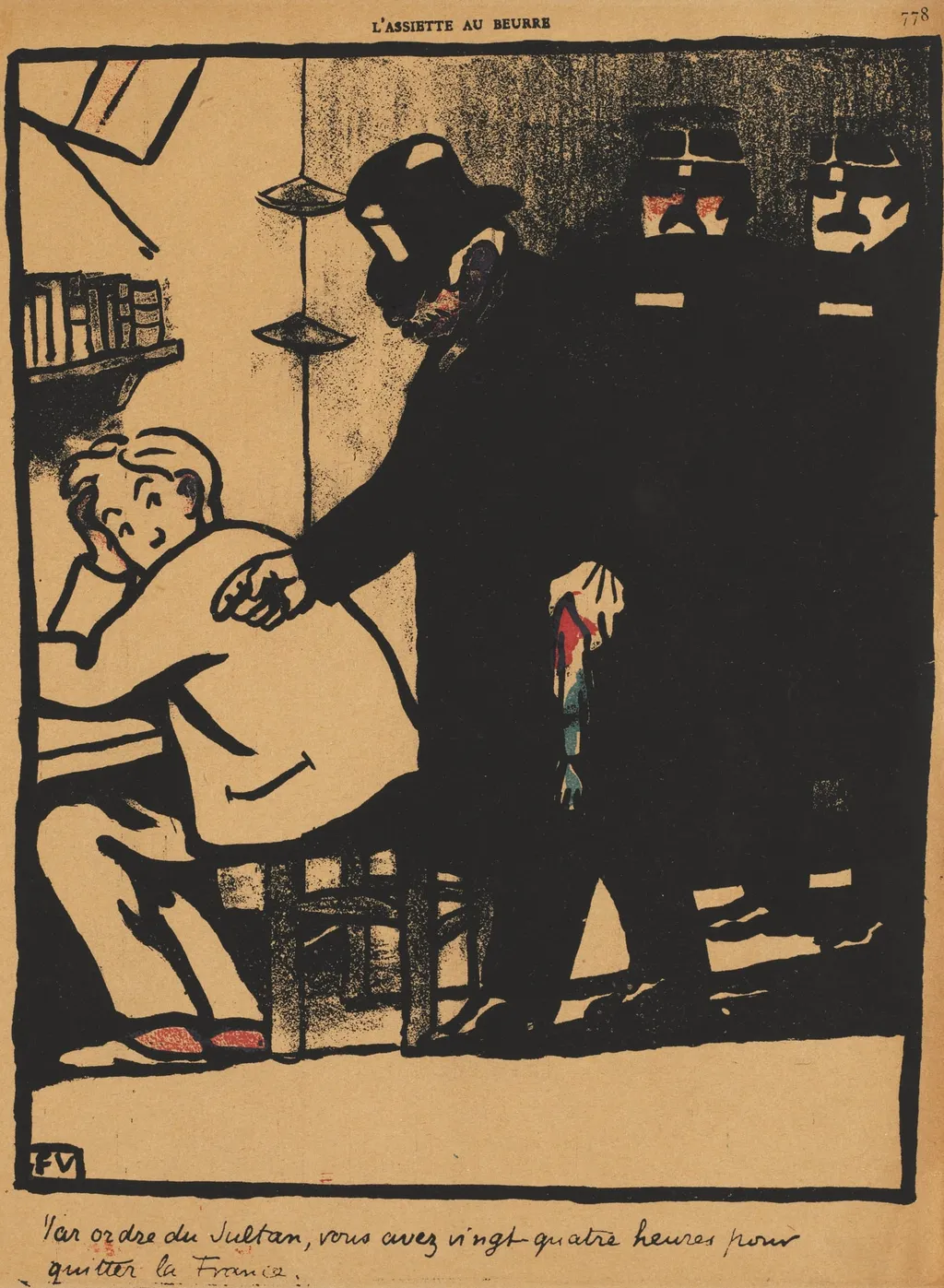
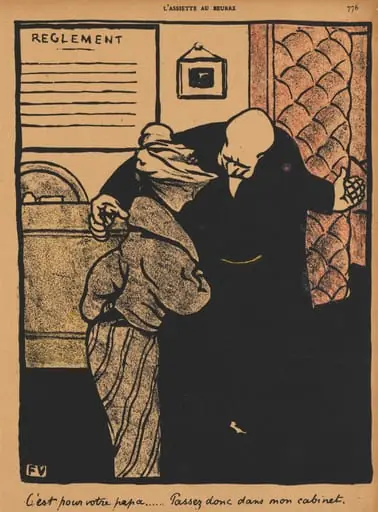
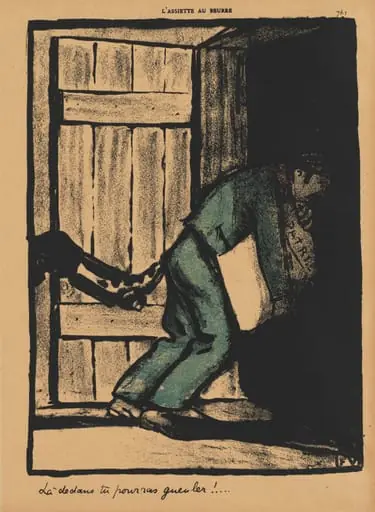
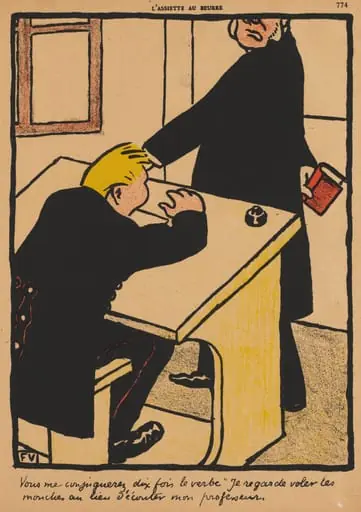
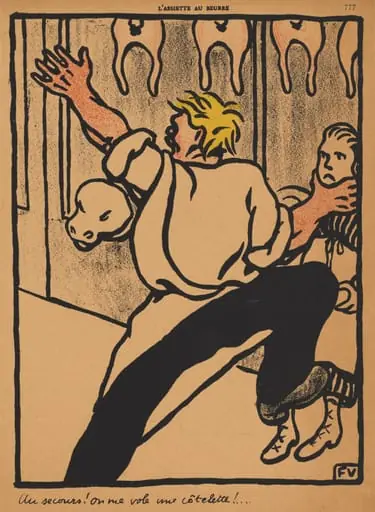
By order of the Sultan... is a print by Félix Vallotton. It dates from 1901 and is held in the collection of the Cleveland Museum of Art. This woodcut, published in L’Assiette au Beurre on March 1, 1902, is the twenty-first plate in the series Crimes and Punishments.
About this work
The title suggests the Sultan is ordering an execution, but the scene feels like a quiet, everyday moment—making the horror even sharper.
You see a dark room where a man in a turban points at three kneeling figures while soldiers stand behind him.
This print was made for a satirical magazine in 1902. Vallotton used sharp black-and-white lines to show power and fear without color. The title suggests the Sultan is ordering an execution, but the scene feels like a quiet, everyday moment—making the horror even sharper.
Look up other works in the series *Crimes and Punishments* at The Cleveland Museum of Art.
Overview
This woodcut, published in L’Assiette au Beurre on March 1, 1902, is the twenty-first plate in the series Crimes and Punishments. Created by Félix Vallotton, it employs stark black-and-white contrasts to depict a moment of authority and submission. The image was part of a broader satirical project critiquing institutional power, using minimal detail to amplify emotional tension without relying on color or elaborate composition.
Subject & Meaning
A robed figure in a turban, likely representing a Sultan, gestures toward three kneeling individuals while armed soldiers flank him. The scene lacks overt violence, yet the posture and arrangement suggest an execution order. The quietness of the moment intensifies its dread, transforming a bureaucratic act into something chillingly routine. The title frames it as state-sanctioned retribution, exposing how power operates through silence and control.
Technique & Style
Vallotton used sharp, incised lines in black ink on white paper, characteristic of his woodcut technique. Forms are reduced to essential contours, eliminating texture and gradation. The high contrast isolates figures against a void, heightening psychological tension. This stripped-down aesthetic aligns with Symbolist and Nabis influences, prioritizing emotional resonance over realism, and turning simplicity into a tool of critique.
History & Provenance
The print was originally issued as part of a monthly satirical magazine’s series on justice and repression. L’Assiette au Beurre, known for its political caricatures, distributed the work widely across France and beyond. The Cleveland Museum of Art holds a copy, acquired as part of its modern print collection. Its provenance reflects early 20th-century interest in illustrated social commentary as a form of public discourse.
Context
Published during a period of colonial expansion and authoritarian rule in the Ottoman Empire, the image responds to contemporary anxieties about despotism and state violence. European satirical journals frequently targeted foreign rulers as symbols of tyranny. Vallotton’s work, while visually restrained, aligns with broader critiques of power structures in France and beyond, using visual economy to provoke moral reflection.
Legacy
The print remains a key example of early 20th-century political graphic art, influencing later illustrators who used minimalism to convey complex social themes. Its inclusion in museum collections underscores its role in documenting how visual media interrogated authority. Though not widely known outside art historical circles, it endures as a quiet but potent statement on the banality of institutional violence.
Artist & collection
Artist
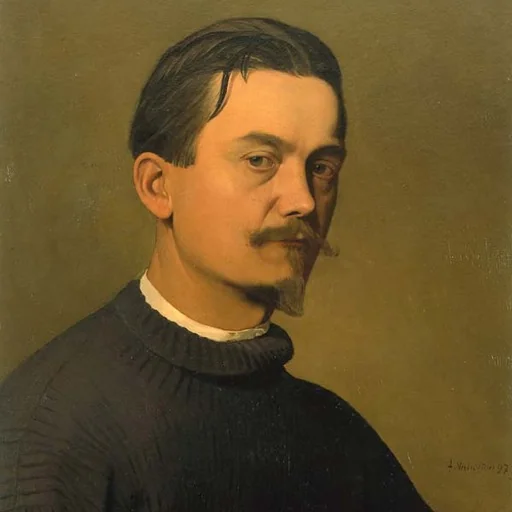
Félix Édouard Vallotton (French: ; December 28, 1865 – December 29, 1925) was a Swiss and French painter and printmaker associated with the group of artists known as Les Nabis.