Artwork
Sitting Alone by a Stream
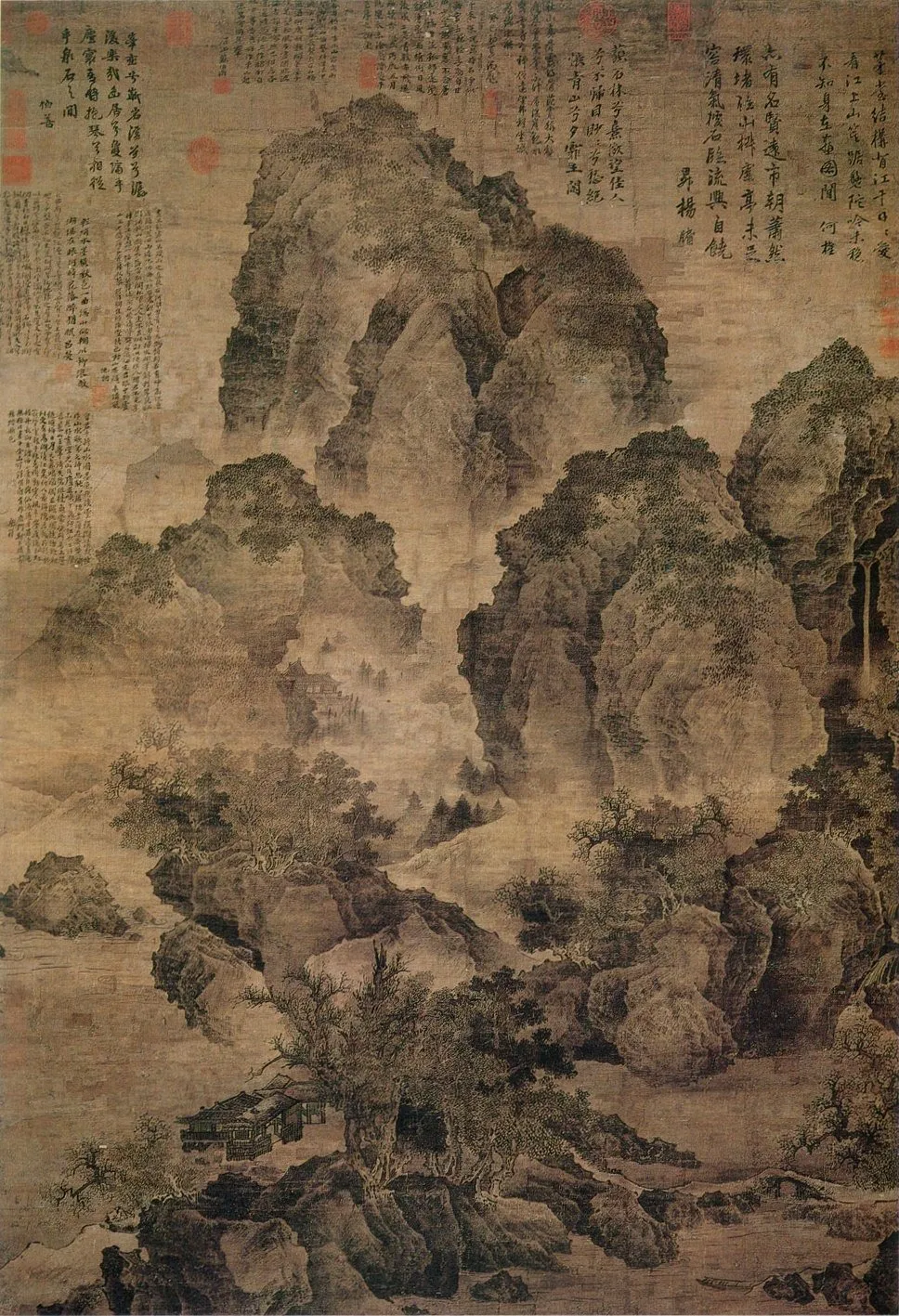
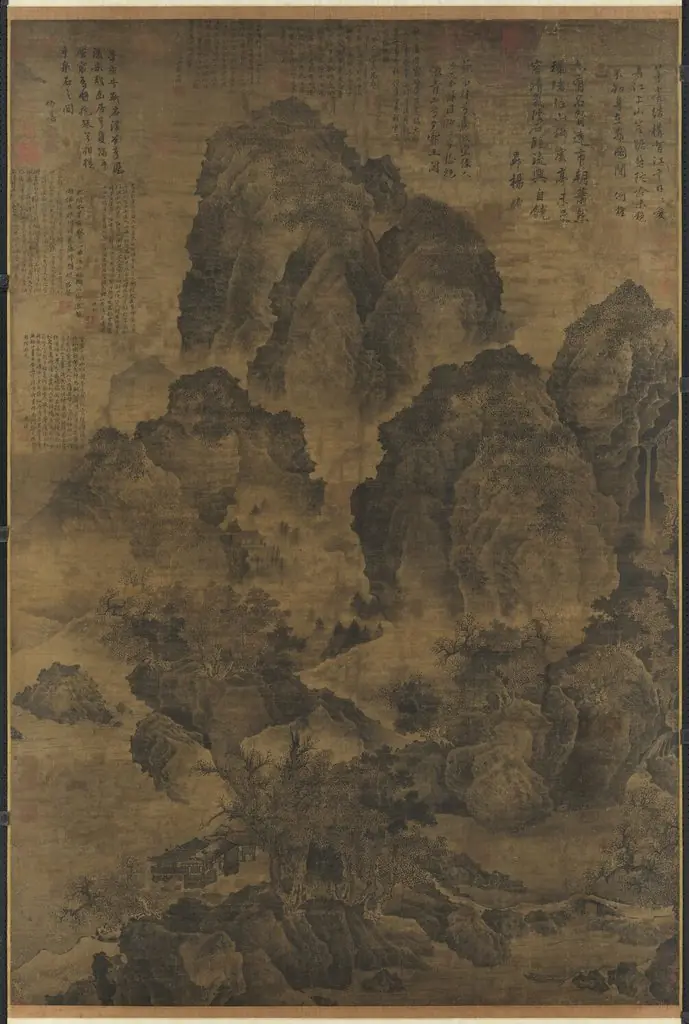
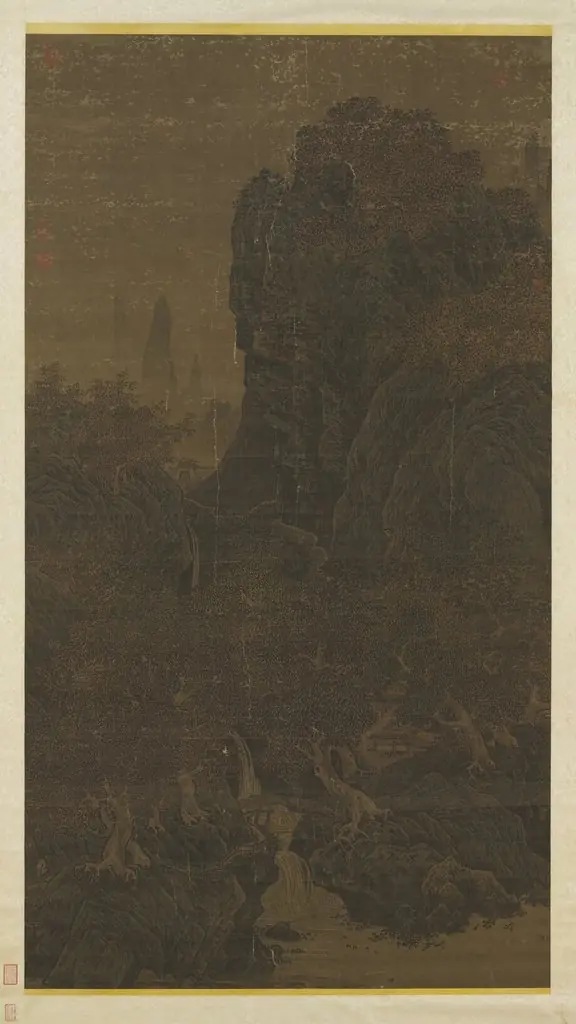
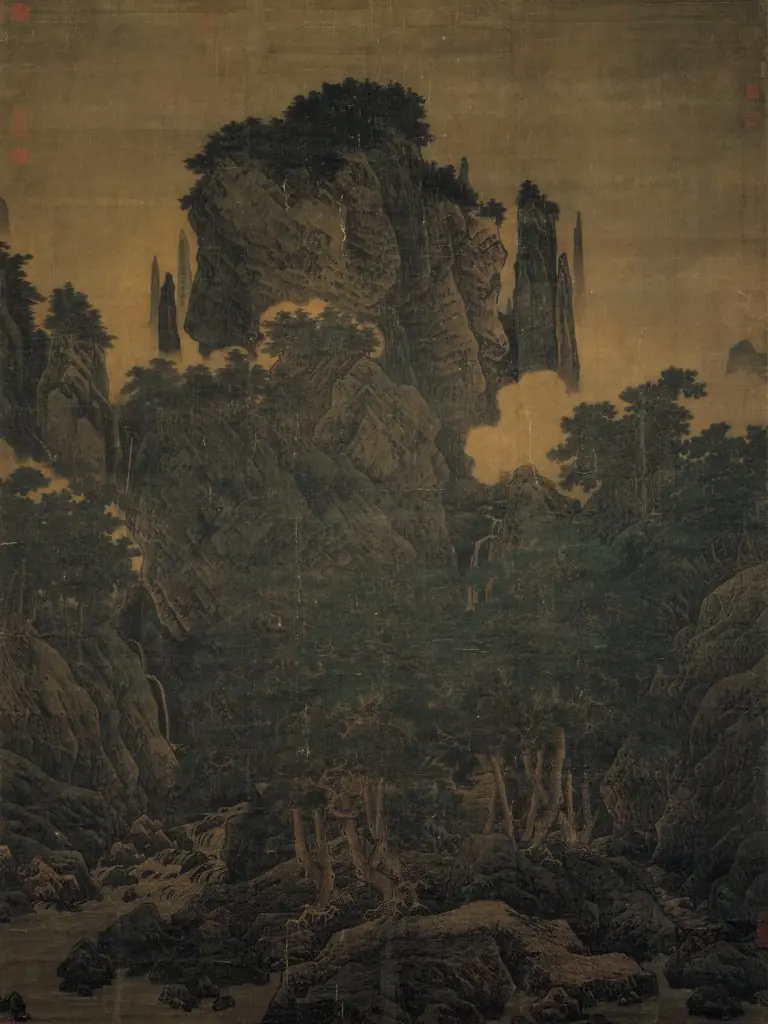
Sitting Alone by a Stream is an unspecified painting by the Song dynasty landscape artist Fan Kuan. It dates from 1050 and is held in the collection of the National Palace Museum.
About this work
Overview
It exemplifies the era’s preference for expansive, immersive natural scenes that dwarf human presence.
Created around 1050 by Fan Kuan, a painter of the Northern Song dynasty, this work belongs to a tradition that elevated landscape as a vehicle for philosophical reflection. Though attributed to Fan Kuan by later records, the painting’s authorship rests on stylistic analysis and historical association rather than signed documentation. It exemplifies the era’s preference for expansive, immersive natural scenes that dwarf human presence.
Subject & Meaning
A solitary figure sits near a stream, framed by towering cliffs and dense vegetation. The modest structure nearby, likely a hermit’s retreat, suggests withdrawal from worldly affairs. The composition conveys quiet introspection, aligning with Daoist ideals of harmony with nature and Neo-Confucian notions of moral cultivation through solitude. Human presence is minimal, serving not as the focus but as an echo within the larger order of the natural world.
Technique & Style
The painting employs ink on silk with subtle gradations of tone to suggest depth and texture. Rock surfaces are rendered with dense, angular brushwork, while trees are defined by layered, controlled strokes. The muted palette and lack of color emphasize form and structure over ornamentation. Scale is deliberately manipulated: the mountains loom large, while the human figure and building are reduced to delicate accents within the vast terrain.
History & Provenance
The painting was likely held in imperial or scholarly collections during the Song and later dynasties. Its survival through centuries reflects its esteemed status among connoisseurs. While its early ownership is undocumented, it entered modern institutional care in the 20th century, where it is now preserved as a key example of Northern Song landscape painting, though its exact provenance before the 1900s remains partially obscured.
Context
This work emerged during a period when Chinese painters sought to express cosmic order through landscape. The Northern Song court and literati valued paintings that conveyed moral seriousness and spiritual depth. Fan Kuan’s approach—emphasizing monumental nature over decorative detail—reflected broader intellectual currents that linked the natural world to ethical and metaphysical truths, distinguishing his style from earlier, more narrative traditions.
Legacy
Fan Kuan’s influence endured in later Chinese painting, particularly among artists who prioritized structural integrity and quiet contemplation over ornamental flair. His compositional strategies—balancing scale, texture, and emptiness—became foundational to the literati tradition. Though few of his works survive, this painting remains a touchstone for understanding how Song-era artists translated philosophical ideals into visual form.
Artist & collection
Artist
Fan Zhongzheng (c. 960 – c. 1030), courtesy name Zhongli, better known by his pseudonym Fan Kuan (Chinese: 范寬; pinyin: Fàn Kuān; Wade–Giles: Fan K’uan), was a Chinese landscape painter of the Song dynasty. He was both a…

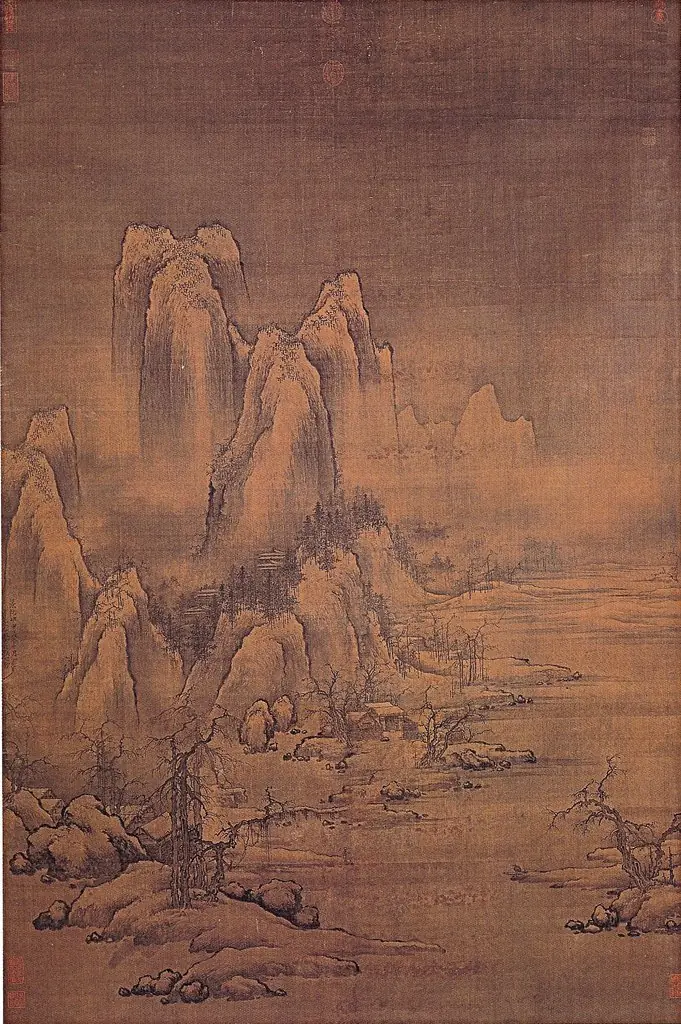 Fisherman on a Snowy River
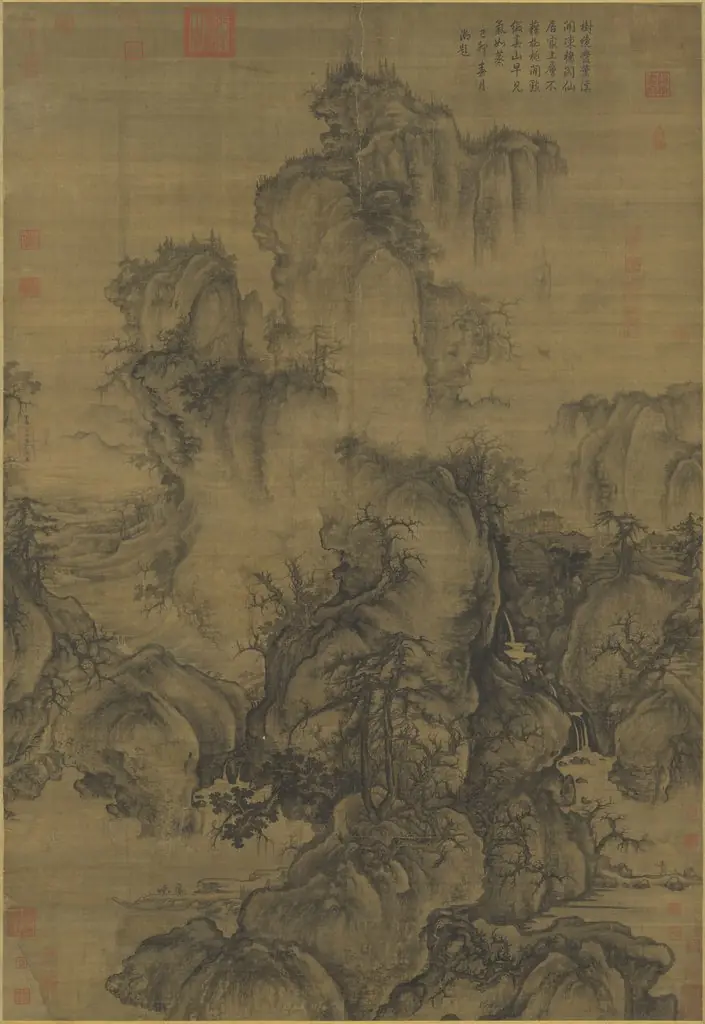 Early Spring
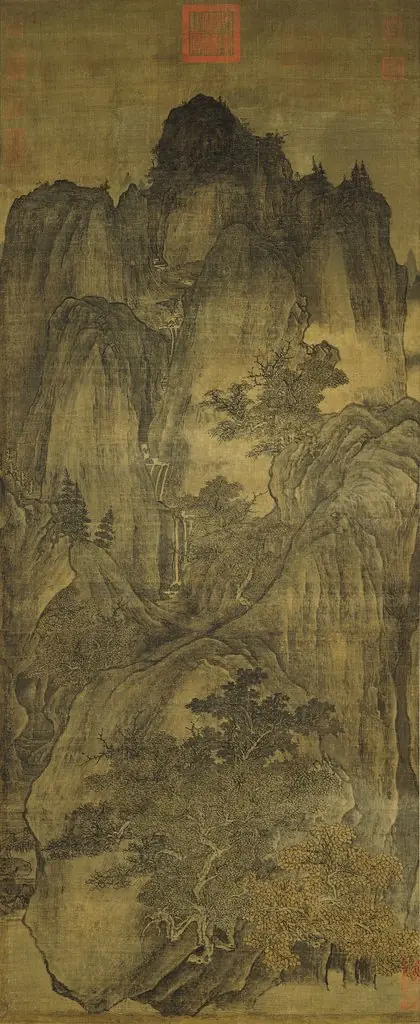 Evening Colors over Autumn Mountains
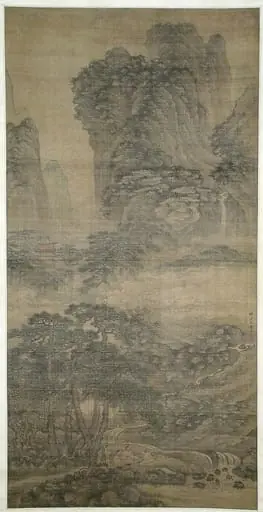 明 傳謝時臣 松溪琴客圖 軸|Listening to the Zither Among Streams and Pines
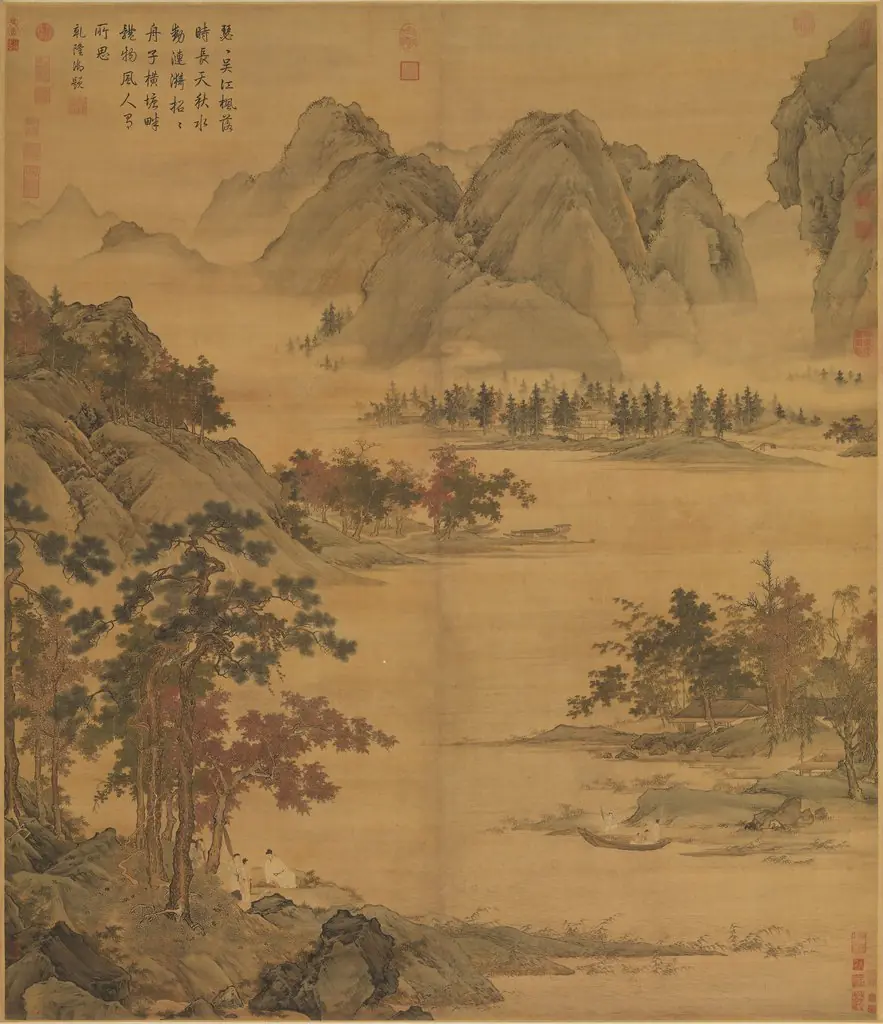 Waiting for the Ferry on an Autumn River
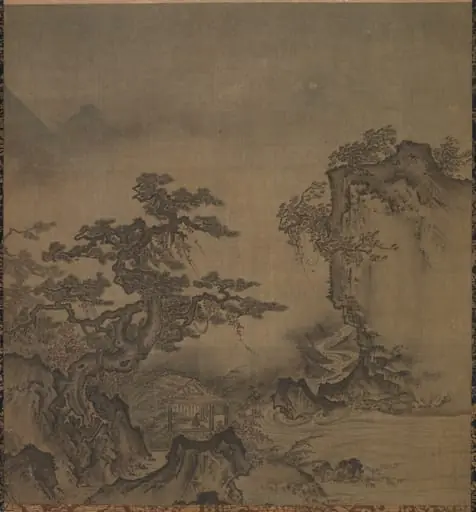 Landscape
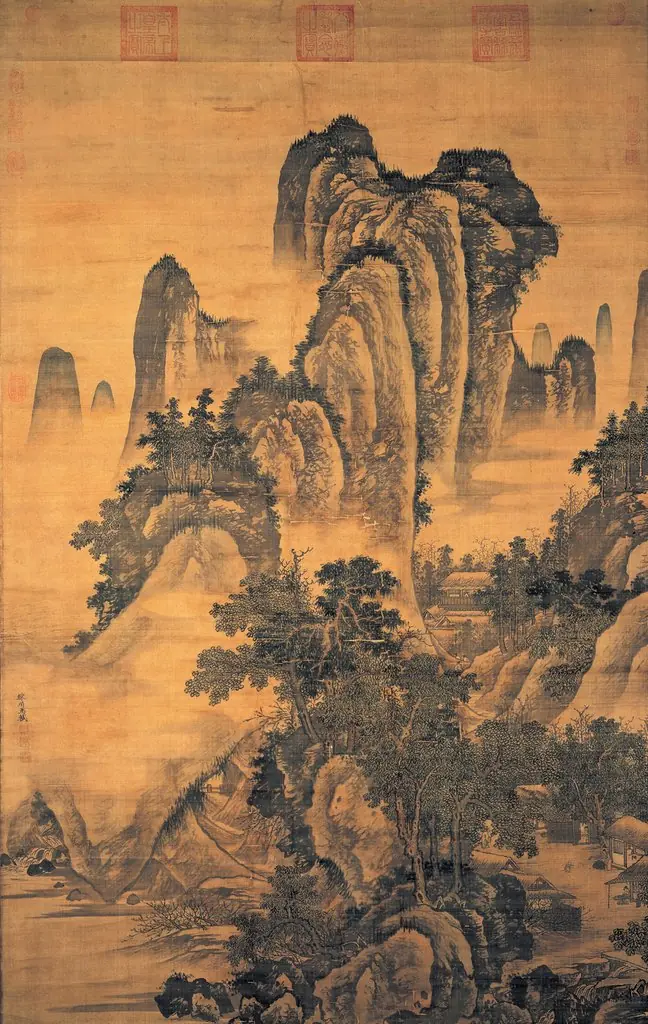 Mountain Village in Spring
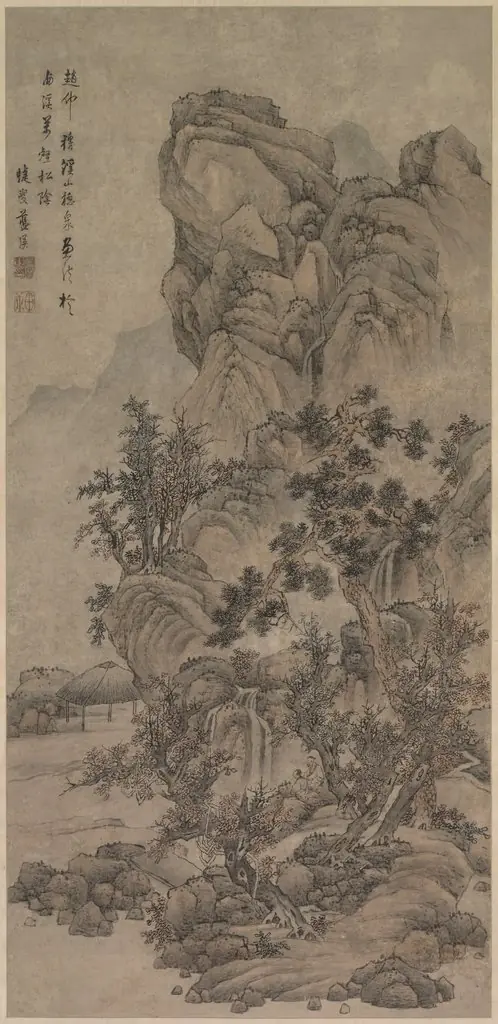 Landscape with Figures
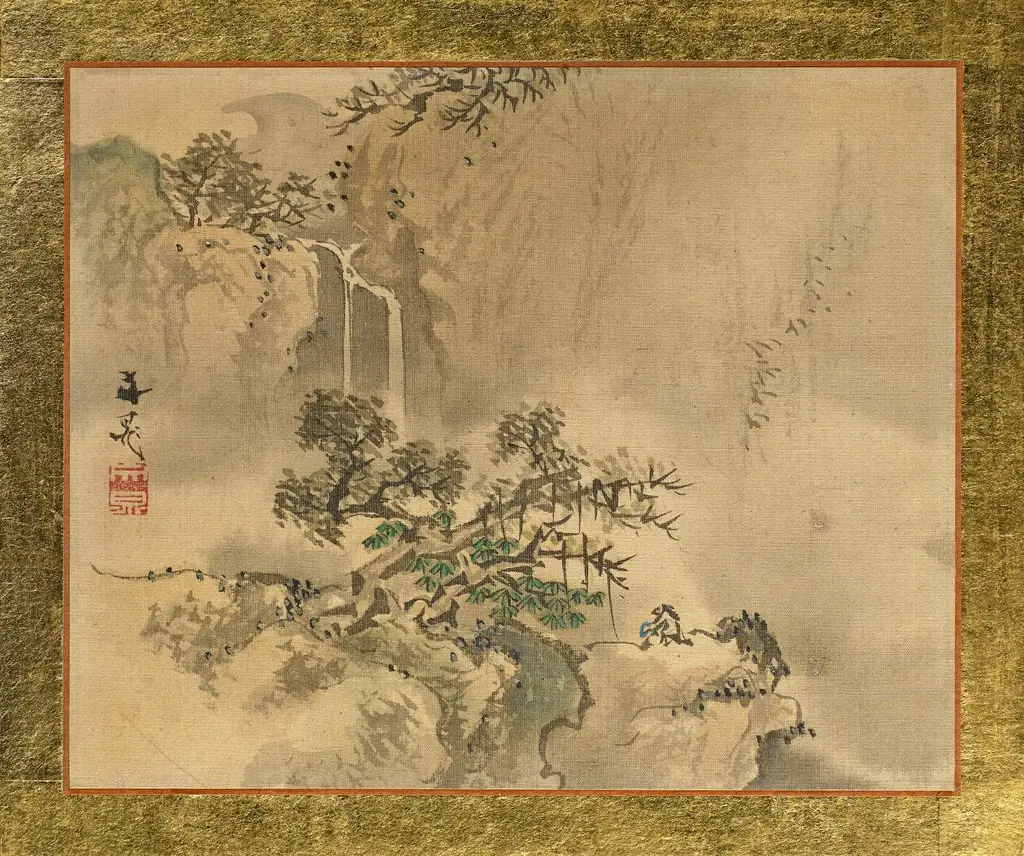 A Man taking a Rest under a Big Pine Tree
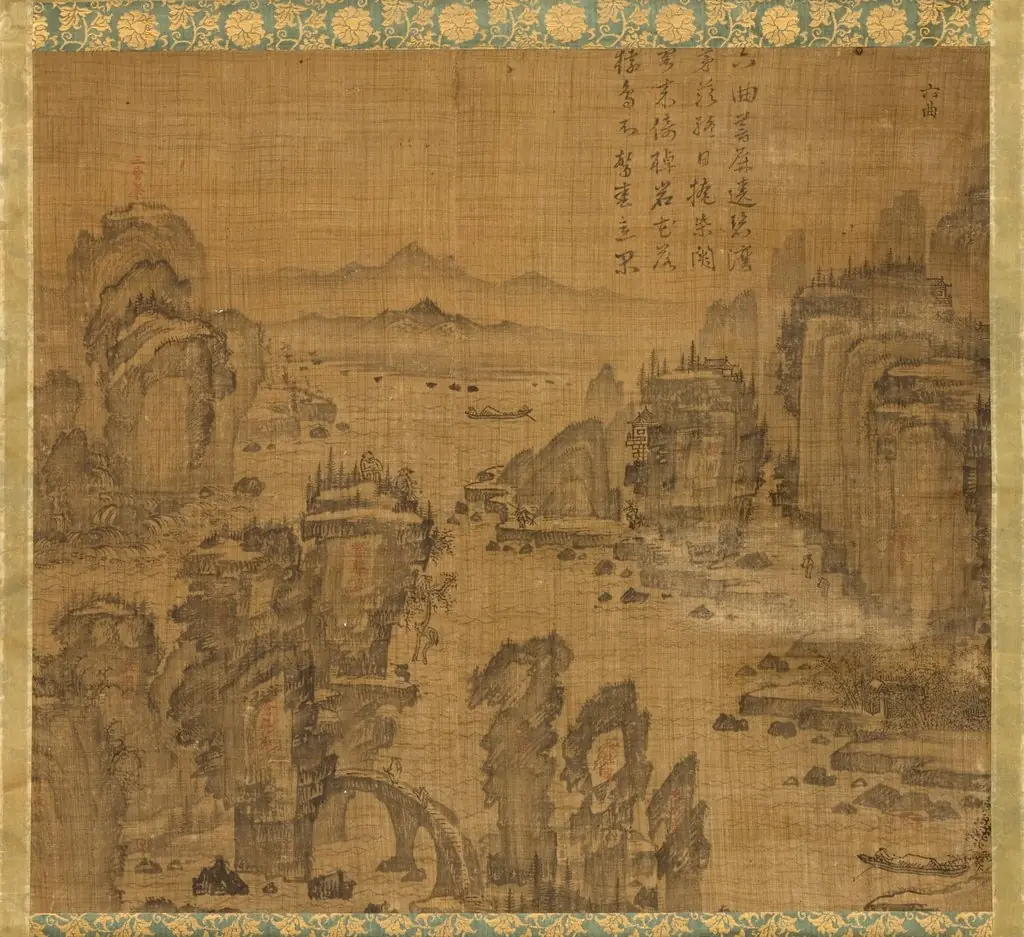 The Sixth of the Nine Bends, WuYi Mountain (Xing Zhong Feng)
 Wind in Pines Among a Myriad Valleys