Artwork
Fisherman on a Snowy River
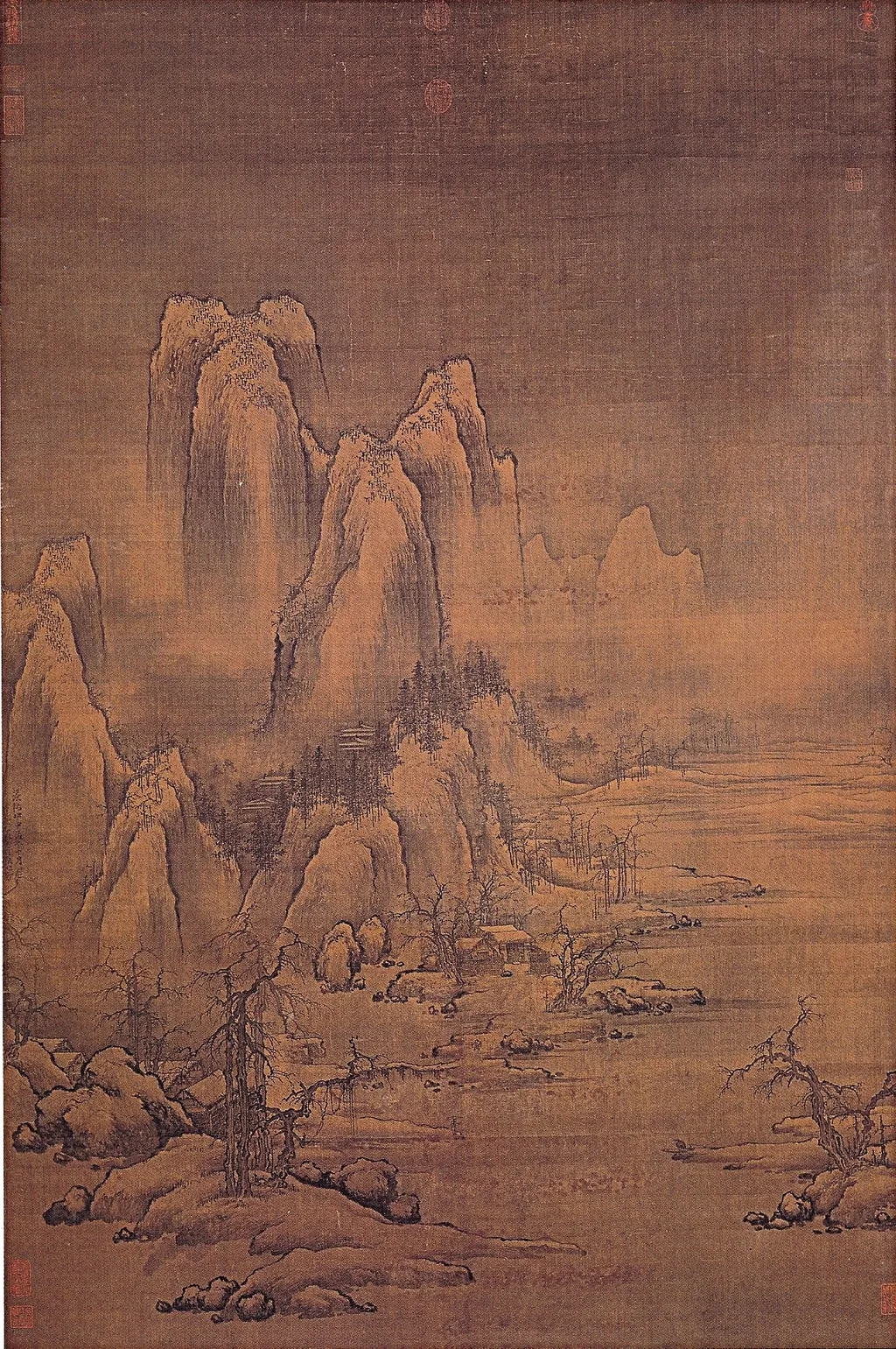
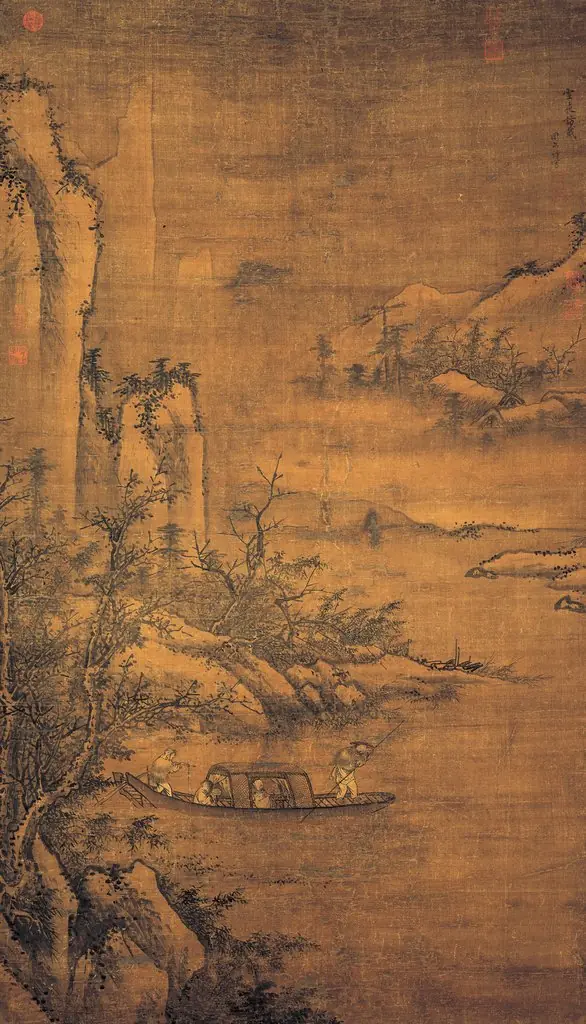
Fisherman on a Snowy River is an unspecified painting by the Song dynasty landscape artist Xu Daoning. It dates from 1050 and is held in the collection of the National Palace Museum.
About this work
Overview
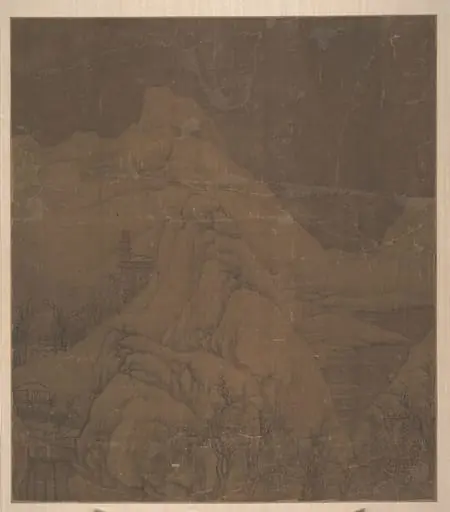
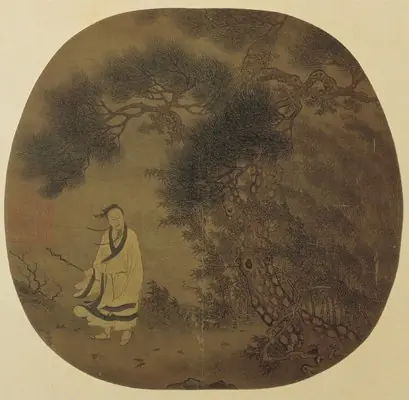
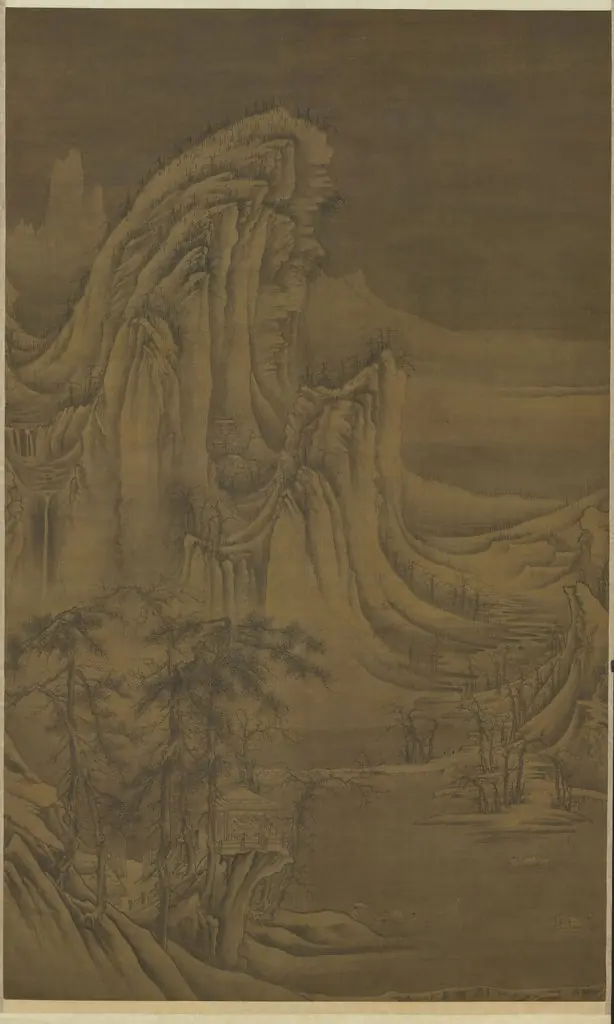
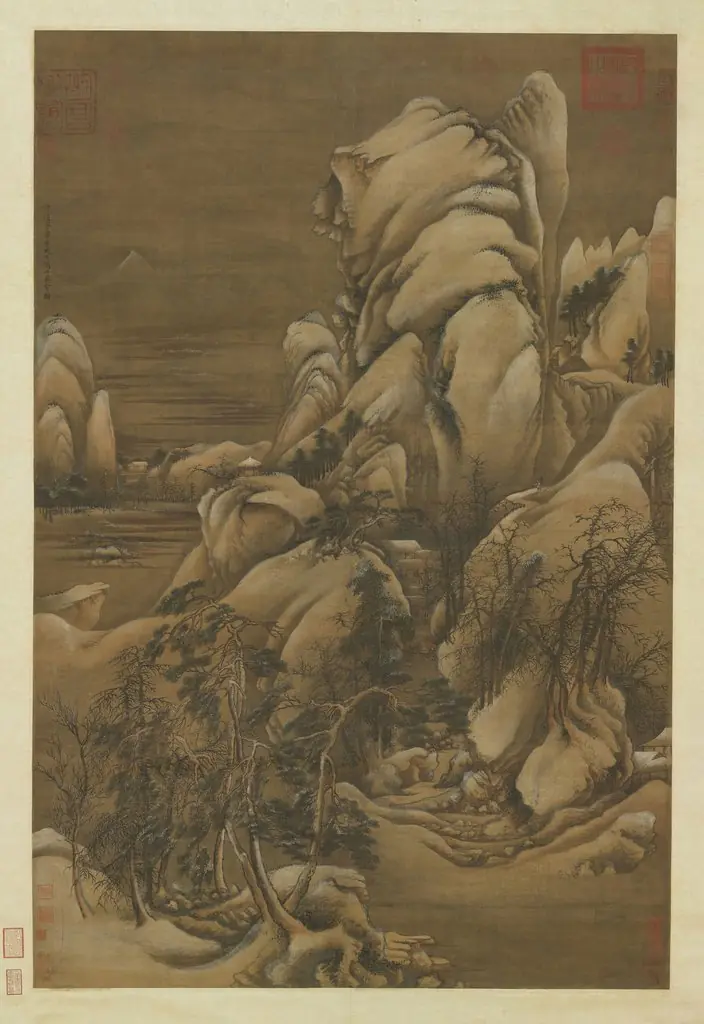
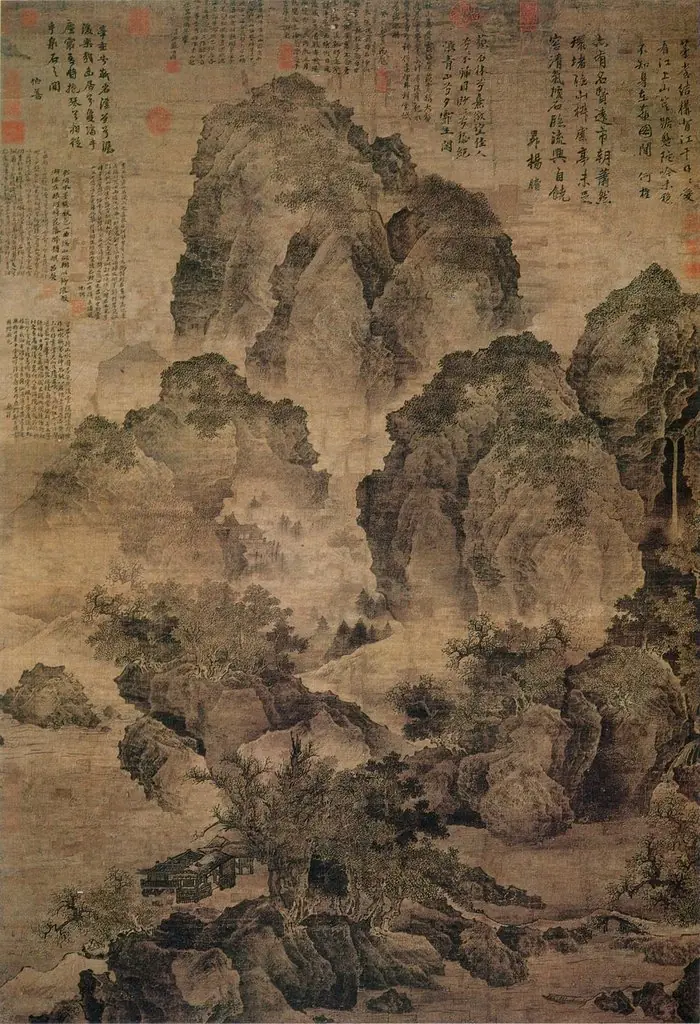
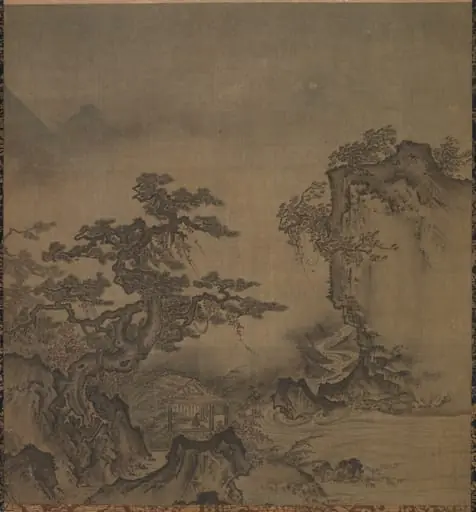
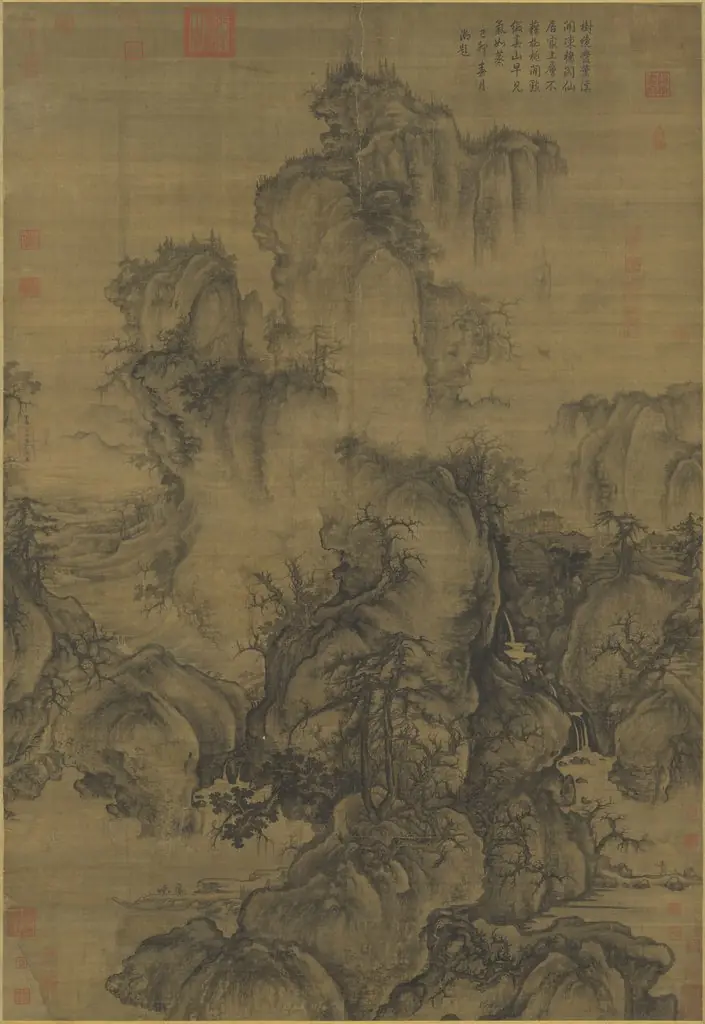
Painted around 1050 by Xu Daoning, this ink-on-silk landscape depicts a solitary fisherman on a frozen river amid winter mountains. The work belongs to the Northern Song dynasty tradition of monumental landscape painting, emphasizing quietude and the human presence within vast natural settings. It is currently preserved in the collection of the National Palace Museum in Taipei.
Subject & Meaning
The lone fisherman, small against towering snow-laden cliffs, suggests themes of endurance and solitude. Rather than depicting action, the scene invites contemplation of human resilience in harmony with nature’s stillness. The absence of other figures reinforces a meditative tone, aligning with Daoist and Chan Buddhist ideals of withdrawal and quiet observation.
Technique & Style
The composition follows the vertical format typical of Northern Song landscapes, with a balanced hierarchy between sky, land, and water.
Xu Daoning employs fine ink lines to define rugged mountain contours, layered washes to suggest snow-covered surfaces, and minimal brushwork to render the fisherman and his boat. The composition follows the vertical format typical of Northern Song landscapes, with a balanced hierarchy between sky, land, and water. Texture is achieved through dry brush strokes, enhancing the chill and stillness of the scene.
History & Provenance
The painting was likely created during Xu Daoning’s active years in the mid-eleventh century and entered imperial collections by the Yuan dynasty. It passed through successive dynastic holdings before being moved to Taiwan with the National Palace Museum’s collection in the mid-twentieth century. Its continuous preservation reflects its recognized status within the canon of Chinese ink painting.
Context
Created during a period when court painters emphasized idealized nature as a moral mirror, this work reflects the scholarly preference for landscapes that evoke inner stillness. Xu Daoning, though less documented than contemporaries like Fan Kuan, contributed to a tradition where nature’s grandeur framed human humility. The painting aligns with broader Song-era aesthetic values prioritizing restraint and atmospheric depth.
Legacy
Fisherman on a Snowy River remains a key example of Northern Song landscape painting, studied for its compositional discipline and emotional restraint. Later artists and critics referenced its balance of scale and silence as a model for conveying spiritual depth without narrative. Its preservation has allowed generations to engage with the quiet power of ink-wash traditions in Chinese art.
Own this work as a print
Artist & collection