Artwork
Album of Miscellaneous Subjects, Leaf 2
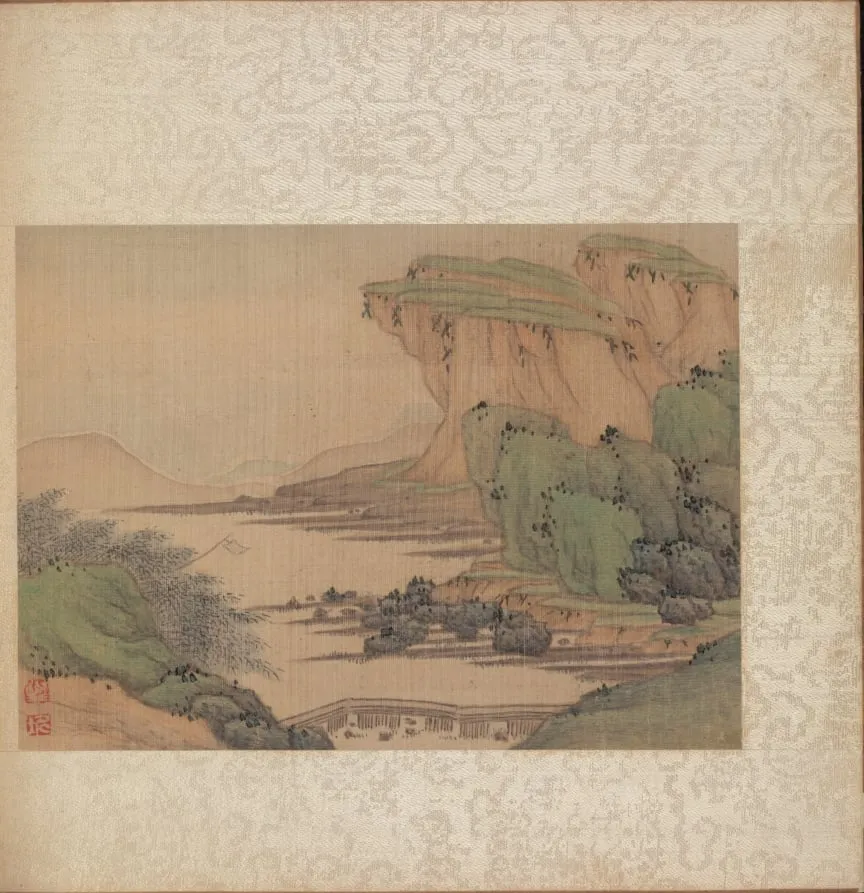
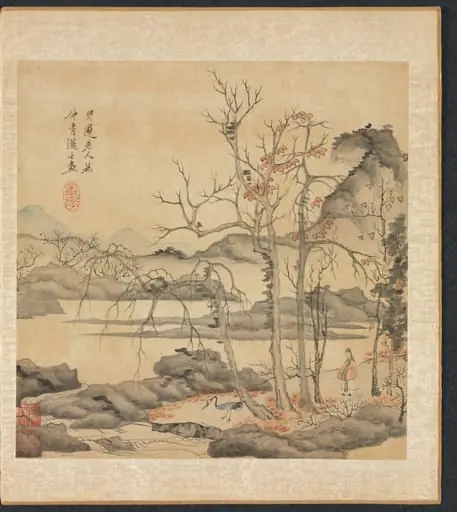
Album of Miscellaneous Subjects, Leaf 2 is an unspecified painting by the Baroque artist Fan Qi. It dates from 1654 and is held in the collection of the Cleveland Museum of Art.
About this work
Overview
This leaf from Fan Qi’s album presents a landscape scene drawn from classical Chinese poetic tradition. Executed in ink and color on paper, it forms part of a curated series where each image responds to literary themes. The composition balances natural elements with human presence, reflecting the scholarly ideal of integrating poetry and painting into a unified aesthetic experience.
Subject & Meaning
The scene alludes to Du Mu’s verse about a herdsboy pointing toward a distant apricot village, evoking rural tranquility and the search for refuge.
The scene alludes to Du Mu’s verse about a herdsboy pointing toward a distant apricot village, evoking rural tranquility and the search for refuge. Han Tan’s accompanying colophon expands the imagery, describing red cliffs like carved lotus blossoms and a wine shop nestled in bamboo. Together, text and image suggest a journey through nature, where solitude and simple pleasures—like wine under trees—offer spiritual respite.
Technique & Style
Fan Qi employs delicate ink washes and restrained color to render the cliffs, bridge, and grove with atmospheric depth. The brushwork is precise yet fluid, capturing texture without excess detail. The composition follows the vertical album format, guiding the viewer’s eye upward through layered terrain. Calligraphy and image are deliberately paired, reinforcing the literati tradition where writing and painting are inseparable expressions of thought.
History & Provenance
The album was likely compiled in the late Ming or early Qing period, a time when scholar-artists revived classical poetry as inspiration for visual art. Fan Qi’s work was collected by connoisseurs who valued such albums for their intimate scale and intellectual depth. Han Tan’s colophon, written opposite the painting, indicates the piece was circulated among literati circles, where poetic exchange and artistic commentary were central practices.
Context
This painting belongs to a broader tradition of album leaves created by scholar-officials who saw art as an extension of literary cultivation. Unlike public murals or court commissions, these small-format works were meant for private contemplation. The fusion of Du Mu’s Tang-era verse with Ming-era painting reflects a deliberate engagement with cultural memory, where past poetry informed present artistic choices.
Legacy
Albums like this one influenced later generations of painters who sought to merge literary allusion with visual subtlety. They became models for how art could convey complex emotion without narrative explicitness. The pairing of image and calligraphy set a standard for scholarly painting, preserving a mode of expression that valued restraint, allusion, and the quiet resonance of nature over grandeur.
Artist & collection


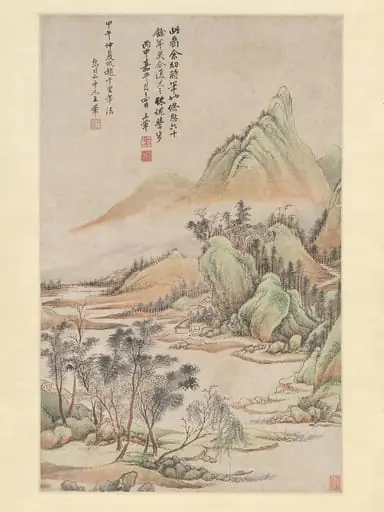
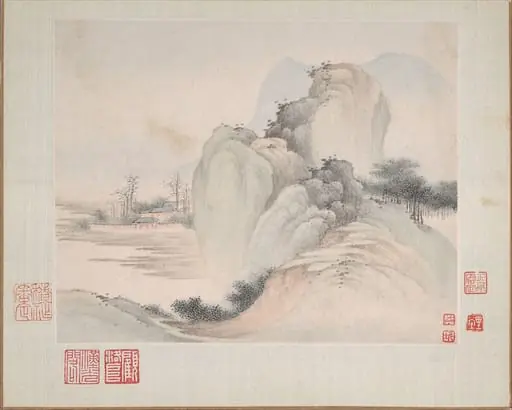 清 樊圻 為玉翁作山水圖 冊|Landscapes Painted for Yuweng
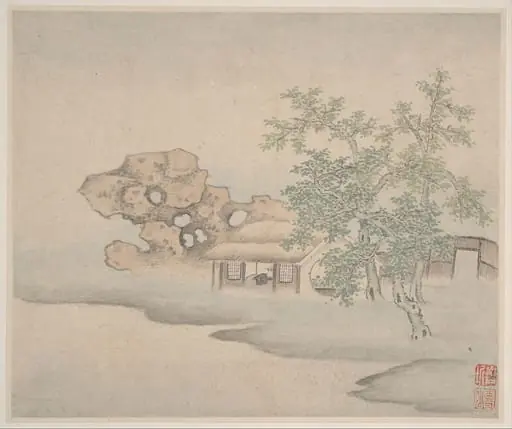 清 樊圻 山水圖 冊 紙本|Landscapes
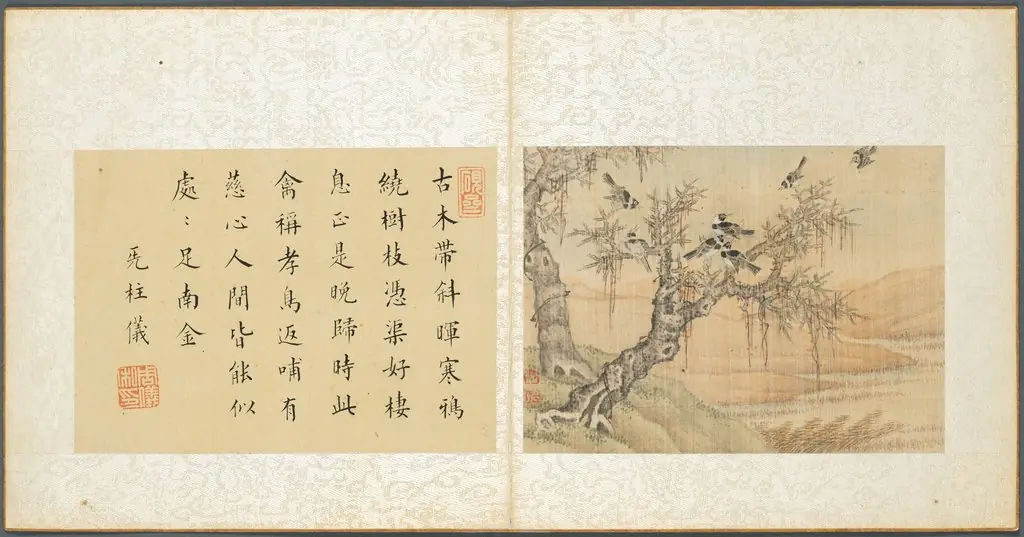 Album of Miscellaneous Subjects, Leaf 9
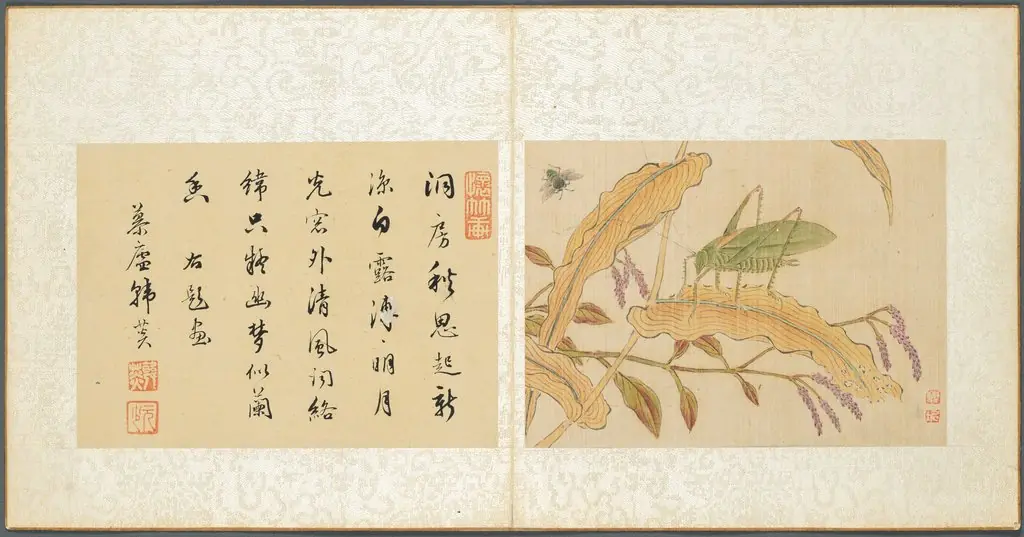 Album of Miscellaneous Subjects, Leaf 7
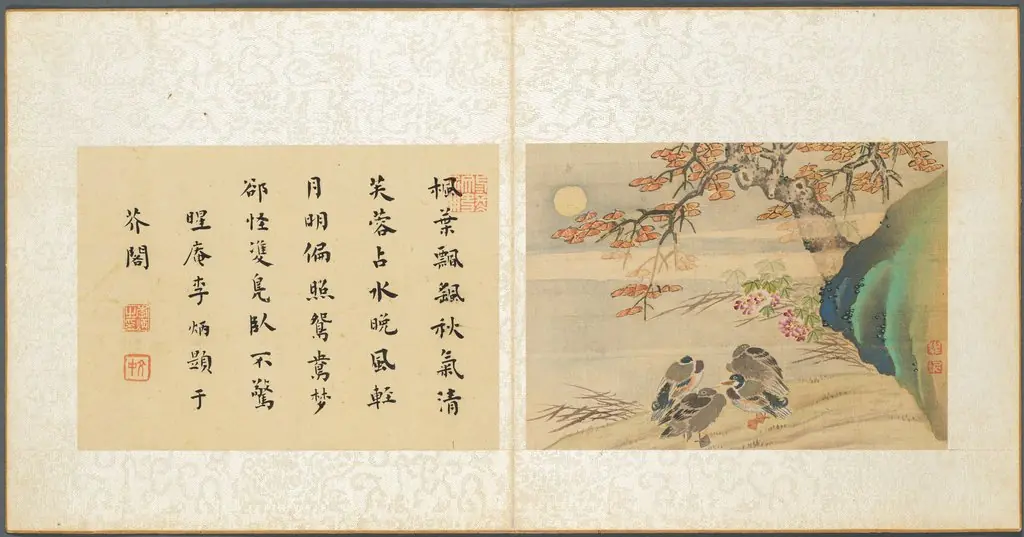 Album of Miscellaneous Subjects, Leaf 8
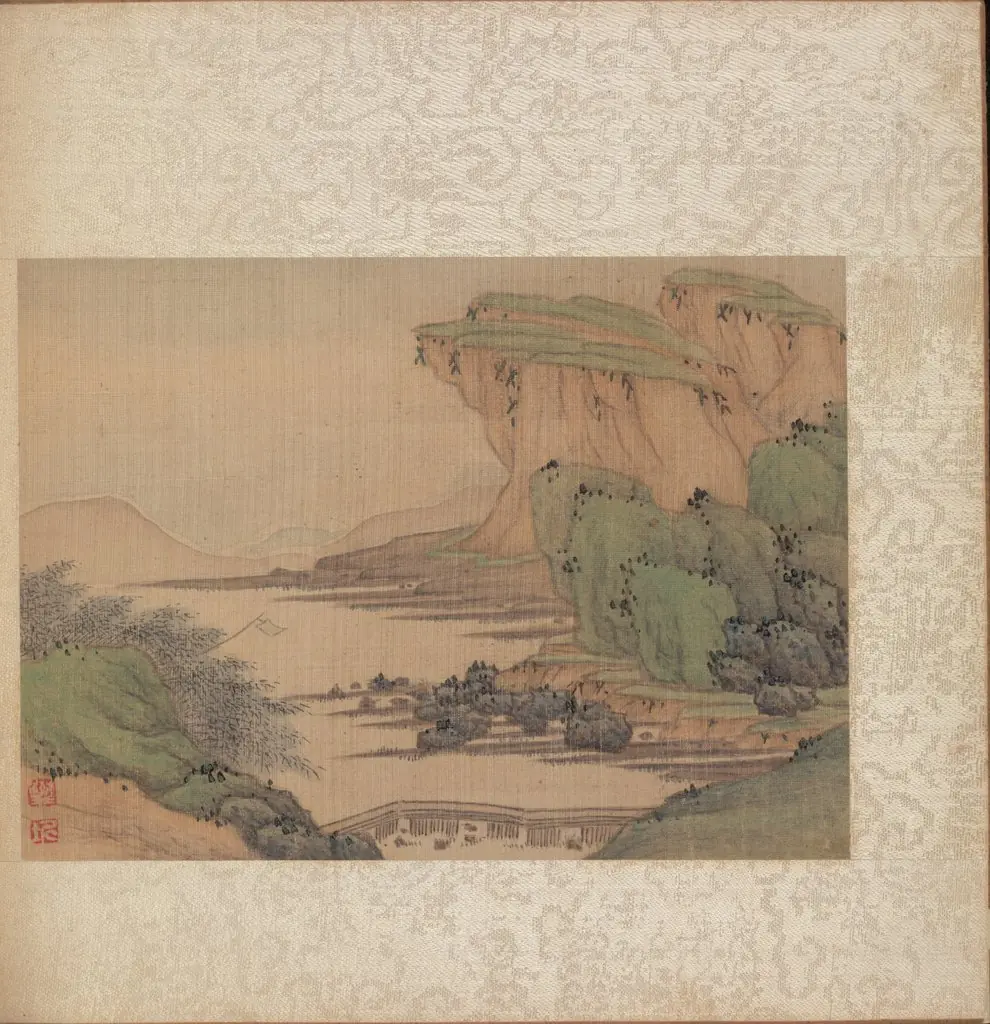 Album of Miscellaneous Subjects, Leaf 2
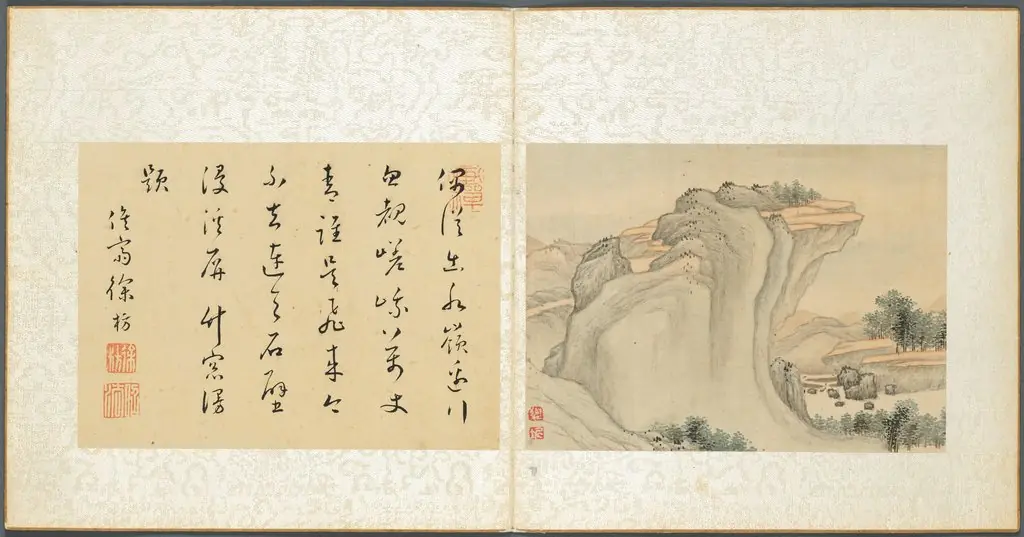 Album of Miscellaneous Subjects, Leaf 4
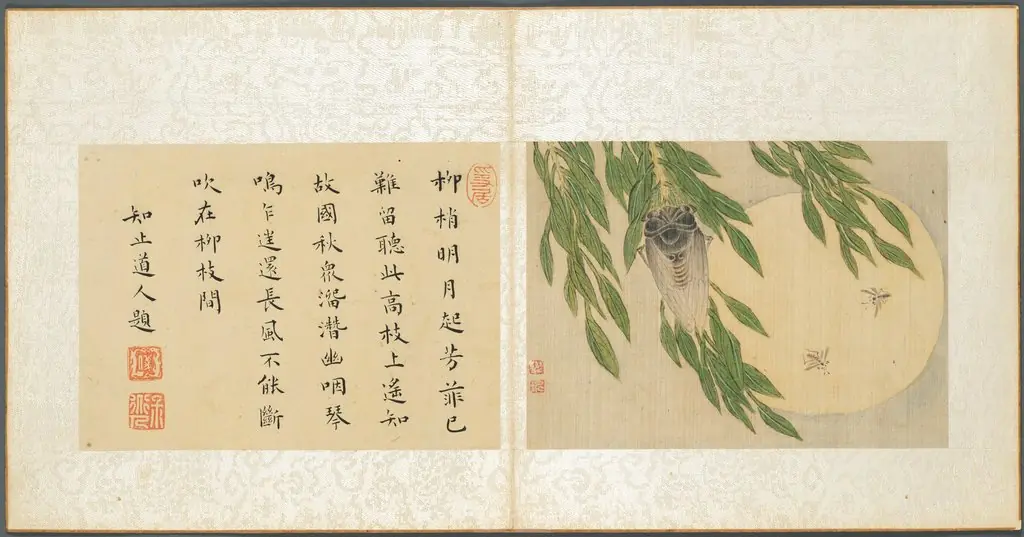 Album of Miscellaneous Subjects, Leaf 6