Artwork
The Haven of the Peach-Blossom Spring
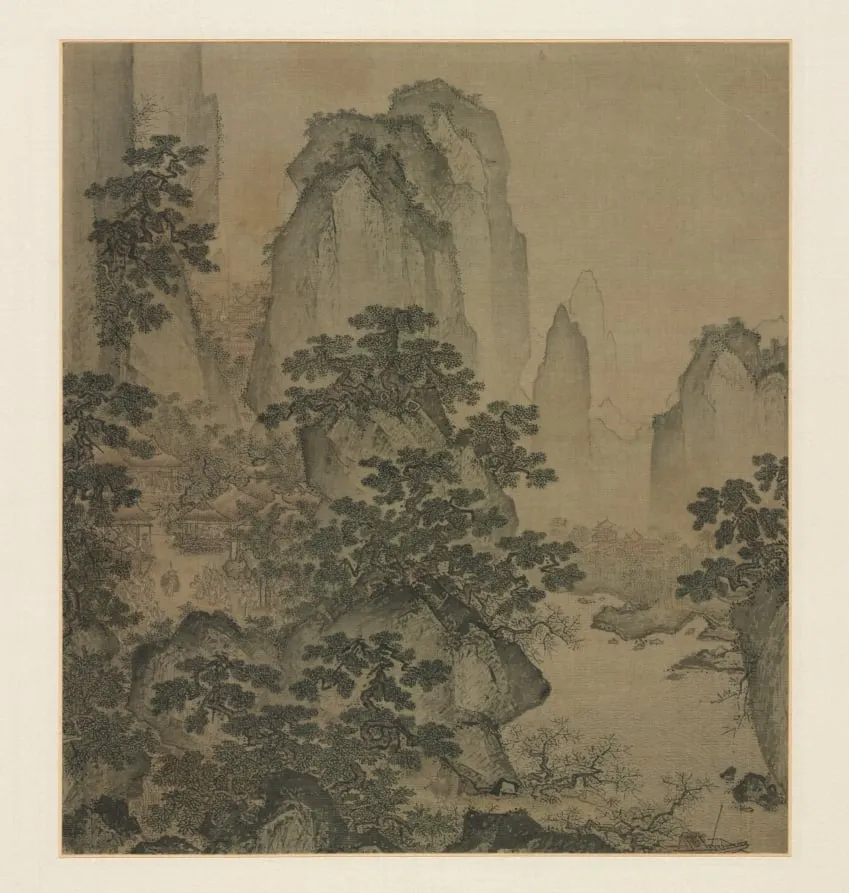
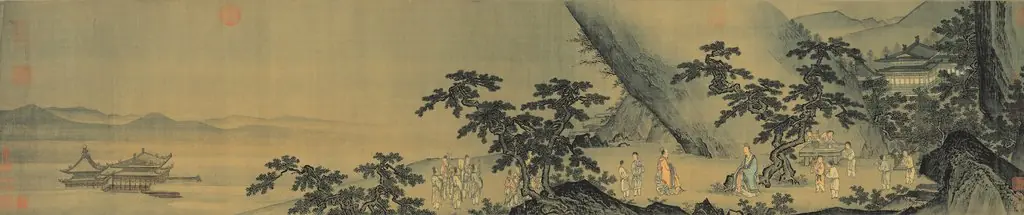
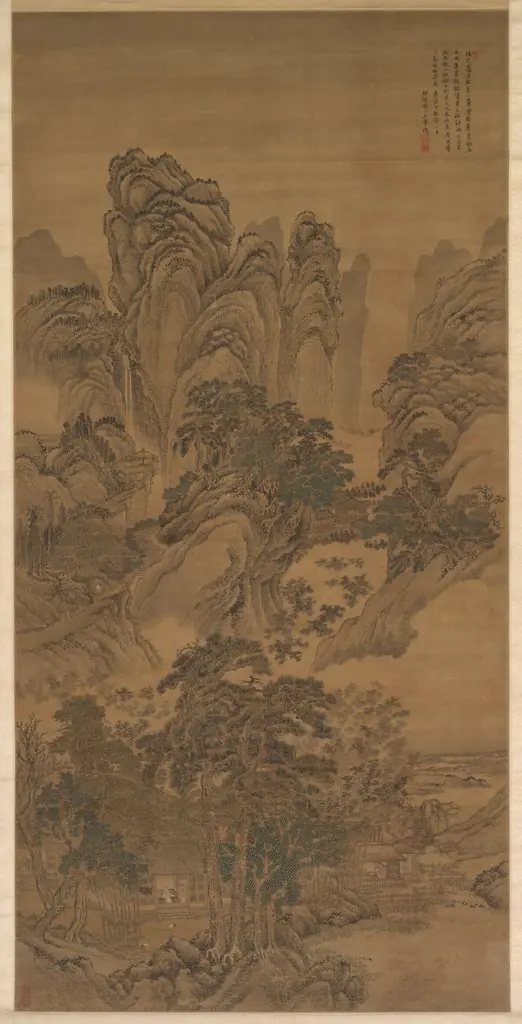
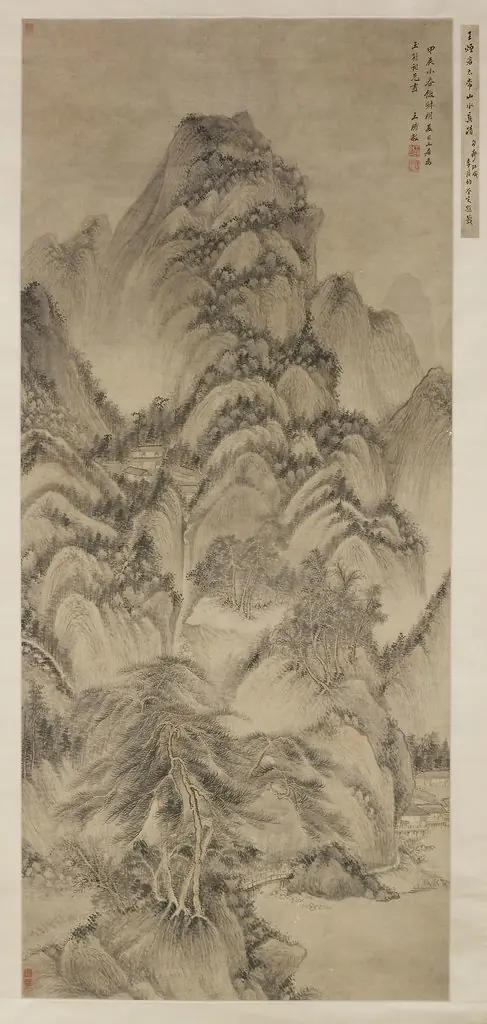
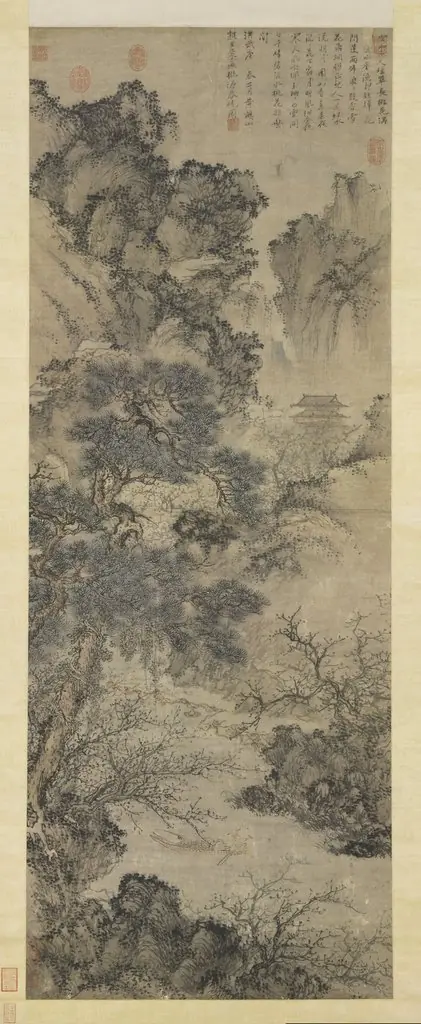
The Haven of the Peach-Blossom Spring is an unspecified painting by the Ming dynasty painting artist Shi Rui. It dates from 1404 and is held in the collection of the Cleveland Museum of Art. This small painting depicts a serene landscape inspired by a famous Chinese tale.
About this work
The artist never signed it, but the way the cliffs and figures are drawn—light and full of movement—matches other works by Shi Rui.
You see a tiny village tucked between jagged cliffs and peach trees in full bloom. A fisherman in a small boat glides toward a hidden cave, the only way in.
This painting illustrates an old Chinese story about a perfect, hidden world. The artist never signed it, but the way the cliffs and figures are drawn—light and full of movement—matches other works by Shi Rui. The scene feels quiet, like a secret you just discovered.
If you like this, look up *china, ming dynasty (1368–1644)* to see more landscapes from the same time.
Overview
This small painting depicts a serene landscape inspired by a famous Chinese tale. It shows a secluded village nestled between rugged cliffs and blooming peach trees, with a fisherman approaching a hidden cave.
Subject & Meaning
The painting illustrates the 'Peach Blossom Spring,' a story by Tao Yuanming about a fisherman who stumbles upon a utopian village, isolated from the troubles of the outside world. The scene embodies a tranquil, idyllic world.
Technique & Style
Attributed to Shi Rui, the painting features dynamic landscapes and effortlessly rendered figures, showcasing the artist's skill. The style is characterized by light, fluid brushwork and a sense of movement.
Context
The work is associated with the Ming dynasty (1368–1644), a period known for its landscape paintings. It reflects the artistic traditions and themes of that era.
Artist & collection
Artist
Shi Rui, courtesy name also Shi Rui, was a Chinese landscape and building painter in the early Ming dynasty.