Artwork
A Crystal Fruit Stand with Peaches, Quinces, and Jasmine Flowers
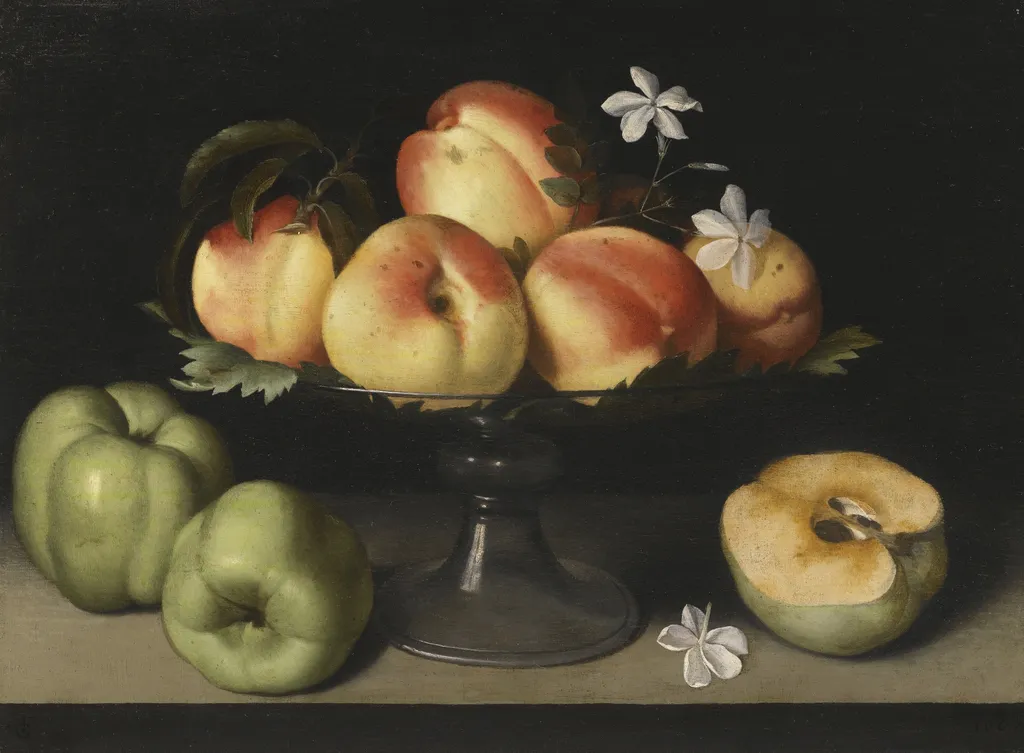
A Crystal Fruit Stand with Peaches, Quinces, and Jasmine Flowers is an oil painting by the Early Baroque Italian artist Fede Galizia. It dates from 1607 and is held in the collection of the Montreal Museum of Fine Arts.
About this work
Overview
Painted in 1607 by Fede Galizia, this oil on canvas still life presents a crystal fruit stand laden with peaches, quinces, and jasmine blossoms.
Painted in 1607 by Fede Galizia, this oil on canvas still life presents a crystal fruit stand laden with peaches, quinces, and jasmine blossoms. Galizia, among the first Italian women to gain recognition for still-life painting, rendered the scene with quiet precision. The composition is restrained yet rich in detail, emphasizing texture and light rather than theatricality. The work resides in the Montreal Museum of Fine Arts, where it stands as an early example of secular still life in early Baroque Italy.
Subject & Meaning
The arrangement includes ripe peaches, firm quinces, and delicate jasmine flowers, each chosen for their sensory qualities—sweetness, fragrance, and transience. The halved peach and scattered blossoms suggest impermanence, a subtle reference to the fleeting nature of beauty and life. The crystal stand, transparent and refined, elevates the ordinary into a contemplative object. No symbolic narrative is overt; meaning arises from the quiet dignity of the objects themselves.
Technique & Style
Galizia employed fine brushwork to capture the sheen of crystal, the fuzz of peaches, and the thin petals of jasmine. Chiaroscuro is used sparingly but effectively to model forms and create spatial depth, without dramatic contrast. The palette is muted, dominated by soft pinks, pale yellows, and greens, enhancing the naturalism of the scene. The composition is balanced yet informal, avoiding symmetry in favor of organic arrangement.
History & Provenance
Created during Galizia’s mature period in Milan, the painting reflects the growing interest in still life among northern Italian artists. It was likely commissioned by a private collector, as such works were popular in domestic settings. The painting entered the Montreal Museum of Fine Arts’ collection in the 20th century, having passed through private hands in Europe. Its attribution to Galizia has been consistently supported by stylistic analysis and historical records.
Context
In early 17th-century Italy, still life was emerging as an independent genre, distinct from religious or mythological subjects. Galizia’s work contributed to this shift, particularly as a woman artist navigating a male-dominated field. Her focus on humble, everyday objects aligned with a broader trend toward naturalism, influenced by Caravaggio’s realism but without his intensity. Her paintings offered a quiet alternative to grander Baroque narratives.
Legacy
Fede Galizia’s still lifes helped establish the genre in Italy and influenced later artists, including her contemporaries and successors in Lombardy. Her technical skill and attention to detail set a standard for female painters in a field where women were rarely acknowledged. Today, her work is studied for its early contribution to secular art and for the quiet authority with which it presents the natural world.
Own this work as a print
Artist & collection
Artist
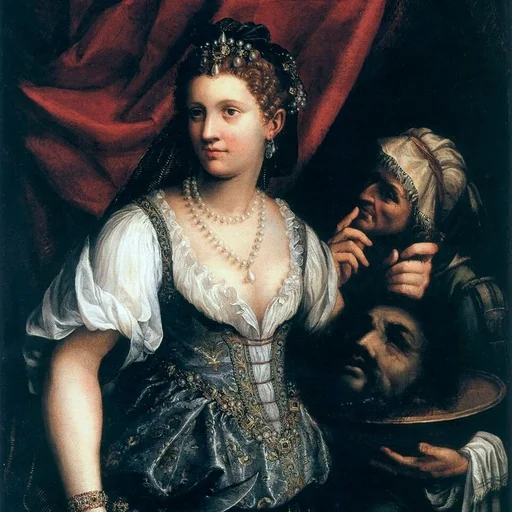
Fede Galizia (c. 1578 – c. 1630) was an Italian painter of still-lifes, portraits, and religious pictures. She is especially noted as a painter of still-lifes of fruit, a genre in which she was one of the earliest…

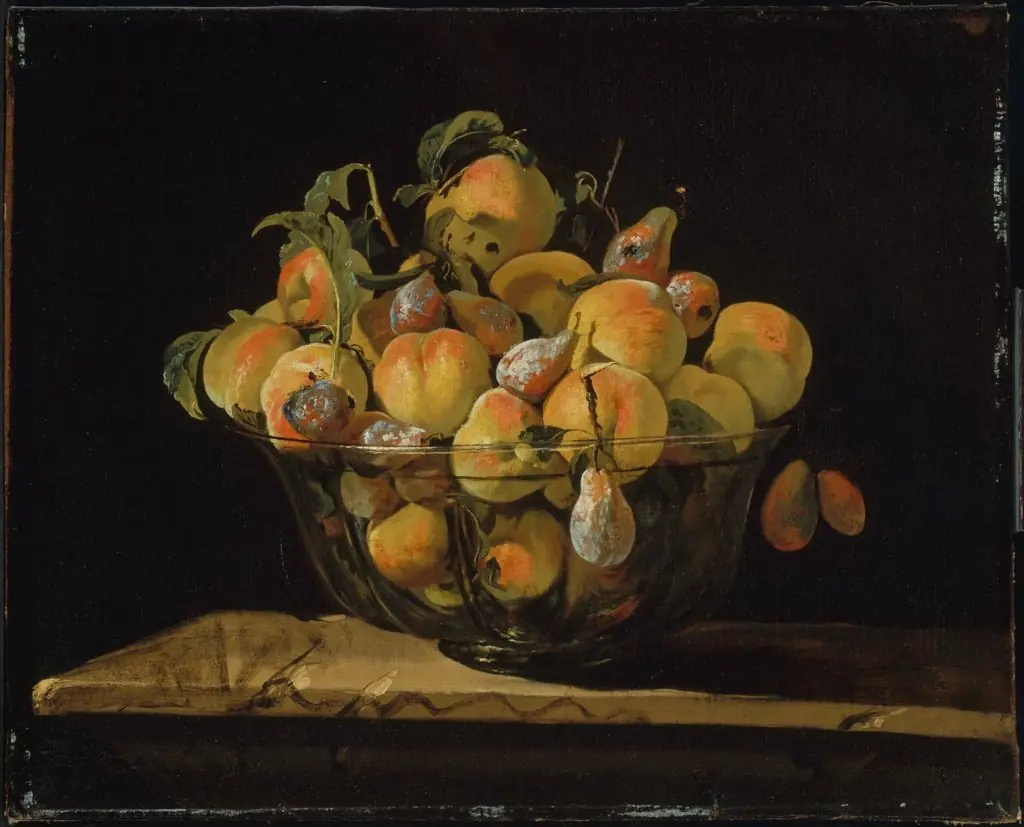 Peaches and Pears in a Glass Bowl
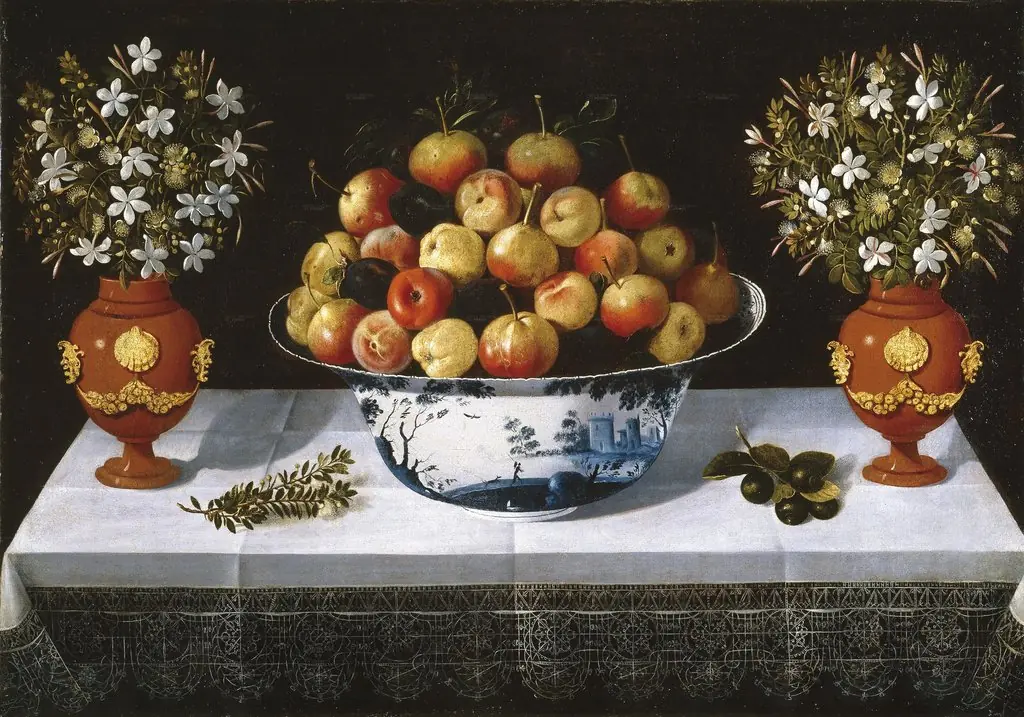 Delft Fruit Bowl and two Vases of Flowers
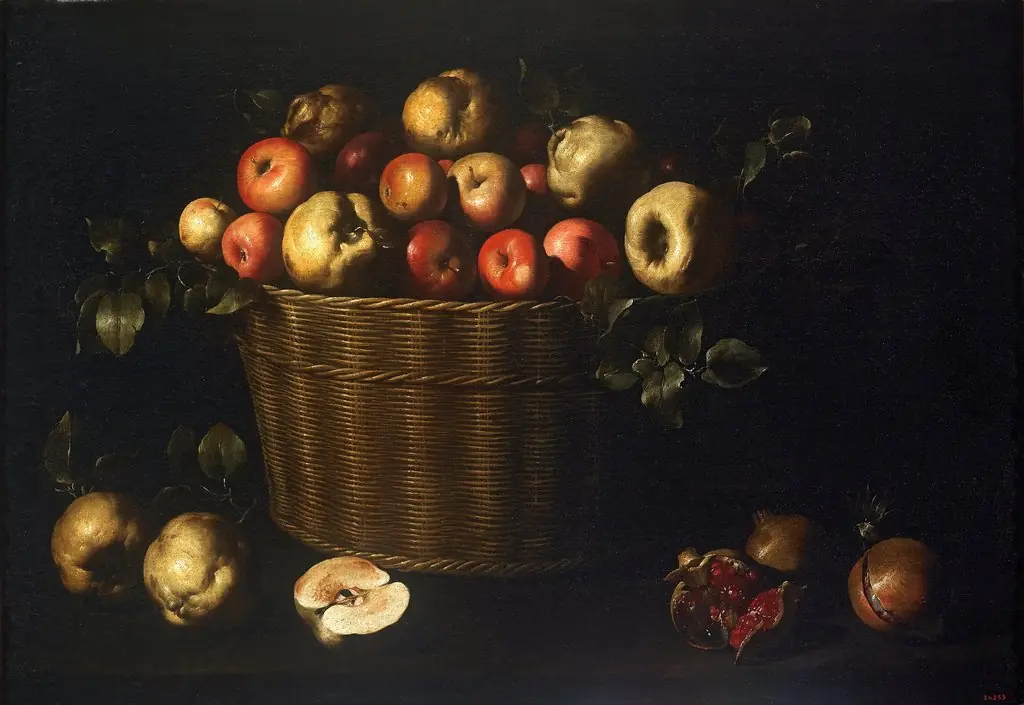 Basket with Apples, Quinces and Pomegranates
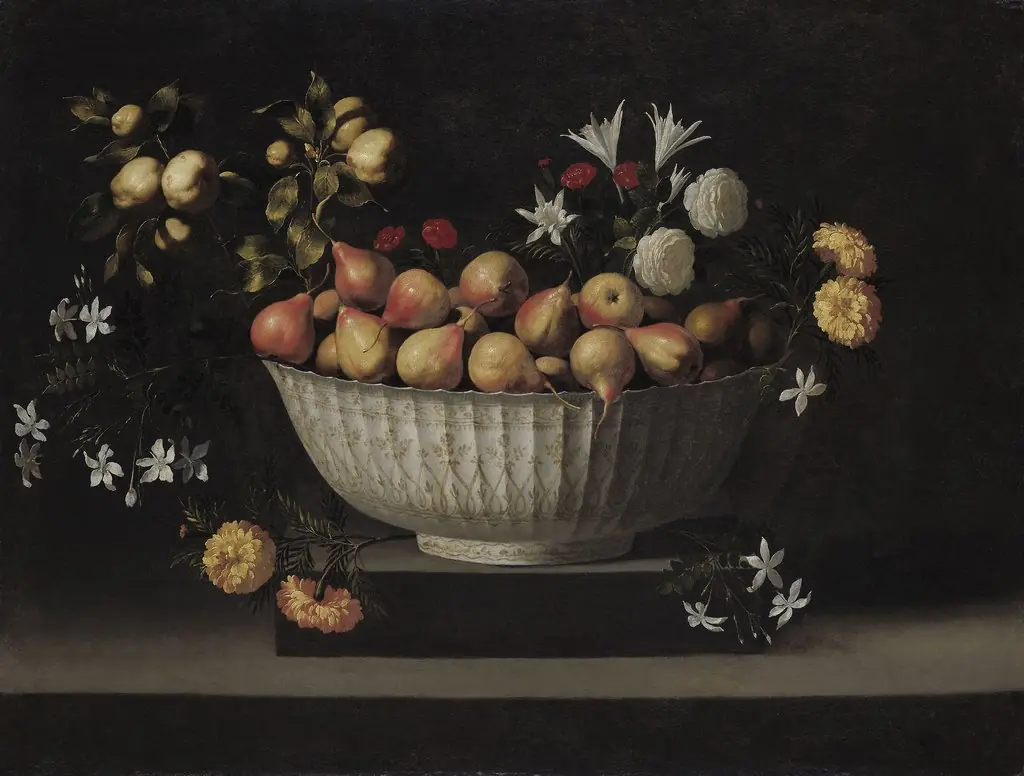 Flowers and Fruit in a China Bowl
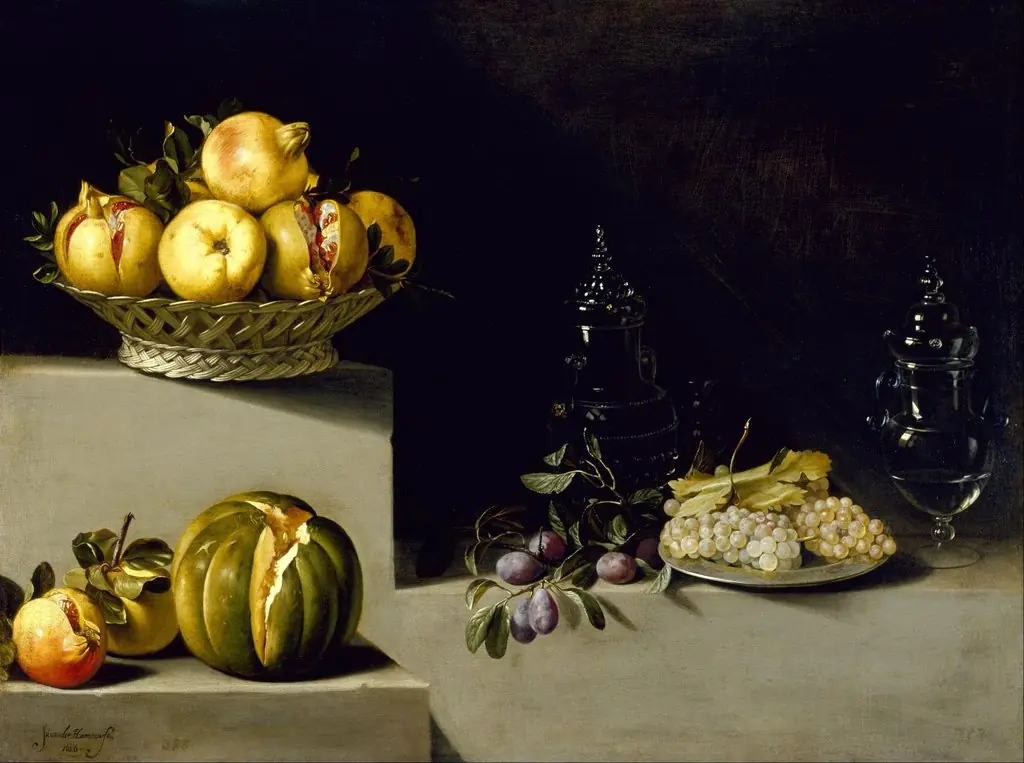 Still Life with Fruit and Glassware
 Flowers and Fruit in a Chinese Bowl
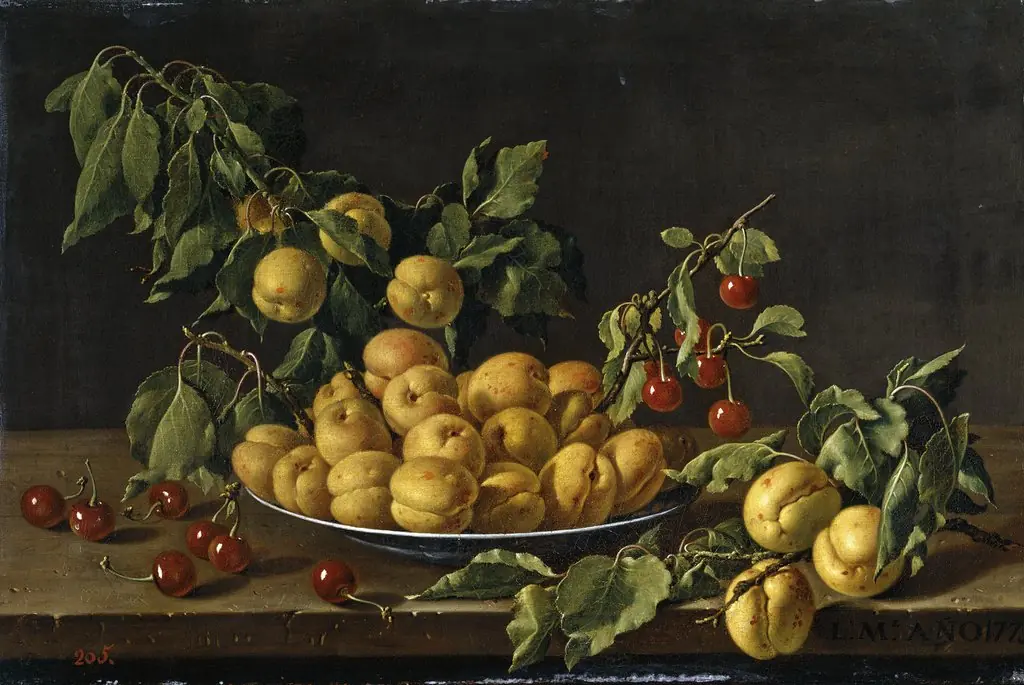 Still Life with Plate of Apricots and Morello Cherries
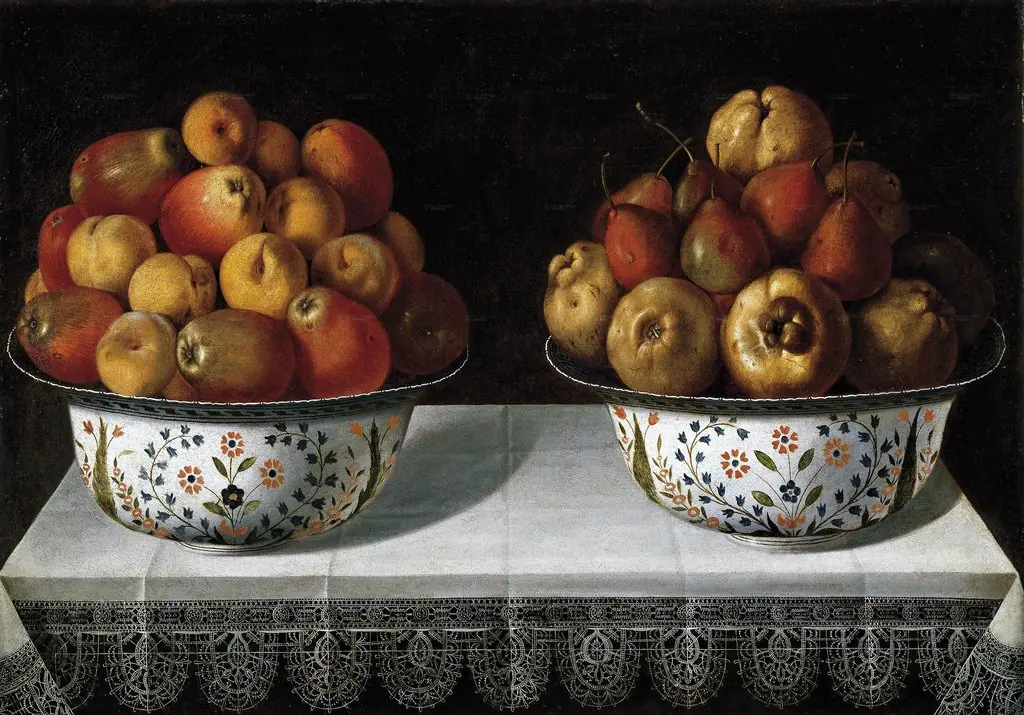 Two Fruit Bowls on a table
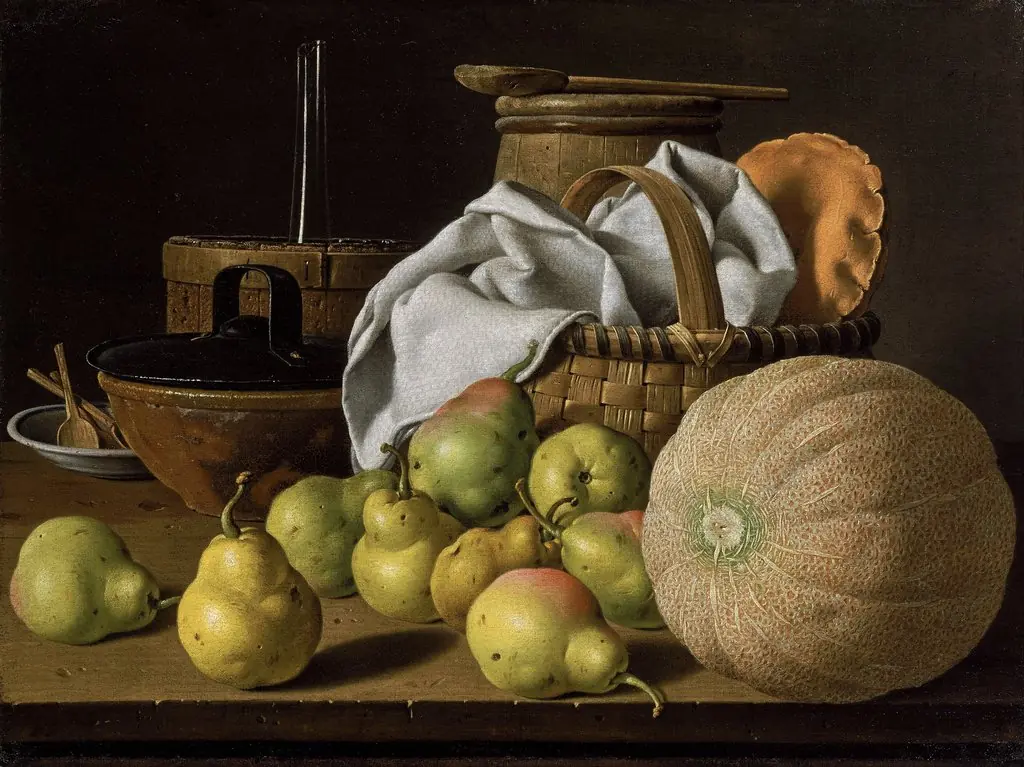 Still Life with Melon and Pears