Artwork
David's Dying Charge to Solomon
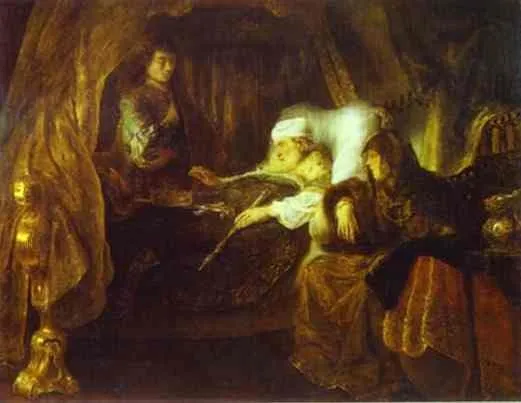
David's Dying Charge to Solomon is an oil painting by the Dutch Golden Age artist Ferdinand Bol. It dates from 1643 and is held in the collection of the National Gallery of Ireland.
About this work
Overview
Ferdinand Bol’s 1643 oil painting *David’s Dying Charge to Solomon* belongs to the Dutch Golden Age. Executed in the mature phase of Bol’s career, the work presents a solemn biblical episode rendered with the dramatic lighting typical of the period.
Subject & Meaning
The canvas portrays a regal figure, likely King David, reclining on a bed draped in white, his head wrapped in a cloth. Attendants gather around him, their gestures suggesting mourning and reverence, emphasizing the gravity of the king’s final counsel to his successor, Solomon.
Technique & Style
Bol employs chiaroscuro to heighten the emotional tenor, contrasting deep shadows with illuminated figures. The muted palette and careful modeling of fabrics convey a melancholic atmosphere, while the detailed rendering of clothing reflects the artist’s interest in elaborate attire.
History & Provenance
Created in 1643, the painting reflects Bol’s training under Rembrandt, whose influence is evident in the handling of light. It entered the collection of the National Gallery of Ireland, where it remains on display as part of the museum’s Dutch holdings.
Context
During the mid‑17th century, Dutch artists frequently turned to biblical narratives to explore moral and political themes. Bol’s choice of David’s farewell to Solomon aligns with contemporary interests in leadership, legacy, and the moral responsibilities of rulers.
Artist & collection
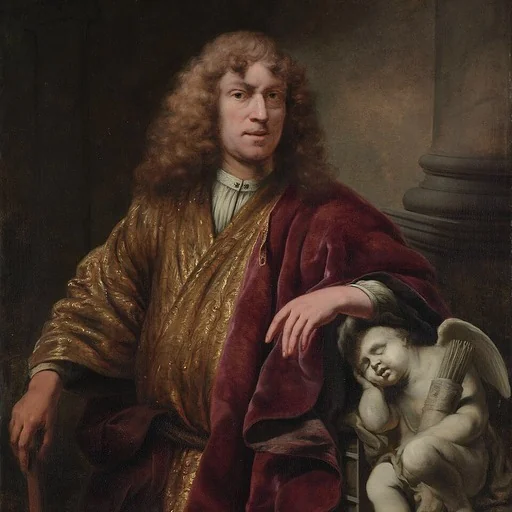
Artist
Ferdinand Bol (24 June 1616 - 24 August 1680) was a Dutch painter, etcher and draftsman.

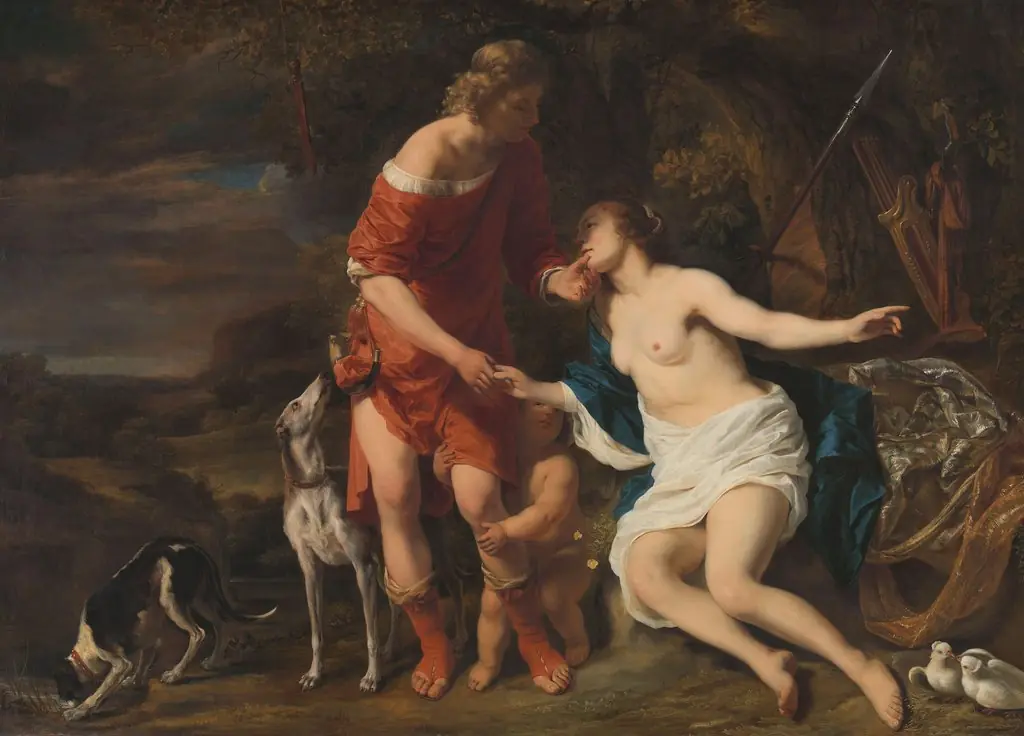 Venus and Adonis
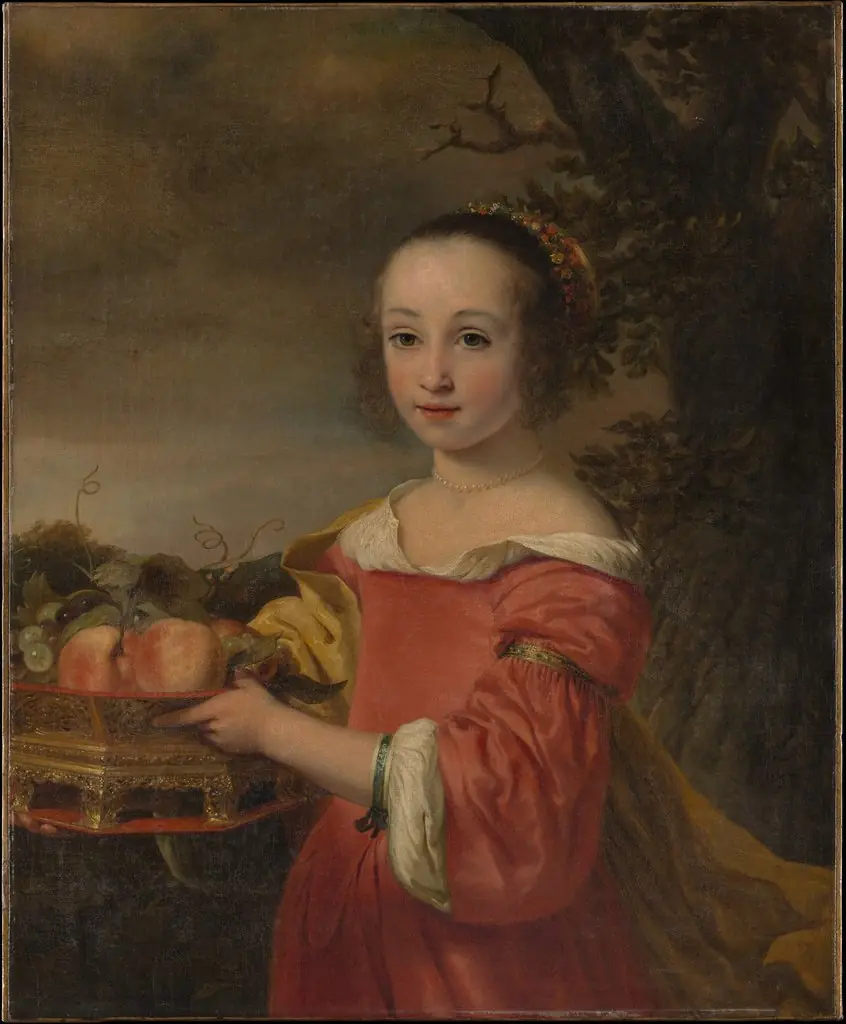 Petronella Elias (1648–1667) with a Basket of Fruit
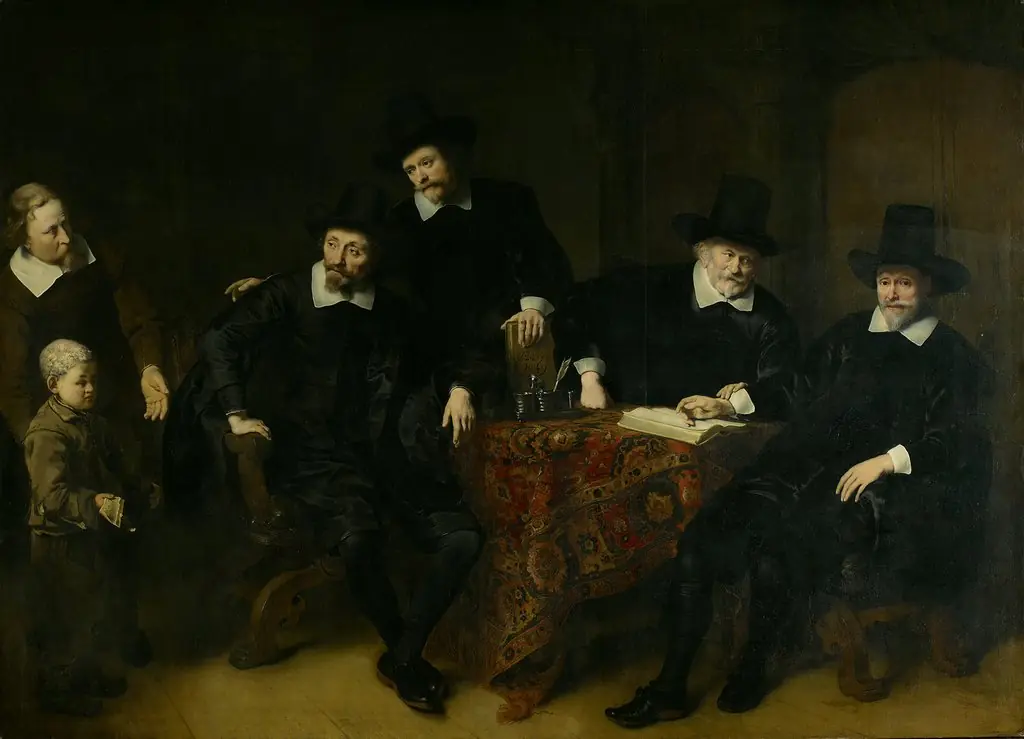 The Regents of the Leper's house in Amsterdam in 1649
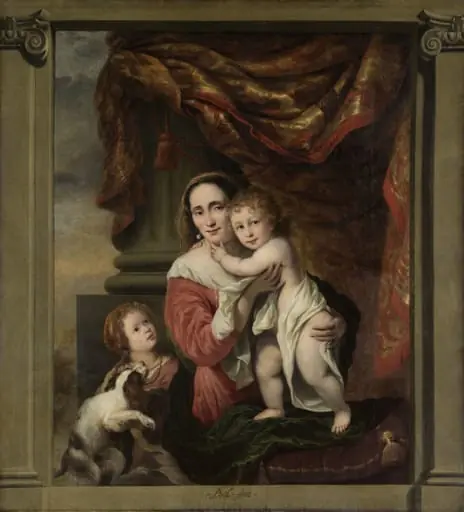 Caritas: Joanna de Geer (1629-1691) with her Children Cecilia Trip (1660-1728) and Laurens Trip (b. 1662)
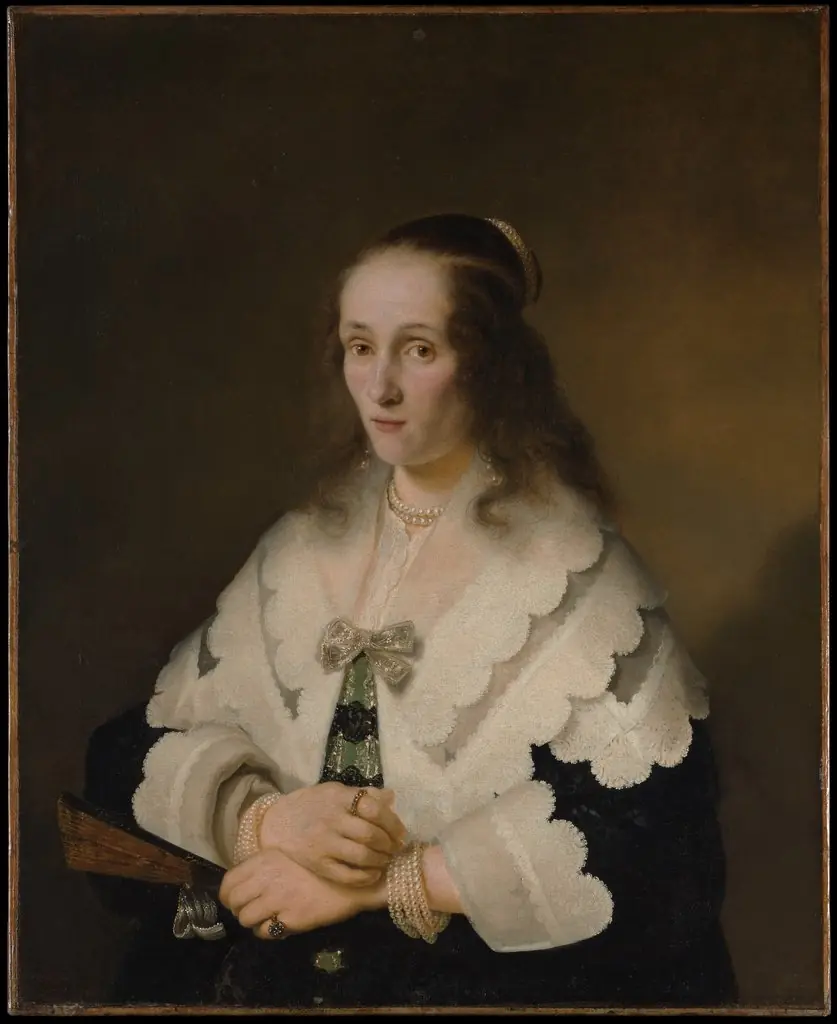 Portrait of a Woman
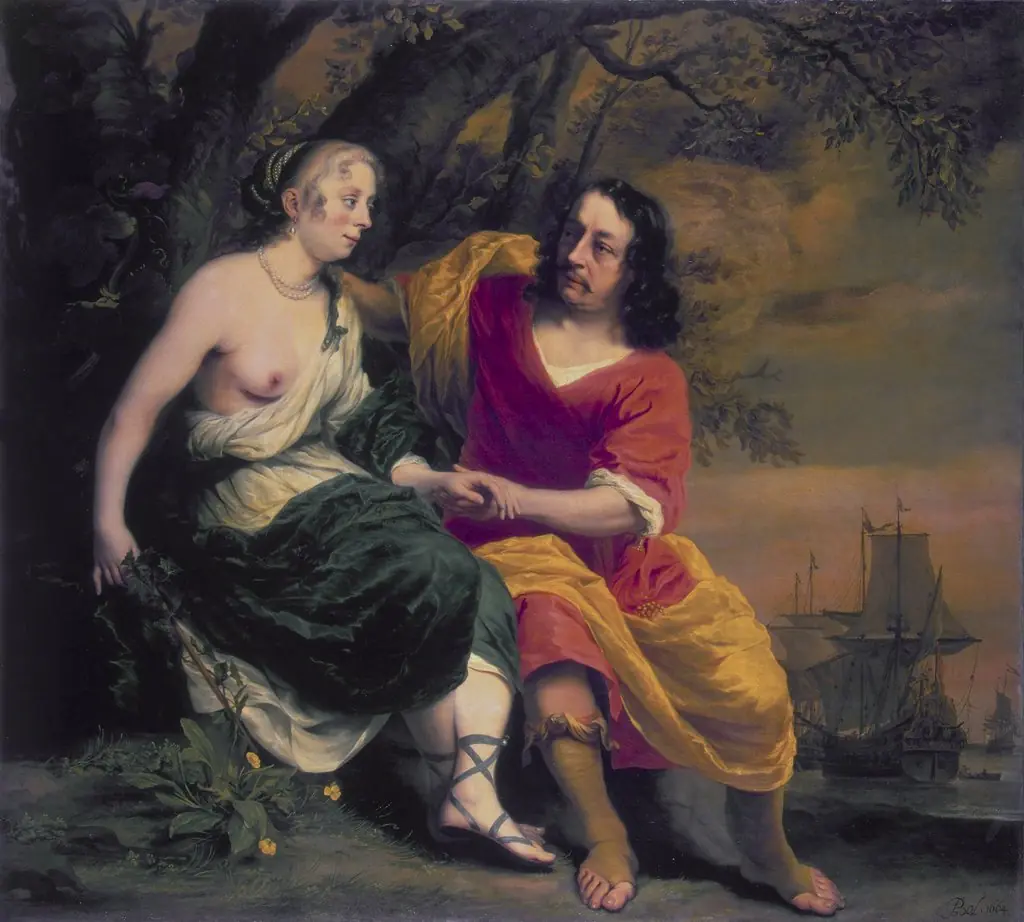 Bacchus and Ariadne
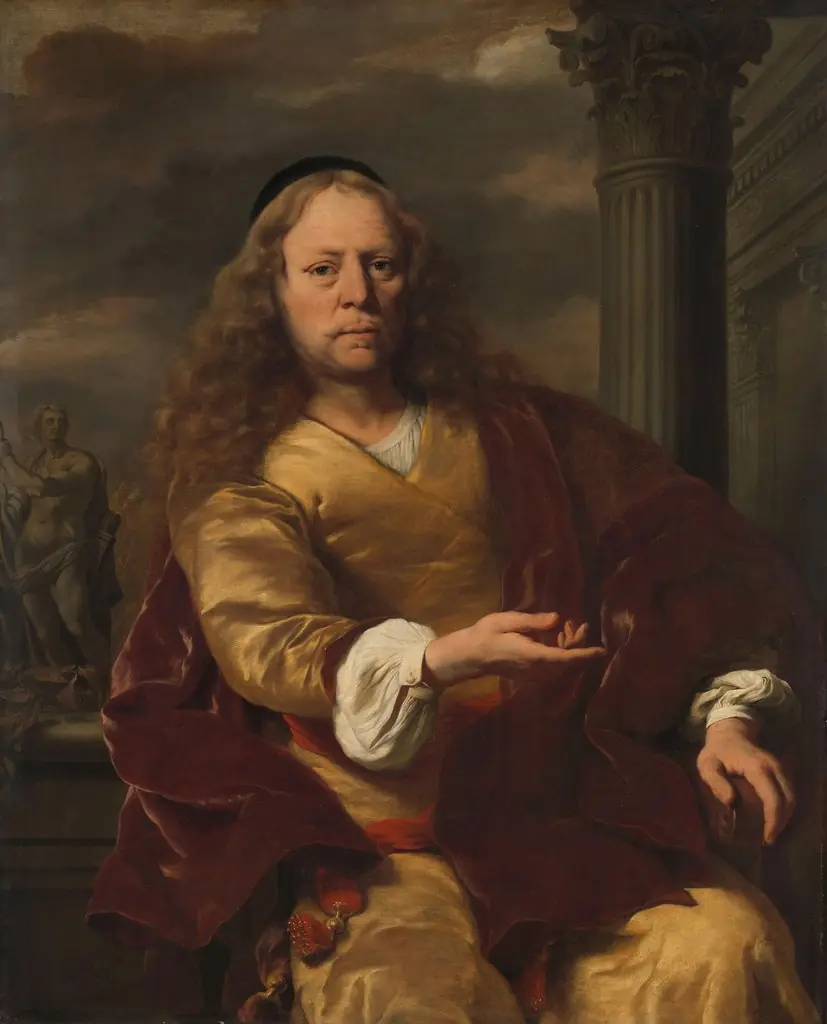 Portrait of a man
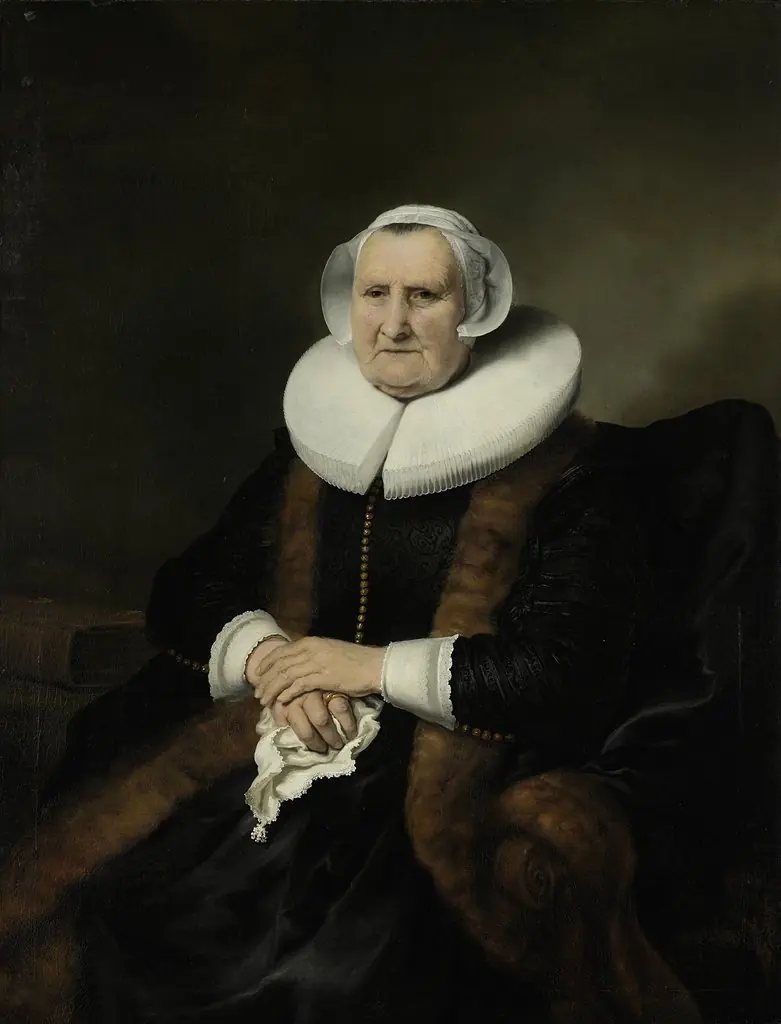 Portrait of an Old Lady, Possibly Elisabeth Bas
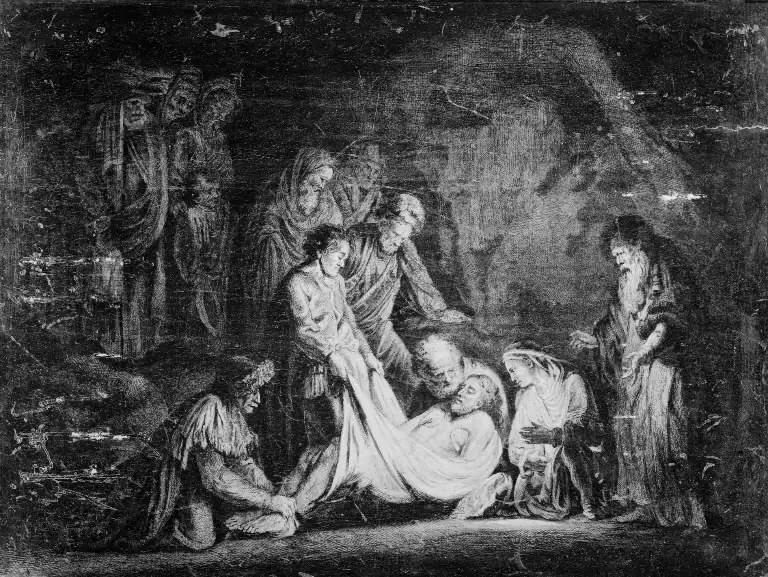 The Entombment of Christ
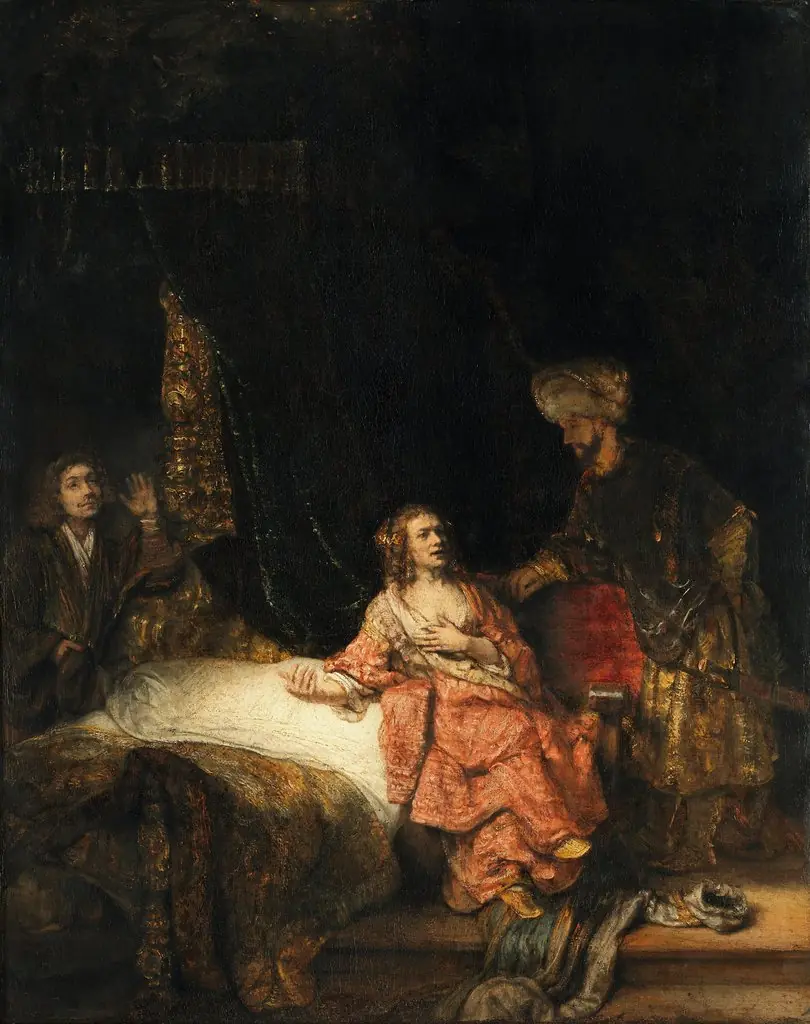 Joseph accused by Potiphar's wife
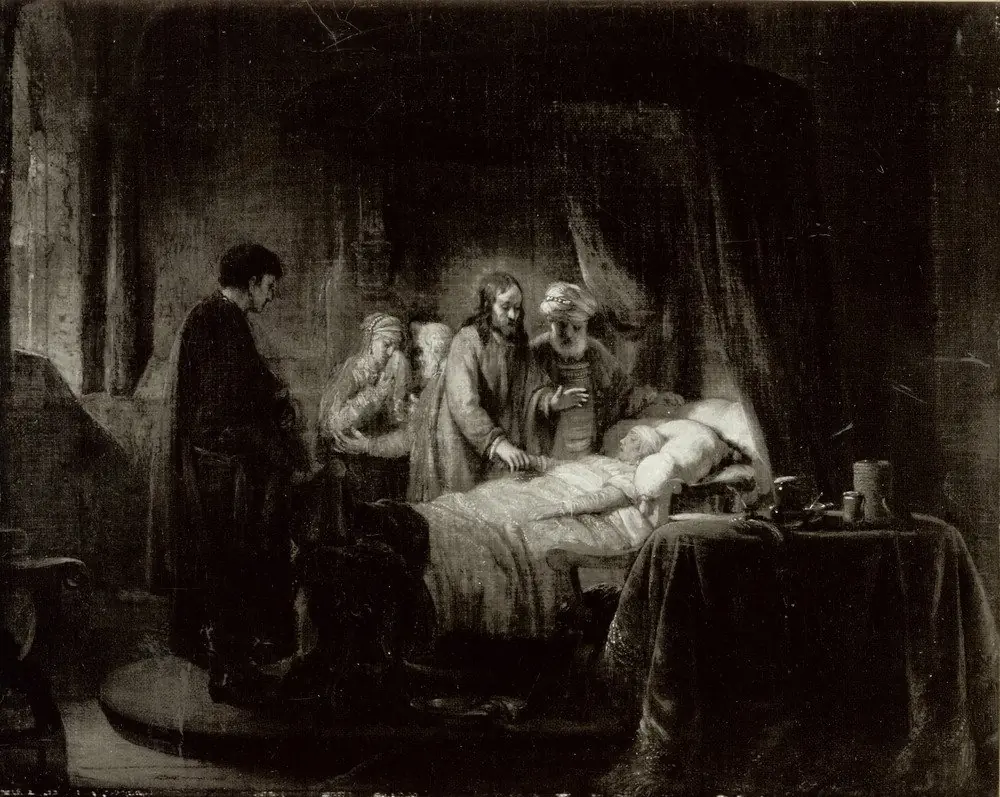 The raising of the daughter of Jairus
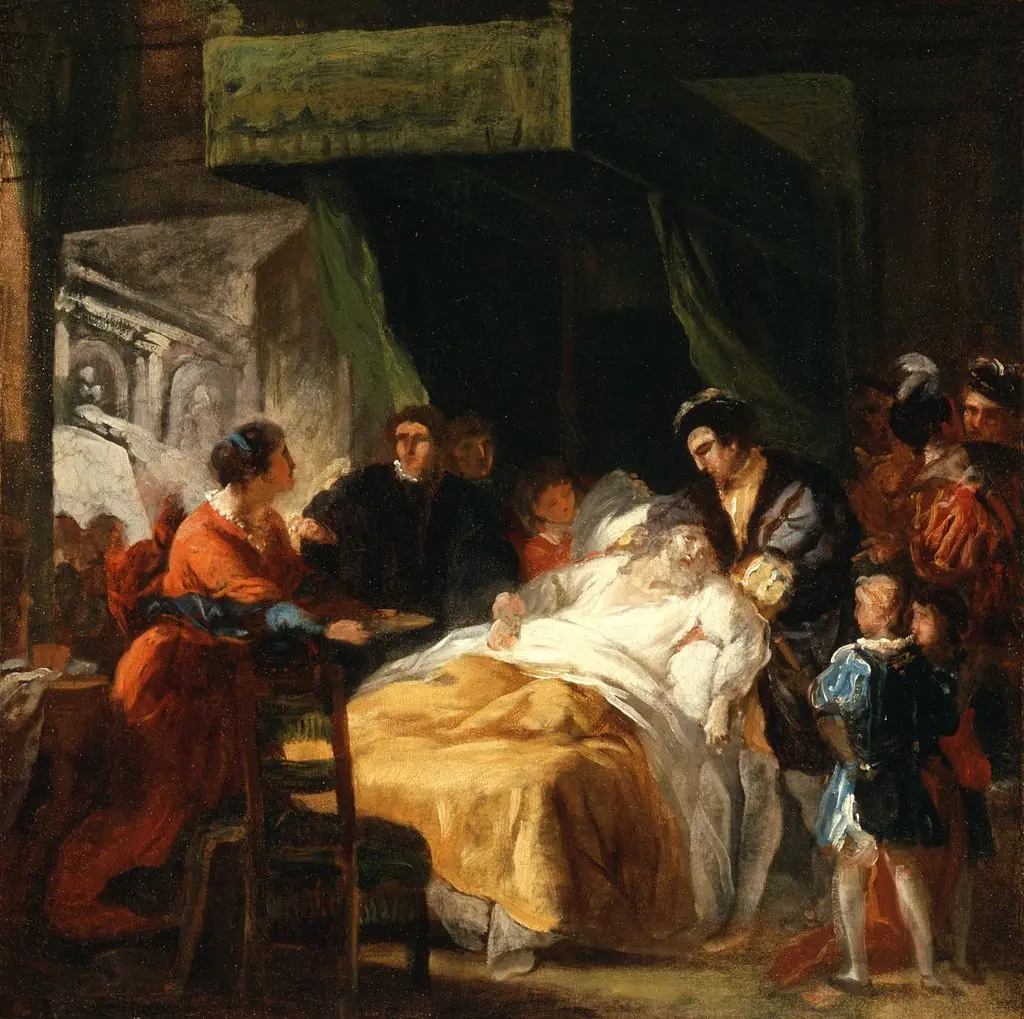 The Death of Leonardo da Vinci in the Arms of François I
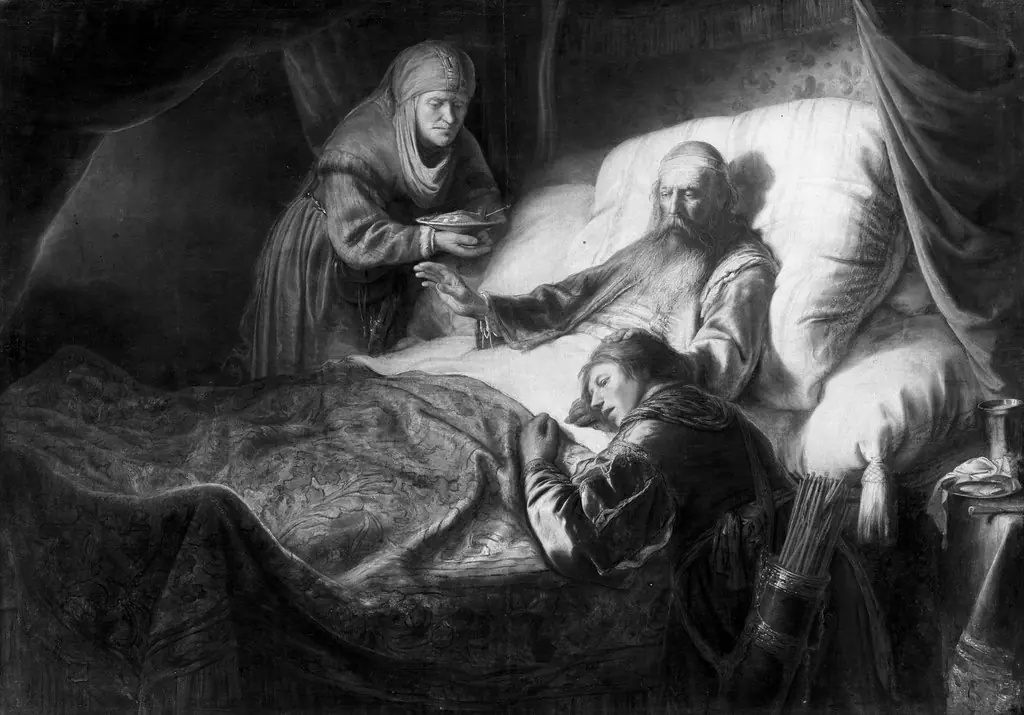 The blessing of Jacob
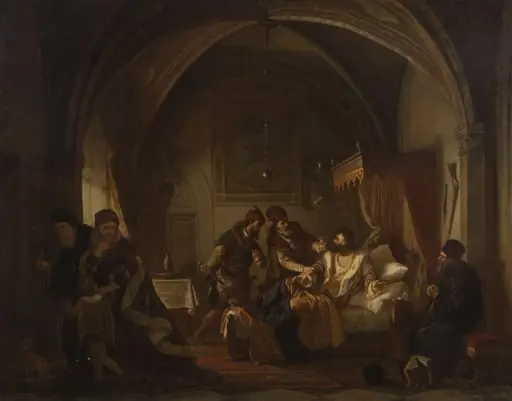 Moartea lui Alexandru Lăpușneanu
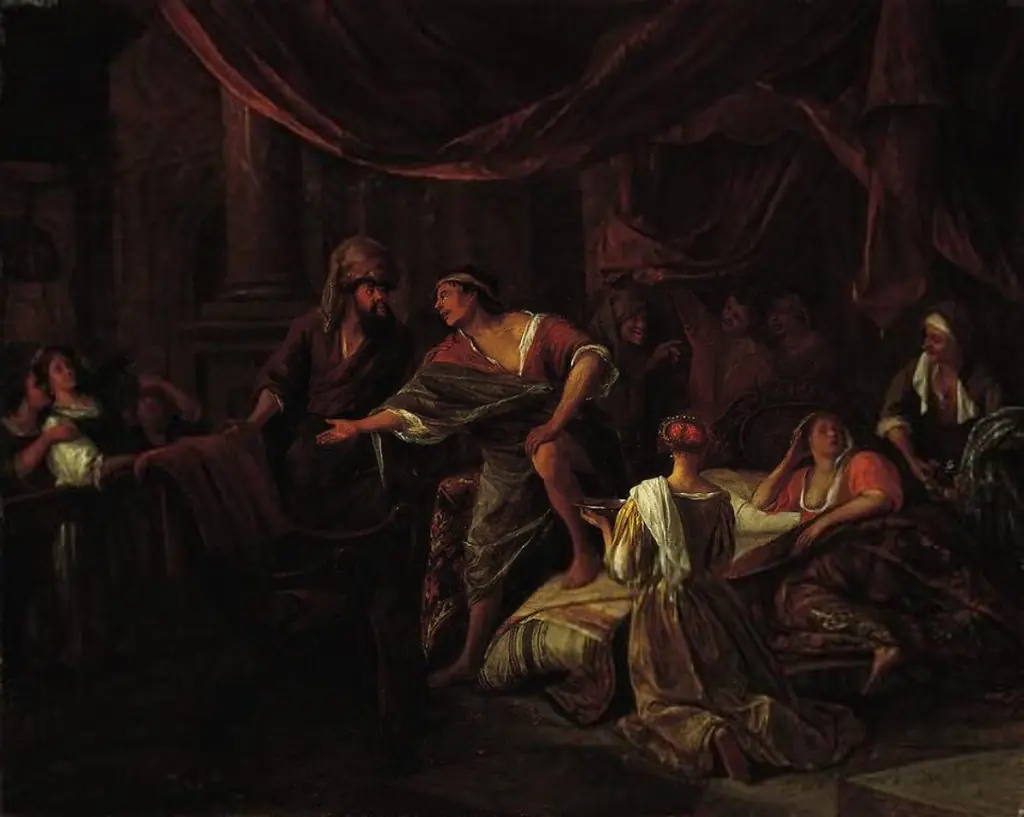 Jacob Confronting Laban
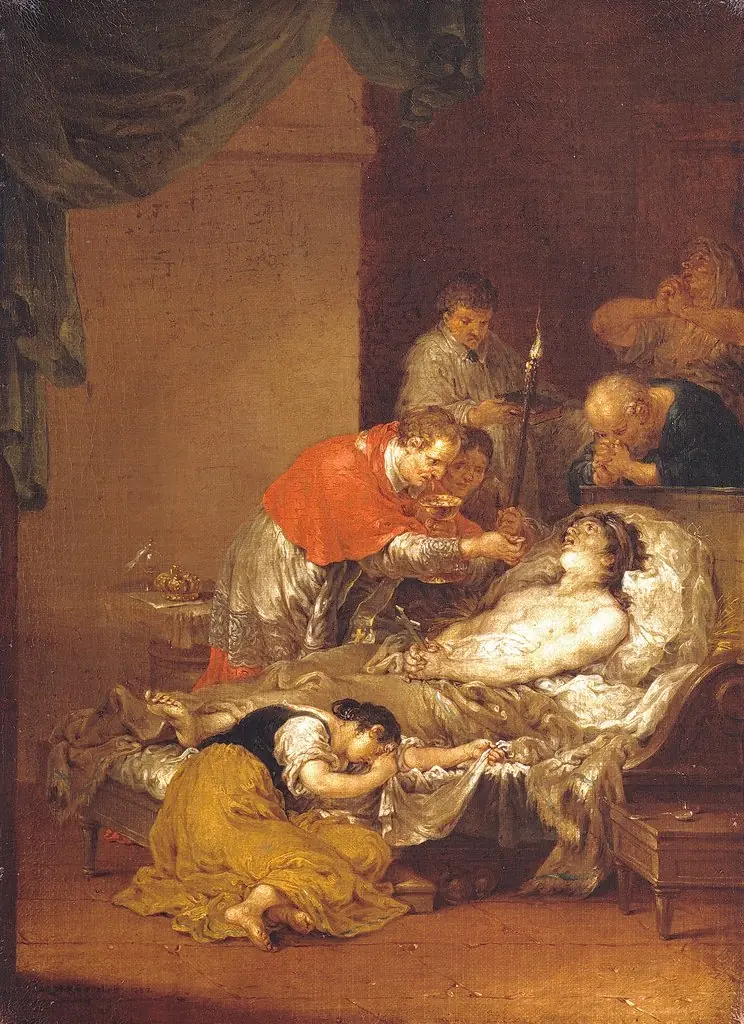 Saint Borromeo hands Supper to a person suffering from the plague
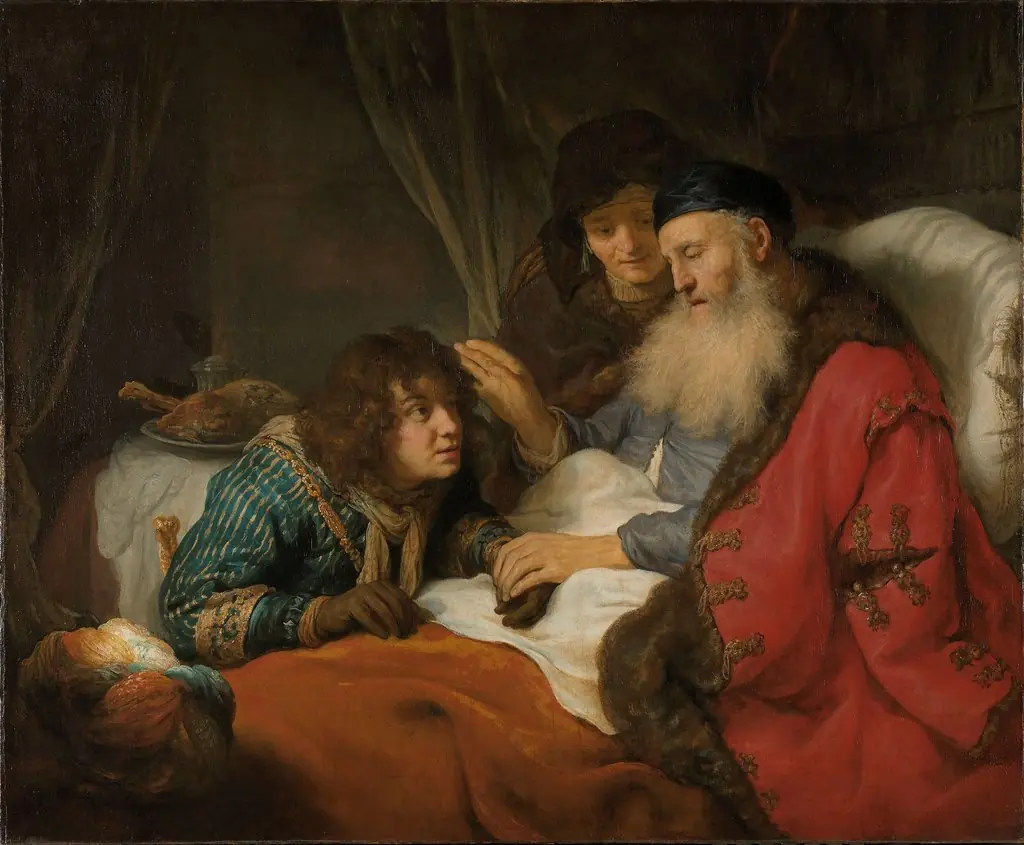 Isaac Blessing Jacob
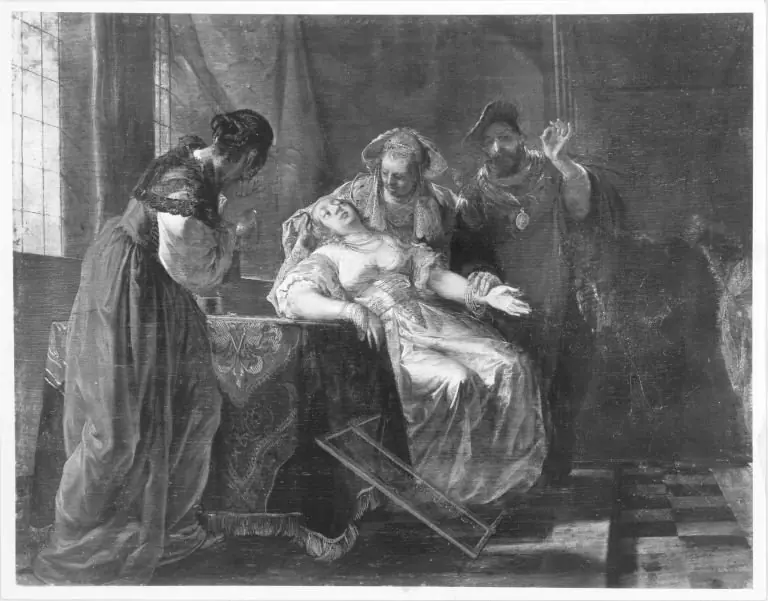 The doctor feeling the pulse of a love-sick girl