Artwork
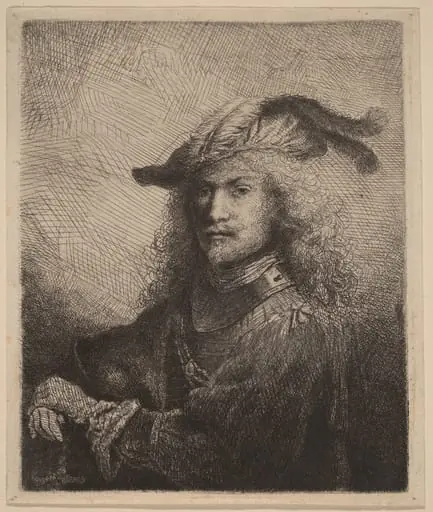
Portrait of an Officer
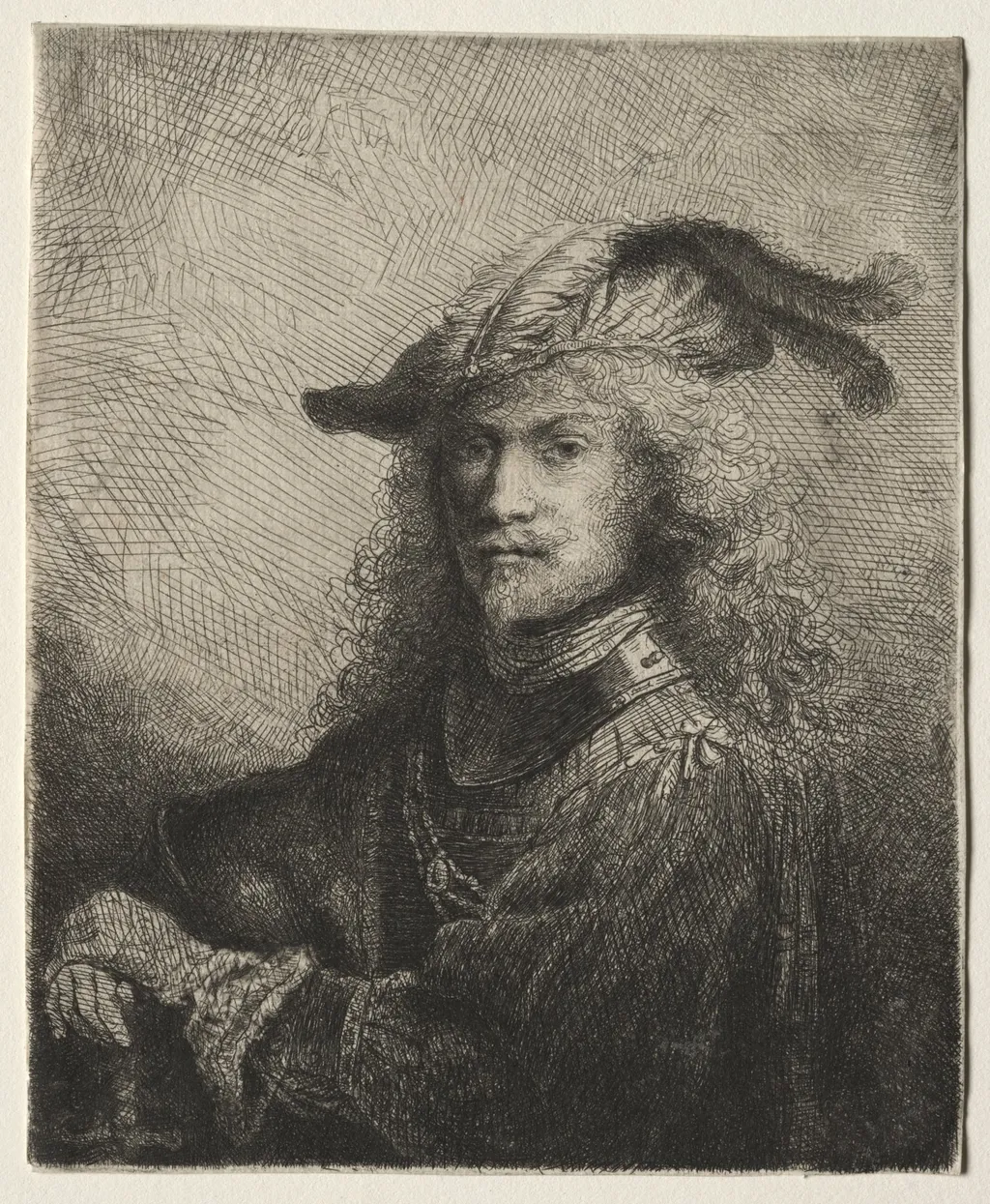
Portrait of an Officer is a print by the Baroque artist Ferdinand Bol. It dates from 1645 and is held in the collection of the Cleveland Museum of Art.
About this work
Overview
Bol’s skill in rendering texture and form through line and tone defines the piece as a refined example of Dutch printmaking in the mid-seventeenth century.
Created in 1645, this black-and-white print by Ferdinand Bol captures a military officer in quiet dignity. Executed in etching, the work reflects Bol’s training under Rembrandt and his focus on character-driven portraiture. The composition isolates the subject against a neutral background, emphasizing facial expression and attire. Bol’s skill in rendering texture and form through line and tone defines the piece as a refined example of Dutch printmaking in the mid-seventeenth century.
Subject & Meaning
The subject is a Dutch officer, identified by his uniform and ornate hat, suggesting status and civic duty. His direct gaze and composed posture convey authority without ostentation. The ruffled collar and feathered hat signal fashionable military attire of the era, while the absence of symbols or settings grounds the image in personal presence rather than heraldic display. The portrait invites contemplation of individual identity within a structured social role.
Technique & Style
Bol employed etching to achieve subtle gradations of light and shadow, using fine lines to model the face and beard with precision. Chiaroscuro enhances the three-dimensionality of the features, particularly around the eyes and jawline. The hat’s feathers are rendered with delicate, varied strokes, contrasting with the smoother textures of the skin and collar. The plain background focuses attention on the figure’s form and the quiet intensity of his expression.
History & Provenance
The print entered the Cleveland Museum of Art’s collection as part of its broader holdings in Dutch graphic arts. While its specific ownership history prior to the 20th century is not fully documented, its attribution to Bol is supported by stylistic analysis and comparison with his other etchings. The work aligns with a period when Dutch artists increasingly produced portraits for private collectors rather than public commissions.
Context
In 1645, the Dutch Republic was at the height of its economic and cultural influence, with portraiture serving both personal and social functions. Officers, as civic leaders and defenders of the state, were common subjects in art. Bol’s approach—intimate, restrained, and technically refined—mirrors broader trends in Dutch portraiture that favored psychological depth over grandeur, distinguishing it from the more theatrical styles of neighboring regions.
Legacy
Bol’s portrait exemplifies the quiet sophistication of Rembrandt’s school, influencing later generations of printmakers in their treatment of individual character. While less widely known than his teacher’s works, this etching demonstrates how Bol adapted chiaroscuro and linear precision to create compelling, understated images. It remains a representative example of mid-17th-century Dutch graphic art, valued for its technical control and emotional restraint.
Own this work as a print
Artist & collection
Artist
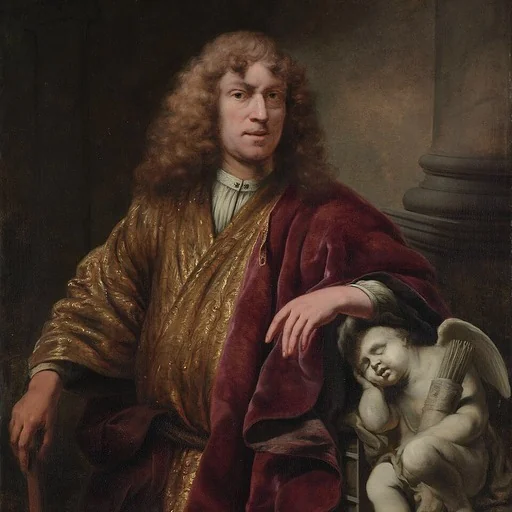
Ferdinand Bol (24 June 1616 - 24 August 1680) was a Dutch painter, etcher and draftsman.

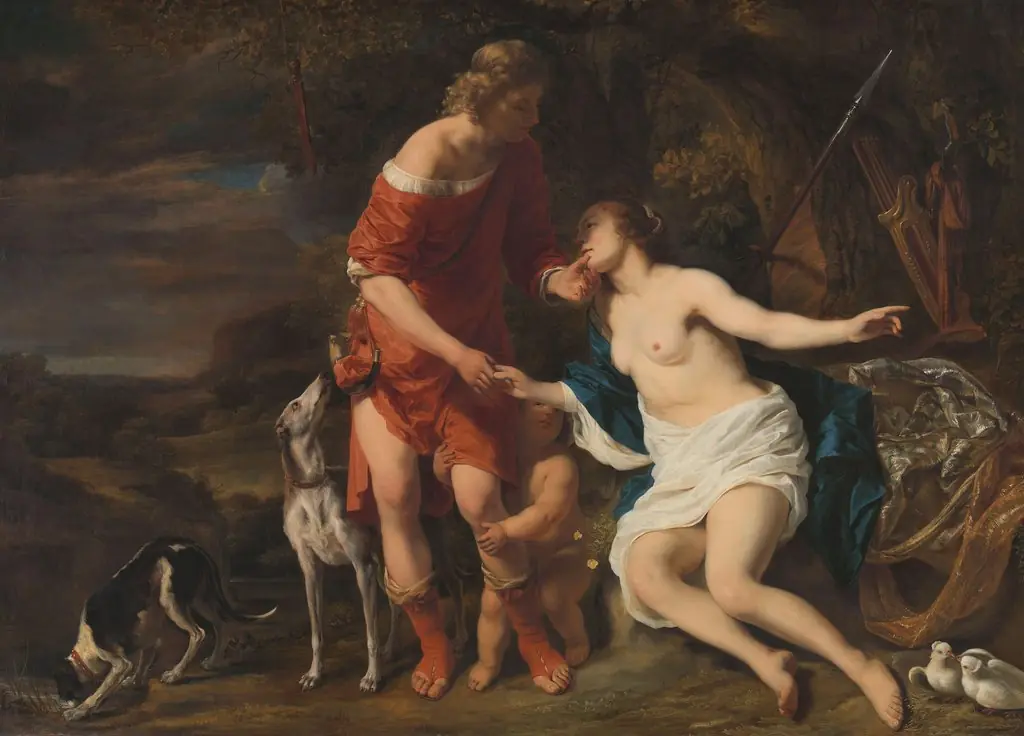 Venus and Adonis
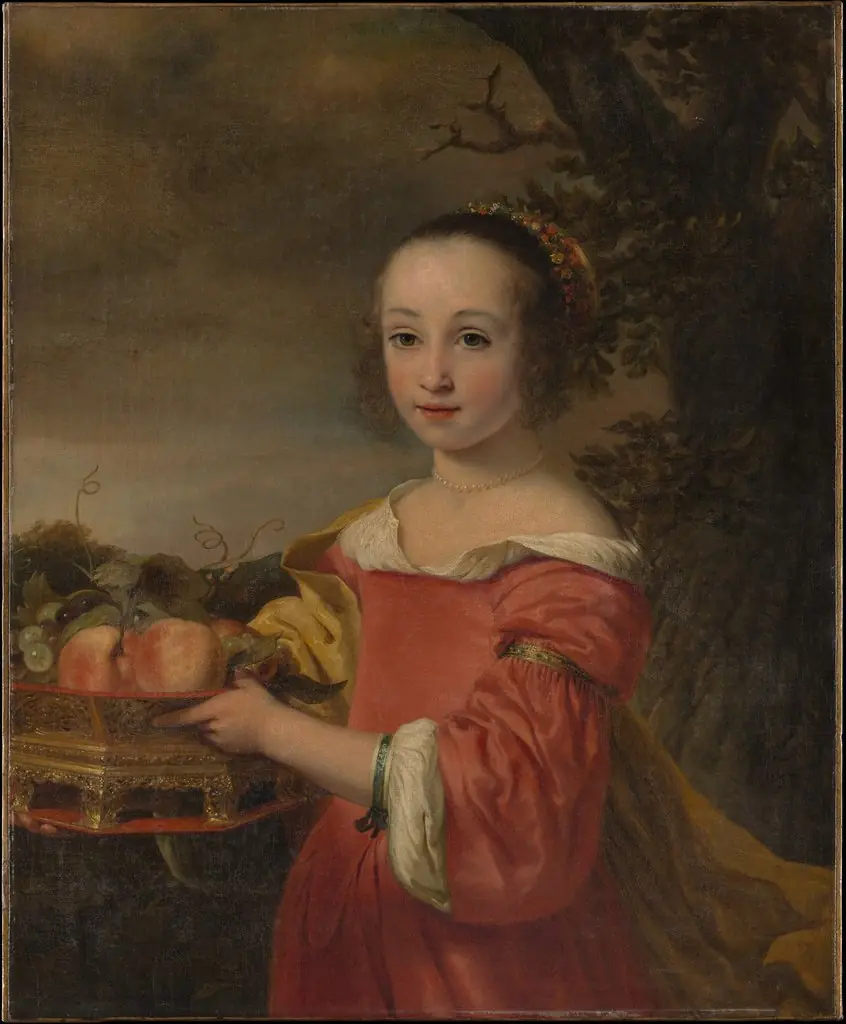 Petronella Elias (1648–1667) with a Basket of Fruit
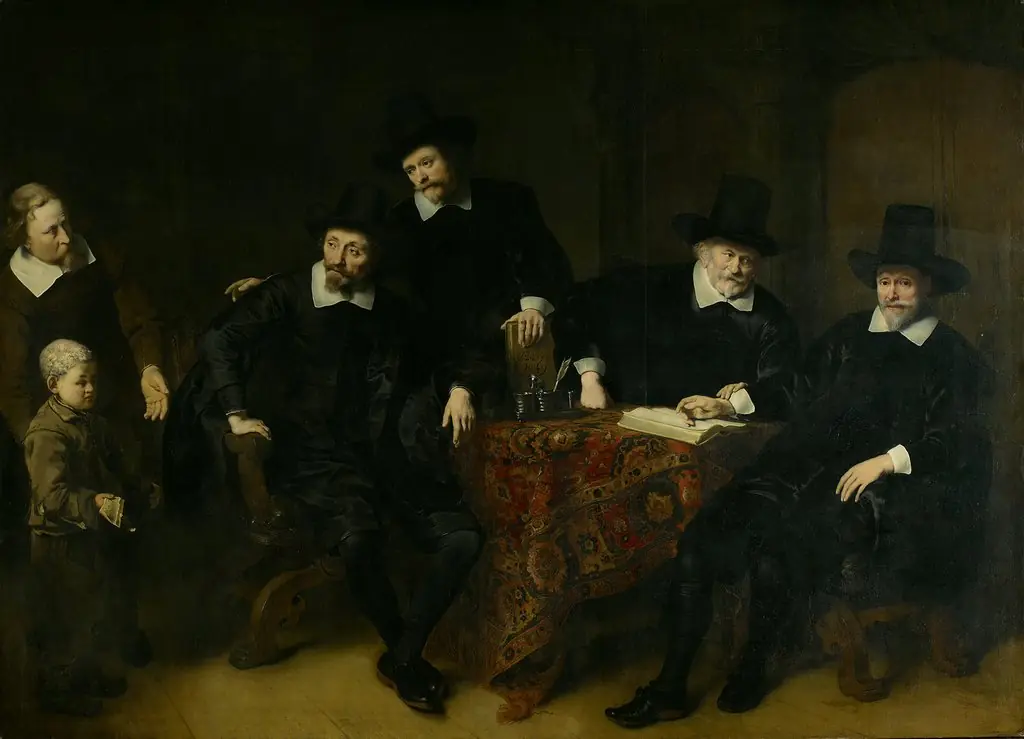 The Regents of the Leper's house in Amsterdam in 1649
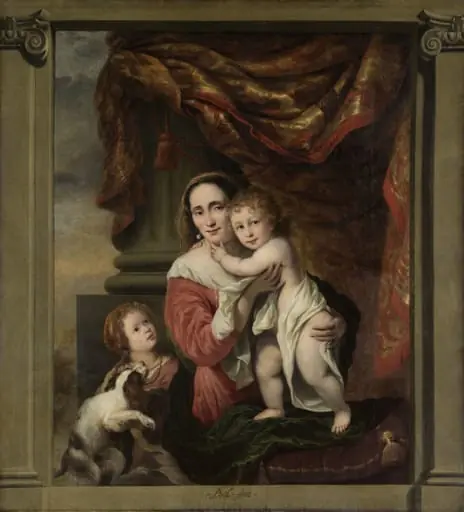 Caritas: Joanna de Geer (1629-1691) with her Children Cecilia Trip (1660-1728) and Laurens Trip (b. 1662)
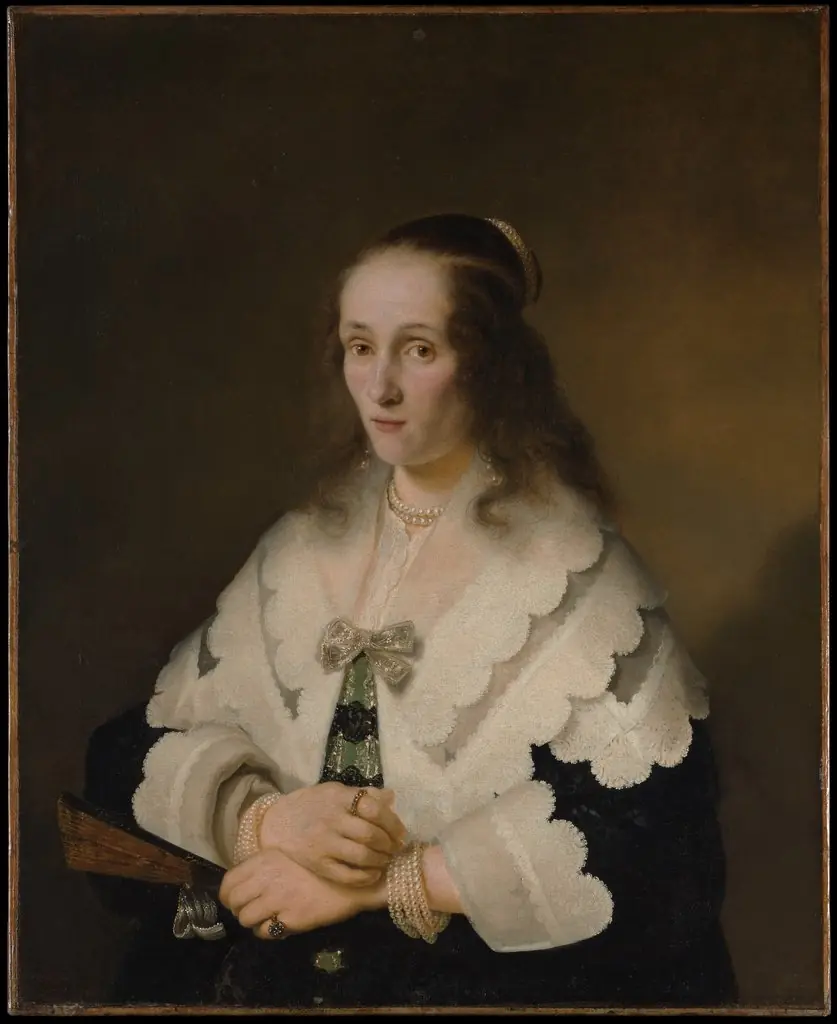 Portrait of a Woman
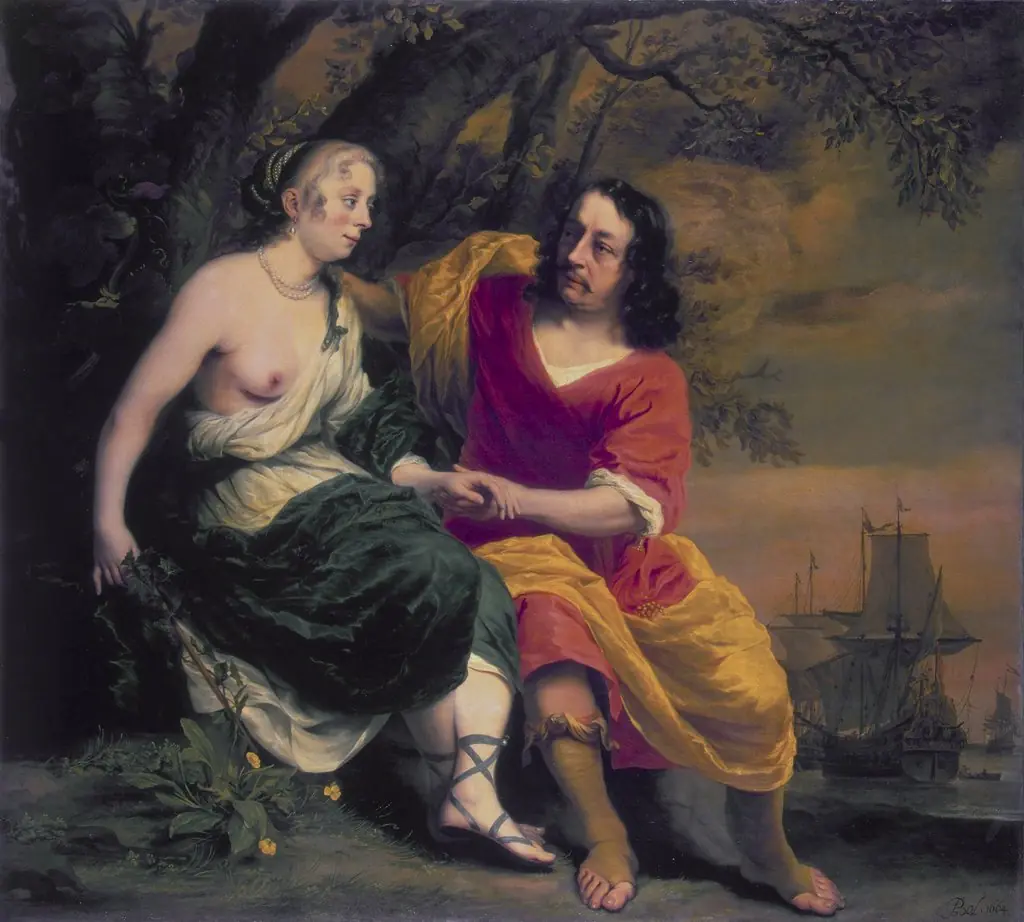 Bacchus and Ariadne
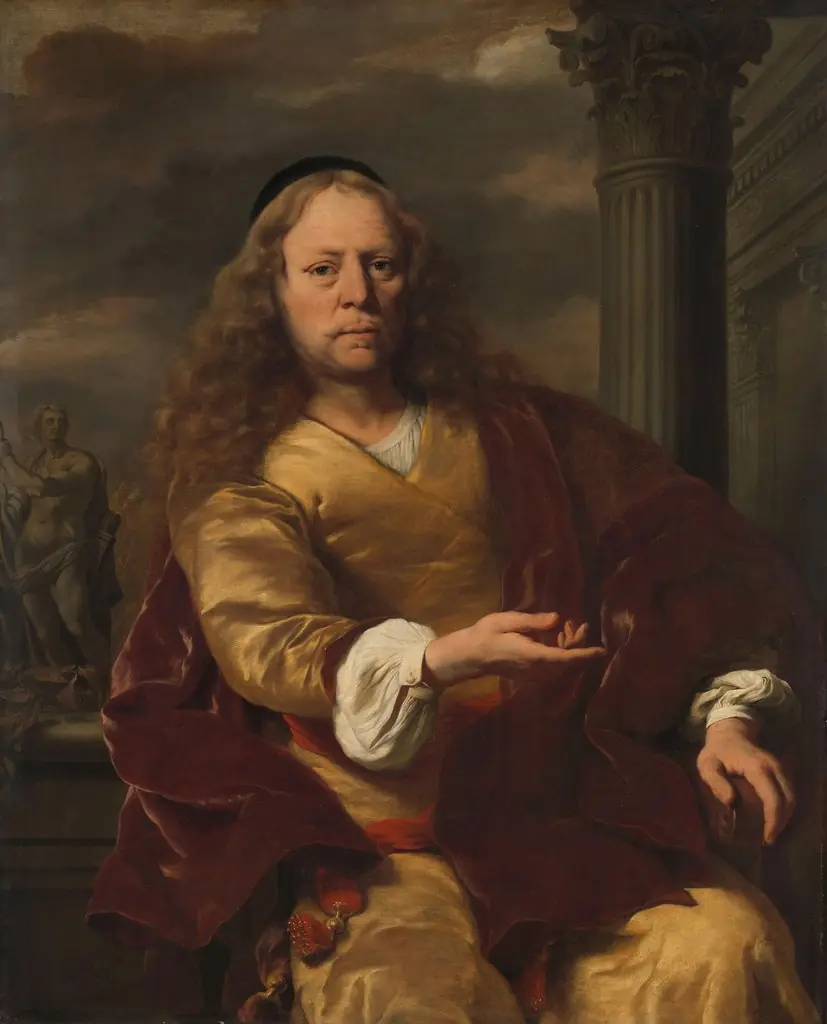 Portrait of a man
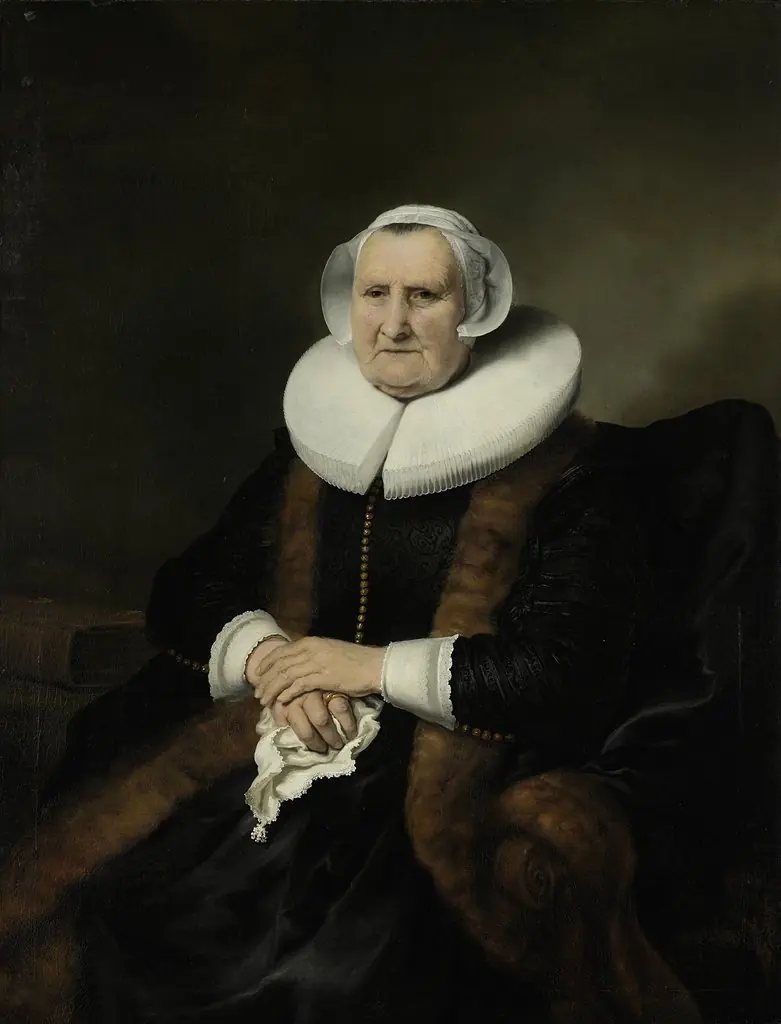 Portrait of an Old Lady, Possibly Elisabeth Bas
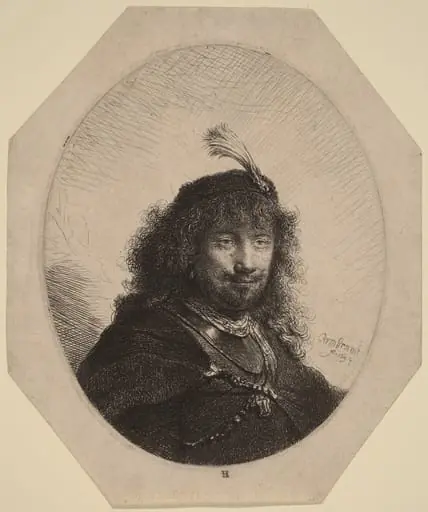 Self-Portrait (?) with Plumed Cap and Lowered Sabre
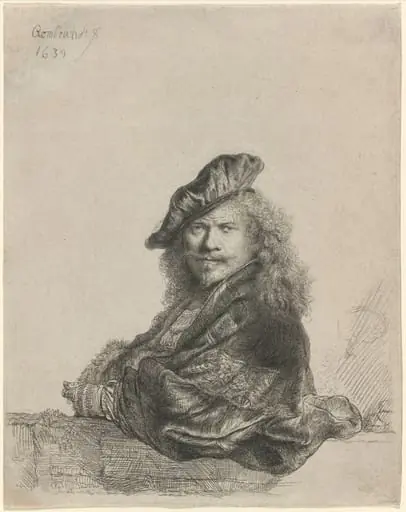 Self-Portrait Leaning on a Stone Sill
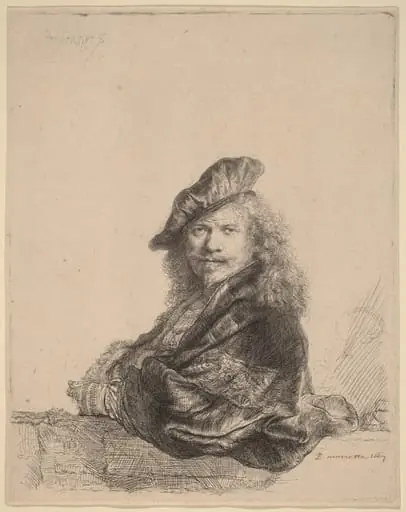 Self-Portrait Leaning on a Stone Sill
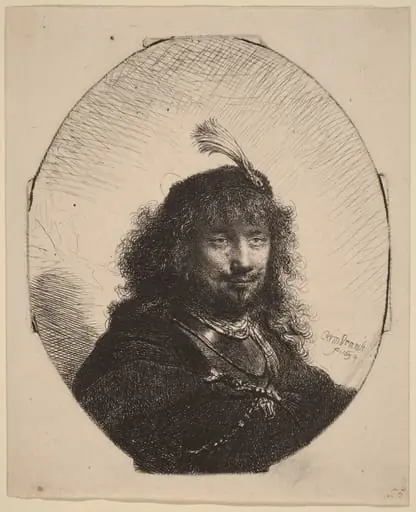 Self-Portrait (?) with Plumed Cap and Lowered Sabre
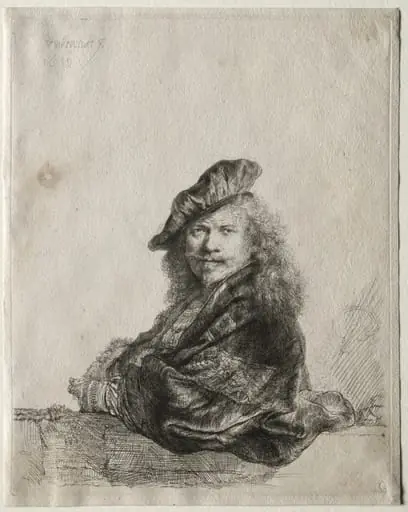 Self-Portrait Leaning on a Stone Sill
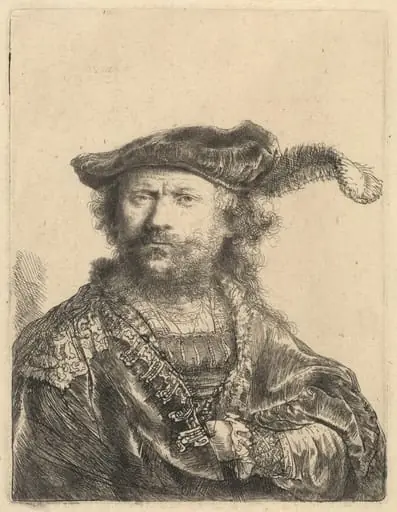 Self-Portrait in a Velvet Cap with Plume
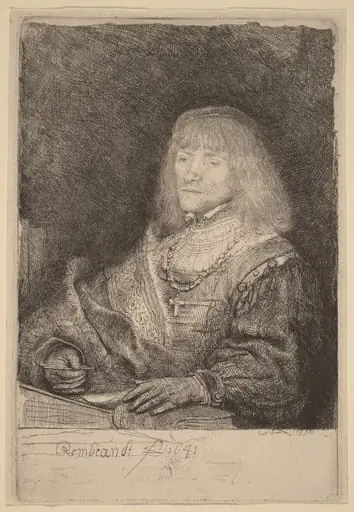 Man at a Desk Wearing a Cross and Chain
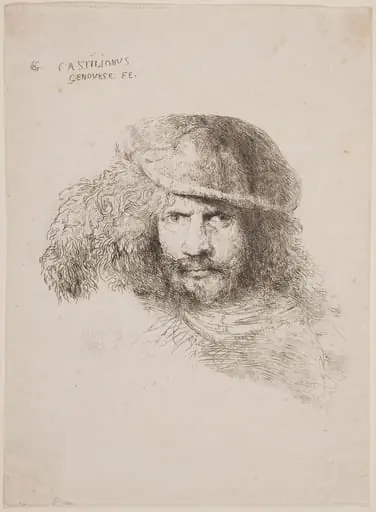 Head of a Young Man in a Feathered Hat (so-called Self-Portrait)
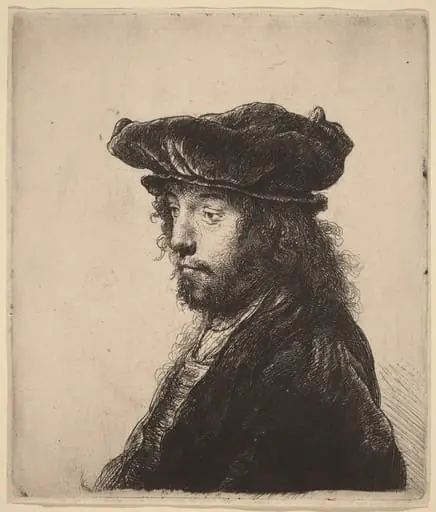 The Fourth Oriental Head
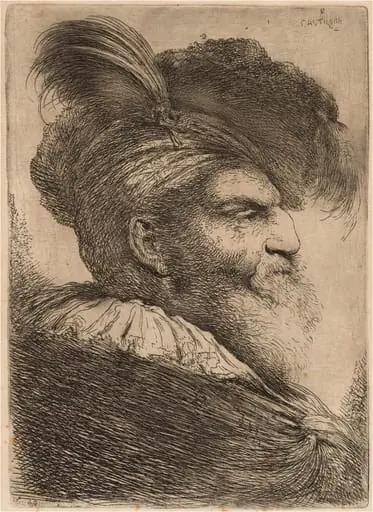 Man with a Long Beard and Headdress, Facing Right
 Bearded Man, in a Furred Oriental Cap and Robe: the Artist's Father
 Portrait of an Officer