Artwork
Portrait of Edward Hyde
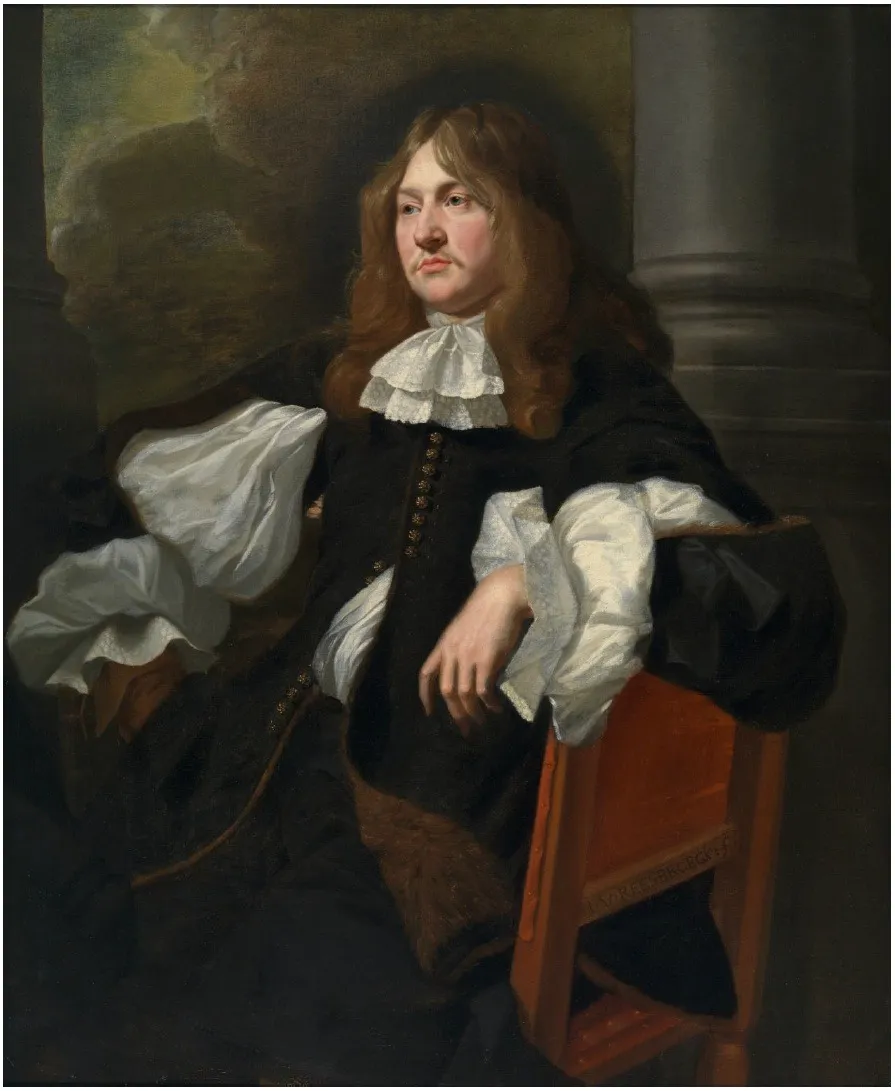
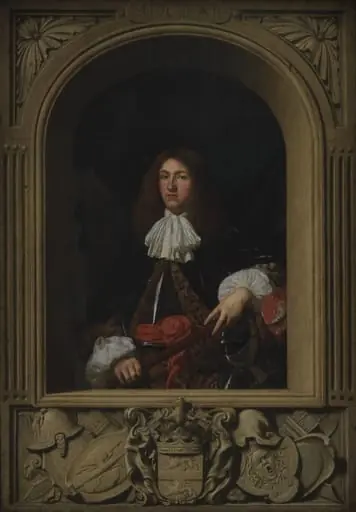
Portrait of Edward Hyde is an oil painting by Jacob van Reesbroeck. It dates from 1650 and is held in the collection of the Royal Museums of Fine Arts of Belgium.
About this work
This painting shows a man with long, wavy brown hair and a mustache, wearing a black coat with white ruffled sleeves and a white collar.
This painting shows a man with long, wavy brown hair and a mustache, wearing a black coat with white ruffled sleeves and a white collar. He sits in a wooden chair, with his left arm resting on the armrest. The background is dark, with a faint image of a person or object on the left side.
The man's attire and hairstyle suggest a formal portrait from the 17th century. The artist's use of chiaroscuro creates a sense of depth and volume in the subject's face and clothing.
If you're interested in learning more about this style of painting, you might want to explore the technique of chiaroscuro.
Overview
Around 1650, Flemish artist Jacob van Reesbroeck painted an oil portrait of Edward Hyde, the first Earl of Clarendon. Executed on canvas, the work now belongs to the Royal Museums of Fine Arts of Belgium. Van Reesbroeck, active in Antwerp, was known for rendering members of the city’s elite and visiting aristocracy.
Subject & Meaning
The sitter is Edward Hyde, a prominent 17th‑century statesman. He is shown seated, his left arm resting on the chair’s armrest, his expression composed and dignified. The portrait emphasizes his social rank through formal dress and a sober, controlled demeanor, typical of aristocratic portraiture of the period.
Technique & Style
Van Reesbroeck employs strong chiaroscuro, contrasting the dark background with illuminated flesh and richly textured fabrics. The subject’s black coat, white ruffled sleeves, and crisp white collar are rendered with careful attention to light, giving the figure a three‑dimensional presence. Subtle details, such as the faint silhouette in the left background, add depth without distracting from the sitter.
History & Provenance
Created in Antwerp, the portrait entered the collection of the Royal Museums of Fine Arts of Belgium, where it remains on display. The painting reflects van Reesbroeck’s clientele of local dignitaries and foreign nobles, situating it within the artist’s broader body of work for high‑status patrons.
Context
The mid‑17th century saw Flemish portraiture merging Dutch realism with Baroque drama. Van Reesbroeck’s approach mirrors this synthesis, combining precise rendering of clothing and facial features with the dramatic lighting favored by contemporary Baroque artists.
Legacy
While not as widely reproduced as works by Rubens or Van Dyck, the portrait provides valuable insight into the visual culture of the English aristocracy in exile and the role of Flemish painters in documenting European elite networks during the period.
Artist & collection
Artist
Jacob van Reesbroeck or Jacob van Rysbroeck (c. 6 December 1620 – 27 February 1704) was a Flemish portrait painter and engraver from Antwerp whose patrons included prominent local families as well as foreign aristocrats and monarchs.

Museum
Royal Museums of Fine Arts of Belgium
Continue through works from the same source collection.
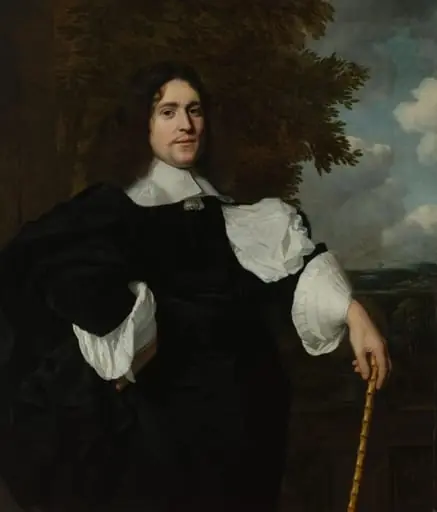 Jacobus Trip (1627-70), Armaments Dealer of Amsterdam and Dordrecht
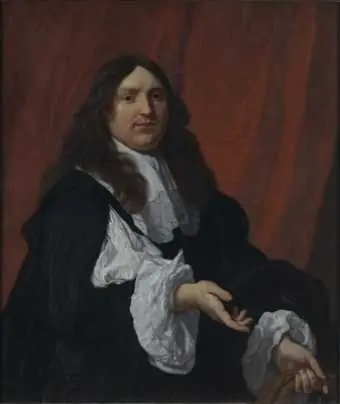 Portrait of a Man, 1664
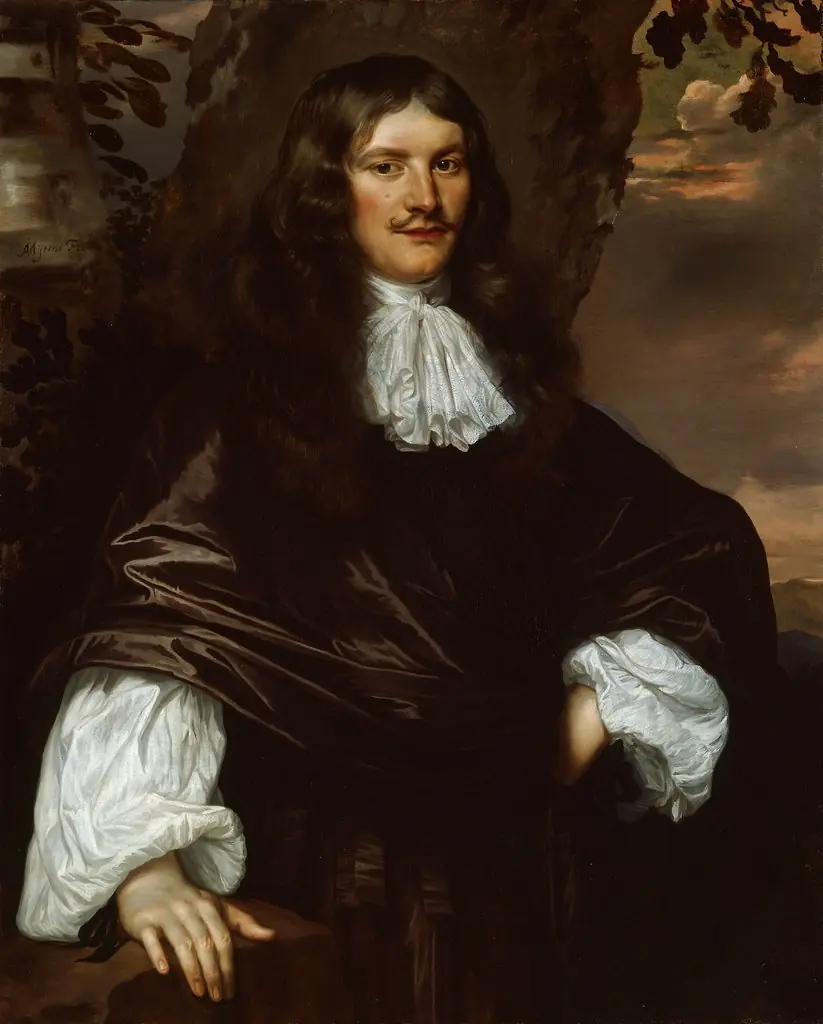 Portrait of a Man
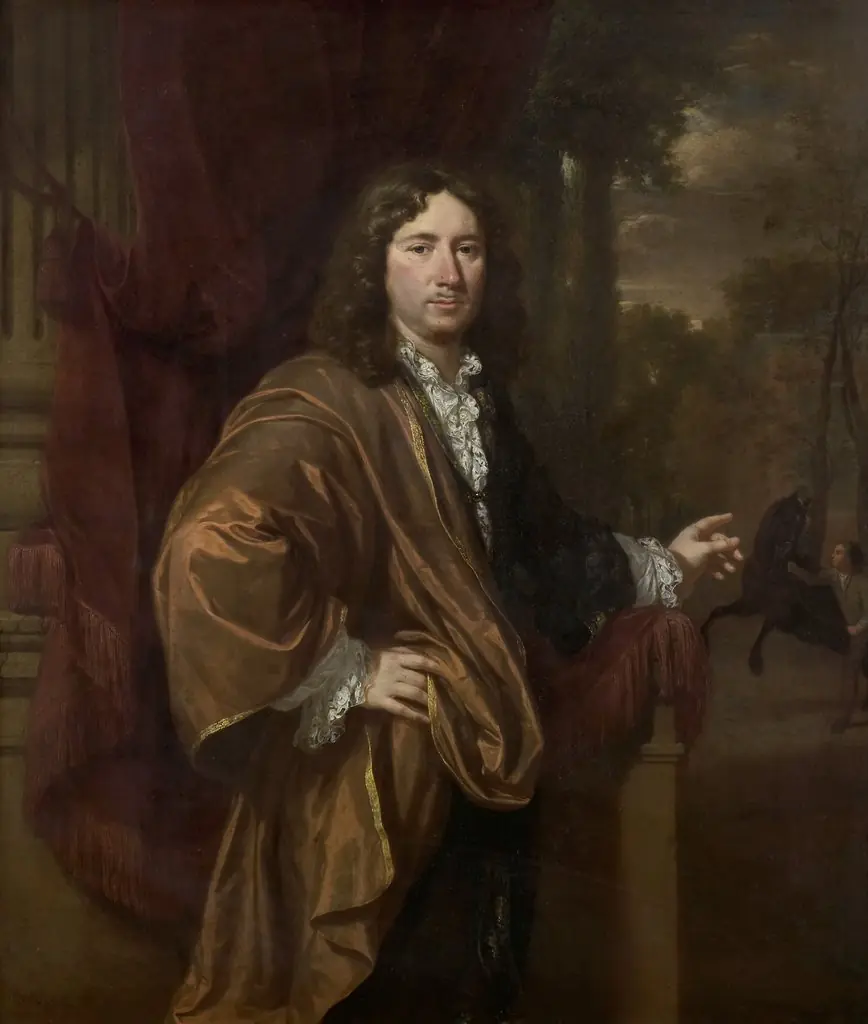 Portrait of a Man
 Portrait of a Man
 Portrait of Thomas Wharton, 1st Marquess of Wharton (1648-1715)
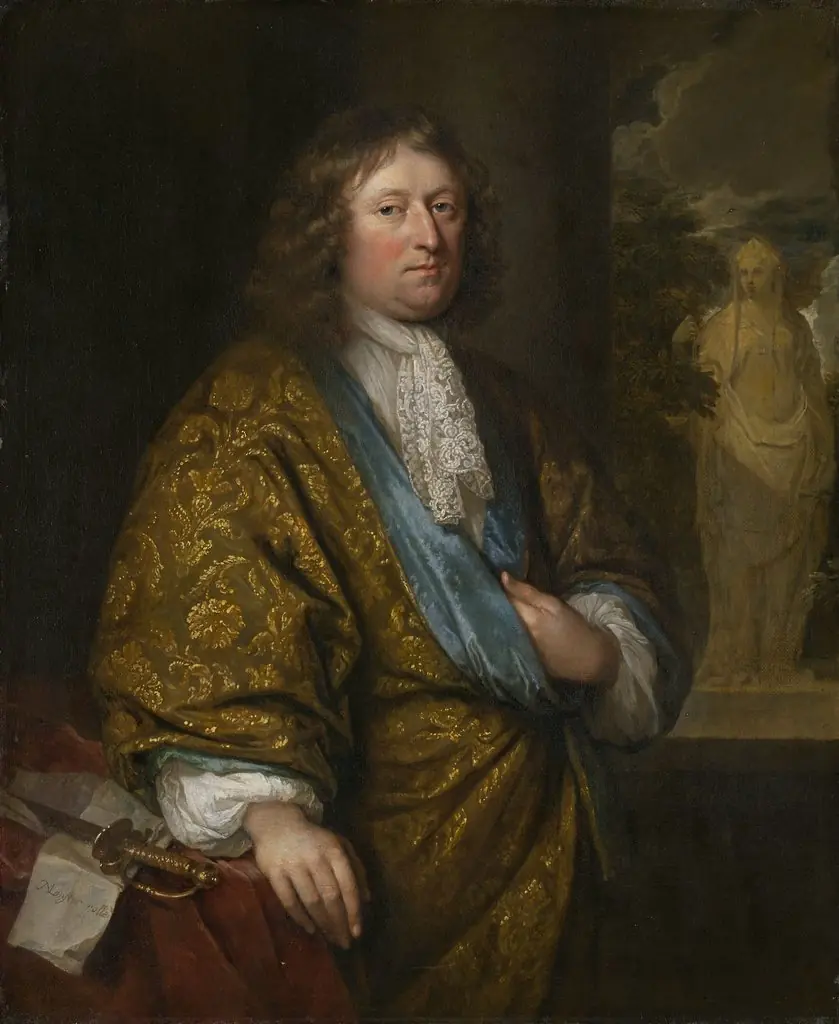 Portrait of a Gentleman
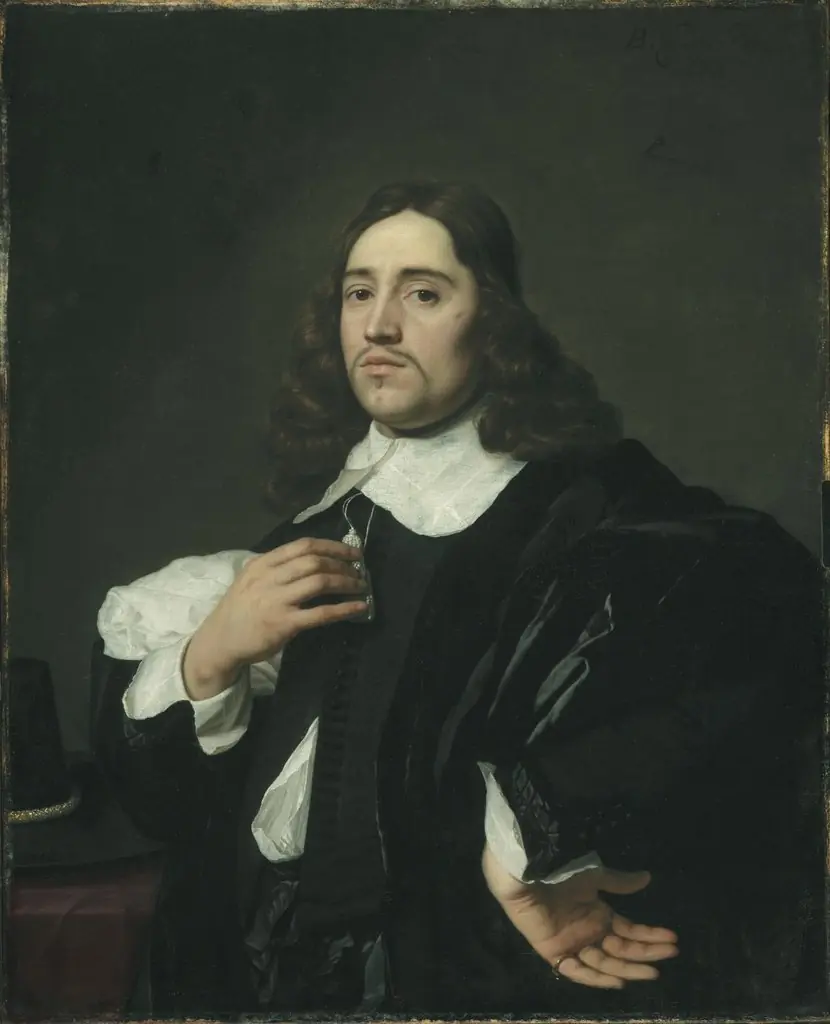 Portrait of a Gentleman (hand on hip)
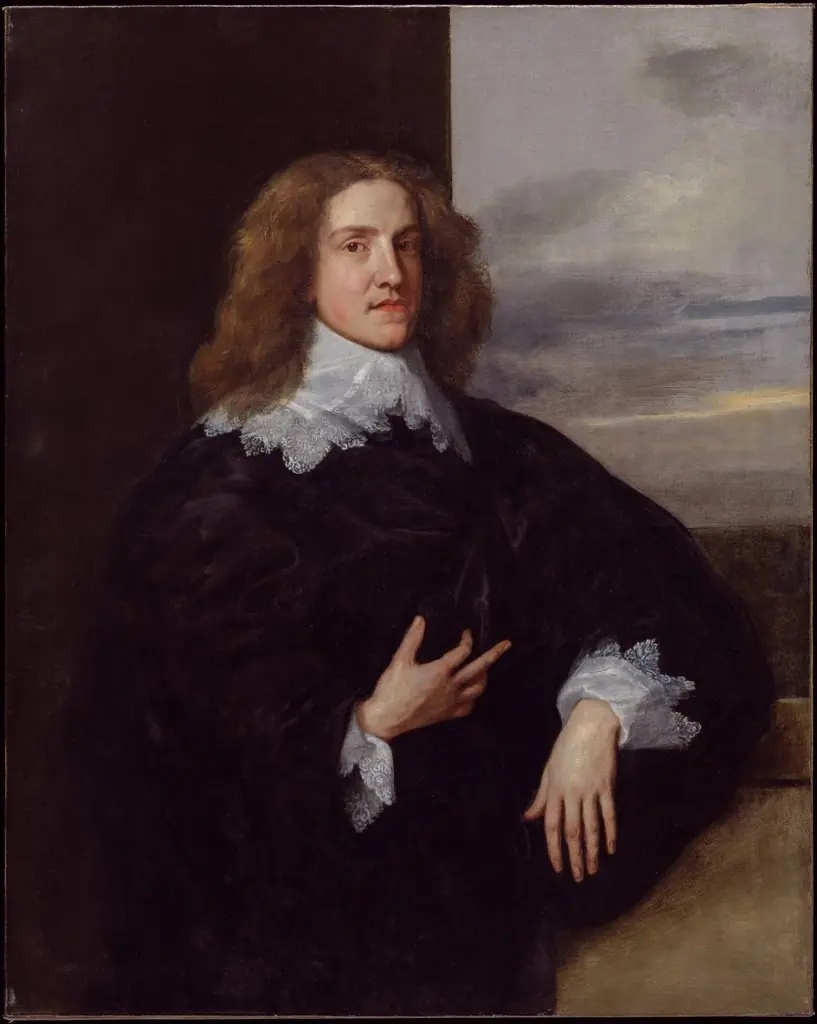 Young Gentleman (Earl of Downe?)
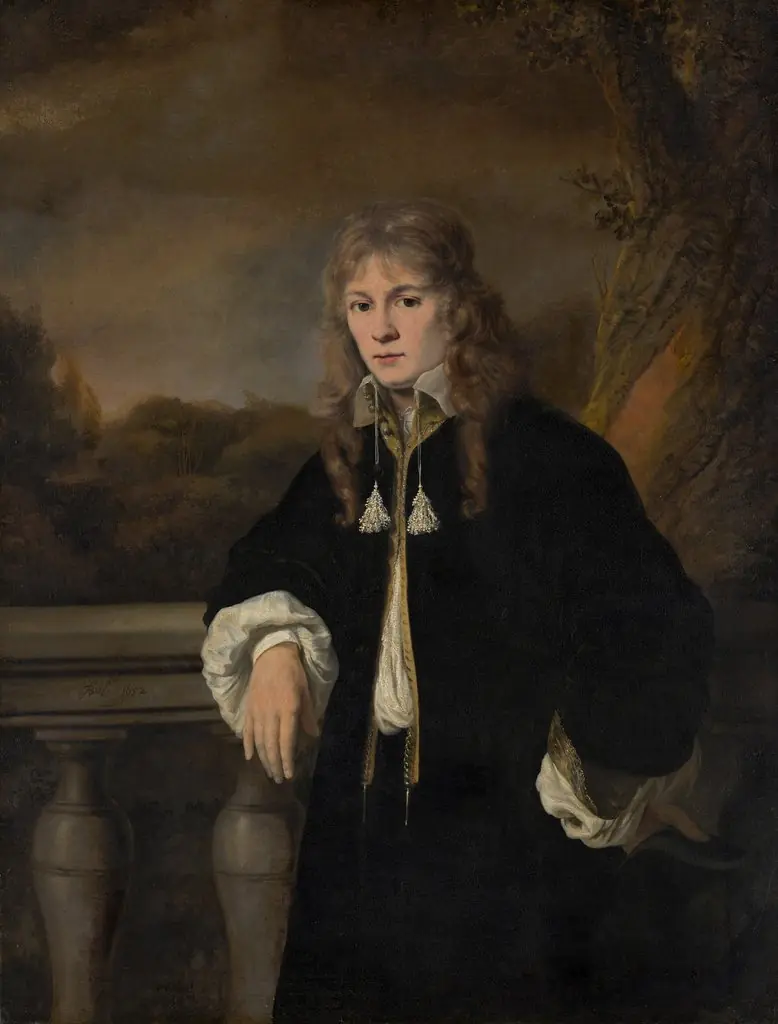 Portrait of a Young Man, presumably Louis Trip Jr (1638-1655)
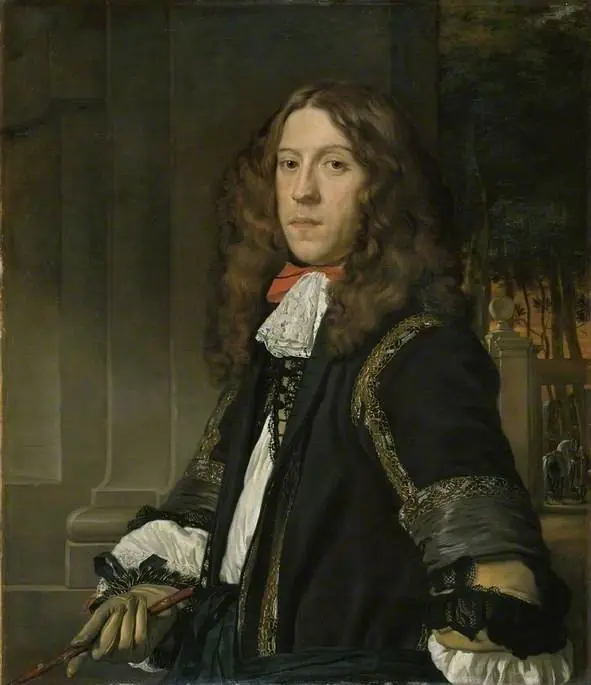 Portrait of a man
 Portrait of Count Ulrik Frederik Gyldenløve